 EN
EN ZH
ZH FR
FR ES
ES AR
ARSilent diesel generator noise level comparison shapes where and how your power system can be installed, not just a decibel rating. The real line between a standard open-set and a soundproof diesel generator determines whether you earn site approval, avoid community complaints, and meet contractual noise limits. After a decade supporting international energy infrastructure projects, I have seen the wrong noise assumption at the planning stage trigger expensive redesigns, delayed commissioning, and even permit refusals. This guide explains how generator noise is measured, when the math behind dB(A) does not tell the whole story, and which operational and compliance factors must drive your comparison before procurement.
How Noise Ratings Are Measured in Diesel Generators
Most manufacturers report diesel generator noise as a sound pressure level in dB(A) at a reference distance of 7 meters. That single figure is useful, but it is incomplete without understanding measurement conditions. The dB(A) scale filters low-frequency components to mimic human ear sensitivity, so two machines with identical raw output can read differently. Sound power level, expressed in dB, describes total acoustic energy regardless of distance—the preferred metric when comparing different enclosure designs.
If a generator achieves 68 dB(A) at 7 m on a test pad with no reflective surfaces, the same unit may read 73 dB(A) on a concrete site near a wall. Procurement teams comparing specifications across brands must confirm whether measurements follow ISO 8528-10 or similar standards, and at what distance and load factor the data were collected. A 75 dB(A) open-type generator can drop to mid-60s dB(A) once housed in a well-built canopy, but the enclosure’s material thickness, bracing, and sealing details determine how much of that drop translates to a real-world site. A two-millimeter steel panel with strategic acoustic insulation, for example, delivers a measurable advantage over thin single-skin enclosures.
Silent vs Standard: The Decibel Gap and What It Actually Means
Raw numbers help, but the operational distance between a silent and a standard diesel generator is best understood through real application thresholds. The table below compares typical noise levels for commonly deployed diesel generator sets at 75% load and 7-meter measurement.
| Generator Type | Typical dB(A) at 7 m | Common Enclosure |
|---|---|---|
| Open-type (standard) | 78–85 | None or basic canopy |
| Basic weather enclosure | 72–78 | Thin steel panels, limited acoustic treatment |
| High-performance silent canopy | 60–70 | Multi-layer acoustic lining, double-skin panels |
| Premium silent (low-speed, 1500 rpm) | 55–65 | Engineered airflow paths, isolated exhaust |
The ten-to-fifteen decibel difference between an open set and a high-performance silent unit means perceived loudness is roughly halved. That is critical on a site where ambient background noise measures 45 dB(A) and the operational limit imposed by local ordinance is 60 dB(A) at the property boundary. A standard open generator would fail that limit outright; a silent unit with proper placement may clear it.
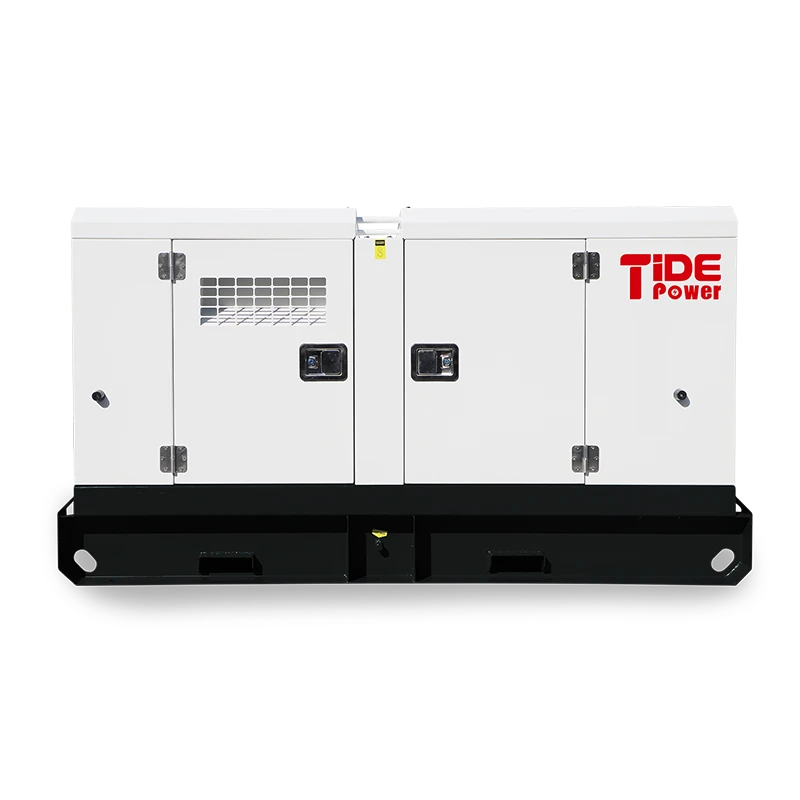
Energy solutions that prioritize built-in acoustic design, such as Tide Power’s P Series silent generator sets, use a 2 mm thick soundproof canopy combined with dedicated ventilation pathways to maintain these lower numbers without sacrificing cooling performance. The quietest diesel generators are not just standard engines inside a box; they integrate vibration-isolated mounting, exhaust silencers tuned for the engine’s firing frequency, and airflow management that avoids turbulence noise.
Generator Noise Impacts Site Compliance, Not Just Comfort
While decibel figures dominate specification sheets, your project’s noise compliance story is written at the permitting stage. Residential zones in many markets enforce nighttime limits of 50-55 dB(A) at the nearest dwelling, and hospitals or data centers may have even tighter internal maximums. A generator that registers 78 dB(A) at 7 m may produce 68 dB(A) at 30 meters, still enough to risk a violation if the fence line is close.
In one telecom expansion project I consulted on, the engineering team initially selected a standard 100 kVA open-type set for a rural site. The environmental impact assessment returned a predicted 74 dB(A) at the nearest village 40 meters away, exceeding the 55 dB(A) nighttime cap by a wide margin. The project avoided a six-month redesign delay because the team had included a silent-canopy alternative in the original cost analysis. The switch to a soundproof generator set added an incremental cost, but it eliminated the need for extra acoustic barriers, boundary setbacks, or a late-stage noise study. The final installation was commissioned on schedule with zero noise complaints.
If your project spans different regulatory environments, you are likely to encounter conflicting noise requirements across jurisdictions. A silent generator that complies with EU outdoor noise directives may need additional validation for a North American hospital campus. Verifying that the manufacturer can supply test data aligned with local standards, and not just a generic data sheet value, becomes a procurement filter. Discussing site-specific compliance early with [email protected] can clarify whether a standard silent model is sufficient or whether a custom acoustic package is justified.
Matching a Silent Generator to Your Operational Reality
Choosing a silent diesel generator is not just about the lowest dB(A) number. Enclosure design directly affects maintenance access, cooling, and long-term reliability. A tightly sealed canopy that blocks noise also traps heat, so the ventilation system must be sized to handle full-load operation without creating hot spots around the alternator or engine heads.
I have observed that generator sets with vertical ventilation, where cool air enters at the bottom and exhausted air exits through roof louvers, tend to deliver more uniform temperature control than those relying on front-to-back airflow alone. The single biggest complaint from site operators once a silent generator is installed is not noise—it is difficulty accessing oil filters, coolant drains, or belt tensioners hidden behind acoustic baffles. A canopy with large, side-hinged access doors and an external fuel-fill inlet addresses that problem from day one.
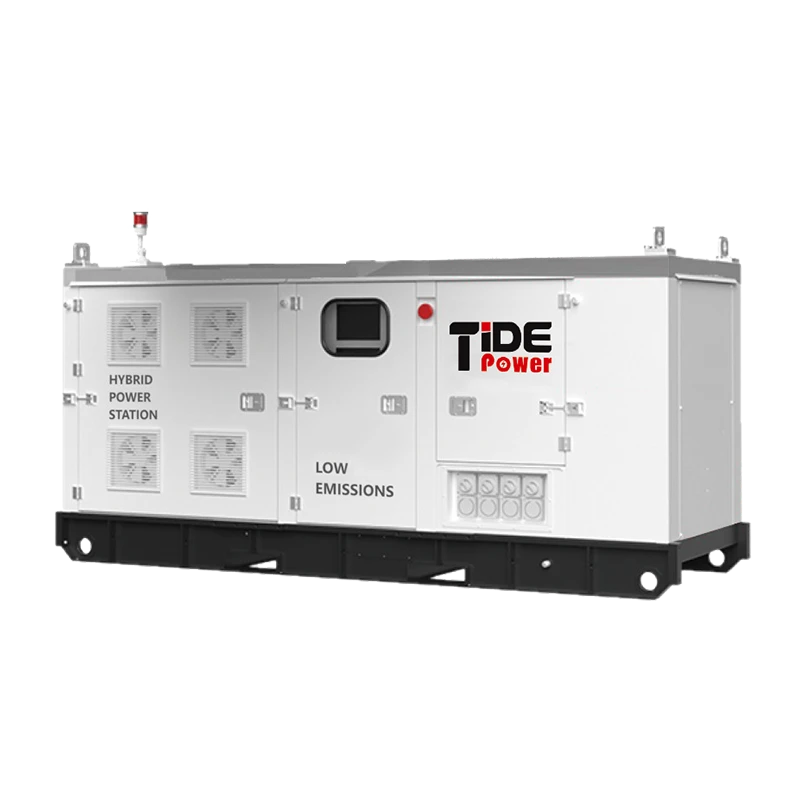
Manufacturers who engineer both thermal and acoustic performance together produce generators that stay quiet without derating output. Tide Power’s Hemera series, for example, pairs multi-brand engine options with a canopy built for consistent cooling under sustained prime power loads in sensitive environments. The practical result is a machine that the maintenance team does not curse, and that the compliance inspector signs off on.
Engine, Exhaust, and Mounting: The Noise Control Trifecta
Three subsystems decide how a generator’s noise footprint integrates into a site. First, engine speed. A generator running at 1500 rpm (50 Hz) produces a lower, less intrusive frequency spectrum than one at 1800 rpm (60 Hz), often reducing perceived annoyance even when dB(A) figures are similar. Second, the exhaust silencer. A standard residential-grade muffler may knock off 15-25 dB(A); a critical-grade silencer can exceed 35 dB(A) of attenuation, which closes the gap between a borderline pass and a confident clearance. Third, vibration isolation. Diesel engines transmit structure-borne noise through the chassis into the slab or trailer bed, and cheaper mounts lose isolation efficiency within a few hundred running hours.
When I evaluate generator configurations for noise-critical projects, I ask for vibration test data on the isolators, not just the manufacturer’s “low vibration” claim. A generator set that shows 0.5 mm/s RMS vibration velocity on the skid at full load will transfer far less energy into the building frame than one running at 2.0 mm/s. That difference turns into fewer hours of post-installation remediation and fewer noise control add-ons.
Procurement Priorities Beyond the Specification Sheet
Evaluating a silent generator against a standard open type ultimately demands looking past the initial purchase price. Silent generators cost more upfront—the enclosure tooling, acoustic materials, and additional cooling hardware push the per-kVA price higher. However, the avoided costs of site preparation, acoustic fencing, noise mitigation reports, and potential project delays often offset that premium within the first installation.
Supply chain flexibility also matters. If your project requires a 500 kVA silent set with a specific engine brand for aftermarket support, a manufacturer that offers multiple engine options within the same enclosure platform gives you sourcing agility. Tide Power’s Econic series, spanning up to 1650 kVA with engines from Cummins, Perkins, DEUTZ, and others, is built around that configurable approach. That flexibility can shorten lead times when a particular engine specification becomes critical for local service networks or emissions requirements.
A Quieter, More Predictable Power Decision
When noise compliance can delay or even cancel a project, the generator selection becomes a strategic decision, not a specification checkbox. The gap between silent and standard is measured in decibels, but its impact shows up in permitting timelines, community relations, and the cost of emergency acoustic remediation. Working with a partner who treats noise as an engineering parameter—from canopy design to exhaust tuning—gives you a configuration that clears site limits without hidden operational compromises.
Contact Tide Power Technology at [email protected] or call +86 591 2806 8999 to discuss your site noise requirements and build a generator specification that meets both your power and acoustic targets.
Generator Noise Questions That Affect Project Timelines
What is the realistic noise difference between a silent and a standard diesel generator on an actual site?
The difference is typically 12-20 dB(A) at 7 meters under load, but site layout, reflective surfaces, and background noise shrink or widen that gap. A standard open 200 kVA set frequently measures 82 dB(A) at 7 m, while a well-engineered silent version of the same rating can drop to 65 dB(A). At the property boundary, the silent unit may fall below ambient noise at 50 meters, while the open set remains a detectable tone far beyond that distance.
Does a soundproof enclosure reduce generator power output or shorten engine life?
A properly engineered enclosure does not reduce rated power output or shorten engine life. Manufacturers design airflow paths to maintain inlet air temperature within the engine’s allowable range, and thermal switches protect against overheating. Premature wear appears when maintenance teams avoid opening canopies for routine checks—large access doors and logical component layout directly affect long-term reliability. Specification sheets that include detailed thermal test data give you more confidence than generic “soundproof” labeling.
Are silent diesel generators practical for temporary or rental applications where cost is the main factor?
They are practical when the rental contract includes noise compliance obligations or the site is noise-sensitive. A silent generator carries a rental premium, but the alternative of paying for acoustic barriers, sleeving, or a standby noise consultant often costs more over a six-month deployment. The decision comes down to whether your site permit names a specific dBA limit. When it does, the silent set becomes the only compliant option, and the rental rate difference is no longer the primary negotiating point. Share your deployment constraints with our team for a configuration suggestion that balances budget and compliance.
If you’re interested, check out these related articles:
Successful Synchronization of 7 Gas Gensets in Africa
TIDE POWER TP200BESS: The Future of Industrial Energy Efficiency
Tide Power & Lister Petter Launch Advanced Gas Power Solution for Sustainable Energy
Silent Power, Smart Future: Tide Power Launches the Panda Series Generator
Tide Power and Caterpillar Successfully Sign 2025 MWM Engine Purchase Intent Agreement