 EN
EN ZH
ZH FR
FR ES
ES AR
ARFor facility managers and procurement teams evaluating backup or prime power solutions, industrial diesel generators represent a strategic investment in operational continuity. While many buyers initially compare nameplate ratings and fuel types, the real value of these generators lies in their ability to deliver consistent, high-output power in the most demanding environments—backed by global service networks that keep downtime to a minimum. Over a decade of supporting international energy infrastructure projects has shown that generator selection must move beyond basic specifications to consider actual site conditions, total cost of ownership, and long-term manufacturer support. This article examines the key benefits of industrial diesel generators, focusing on what matters most when your operation has no room for failure.
Why Industrial Diesel Generators Remain the Backbone of Mission-Critical Power
A facility that loses power for even a few hours faces halted production, spoiled inventory, and rejected batches. Industrial diesel generators step into that gap with near-instantaneous load acceptance, the kind of response you cannot afford to compromise when a pharmaceutical cold chain or a data center relies on you. Diesel engines deliver high torque across a wide speed range, which translates to stable voltage and frequency recovery within seconds of a load change. That stability matters less on a spreadsheet than it does at 3 a.m. when a production line stalls and every minute counts.
Fuel availability compounds the advantage. Unlike natural gas, which depends on pipeline infrastructure that natural disasters or grid failures can disrupt, diesel fuel can be stored safely on-site in bulk tanks. This independence is not a minor feature; it is the reason many remote telecom stations, mining camps, and islanded microgrids standardize on diesel. I have walked through generator halls from Latin American mines to Southeast Asian processing plants, and the common thread is a soundproof enclosure humming away on locally stored fuel while the rest of the infrastructure sorts itself out. That kind of autonomy is hard to replicate with any other combustion technology at the same capital cost.
Fuel Efficiency and Operational Cost Advantages
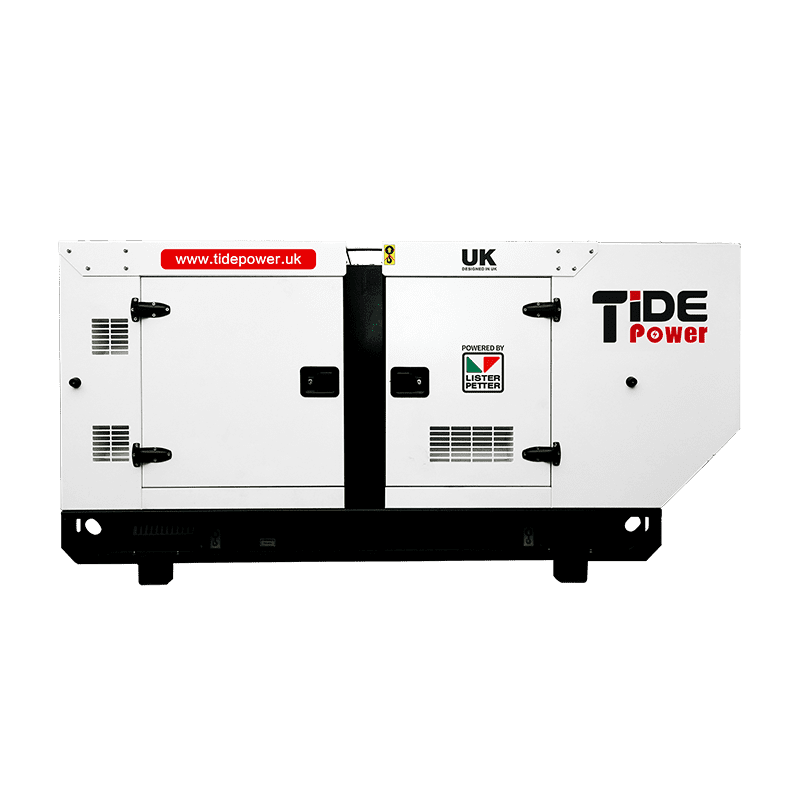
Modern diesel generators have pushed thermal efficiency past 45% in larger engine sizes, and electronically governed fuel injection systems trim consumption across varying load profiles. It is common for a well-maintained 500kW diesel genset to consume under 200 g/kWh at 75% load, a number that stacks up favorably against gas engines of comparable rating when you account for fuel transport and storage losses. I have reviewed fuel consumption curves across projects where diesel generators delivered 15-20% lower fuel cost per kWh than comparable natural gas units in off-grid sites, largely because diesels maintain higher part-load efficiency when demand fluctuates.
From an operating budget perspective, those kilowatt-hours translate to predictable monthly spend. You know exactly how many liters of fuel you have on site, and you do not need a gas utility agreement or a long-term pipeline buildout to start generating. For intermittent or seasonal industrial loads, diesel often wins on lifecycle cost simply because the fuel infrastructure is already in place. Maintenance intervals, typically 500 to 1,000 operating hours for a basic service, also align well with shift-based industrial operations. The engine does not care whether the hour meter ticks during a scheduled production run or an unexpected outage; the service schedule stays consistent, and that predictability simplifies fleet management.
Built for the Extremes: Real-World Performance in Harsh Environments
Laboratory efficiency numbers only tell part of the story. The real test comes when a generator sits in a dust-laden open-pit mine at 3,500 meters of altitude where air density drops and cooling systems strain. Diesel generators have proven themselves in these conditions over decades because their design inherently tolerates contamination better than gas turbines and they can be equipped with heavy-duty air filtration and high-temperature radiators without exhaustive re-engineering. I have seen units operate reliably in the Sahara and in sub-zero Arctic logistics hubs, and the difference between a generator that survives and one that fails often comes down to three engineering choices: oil filtration, air intake routing, and coolant circuit design.
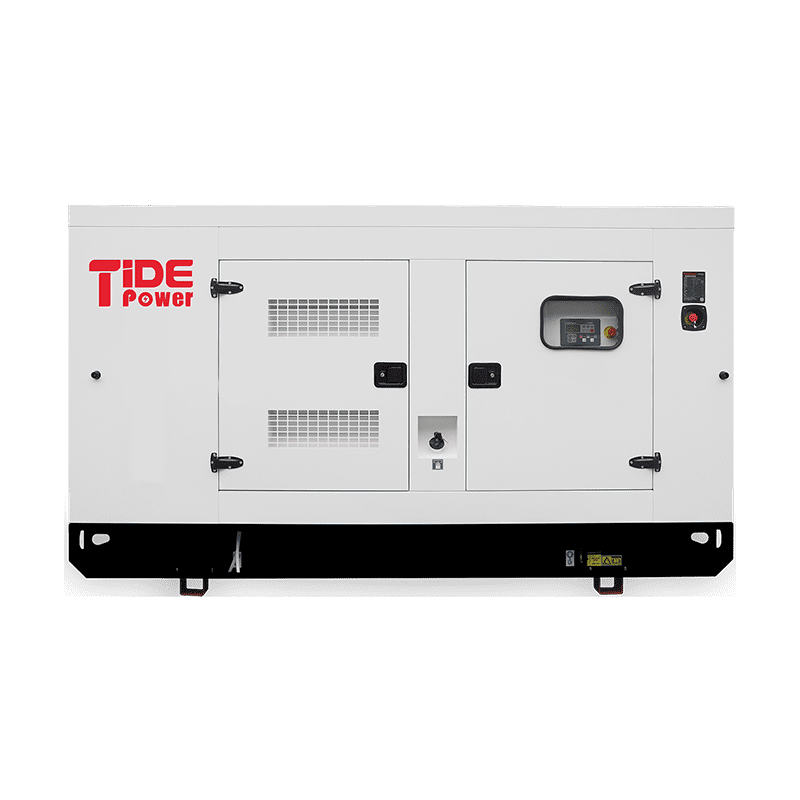
Enclosure design plays a larger role than many buyers anticipate. A generator that runs outdoors in coastal salt spray or abrasive desert sand needs more than a standard weatherproof canopy. Properly designed enclosures incorporate anti-corrosion treatments, positive-pressure ventilation to keep grit out of the alternator, and oversized cooling packages that account for thermal derating. These are not exotic upgrades; they are standard offerings from experienced manufacturers who understand industrial environments. Our team has supported installations where a competently specified enclosure extended the service life of the generator by years compared to comparable units with basic enclosures. If your site involves continuous exposure to airborne particulates or temperature swings exceeding 40°C, pre-specifying these features upfront will save far more than they cost.
If your program involves high-altitude or high-dust operations, confirming derating factors and filtration capabilities before finalizing your BOM is not a secondary concern. Reach out at [email protected] to discuss your site conditions and receive power output curves matched to your environment.
Global Service Networks and Total Cost of Ownership
The purchase price of an industrial diesel generator is the most visible figure, but the true cost emerges over 15 to 20 years of operation. Access to genuine spare parts, responsive technical support, and trained field engineers determines whether a generator becomes a profit center or a persistent headache. I have watched operations where low upfront pricing evaporated within two years because critical components like engine controllers or alternators sat on backorder with no local stock. In contrast, facilities working with manufacturers that maintain regional distribution centers and provide 24/7 remote troubleshooting consistently outperform their expected uptime targets.
Total cost of ownership (TCO) modeling for a 1MW diesel generator might show that fuel accounts for 70-75% of the lifetime cost, but that remainder—maintenance labor, consumables, major overhauls, and downtime penalties—is where smart procurement pays off. A manufacturer that offers extended service contracts, remote monitoring with predictive analytics, and a written guarantee on parts availability can shift major overhaul costs from emergency premiums to planned expenditures. Over the life of the equipment, preventive maintenance agreements often reduce unscheduled downtime by 30% or more compared to reactive repair models. That statistic comes from operational data I have tracked across multiple fleet deployments, and it holds true whether the generators power a hospital in Manila or a construction camp in western Australia.
The choice extends to documentation and training. Industrial operations frequently need compliance with ISO standards, local emission regulations, and insurance requirements. A supplier that provides detailed installation drawings, commissioning reports, and operator training as part of the delivery package removes hidden administrative costs that a bare-bones shipment would otherwise push onto your own engineering team. All these elements—parts, training, digital monitoring—constitute a service network, and a global energy partner with that network in place turns a one-time equipment purchase into a reliable energy supply.
Tailoring Generator Solutions to Your Industrial Needs
No two industrial sites have identical power profiles. A food processing plant may run steady baseload during the day and drop to lighting loads at night, while a mining operation cycles between high-demand periods for crushers and conveyors and idle periods for shift changes. Selecting a generator that operates efficiently across your actual load envelope requires a detailed hour-by-hour analysis of your electrical demand, not just a peak kilowatt number. Many customers over-specify to be safe and then wonder why wet-stacking and carbon buildup appear in lightly loaded engines. Getting the sizing right is a technical exercise that pays dividends in fuel savings and engine longevity.
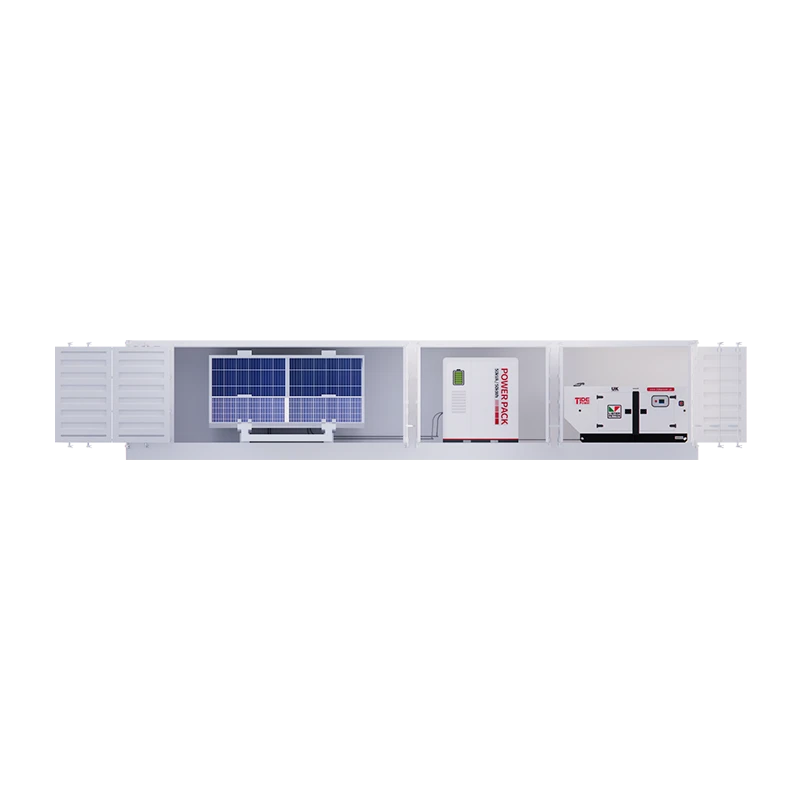
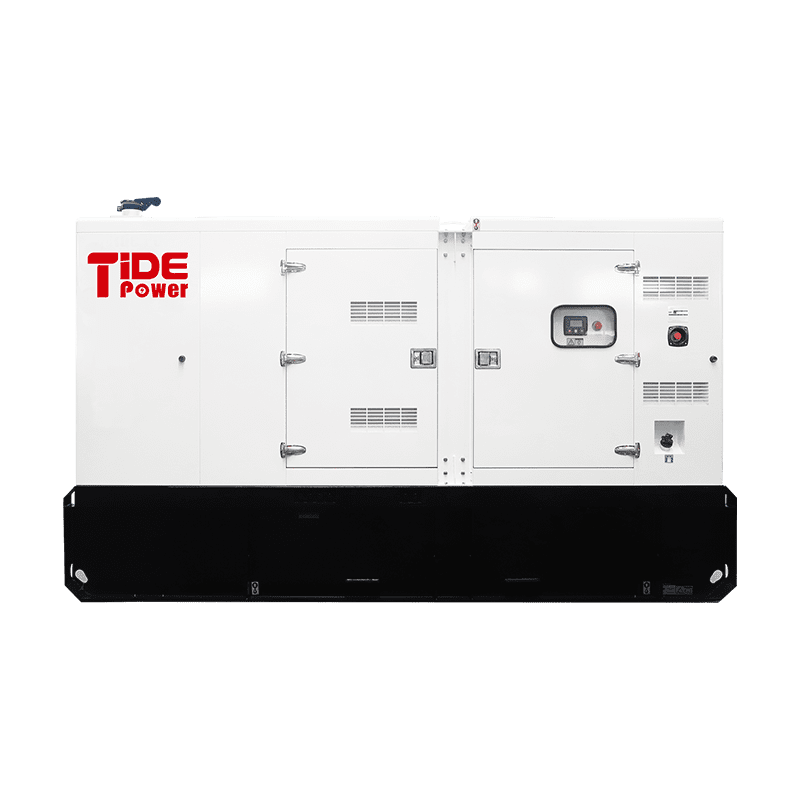
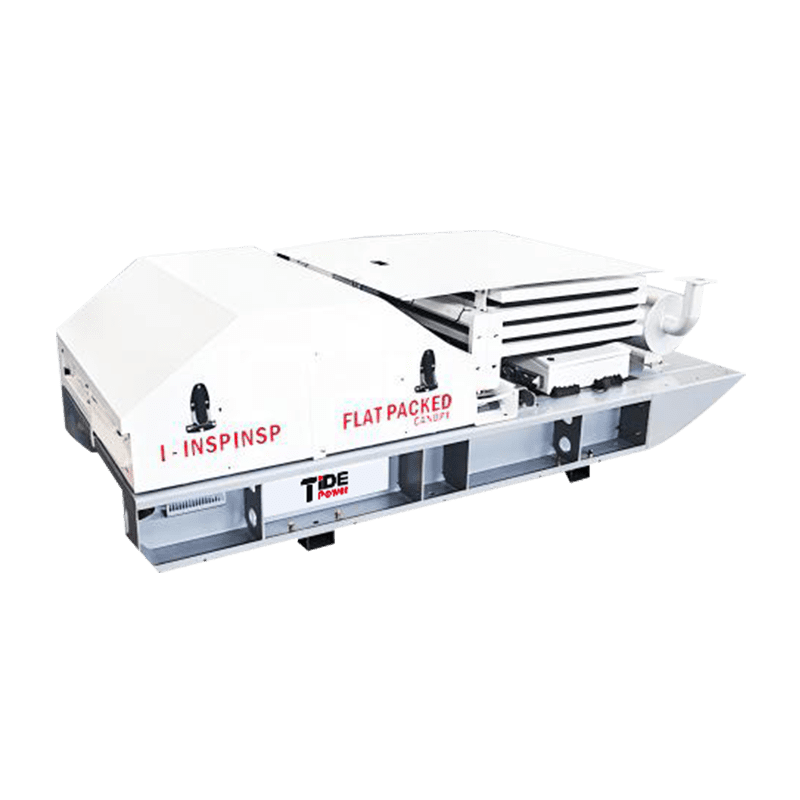
The physical form factor matters too. Containerized diesel generators are pre-wired and tested, ready to drop onto a concrete pad and connect, which can shorten commissioning from months to weeks. Open skid-mounted units offer lower cost for permanent indoor installations where noise and weather are not issues. For noise-sensitive environments like urban data centers or hospitals adjacent to residential zones, soundproof enclosures with attenuation ratings of 70 dBA at 7 meters are available and often required by local codes. Tide Power’s modular containerized solutions have been deployed in 20-foot and 40-foot configurations for projects ranging from island microgrids to emergency response power stations, and the standard plug-and-play design significantly reduces on-site construction risk.
Customization extends to controls and monitoring. Modern digital controllers enable remote start/stop, load management, and fault diagnostics accessible from a smartphone or a central SCADA system. When a generator in a remote pumping station flags an upcoming maintenance alert, the operations center can schedule a visit before a failure occurs. This level of integration was once reserved for utility-scale plants; today, it is available on a 50kW diesel genset, and it changes the equation from reactive repair to proactive asset management.
 | Operating Environment | Recommended Enclosure | Typical Power Range | Key Considerations |
|———————-|———————-|———————|——————-|
| Urban data center | Soundproof, indoor-rated | 500–2500 kW | Noise limits, ventilation |
| Remote construction | Containerized, weatherproof | 50–500 kW | Transportability, fuel storage |
| Mining (high dust) | Heavy-duty with positive pressure | 500–2000 kW | Air filtration, derating at altitude |
| Offshore/marine | Corrosion-resistant, marine certified | 100–1000 kW | Salt spray, vibration, certification |
| Hospital/emergency | Soundproof with auto-transfer | 200–2000 kW | NFPA 110 compliance, fast start |
Securing Reliable Power for Your Facility
If unpredictable outages or the complexity of remote site logistics have kept your team scrambling, a correctly specified diesel generator with the right service infrastructure solves more than the electrical equation. It provides certainty that downstream operations will run regardless of what happens upstream on the grid. The investment centers not just on the engine, but on the engineering support, the stocked spare parts in a nearby warehouse, and the local technicians who know the equipment. When those elements come together, the generator becomes invisible to your daily operation—and that kind of quiet reliability is the ultimate benefit.
Share your facility’s load profile and site conditions with our team at [email protected] or call +86 591 2806 8999, and we will outline a power solution matched to your operational demands and support requirements. The sooner the specifications are aligned, the sooner your facility operates independent of utility uncertainty.
Common Questions About Industrial Diesel Generators
How do diesel generators compare to natural gas for industrial use?
Diesel generators typically offer higher power density per dollar of capital investment and require no pipeline infrastructure, making them preferable for remote or temporary sites. Natural gas engines emit less particulate matter and can reduce fuel cost in areas with cheap gas, but they are sensitive to gas pressure stability and are less tolerant of load swings. For operations where reliability during grid failure is paramount, diesel’s on-site fuel storage provides an autonomy that gas cannot match unless a dedicated on-site gas supply is maintained. In hybrid configurations, both fuels can be used in sequence to balance cost and emissions.
What maintenance does an industrial diesel generator require?
Routine maintenance includes oil and filter changes every 500 to 1,000 operating hours, coolant level checks, fuel filter replacement, and periodic alternator inspection. The specific interval depends on engine speed, dust exposure, and fuel quality. Most industrial generators also require annual load bank testing to verify the engine can reach its rated output and to burn off carbon deposits from prolonged light-load operation. A structured maintenance contract that includes vibration analysis and oil sampling can catch developing issues before they cause downtime, extending engine life well past 20,000 hours.
Can diesel generators operate in extreme temperatures?
Yes, when properly specified. Cold-weather packages include block heaters, battery warmers, and low-viscosity oil to ensure reliable starting below -20°C. High-ambient packages, typically rated for 50°C or higher, incorporate oversized radiators, high-temperature hoses, and derated kW outputs to prevent overheating. The engine control module can automatically adjust fueling for altitude, and advanced air filters handle fine dust that would clog standard intake systems. I have witnessed units in the high Andes and in Middle Eastern desert camps run for years without a major failure, solely because the configuration was matched to the environment from day one.
What is the typical lifespan of a well-maintained diesel generator?
A well-maintained industrial diesel generator can deliver 20,000 to 40,000 operating hours between major engine overhauls, and some exceed 60,000 hours in standby applications where loads are consistent and maintenance is rigorous. The alternator typically lasts longer than the engine if kept clean and dry. Proper site preparation, including vibration isolation and adequate cooling airflow, contributes as much to longevity as the maintenance schedule itself.
How do I size a diesel generator for my facility?
Accurate sizing begins with a detailed electrical load study that captures running kW, starting kVA, and the sequence of motor loads to identify the highest instantaneous demand. Oversizing leads to wet-stacking and unnecessary fuel consumption; undersizing risks voltage drops and equipment damage. Most industrial facilities find that a professional load analysis, combined with a power management strategy for non-critical loads, results in a generator 20-30% more compact than a rough estimate would suggest. If you already have a load study, sharing it with a knowledgeable supplier can streamline the specification process. For a tailored review of your power requirements and a proposed generator specification, contact us at [email protected].
If you’re interested, check out these related articles:
Tide Power Empowers Central American Immigration Office with Cutting-Edge Soundproof Generator Sets
Light Up the Night, Sustainably: The Solar Hydraulic Lighting Tower Revolution
Tide Power Technical Training Conference in South East Asia
Building Smarter: Hybrid Energy for Construction Sites & Commercial Buildings