
 EN
EN ZH
ZH FR
FR ES
ES AR
ARThe light tower rental vs purchase decision extends well beyond comparing a monthly invoice to a capital expense. Most analyses weigh project duration against upfront cost, but they rarely account for how fast solar technology is changing the financial equation — or how cross-border logistics tilt the scale for global contractors. Drawing on over a decade of consulting across energy infrastructure projects, I have seen both paths deliver value and both paths silently drain budgets when the math stops at the surface. Whether you oversee a single construction site or a multinational equipment fleet, total lifecycle cost — not the sticker price or the rental rate — decides which move protects your margin. This article lays out a practical framework for the rent-or-buy call, built for real operational tradeoffs.
What Determines the Real Cost Difference Between Renting and Buying
The numbers that appear on a rental quote rarely reflect the full outlay, and the purchase price of a lighting tower is only the first line in a multi-year ledger. A structured comparison breaks the fog.
| Cost Factor | Rental Model | Purchase Model |
|---|---|---|
| Unit access | Monthly rate ($600–$1,200 depending on tower type and region) | One-time capital ($8,000–$15,000 for a mid-range diesel tower) |
| Fuel | Renter pays; diesel burn runs $2.50–$5.00 per hour at typical load | Operator pays same fuel cost |
| Maintenance and repairs | Covered by rental company | Owner responsibility; budget $500–$1,000 per year for a diesel unit |
| Transport and setup | Delivery and pickup charge per contract cycle | One-time delivery; subsequent moves at owner cost |
| Insurance | Usually bundled into rental rate | Separate inland marine or equipment policy needed |
| Technology refresh | Access newer models at contract renewal | New purchase required to upgrade |
In my experience advising project managers, the line items that catch teams off guard are minimum rental periods and early return penalties. A three-month project that wraps in two months can still incur the full term charge, plus a restocking fee. For a single diesel tower, those hidden clauses can add 20–30% to the expected bill. With purchase, the surprise factor swings the other way: unplanned engine service or a damaged mast assembly lands directly on the owner’s ledger. The real cost difference is not a fixed number but a function of contract discipline on one side and maintenance planning on the other.
Why Project Length and Frequency Decide the Rent vs Buy Equation
Time is the simplest variable, but it is also the one most often reduced to a gut feel. Pinning down the break-even point requires a spreadsheet, not a hunch.
For a diesel light tower costing $12,000 to purchase, a monthly rental rate of $800 reaches price parity at fifteen months — if fuel and maintenance are ignored. When both sides pay fuel, purchase gains an edge after approximately twelve to eighteen months once routine service costs are added to ownership. That math drives a clean rule of thumb: projects under six months, especially one-off jobs, almost always favor rental. Projects that stretch beyond a year, or repeat annually, usually favor purchase.
I once reviewed a roadbuilding contractor that had rented six diesel towers every construction season for three consecutive years. Total rental outlay exceeded $170,000 by the final season, against a purchase price that would have been under $90,000 for the same fleet — and the company owned nothing at the end. Seasonal work can trick even experienced operators into treating temporary as permanent. If your site calendar shows the same lighting demand year after year, the purchase path avoids compounding rental costs cycle after cycle.
Diesel vs Solar: How Light Tower Technology Is Reshaping the Financial Model
The single largest shift in the rent-or-buy calculus today is the maturation of solar-powered lighting towers. Diesel towers still dominate rental fleets because they are cheap to manufacture and easy to deploy anywhere. But solar towers with lithium battery storage now deliver silent, fuel-free illumination that dismantles the argument that “rent diesel and forget it” is always the low-risk choice.
| Specification | Diesel Light Tower | Solar Light Tower with Battery |
|---|---|---|
| Fuel cost per hour | $2.50–$5.00 | $0 (solar charged) |
| Maintenance interval | 250–500 engine hours | Annual battery health check |
| Noise level at 7 m | 65–70 dB | Silent |
| Run time per tank / charge | 60–100 hours | 8–12 hours on battery, recharges daily |
| Typical upfront cost | $8,000–$15,000 | $15,000–$25,000 |
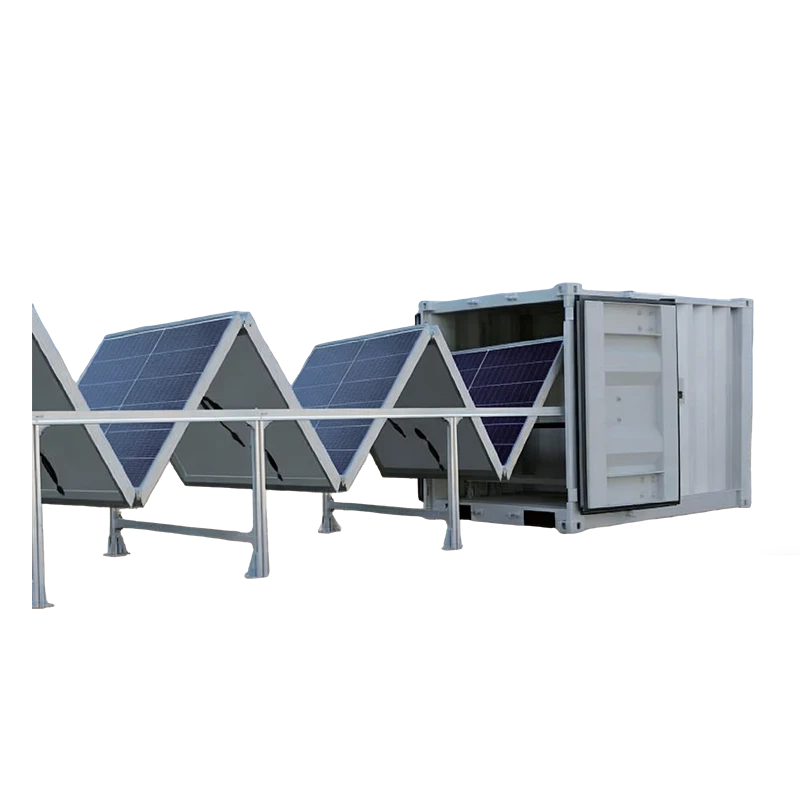
The higher capital cost of solar towers is real, but the fuel savings alone can close the gap in two to three years for projects with consistent nighttime operation. When you add the elimination of diesel delivery logistics, reduced noise complaints on urban sites, and compliance with tightening emissions rules, solar towers often generate a higher net value by the time a diesel unit would need its first major overhaul.
Tide Power’s solar hydraulic lighting towers, for example, pair photovoltaic panels with a battery bank and a hydraulic mast, delivering the same illumination coverage as a standard diesel tower without the ongoing fuel burn. For organizations that have already committed to ESG targets or that operate in regions with unstable diesel supply chains, the purchase of solar units can shift from an optional premium to a strategic hedge.
If your existing fleet mixes diesel and solar equipment, getting the ratio right affects both your running budget and your sustainability reporting — contact Tide Power at [email protected] to discuss a lighting fleet configuration that matches your actual duty cycles and site conditions.
Managing Light Towers Across Multiple Sites and Countries
When a single project spans three time zones or a contractor runs parallel jobs on different continents, the rent-or-buy decision flips from a cost-per-hour exercise into a logistics equation. I have worked with global infrastructure firms where the driving factor was not the unit price but the chaos of managing a different rental vendor in every country, each with its own contract language, maintenance standard, and availability window.
Purchasing a standardized fleet — one tower model, one engine platform, one spare parts list — reduces training overhead, cuts the inventory of consumables, and lets the in-house maintenance team build deep competence on a single system. Rental equipment, by contrast, defaults to whatever the local yard has on hand, which forces the site crew to adapt to varying controls, mast mechanisms, and fuel systems month after month.
For multinational operations, import duties and country-specific compliance requirements can erase the temporary advantage of renting locally. A purchased fleet that enters the country under a unified temporary importation arrangement or that is stationed in a bonded warehouse often carries fewer border-crossing surprises than a series of disjointed rental agreements. Tide Power’s modular lighting tower designs and global support infrastructure allow organizations to place the same proven tower across multiple project countries, simplifying the procurement and after-sales workflow.
A Practical Framework to Make the Final Rent or Buy Call
Real procurement decisions rarely fit a single template, but a consistent framework keeps the emotional appeal of ownership or the convenience of rental from overriding the numbers.
Start by mapping three project-specific inputs: total expected nighttime operating hours over the project lifespan, local diesel fuel cost per liter, and the maximum allowable noise level at the site boundary. If operating hours exceed 1,500 over the project and fuel cost is above $1.00 per liter, the financial needle often swings toward purchase, particularly for solar units. If the project runs less than 800 hours and you cannot guarantee the same lighting demand next year, rental remains the safer capital-allocation move.
Next, run a simple spreadsheet: multiply the monthly rental rate by the realistic contract length, then compare against the purchase price plus annual maintenance and a conservative resale value estimate at year three or five. The break-even for a typical diesel tower usually falls in the twelve-to-eighteen-month window. Solar towers stretch that window toward twenty-four months, but once past the break-even, every subsequent hour of operation builds cost advantage with zero fuel expense.
If the analysis leaves more than a 15% uncertainty in any direction, consider a trial rental period before committing to a fleet purchase, or negotiate a lease-to-own option that splits the risk. The right answer changes with fuel prices, technology, and project geography — but the discipline of running the numbers never gets old.
As energy costs fluctuate and project requirements evolve, the rent-or-buy decision for light towers is never truly final. A wrong call made three years ago can still be corrected, but every month spent on the wrong side of the equation drains margin that cannot be recovered. At Tide Power, we work with clients to replace guesswork with a clear financial model — mapping actual duty cycles, site conditions, and fuel logistics to a break-even analysis and a recommended fleet mix. Instead of relying on a generic calculator, you get a projection built on your data. Send your project scope, expected operating hours, and timeline to [email protected], or call +86 591 2806 8999, and we will prepare a customized rent-or-buy analysis at no charge.
Common Questions About Light Tower Procurement
What are typical rental rates for a light tower?
Rental pricing varies by region and season, but standard diesel light towers commonly range from $600 to $1,200 per month. Daily and weekly rates exist for short-term deployments. Before signing, confirm whether fuel, transport, and insurance sit inside the rate or outside — hidden exclusions routinely push the real cost 20–30% higher.
How long do light towers last before major repairs?
The assumption that light towers have short service lives is outdated. A well-maintained diesel unit can reliably run 10,000 engine hours or more, which translates to roughly five to seven years in moderate use. Solar towers have fewer wearing components and can exceed that timeline with proper battery management.
Can I rent a solar light tower, or are they mainly for purchase?
It depends on the rental market. In regions with aggressive renewable energy mandates, rental fleets increasingly stock solar models and hybrid units. In other markets, purchasing may be the only route to access fuel-free illumination. Check local inventories and ask whether battery capacity matches your required nightly runtime before committing.
Are used light towers worth considering for purchase?
In projects I have supported, purchasing a low-hour used tower from a reputable supplier has cut upfront cost by 30–40% while still meeting illumination targets, provided the maintenance logs and remaining engine life could be verified. If you go that route, insist on a full service history and factor in any immediate maintenance expense. When evaluating used versus new, share your target runtime and location at [email protected] — we can help you assess the true cost difference against a new unit.
If you’re interested, check out these related articles:
Light Up the Future with Tide Power Lighting Towers
Tide Power Shines at WETEX 2025 Dubai, Drawing Major Attention with Smart Hybrid Storage and Efficient Dewatering Solutions