 EN
EN ZH
ZH FR
FR ES
ES AR
ARSelecting a gas generator set for data center backup power involves more than comparing kilowatt ratings and fuel costs. Data center operators need a power solution that delivers reliability, emissions compliance, and a dependable fuel supply chain, all within a lifecycle that aligns with 24/7 critical operations. Drawing on years of experience in global energy infrastructure, this article examines the key factors that determine whether a gas generator set will perform when the grid fails, from technical specifications and OEM partnerships to fuel supply reliability and after-sales support.
The Advantages of Gas Generator Sets for Data Center Backup
When data centers evaluate backup power, natural gas generator sets offer distinct advantages over diesel. Lower particulate and NOx emissions help meet environmental regulations and sustainability targets, while the fuel supply is often more stable in cost and delivery because natural gas arrives via utility pipeline. There is no need for on-site diesel storage or regular fuel delivery coordination, which reduces complexity during extended outages.
In projects I have advised on across multiple continents, the decision to switch to gas generators frequently emerges from a desire to simplify fuel logistics and reduce environmental footprint without compromising reliability.  For a data center that must maintain 99.999% uptime, the ability to rely on a continuous gas supply through a dedicated utility connection can be a strategic differentiator.
Critical Technical Requirements for Data Center Gas Generators
Not all gas generator sets are built for demanding data center loads. Facility managers must examine ISO 8528-1 performance class, voltage and frequency regulation, and transient response. Data centers seeking Tier III or IV certification need generators that can parallel with the utility and accept full load within seconds. The generator controller must support automatic transfer switches and communicate with building management systems via protocols such as Modbus.
The choice between a reciprocating engine and a gas turbine depends on power capacity and physical footprint. The table below compares key attributes for data center applications.
| Feature | Reciprocating Gas Engine | Gas Turbine |
|---|---|---|
| Power Range | 500 kW to 4 MW | 1 MW to 50 MW+ |
| Start-Up Time | 10 to 30 seconds | 30 to 120 seconds |
| Load Response | Fast part-load acceptance | Slower, suited for base load |
| Emissions | Lower NOx with aftertreatment | Lower CO2 per kWh |
| Maintenance | Higher frequency, lower cost per event | Lower frequency, higher cost per event |
| Footprint | Larger for same output | Compact |
For most data centers, reciprocating gas engines in the 500 kW to 4 MW range deliver sufficient power with better part-load efficiency, while gas turbines remain an option for very large campuses where space is at a premium. Gas generator sets must also meet NFPA 110 requirements for emergency systems, including weekly exercising and reliable starting batteries. If the site is in a seismic zone, the base frame and mounting must be engineered for those dynamic loads.
If your data center site has unusual fuel supply pressures or voltage transients, it is worth confirming compatibility with the generator manufacturer’s engineering team early in the procurement process. Send your site specifications to [email protected] for a preliminary feasibility review.
Choosing a Gas Generator Manufacturer with Strong OEM Partnerships
The long-term performance of a data center gas generator set depends as much on the manufacturer’s support as on the engine. I have observed that facilities purchasing from an authorized OEM partner benefit from genuine parts access, software updates, and technical training, reducing operational risk. For example, Tide Power’s position as an authorized OEM partner of MWM means clients receive gas generator sets from 600 to 4500 kVA built with factory-trained engineering, global warranty coverage, and remote monitoring that enables predictive maintenance. 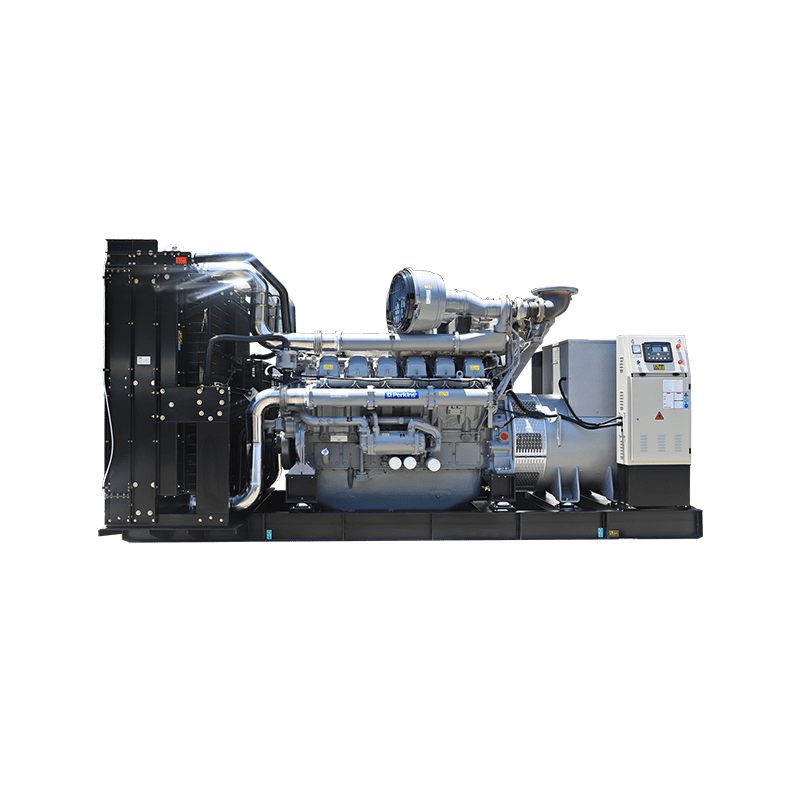
When evaluating a supplier, scrutinize the proximity of service centers to your data center locations, the availability of 24/7 field technicians, and the organization’s track record in supplying critical power systems to similar facilities. A supplier that also offers hybrid solutions, combining gas generation with battery storage, can help future-proof the investment as energy markets evolve.
Beyond the purchase, deployment and ongoing support are essential. Look for a manufacturer that provides commissioning assistance, load bank testing, and a clear after-sales service contract covering scheduled maintenance and emergency repairs. Gas generators require specialized knowledge for valve adjustments, ignition system checks, and emissions compliance verification. Having the OEM behind you reduces downtime risks significantly.
Fuel Supply Reliability: A Critical Factor for Data Centers
A gas generator set is only as reliable as its fuel supply. While natural gas pipelines are resilient, they are not immune to disruptions from earthquakes, flooding, or infrastructure failures. Data center operators should conduct a thorough fuel supply risk assessment, including an evaluation of whether the local gas utility can guarantee uninterrupted pressure during a regional outage. I often recommend that clients negotiate a firm transportation agreement with their gas supplier to secure priority delivery during peak demand. 
For facilities requiring the highest availability, a dual-fuel strategy can be prudent. Some gas generators can run on both natural gas and diesel, providing a fallback. Alternatively, a small on-site gas storage system, such as a propane tank farm or LNG storage, can serve as backup. The choice should be based on the facility’s Tier classification and the potential cost of downtime. Exploring biogas from landfills or wastewater treatment plants can also lower carbon footprint and operating costs if the data center is near a feedstock source.
Taking the Next Step in Your Gas Generator Project
Selecting and deploying a reliable gas generator set for a data center involves complex technical, logistical, and supply chain decisions that directly impact uptime. Tide Power’s global engineering team helps data center operators navigate these decisions with OEM-backed solutions and lifecycle support.
Take the first step by sending your project requirements to [email protected] or call +86 591 2806 8999 to discuss your backup power needs with a specialist. Our team can provide a site-specific feasibility assessment and help you specify a generator system that integrates with your existing infrastructure.
Common Questions About Gas Generator Sets for Data Centers
What is the difference between a gas generator set and a diesel generator for data centers?
Gas generators run on natural gas or biogas and produce lower emissions, while diesel generators are more fuel-dense and have faster load acceptance. For data centers with access to a reliable gas supply, gas generators can meet Tier III and IV requirements when properly sized and paralleled. They also eliminate the need for large on-site diesel storage tanks, which can pose environmental risks.
How do I determine the right size of gas generator for my data center?
Sizing begins by calculating the total connected load and demand factor, then adding margin for future growth. A qualified engineer should conduct a load analysis that accounts for IT loads, cooling, and auxiliary systems. I advise a minimum of 30% spare capacity above peak demand to accommodate transient loads and aging margins.
Can a gas generator set serve as a prime power source for a data center?
Yes, certain continuous-duty gas generator models can serve as prime power, but this requires careful engineering of the gas supply and the engine’s durability. Continuous operation increases maintenance frequency, so a robust service contract is essential. For most data centers, the primary role remains standby, but hybrid microgrids with gas generators and battery storage are becoming common for prime power in remote areas.
What emissions standards apply to data center gas generators?
Most jurisdictions require compliance with EPA Tier 4 or equivalent standards for stationary engines. Local air quality boards may impose stricter limits. Always verify with the manufacturer that the generator set carries the necessary certifications for the installation site. Tide Power’s MWM gas generators, for instance, are certified to meet EU and Chinese emission standards and can be adapted for other regional requirements.
What warranty and after-sales support should I expect for a data center gas generator?
Data center applications demand extended warranty coverage that includes priority field service and spare parts availability. Terms vary by manufacturer, but the critical issue is the OEM’s global network coverage. If your program involves multiple sites across countries, it is worth confirming the global reach of the service network before finalizing your equipment selection. Share your project locations and we can verify service capabilities for your specific sites.
If you’re interested, check out these related articles:
Happy Mother’s Day
TIDE POWER TP200BESS: Smarter Energy Storage for Industrial Generators
Hybrid Power Systems: Combining BESS with Diesel Generators for Maximum Efficiency
A resounding success at the Tide Power 2024 Annual Gala Dinner