 EN
EN ZH
ZH FR
FR ES
ES AR
ARDiesel generator brand comparison usually starts with engine spec sheets, but the real decision turns on something else entirely: the integrator who engineers the complete system. After ten years in global energy solutions, I’ve seen too many projects lose months to warranty disputes and site integration failures that had nothing to do with the engine nameplate. Choosing between Cummins, CAT, or MTU matters, but what truly determines long-term performance is how well the genset packager tailors the alternator, controls, and enclosure to your actual operating conditions. This article cuts through the engine-brand noise and focuses on the procurement criteria that engineers, project managers, and energy consultants need to evaluate before signing a contract.
The Engine Brand Is Only Part of the Decision
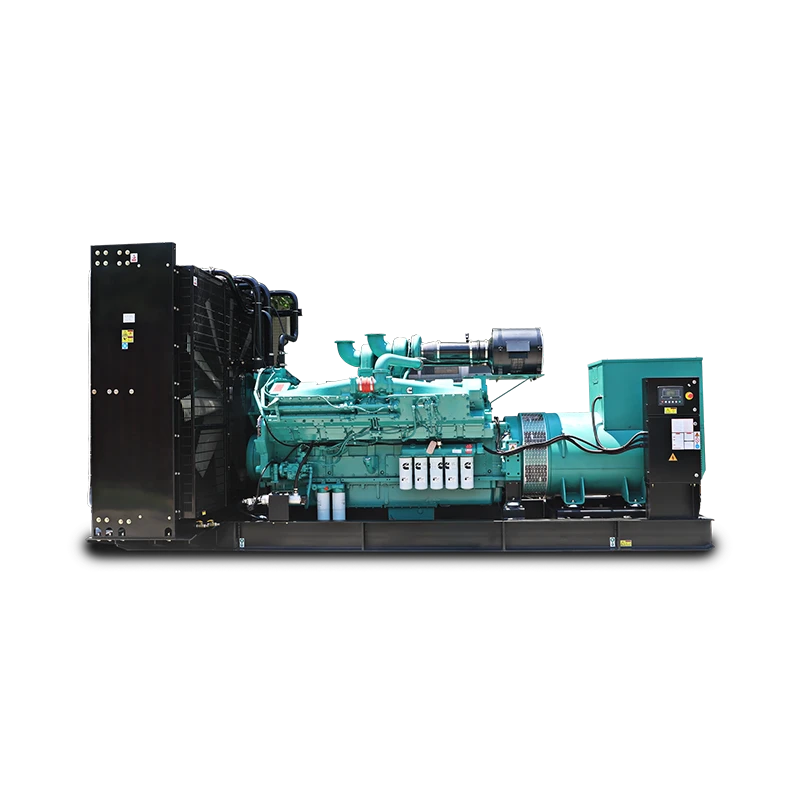
Cummins, CAT, and MTU each bring decades of engine development and a global installed base. A generator’s reliability, however, is built around more than the engine block. The alternator type, cooling system design, controller logic, and even the soundproof enclosure all influence how the set performs under site conditions. I have worked on energy infrastructure projects where a well-integrated package from a mid-tier engine outperformed a poorly configured unit carrying a premium nameplate, simply because the alternator match and voltage regulation were off. When procurement teams treat engine brand as the sole proxy for quality, they often miss the real failure points. A smart evaluation starts with the engine, then moves to the integrator’s track record in the exact application you need.
The Integrator Defines Generator Performance
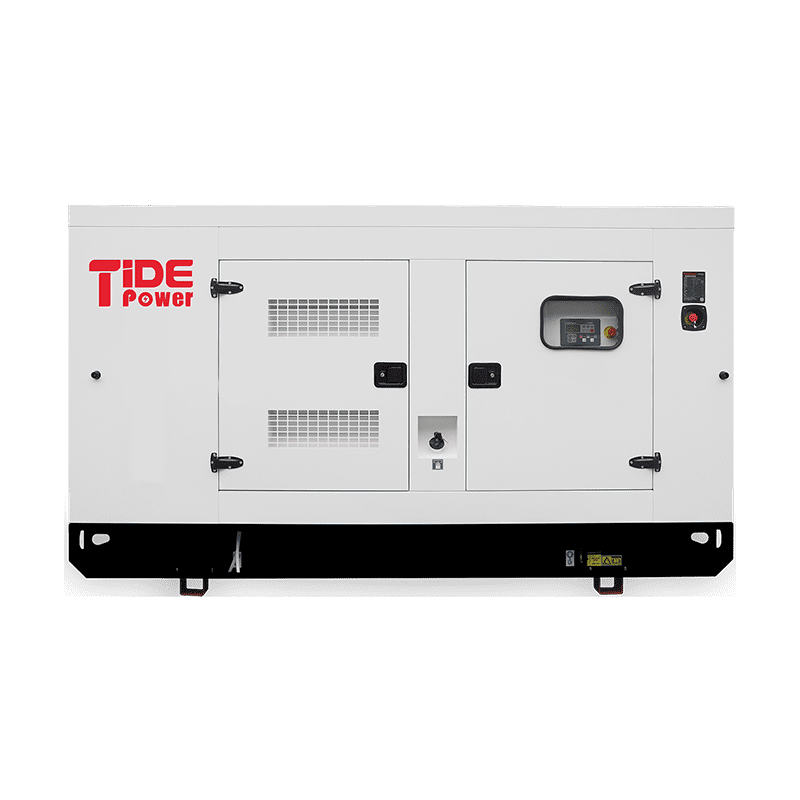
Engine manufacturers sell power units. It is the genset integrator that turns that unit into a turnkey power station: selecting the alternator, designing the base frame, integrating the control system, and certifying the finished assembly against regional standards. This layer of engineering is where field performance is won or lost.
What an Integrator Does That an Engine Label Doesn’t
The typical project cycles through alternator pairing, vibration analysis, thermal management, and full-load factory testing before the generator ever leaves the shop. An experienced packager will size the alternator for worst-case ambient conditions, not just nominal rating, and will validate the transient response with the actual AVR and governor combination. This is not a trivial stack-up of parts. I’ve reviewed installations where the engine was rated for 1500 kVA but the ventilation design choked airflow on site, cutting output by more than 10%. The engine was flawless. The integration was not.
Questions to Ask Your Genset Supplier
When shortlisting integrators, go beyond the catalogue and ask for factory test reports from recent projects, references for after-sales support in your region, and documentation on how they handle alternator-to-engine matching across different fuel qualities and altitudes. If your site has harsh environmental constraints, ask to see temperature derating calculations and enclosure ingress protection records.
Technical Strengths of Cummins, CAT, and MTU Engines
Each engine family has characteristics that suit different operating profiles. The table below summarises the broad ranges; the real differentiation shows up in how each engine behaves under part-load, cycling, and high-ambient conditions.
| Brand | Typical Power Range | Fuel Efficiency Trait | Emissions Capability | Common Applications |
|---|---|---|---|---|
| Cummins | 20–3500 kW | Good part-load economy; wide speed range | Tier 2/3/4, Stage V | Data centres, telecom, general industrial |
| CAT | 50–4000 kW | Solid full-load efficiency; robust torque | Tier 2/3/4 | Mining, oil & gas, heavy construction |
| MTU | 75–3500 kW | High power density; efficient at high speed | Tier 3/4, IMO Tier II/III | Marine, mission-critical backup, airports |
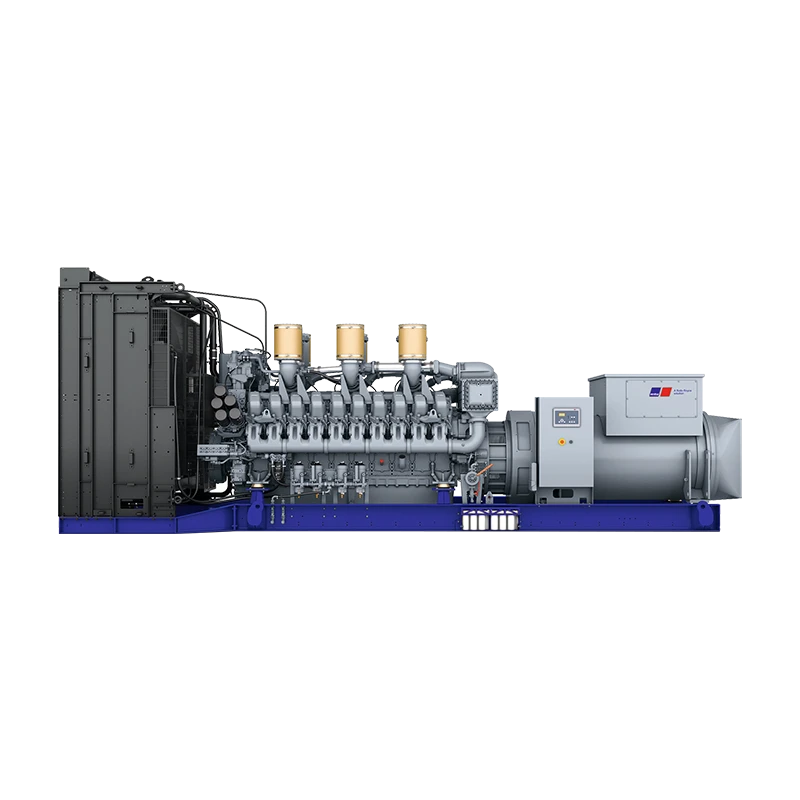
Cummins engines are often chosen for projects where a dense local service network reduces downtime. CAT engines appear frequently in applications that demand sustained overload capability. MTU’s high-speed engines deliver compact power, which is attractive when space and weight are constraints. The decision should follow the duty cycle, not brand loyalty.
Calculating Total Cost of Ownership
Capital cost gets the headlines, but fuel, preventive maintenance, and unplanned repairs dominate the numbers over a 15-year life. A rough rule of thumb from my project experience: the purchase price of the generator set typically represents 15–25% of total lifecycle cost when running more than 500 hours per year. The table illustrates the weighting for a 500 kW set operating 2,000 hours annually.
| Cost Category | Approximate Share | Influence of Integrator |
|---|---|---|
| Genset capital | 20% | Engine choice, package design |
| Fuel | 55% | Engine efficiency, load matching, control tuning |
| Preventive maintenance | 15% | Service intervals, parts pricing, local support |
| Unplanned repairs | 10% | Integration quality, factory testing, warranty |
Warranty terms and service contract coverage can shift these numbers visibly. Some integrators bundle on-site response guarantees; others rely on third-party distributors. When we design a custom genset for clients, we include remote monitoring and scheduled service planning to reduce unplanned outage exposure, because an unplanned failure during a monsoon or a peak production run costs far more than the maintenance contract.
Matching Generator Capability to Operational Needs
Standby vs Prime Power: Which Rating Do You Need?
A standby generator is designed for occasional outages and carries a lower continuous rating. A prime power set runs as the main source, often in off-grid or microgrid applications. Running a standby set in prime duty shortens engine life and voids warranty. I recommend buyers define their typical weekly load profile, not just the peak, before settling on a rating.
Integration with Hybrid and Microgrid Systems
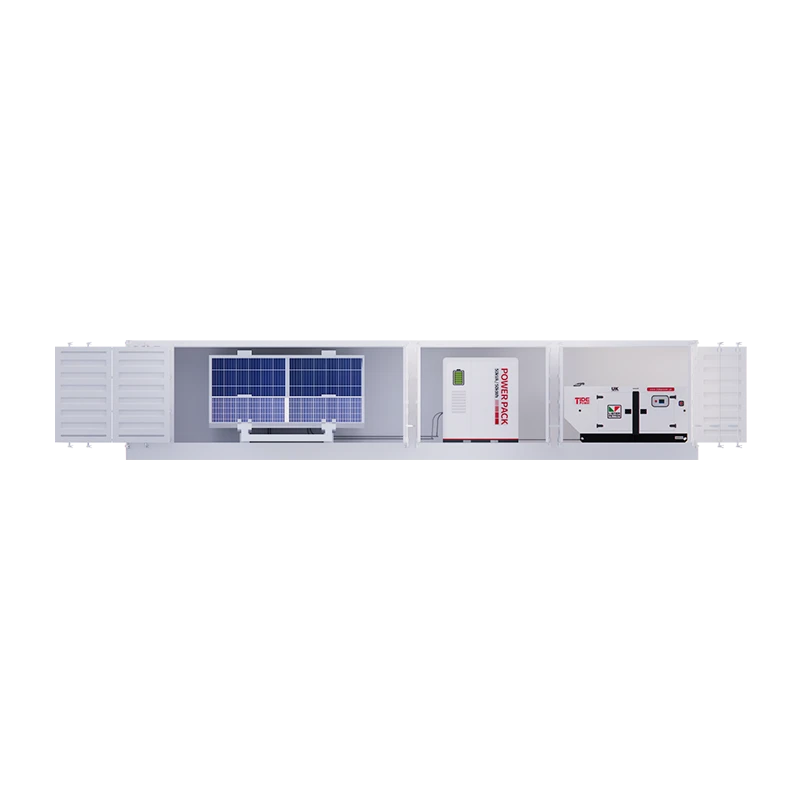
Diesel generators increasingly operate alongside battery energy storage and solar arrays. The control system needs to manage load sharing and seamless switching, often with millisecond response. Modern integrators can deliver pre-configured hybrid packages that cut fuel burn by allowing the diesel to run only when batteries are drained. This is especially valuable for remote telecom or mining sites where fuel logistics dominate operating cost.
Your Procurement Roadmap
Start by locking down your site parameters: total kVA required, maximum step load, ambient temperature range, altitude, emission regulations, and fuel storage capacity. Then shortlist engine platforms that fit that envelope. Interview integrators not on engine brand alone, but on documented project experience with your duty cycle and region. Finally, compare lifecycle costs, not just ex-works prices.
For projects that demand a generator solution backed by global engineering and logistics, Tide Power Technology builds custom gensets using Cummins, Perkins, and other leading engines, paired with matched alternators and control systems. Our teams work across multiple continents, providing factory testing, site commissioning, and long-term service plans. To start a technical evaluation tailored to your load list and site conditions, send your requirements to [email protected] or call +86 591 2806 8999.
Common Questions About Diesel Generator Brand Selection
Which diesel generator brand is most reliable?
All three manufacturers produce engines with millions of operating hours. In my experience, field reliability depends more on the integrator’s quality control, site installation practices, and maintenance discipline than on the engine pedigree alone. A well-maintained Cummins set will often outlast a neglected CAT unit, and vice versa.
How do I verify a generator integrator’s quality?
Ask to see factory acceptance test reports for similar power nodes, check ISO and CE certifications, and request references from clients running the same engine family you plan to use. A credible integrator will also provide a complete documentation pack, including wiring diagrams, derating curves, and compliance certifications.
Can I use a Cummins engine with a different brand alternator?
Yes, and this is standard practice. Most integrators pair engines from multiple manufacturers with alternators from Leroy Somer, Stamford, or others based on project requirements. The key is that the integrator validates the mechanical and electrical compatibility under full load and fault conditions.
What is the typical lead time for a custom generator set?
Lead times for a fully configured genset usually fall between 8 and 16 weeks, depending on engine availability, enclosure complexity, and factory testing scope. Expedited schedules are possible but often increase cost and reduce testing margins.
How important is emissions compliance for my project?
Emissions compliance is often the first step in permitting, especially in North America, Europe, and urbanised Asia. You will need Tier 4 or Stage V certification for many stationary applications. Before ordering, confirm that your integrator can supply the engine’s emission certificate and any additional after-treatment documentation your local authority requires.
If you’re interested, check out these related articles:
Sustainable Power Made Simple with TIDE POWER TP200BESS
Power on Demand: Reliable and Cost-Effective Diesel Generator & Dewatering Pump Solutions for Construction and Municipal Projects
Unlocking Energy Independence & Savings: Tide Power’s Scalable BESS Solutions for C&I Applications