 EN
EN ZH
ZH FR
FR ES
ES AR
ARWhen a hurricane makes landfall or an earthquake knocks out the grid, an emergency generator for natural disasters must do more than start. It must run continuously for days, power critical infrastructure, and withstand harsh conditions. Choosing the right generator set is a strategic decision that impacts lives, property, and recovery timelines. This article examines the specifications, features, and supplier qualifications that define a reliable emergency power solution tailored for disaster-prone regions.
Sizing Your Emergency Generator for Disaster Resilience
Sizing a generator correctly prevents overload during an emergency. List all critical equipment: emergency lighting, medical devices, water pumps, telecom servers. Apply a diversity factor of 70–80% to avoid oversized units. For commercial buildings, a 100–250kVA generator often covers the most important circuits. Larger facilities may need parallel sets.
What size generator do I need for natural disasters?
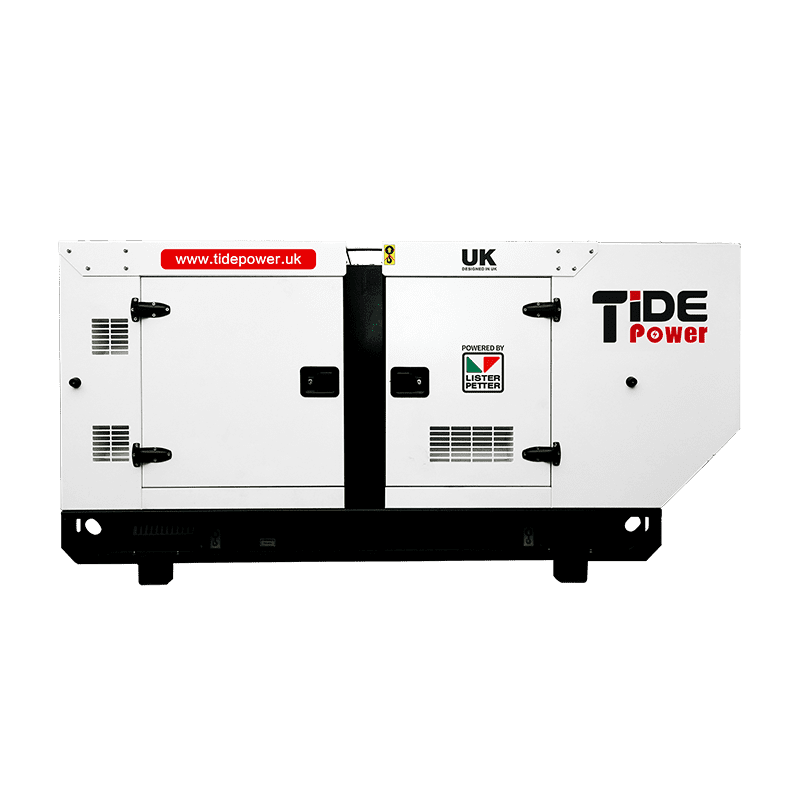
Calculate total running watts plus the highest starting watt. Add a 20% margin. For a small clinic, 30kVA may be enough; a hospital with surgical suites could require 500kVA or more. Tide Power’s range spans 5–900kVA for precise matching.
How to prioritize circuits during an outage
An automatic transfer switch routes power only to designated critical circuits, preventing generator overload. Smart load panels enable remote reprioritization, keeping life safety systems online even during extended outages.
Why Silent Diesel Generators Are a Reliable Choice for Emergency Power
Diesel engines deliver long runtime and fuel efficiency. Silent enclosures reduce noise below 75 dBA, critical for urban installations during disaster recovery. Diesel’s lower fire risk compared to gasoline is a decisive safety advantage when emergency services are stretched thin. Generator sets like the Hemera Series meet CE and ISO standards for hospitals and data center applications.
How long can a diesel generator run continuously?
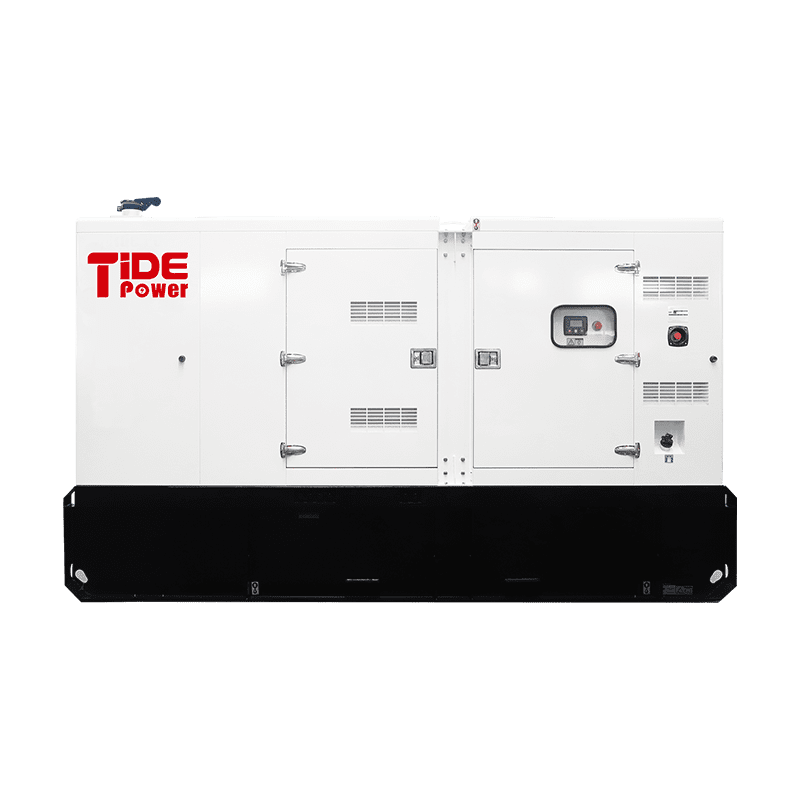
Runtime depends on fuel tank capacity. An Econic Series with a super large tank can exceed 24 hours at 75% load without refueling. For multi-day outages, plan for an external fuel supply.
Critical Product Features for Disaster-Prone Environments
In hurricane or flood zones, generator design must prioritize weather resistance. Durable steel enclosures with vertical ventilation, oversized internal fuel tanks, and remote monitoring are non-negotiable. The Econic Series features these attributes, including an external fueling inlet for safe refueling in storms.
Below is a comparison of three silent diesel generator series suited for disaster response:
| Series | Power Range | Engine Brands | Key Disaster-Relevant Features | Certifications |
|---|---|---|---|---|
| Fenova Plus | 5–900 kVA | Lister Petter | High-protection canopy, low noise, parallel capability | CE, ISO |
| Hemera | 5–650 kVA | DCEC / Perkins / SME | Low emissions, soundproof, simple transport, hospital grade standby | CE, ISO |
| Econic | 16–1650 kVA | Cummins / Perkins / DEUTZ / Baudouin / Tide Power | Super large fuel tank, vertical ventilation, external fuel inlet, forklift sockets | CE, ISO |
Is a portable generator enough for whole-house backup during a hurricane?
No. Portables lack the output and runtime for central air, well pumps, or medical equipment. For extended outages, a permanently installed diesel generator with an automatic transfer switch becomes the dependable standard.
What features suit a generator for flood zones?
Vertical airflow, elevated air intakes, and sealed panels keep water out. Look for corrosion-resistant coatings and marine-grade alternators near coastal areas.
Before finalizing your generator specification, confirm that the enclosure rating and fuel autonomy match your regional extreme weather history. Contact [email protected] to discuss your specific risk profile.
Fast Deployment and Global Logistics for Disaster Relief
We have seen that pre-positioning containerized diesel generators at regional hubs enables delivery within 48 hours to affected zones. Modular CKD platforms, such as the I Series, reduce shipping volume and import delays, speeding up on-site assembly. Tide Power’s international distributor network and deep export experience across 80+ countries ensure replacement parts and technical support reach the site quickly when time matters most.
Selecting a Reliable Supplier for Emergency Generator Procurement
Beyond specifications, the supplier’s quality certifications, global support network, and disaster-response track record matter. A manufacturer that holds ISO 9001, 14001, and 45001, and maintains OEM partnerships with engine leaders like Cummins, Perkins, and DEUTZ, gives procurement teams confidence in consistent product quality. I always recommend requesting reference cases for recent disaster-response projects to validate real-world performance before committing.
What certifications are required for an emergency generator?
CE marking, ISO 9001, 14001, and 45001 form the baseline. For integrated fuel tanks, AS1940/AS1692 confirms safe design. Verify that certifications are current and externally audited.
Building a Resilient Power Strategy with Tide Power
Disaster preparedness is more than a generator purchase; it requires a complete power continuity plan. Tide Power works with organizations to assess risk profiles, customize generator configurations, and establish supply-chain readiness. Our engineering team helps you define critical loads, fuel storage strategies, and maintenance protocols that keep your facility operational when the grid goes down.
If your organization is reviewing its disaster preparedness plan, we invite you to share your critical load profile and deployment requirements. Contact us at [email protected] or call +86 591 2806 8999 to discuss a generator solution engineered for the specific threats your facilities face.
Common Questions About Emergency Generators for Disaster Response
Can a single generator power an entire hospital?
Yes, a single high-capacity generator can power a hospital if correctly sized and backed by parallel redundancy. Essential loads, including operating theatres and ICU, typically require a minimum of 500kVA, often split across two or more gensets. Parallel operation across multiple units enables clean power for sensitive medical equipment.
Many assume a generator on high ground is safe; what’s the real risk?
Even a few inches of water entering the air intake can cause catastrophic engine failure. Protection comes from vertical ventilation systems and sealed enclosures. Generators designed for flood zones, like the Econic Series, use upward airflow and elevated air intakes that keep water out even when the surrounding area is submerged.
Is it better to buy or rent an emergency generator for seasonal storms?
It depends on your risk profile. If storms are predictable for a few months, renting may lower upfront cost. However, for year-round severe weather or critical infrastructure, purchasing a permanent unit with a full service contract offers greater reliability and faster response.
What post-flood maintenance is required for standby generators?
In our work supporting clients in the Caribbean, we observed that quarterly preventive maintenance nearly eliminates storm-related downtime. After a flood, drain and replace engine oil and fuel filters, inspect electrical connections for corrosion, and test the automatic transfer switch. Establish a service agreement with a local certified technician before disaster season starts.
Rather than asking if a generator will start, what should we focus on?
The real question is runtime autonomy and thermal endurance. A generator that runs for two hours and fails due to overheating or fuel starvation is just as dangerous as having no backup. We match fuel tank capacity, cooling system design, and load profile to achieve uninterrupted operation for the expected outage duration. If your disaster plan calls for multi-day runtime, reach out at [email protected] with your load details, and we will recommend a fuel system configuration that meets your autonomy target.
If you’re interested, check out these related articles:
Generator Maintenance for Extreme Environments: Combating Heavy Sand and Dust
Tide Power ERP Platform Successfully Launched, Ushering in a New Era of Intelligent Management