 AR
AR EN
EN ZH
ZH FR
FR ES
ESتخزين الطاقة لمحطات قواعد الاتصالات يُختصر غالبًا في عملية شراء البطاريات. لكن المشغلين الذين نعمل معهم تعلموا أن التعامل مع التخزين بشكل مستقل — دون النظر إلى مجموعة المولدات، أو الإمكانات الشمسية، أو احتياجات السعة المستقبلية للموقع — يؤدي إلى مكونات غير متوافقة وتكاليف تشغيل أعلى. في شركة تايد باور، نرى أن تخزين الطاقة هو الرابط الرئيسي لنظام طاقة هجين موثوق وأقل تكلفة. تغطي هذه الدليل التقنيات الأساسية، ومبادئ التكامل، وممارسات النشر التي تساعد شبكات الاتصالات حول العالم على تقليل استهلاك الديزل وتحسين وقت التشغيل للموقع.
الاعتراف بالحاجة إلى تخزين الطاقة في مواقع الاتصالات
بالنسبة للعديد من مشغلي الاتصالات، خاصة أولئك الذين يديرون محطات قواعد بعيدة أو ريفية، فإن موثوقية الطاقة تمثل تحديًا دائمًا. الانقطاعات في الشبكة شائعة، وحتى عندما تتوفر الشبكة، فإن تقلبات الجهد يمكن أن تتلف المعدات الحساسة. تقليديًا، كانت المولدات الديزل هي النسق الأساسي للنسخ الاحتياطي، لكنها تجلب لوجستيات وقود عالية، وصيانة متكررة، وضوضاء تتزايد تنظيمًا.
أنظمة تخزين الطاقة — خاصة القائمة على البطاريات — تعوض هذه المشكلات. فهي توفر احتياطيًا فوريًا أثناء الانقطاعات القصيرة، وتقلل من عدد مرات تشغيل المولد، وتخفض استهلاك الوقود، وتقلل من تآكل المحرك. على مدى العقد الماضي، لاحظنا تحولًا واضحًا بين المشغلين نحو إضافة التخزين إلى مواقعهم، ليس لإلغاء المولدات تمامًا، بل لإنشاء نظام هجين أكثر مرونة وأقل تكلفة.
ما الذي يدفع الحاجة إلى تخزين الطاقة في محطات القاعدة؟
يجب أن تعمل محطات قواعد الاتصالات على مدار الساعة، وحتى بضع دقائق من التوقف يمكن أن تعطل الآلاف من الاتصالات. يملأ تخزين الطاقة الفجوة بين لحظة فشل طاقة الشبكة وبدء تشغيل المولد — فجوة لا يمكن لمولد الديزل وحده تغطيتها. في المواقع غير المرتبطة بالشبكة، يمكن أن يقلل الجمع بين التخزين والطاقة الشمسية والديزل بشكل كبير من وقت تشغيل الديزل. من خلال خبرتنا، فإن المواقع التي تحتوي على تخزين بطارية تتعرض لانقطاعات خدمة أقل وتكاليف تشغيل أقل مقارنة بالمواقع التي تعتمد فقط على المولدات.
مقارنة تقنيات البطاريات لمحطات قواعد الاتصالات
لسنوات، كانت بطاريات VRLA هي المعيار للنسخ الاحتياطي في الاتصالات، وتُقدر لتكلفتها المنخفضة مقدمًا. لكن بطاريات فوسفات الحديد الليثيوم (LiFePO4) غيرت المعادلة. مع عمر دورة يصل إلى عشرة أضعاف، وكثافة طاقة أعلى، وتحمل التفريغ العميق، أصبحت بطاريات الليثيوم تهيمن على عمليات النشر الجديدة. فيما يلي مقارنة استنادًا إلى بيانات منتجاتنا وملاحظات الميدان:
| المعلمة | VRLA (بطارية الرصاص الحمضية) | LiFePO4 (ليثيوم) |
|---|---|---|
| عمر الدورة | 300–500 دورة | >6,000 دورة |
| عمق التفريغ (DoD) | موصى به 50% | حتى 90% |
| كثافة الطاقة (واط ساعة/كجم) | 30–50 | 90–120 |
| درجة حرارة التشغيل | 0°C إلى 40°C (عمر منخفض) | -20°C إلى 60°C |
| الوزن (للسعة نفسها) | أثقل | 50–70% أخف وزناً |
| الصيانة | فحوصات منتظمة مطلوبة | مراقبة بسيطة عن بعد |
| التكلفة التقريبية لكل كيلوواط ساعة (على مدى العمر) | تكلفة مقدمة أقل، إجمالي أعلى | تكلفة مقدمة أعلى، عمر افتراضي أقل |
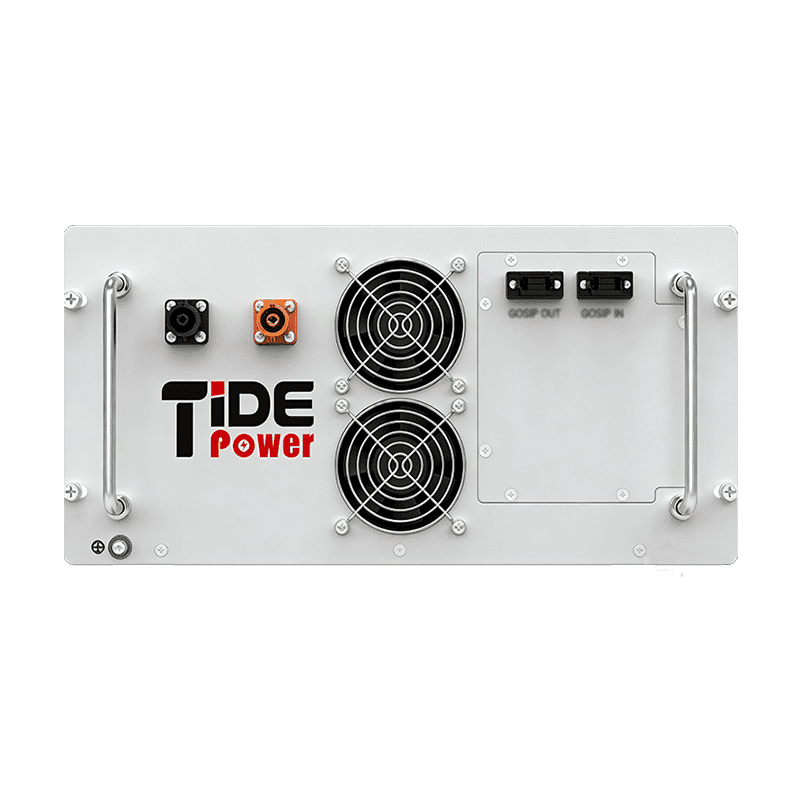
بطاريات الليثيوم، مثل وحدة Tide Power بسعة 16.1 كيلوواط ساعة من نوع LFP، توفر أكثر من عشرة أضعاف عمر الدورة لبطاريات VRLA وتسمح بتفريغ أعمق، مما يعني أنك بحاجة إلى رفوف بطاريات أقل لنفس السعة القابلة للاستخدام. بالنسبة لمشغل اتصالات يخطط لعمر موقع 10 سنوات، يمكن أن تفوق تقليل تكاليف الصيانة والاستبدال للبطاريات الليثيوم على الاستثمار الأولي الأعلى خلال ثلاث إلى خمس سنوات.
كيف تختلف بطاريات الليثيوم وVRLA لمشغل الاتصالات؟
الفرق الأساسي يكمن في عمر الدورة وعمق التفريغ. يجب أن تُحفظ بطاريات VRLA عند تفريغ سطحي لإطالة العمر، لذلك عادةً تحتاج إلى تكبير حجم البنك. يمكن تفريغ بطاريات الليثيوم حتى 90% بشكل منتظم دون تلف، لذلك فإن السعة القابلة للاستخدام الفعلية أعلى بكثير لنفس سعة الكيلوواط ساعة المصنفة. هذا يقلل مباشرة من المساحة والوزن على موقع البرج، وهو عامل حاسم للمواقع المزدحمة أو التثبيت على الأسطح.
كم تدوم بطاريات الاتصالات عادةً؟
عادةً ما تدوم بطاريات VRLA في خدمة الاتصالات من ثلاث إلى خمس سنوات تحت ظروف جيدة؛ في المناخات الحارة، يمكن أن ينخفض ذلك إلى أقل من عامين. بالمقابل، يتم ضمان بطاريات الليثيوم لمدة عشر سنوات أو أكثر ويمكن أن تتجاوز 6000 دورة عند الاحتفاظ بالسعة بنسبة 80%. عند تقييم ادعاءات البائعين، نوصي المشغلين بطلب بيانات عمر الدورة عند درجة حرارة التشغيل النموذجية للموقع، لأن الأداء يتدهور في درجات الحرارة القصوى.
دمج التخزين مع المولدات الديزل
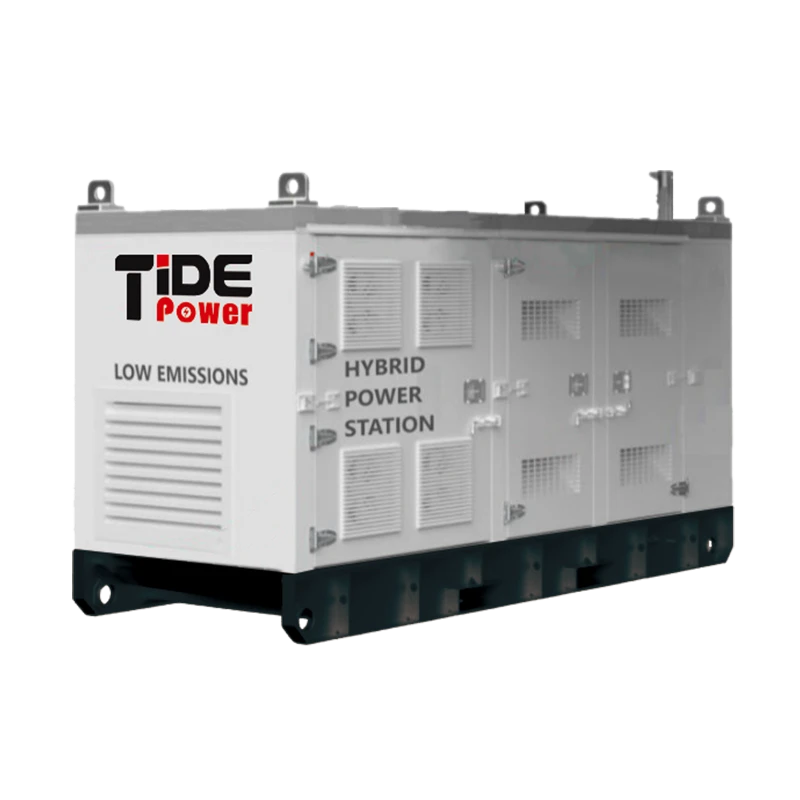
القيمة الحقيقية لتخزين الطاقة لمشغل الاتصالات ليست في استبدال المولدات—بل في جعلها تعمل أقل. يستخدم نظام هجين مصمم جيدًا البطارية لفترات الانقطاع القصيرة وتنعيم الأحمال، بينما يعمل المولد كشبكة أمان طويلة الأمد. هنا تتفوق أنظمة Tide Power الهجينة: فهي تدمج الطاقة الشمسية والتخزين والديزل في شبكة ذكية ومتجانسة واحدة.
يقوم متحكم النظام بالتبديل بين مصادر الطاقة في أجزاء من الثانية، مما يضمن إمدادًا غير منقطع للطاقة لحمل الاتصالات. في العديد من عمليات نشر العملاء لدينا، قلل هذا النهج المتكامل من ساعات تشغيل الديزل بأكثر من 50%، مما أدى مباشرة إلى خفض تكاليف الوقود وإطالة فترات خدمة المولدات.
هل يمكن لتخزين الطاقة أن يحل محل مولدات الديزل بالكامل؟
بالنسبة لمحطات القاعدة ذات الاتصال الموثوق بالشبكة وفترات انقطاع قصيرة، يمكن لنظام بطارية بحجم كافٍ تلبية احتياجات النسخ الاحتياطي دون الحاجة إلى مولد. ومع ذلك، بالنسبة للمواقع خارج الشبكة أو ذات الشبكات غير الموثوقة للغاية، يظل المولد ضروريًا للانقطاعات الطويلة. تتمتع البطاريات بسعة محدودة وأوقات إعادة شحن، لذا فإن الحل الأكثر قوة هو نظام هجين حيث يتعامل التخزين مع الدورة اليومية ويعمل المولد كنسخ احتياطي طويل الأمد. لا نوصي بإزالة المولد تمامًا إلا إذا أكد تدقيق طاقة صارم للموقع أنه آمن للقيام بذلك.
إذا كانت بيئة التشغيل الخاصة بك تتضمن انقطاعات قصيرة ومتكررة في الشبكة، أو كنت تخطط لطرح واسع النطاق عبر مناطق مناخية متعددة، فإن التحقق من أن نظام التخزين الخاص بك يمكنه التواصل مع وحدات تحكم المولدات الحالية لديك في مرحلة مبكرة من التخطيط يمكن أن يوفر إعادة عمل كبيرة لاحقًا. يمكن لفريقنا المساعدة في تقييم التوافق هذا؛ تواصل معنا على [email protected].
كيف يعمل نظام الطاقة الهجين للاتصالات؟
يتكون نظام طاقة الاتصالات الهجين عادةً من بنك بطاريات، ومصفوفة شمسية (إذا كانت في الموقع)، ومولد ديزل، وكلها مُدارة بواسطة وحدة تحكم ذكية. خلال النهار، تقوم الألواح الشمسية بشحن البطاريات وتشغيل الحمل؛ ويتم تخزين الطاقة الشمسية الزائدة. في الليل أو خلال فترات انخفاض الطاقة الشمسية، توفر البطاريات الحمل حتى يتم الوصول إلى عمق تفريغ محدد مسبقًا، وعند هذه النقطة يبدأ المتحكم تشغيل المولد. يعمل المولد عند حمل أمثل لشحن البطاريات وتشغيل الموقع في وقت واحد، ثم يتوقف بمجرد وصول البطاريات إلى حالة شحن محددة، مما يقلل من وقت التشغيل. تتكرر هذه الدورة، مما يزيد من كفاءة الوقود مع الحفاظ على طاقة غير منقطعة.
التنقل في متطلبات النشر والموقع
لا يقتصر نشر تخزين الطاقة في موقع اتصالات على مجرد وضع خزانة بطارية بجوار البرج. تؤثر العوامل الخاصة بالموقع مثل درجات الحرارة القصوى والغبار والرطوبة وقيود المساحة بشكل كبير على اختيار النظام وطول عمره.
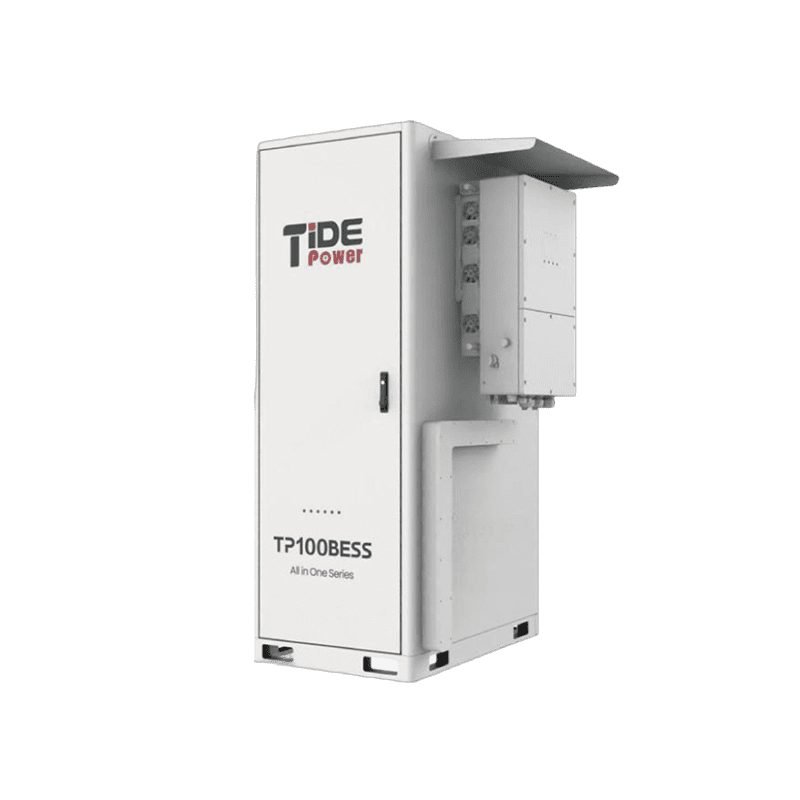
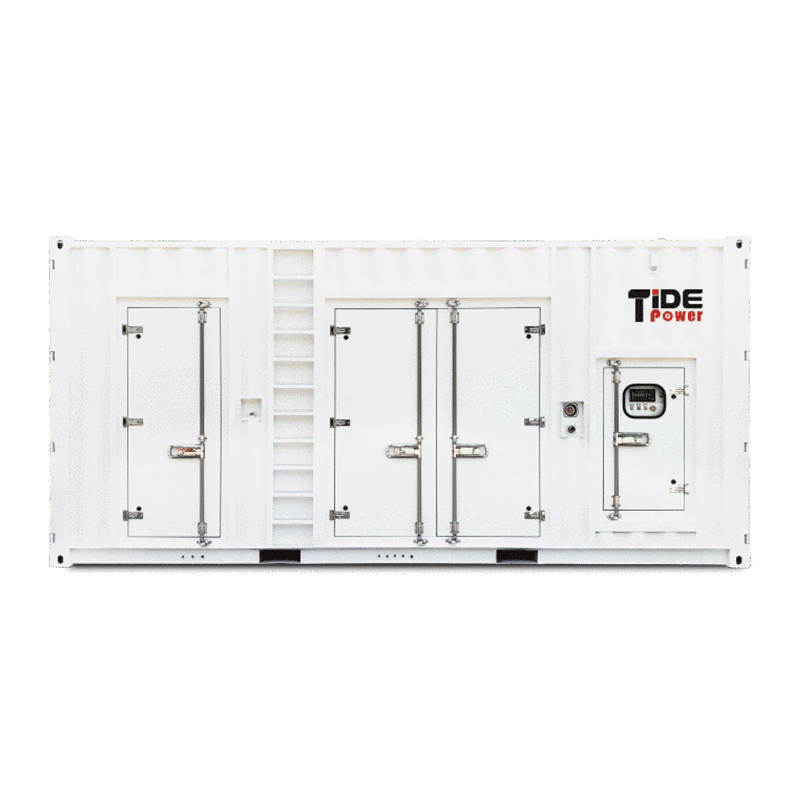
بالنسبة للتركيبات الخارجية، توفر حلول BESS المعبأة في حاويات حماية قوية وسهولة في النقل. TP-200BESS من Tide Power هو نظام تخزين ليثيوم معبأ في حاويات مُوصل مسبقًا وتم اختباره، وجاهز للنشر السريع. يتضمن تبريدًا نشطًا، وإخمادًا للحريق، وواجهات مراقبة عن بُعد، مما يعالج العديد من التحديات التي تنشأ في المواقع النائية.
ما هي متطلبات الموقع الرئيسية لـ BESS الخارجي؟
يجب أن يتحمل تخزين الطاقة الخارجي المناخ المحلي دون تدهور في الأداء. تشمل المتطلبات الرئيسية: غلاف بتصنيف IP55 أو أعلى لمنع دخول الغبار والماء، وإدارة حرارية نشطة للحفاظ على البطاريات ضمن 0-40 درجة مئوية (يفضل 20-30 درجة مئوية لعمر الليثيوم الأمثل)، وأمان مادي ضد السرقة والتخريب، واتصال عن بُعد موثوق لمراقبة حالة الشحن والصحة والإنذارات. عمليًا، ننصح المشغلين بتخصيص قاعدة خرسانية أو منصة مقواة مع تصريف مناسب والتأكد من إمكانية الوصول إلى الموقع للصيانة الدورية، على الرغم من أن أنظمة الليثيوم تحتاج إلى اهتمام أقل من المولدات.
كيف يتم تحديد حجم تخزين الطاقة لموقع اتصالات؟
يبدأ تحديد الحجم بملف تعريف حمل مفصل: متوسط واستهلاك الطاقة الأقصى لمعدات الاتصالات، ومدة النسخ الاحتياطي المطلوبة، ومورد الطاقة الشمسية للموقع إذا كان نظام هجين مخططًا. القاعدة العامة هي تحديد حجم البطارية لمدة أربع إلى ثماني ساعات على الأقل من الاستقلالية عند متوسط الحمل، مع القدرة على التوسع لاحقًا. ومع ذلك، نوصي بشدة بإجراء تدقيق طاقة خاص بالموقع يلتقط اختلافات الحمل الموسمية وخصائص المولد الحالي. يؤدي الحجم الزائد إلى تكلفة غير ضرورية؛ ويؤدي الحجم الناقص إلى مخاطر تفريغ عميق متكرر يقصر عمر البطارية. بالنسبة لحمل مستمر نموذجي بقوة 2 كيلو واط مع نسخ احتياطي لمدة 8 ساعات، فإن بنك بطارية قابل للاستخدام بسعة 16-20 كيلو واط في الساعة هو نقطة انطلاق واقعية.
تقييم الموردين وإدارة التكلفة الإجمالية للملكية
يعد اختيار مورد تخزين طاقة يفهم بيئة الاتصالات أمرًا بالغ الأهمية. لقد رأينا العديد من المشاريع حيث يتم الحصول على البطاريات من بائع واحد، والمولدات من بائع آخر، وتتسبب فجوات التكامل في مكالمات خدمة لا نهاية لها. لهذا السبب توفر Tide Power نظامًا بيئيًا كاملاً: بطاريات، ومجموعات مولدات، ووحدات تحكم هجينة، ودعم عالمي لما بعد البيع - كل ذلك من شريك واحد.
تجلب شركة Tide Power Technology، بصفتها شريكًا معتمدًا من الشركة المصنعة للمعدات الأصلية (OEM) لـ MWM وعلامات تجارية أخرى للمحركات، أكثر من 15 عامًا من الخبرة في تصميم وتوريد مجموعات المولدات وأنظمة البطاريات للأسواق الدولية. تمتد محفظة BESS لدينا من وحدات بحجم 5 كيلو واط في الساعة على نطاق سكني إلى أنظمة معبأة في حاويات بحجم 200 كيلو واط في الساعة، وكلها مبنية حول كيمياء LFP من أجل السلامة وطول العمر.
ما الذي يجب أن تبحث عنه في مورد تخزين الطاقة؟
ابحث عن مورد يقدم تفكيرًا على مستوى النظام بدلاً من مجرد بيع أجهزة البطاريات. يجب أن يوفر الشريك المثالي الدعم الفني الدعم خلال مرحلة مسح الموقع، ويوصي بحجم البطارية بناءً على بيانات الحمل الفعلية، ويضمن أن نظام التخزين يمكنه التكامل مع وحدات تحكم المولدات الحالية لديك. تعد إمكانية المراقبة عن بُعد ضرورية لشبكات الاتصالات التي تضم عشرات أو مئات المواقع. اسأل عن الضمان المصطلحات التي تغطي عمر الدورة، وليس فقط السنوات التقويمية، والاستفسار عن عملية استكشاف الأخطاء وإصلاحها عن بُعد من قبل المورد.
كم تبلغ تكلفة تخزين الطاقة للاتصالات؟
تختلف التكاليف بشكل كبير حسب السعة والكيمياء والتكوين. بالنسبة لأنظمة LiFePO4، يمكن أن يتراوح التكلفة المثبتة لكل كيلوواط ساعة قابلة للاستخدام من $400 إلى $800، اعتمادًا على الحجم ومتطلبات العلبة. على الرغم من أن هذا أعلى من VRLA، إلا أن التكلفة الإجمالية للملكية على مدى فترة 10 سنوات غالبًا ما تكون أقل بسبب تقليل استبدال، وصيانة، وتوفير الوقود عند دمجها مع مولد. نشجع المشغلين على نمذجة التكلفة الإجمالية للملكية على مدى عمر الموقع المخطط بدلاً من التركيز فقط على رأس المال المقدم.
تقليل الاعتماد على الديزل في مواقع الاتصالات الخاصة بك
يبدأ تقليل الاعتماد على الديزل في مواقع الاتصالات بنظام تخزين طاقة متوافق جيدًا. في شركة Tide Power، تم تصميم حلولنا الهجينة وBESS لتتكامل مع البنية التحتية الحالية، وتُراقب عن بُعد، وتدعمها خدمة دعم عالمية. لمناقشة متطلبات موقعك المحددة والحصول على عرض مخصص،, اتصل بنا على البريد الإلكتروني [email protected] أو الاتصال على +86 591 2806 8999.
أسئلة شائعة حول تخزين طاقة الاتصالات
ما هو العمر الافتراضي النموذجي لبطاريات الليثيوم في تطبيقات الاتصالات؟
تستمر بطاريات فوسفات الحديد الليثيوم في خدمة الاتصالات عادةً من 10 إلى 15 سنة، وغالبًا ما تتجاوز تصنيفات الدورة الخاصة بالمصنعين عند إدارتها بشكل صحيح. العوامل مثل تكرار الدورة ودرجة الحرارة المحيطة ستؤثر على ذلك الرقم، ولكن مع وحدة تحكم ذكية تحسن ملفات الشحن، نرى أن عمليات النشر في العالم الحقيقي تتجاوز 6,000 دورة مع الاحتفاظ بأكثر من 80٪ من السعة.
هل يمكنني تحديث تخزين الطاقة لمحطة قاعدة موجودة مع مولد ديزل؟
إضافة التخزين إلى موقع يعمل هو أحد الطلبات الأكثر شيوعًا التي نتلقاها. النهج النموذجي هو إضافة بنك بطاريات مع عاكس هجين متوافق ومتحكم يتواصل مع لوحة التشغيل التلقائي للمولد الحالي. نظرًا لأن بطاريات الليثيوم مدمجة، فهي غالبًا ما تتناسب مع مأوى موجود أو خزانة خارجية جديدة بدون أعمال مدنية كبيرة، مما يجعل الترقية بسيطة بشكل مدهش لمعظم المواقع.
ما هو الصيانة التي يتطلبها نظام تخزين طاقة البطارية؟
هناك اعتقاد خاطئ شائع بأن تخزين البطارية يتطلب صيانة كثيفة. في الواقع، أنظمة الليثيوم تكاد تكون خالية من الصيانة، مع فحوصات بصرية دورية، وفحوصات الكابلات، وتنبيهات المراقبة عن بُعد تغطي الغالبية العظمى من الصيانة. لا توجد تغييرات زيت، ولا فلاتر وقود، ولا بطاريات بدء بحاجة إلى استبدال. نوصي بفحص مهني نصف سنوي لنظام الطاقة الكامل — بما في ذلك العواكس والمتحكمات — خاصة في البيئات القاسية، ولكنها مهمة بسيطة مقارنة بصيانة المولد.
كيف تؤثر درجة الحرارة والمناخ على أداء البطارية في المواقع البعيدة؟
درجة الحرارة هي العامل الخارجي الأبرز في عمر البطارية. تؤدي بطاريات الليثيوم إلى أداء أفضل بين 20°C و30°C. التشغيل فوق 40°C يسرع فقدان السعة، والشحن تحت 0°C قد يسبب ضررًا دائمًا إلا إذا تضمن نظام إدارة البطارية حماية من درجات الحرارة المنخفضة. بالنسبة للمواقع الصحراوية أو القطبية، نحدد إدارة حرارية نشطة — سخانات ومكيفات هواء أو، في الحالات القصوى، تبريد سائل — للحفاظ على البطارية ضمن نافذتها الآمنة. الطاقة الإضافية لإدارة الحرارة صغيرة بالنسبة لسعة البطارية، ولكن يجب أخذها في الاعتبار عند تحديد الحجم.
كيف يمكنني تحديد السعة التخزينية المناسبة لشبكة أبراج الاتصال الخاصة بي؟
لتحديد حجم التخزين عبر شبكة، تحتاج إلى تحليل على مستوى النظام، وليس تخمينًا لكل برج. نوصي بتجميع المواقع حسب موثوقية الشبكة، وموارد الطاقة الشمسية، وأنماط الأحمال، ثم توحيد أبعاد نظام تخزين الطاقة لتسهيل قطع الغيار والصيانة. بالنسبة للمشغلين الذين يخططون لإطلاق تدريجي، فإن بدءًا بموقع تجريبي يثبت منهجية التحديد قبل التوسع. للحصول على خطة سعة مفصلة مصممة خصيصًا لشبكتك، شارك بيانات موقعك مع Tide Power على البريد الإلكتروني [email protected] أو الاتصال على +86 591 2806 8999.
إذا كنت مهتمًا، اطلع على هذه المقالات ذات الصلة:
?السلسلة الجديدة P: خيار موثوق وفعال من حيث التكلفة
تطلق تايد باور مضخات الصرف الصحي من سلسلة B ذات الشفط الجاف: بدون تجهيز مسبق، بدون انسدادات، بدون توقف عن العمل
كيف تحل المولدات الصناعية وأنظمة الطاقة الهجينة تحديات الطاقة الصيفية