 EN
EN ZH
ZH FR
FR ES
ES AR
AREnergy storage for telecom base stations is frequently reduced to a battery shopping exercise. But the operators we work with have learned that approaching storage in isolation—without considering the generator set, the solar potential, or the site’s future capacity needs—leads to mismatched components and higher operating costs. At Tide Power, we see energy storage as the linchpin of a reliable, lower-cost hybrid power system. This guide covers the core technologies, integration principles, and deployment practices that are helping telecom networks worldwide cut diesel consumption and improve site uptime.
Recognizing the Need for Energy Storage at Telecom Sites
For many telecom operators, particularly those managing remote or rural base stations, power reliability is a constant challenge. Grid outages are common, and even where grid is available, voltage fluctuations can damage sensitive equipment. Traditionally, diesel generators have served as the primary backup, but they bring high fuel logistics, frequent maintenance, and noise that is increasingly regulated.
Energy storage systems—especially battery-based—buffer these issues. They provide instantaneous backup during brief outages, slashing the number of generator starts, cutting fuel consumption, and reducing engine wear. Over the past decade, we have observed a clear shift among operators toward adding storage to their sites, not to eliminate generators entirely, but to create a more resilient, lower-cost hybrid setup.
What drives the need for energy storage at base stations?
Telecom base stations must operate 24/7, and even a few minutes of downtime can disrupt thousands of connections. Energy storage fills the gap between the moment grid power fails and the generator starts—a gap that a diesel gen alone cannot cover. In off-grid sites, combining storage with solar and diesel can significantly reduce diesel runtime. In our experience, sites with battery storage experience fewer service interruptions and lower operational expenditures compared to generator-only sites.
Comparing Battery Technologies for Telecom Base Stations
For years, VRLA batteries were the standard for telecom backup, valued for their low upfront cost. But lithium iron phosphate (LiFePO4) has changed the equation. With ten times the cycle life, higher energy density, and tolerance for deep discharge, lithium batteries now dominate new deployments. Below is a comparison based on our own product data and field observations:
| Parameter | VRLA (Lead-Acid) | LiFePO4 (Lithium) |
|---|---|---|
| Cycle life | 300–500 cycles | >6,000 cycles |
| Depth of discharge (DoD) | 50% recommended | Up to 90% |
| Energy density (Wh/kg) | 30–50 | 90–120 |
| Operating temperature | 0°C to 40°C (reduced life) | -20°C to 60°C |
| Weight (for same capacity) | Heavier | 50–70% lighter |
| Maintenance | Regular checks required | Minimal, remote monitoring |
| Approx. cost per kWh (over lifetime) | Lower upfront, higher total | Higher upfront, lower lifetime |
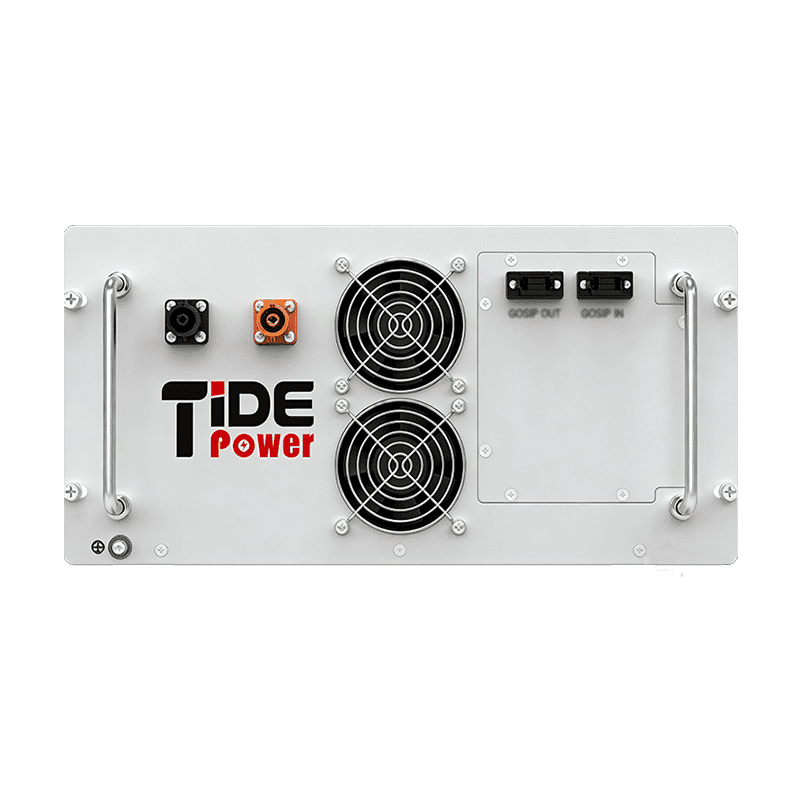
Lithium batteries, such as Tide Power’s 16.1 kWh LFP module, deliver more than ten times the cycle life of VRLA and allow deeper discharge, meaning you need fewer battery racks for the same usable capacity. For a telecom operator planning a 10-year site lifecycle, the reduced maintenance and replacement costs of lithium can outweigh the higher initial investment within three to five years.
How do lithium and VRLA batteries differ for telecom?
The core difference lies in cycle life and depth of discharge. VRLA batteries must be kept at a shallow discharge to prolong life, so you typically need to oversize the bank. Lithium batteries can be discharged up to 90% regularly without degradation, so the actual usable capacity is much higher for the same rated kWh. This directly reduces the space and weight footprint on a tower site, a critical factor for crowded or rooftop installations.
How long do telecom batteries typically last?
VRLA batteries in telecom service generally last three to five years under good conditions; in hot climates, that can drop to less than two years. Lithium batteries, by contrast, are warrantied for ten years or more and can exceed 6,000 cycles at 80% capacity retention. When evaluating vendor claims, we recommend operators request cycle life data at the site’s typical operating temperature, because performance degrades in extreme heat.
Integrating Storage with Diesel Generators
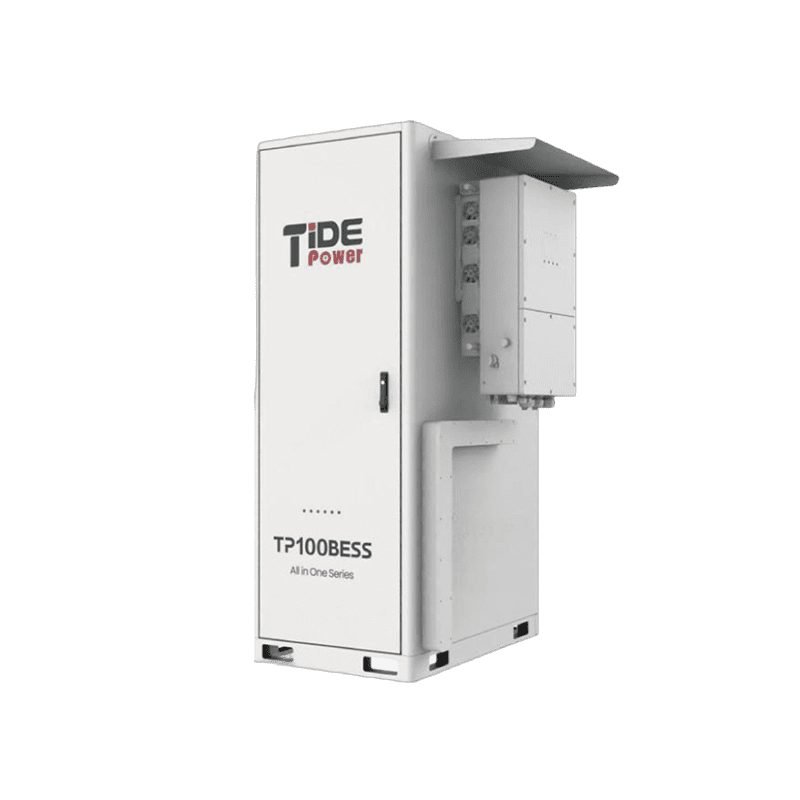
The real value of energy storage for telecom isn’t in replacing generators—it’s in making them run less. A well designed hybrid system uses the battery for short outages and load smoothing, while the generator acts as a long-duration safety net. This is where Tide Power’s hybrid power systems excel: they integrate solar, storage, and diesel into one seamless, intelligent microgrid.
The system’s controller switches between power sources in milliseconds, ensuring uninterrupted power to the telecom load. In many of our customer deployments, this integrated approach has cut diesel run-hours by more than 50%, directly lowering fuel costs and extending generator service intervals.
Can energy storage replace diesel generators completely?
For base stations with reliable grid connections and short outage durations, a sufficiently sized battery system can handle backup needs without a generator. However, for off-grid or highly unreliable grid sites, a generator remains essential for extended outages. Batteries have finite capacity and recharge times, so the most robust solution is a hybrid system where storage handles daily cycling and the generator serves as a long-duration backup. We do not recommend eliminating the generator entirely unless a rigorous site energy audit confirms it is safe to do so.
If your operational environment involves frequent but short grid outages, or you are planning a large-scale rollout across multiple climate zones, verifying that your storage system can communicate with your existing generator controllers early in the planning phase can save significant rework later. Our team can help with that compatibility assessment; reach out at [email protected].
How does a hybrid energy system work for telecom?
A hybrid telecom power system typically consists of a battery bank, solar array (if on-site), and a diesel generator, all managed by an intelligent controller. During the day, solar panels charge the batteries and power the load; excess solar is stored. At night or during low solar periods, batteries supply the load until a preset depth of discharge is reached, at which point the controller starts the generator. The generator runs at optimal load to charge the batteries and power the site simultaneously, then shuts off once the batteries reach a set state of charge, minimizing run time. This cycle repeats, maximizing fuel efficiency while maintaining uninterrupted power.
Navigating Deployment and Site Requirements
Deploying energy storage at a telecom site is not simply placing a battery cabinet next to the tower. Site-specific factors like temperature extremes, dust, humidity, and space constraints heavily influence system selection and longevity.
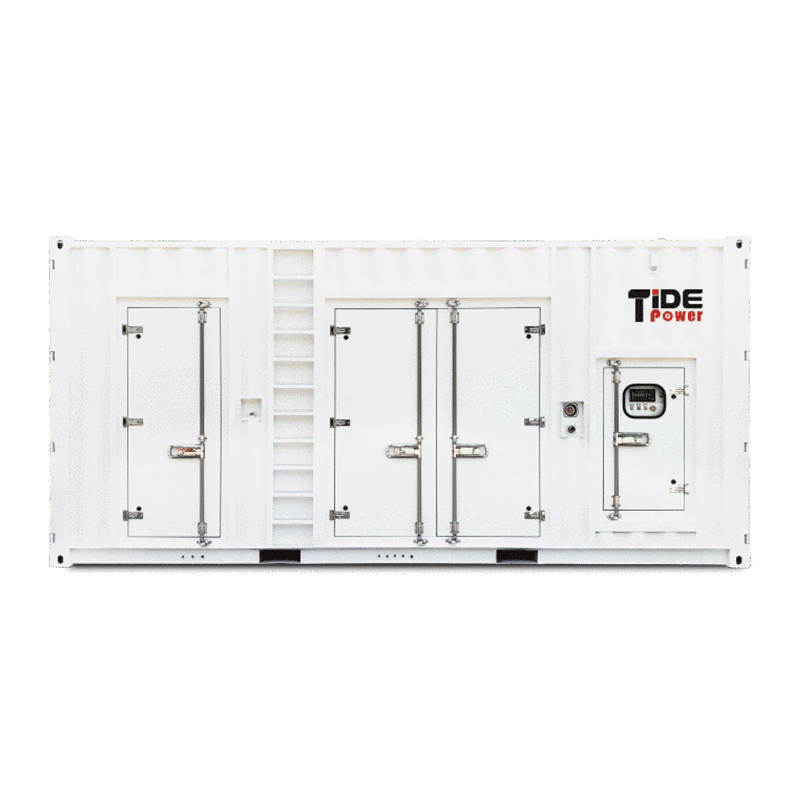
For outdoor installations, containerized BESS solutions offer robust protection and ease of transport. Tide Power’s TP-200BESS is a containerized lithium storage system pre-wired and tested, ready for rapid deployment. It includes active cooling, fire suppression, and remote monitoring interfaces, addressing many of the challenges that arise in remote sites.
What are the key site requirements for outdoor BESS?
Outdoor energy storage must withstand the local climate without performance degradation. Key requirements include: an enclosure with IP55 or higher rating for dust and water ingress, active thermal management to keep batteries within 0–40°C (ideally 20–30°C for optimal lithium life), physical security against theft and vandalism, and reliable remote connectivity for monitoring state of charge, health, and alarms. In practice, we advise operators to allocate a concrete pad or reinforced platform with adequate drainage and to ensure that the site can be accessed for periodic maintenance, even though lithium systems need less attention than generators.
How do you size energy storage for a telecom site?
Sizing begins with a detailed load profile: average and peak power consumption of the telecom equipment, required backup duration, and the site’s solar resource if a hybrid system is planned. A general rule of thumb is to size the battery for at least four to eight hours of autonomy at average load, with the ability to expand later. However, we strongly recommend a site-specific energy audit that captures seasonal load variations and the existing generator’s characteristics. Oversizing leads to unnecessary cost; undersizing risks frequent deep discharges that shorten battery life. For a typical 2 kW continuous load with 8-hour backup, a 16–20 kWh usable battery bank is a realistic starting point.
Evaluating Suppliers and Managing Total Cost of Ownership
Choosing an energy storage supplier that understands the telecom environment is critical. We’ve seen too many projects where batteries are sourced from one vendor, generators from another, and the integration gaps cause endless service calls. That’s why Tide Power provides a full ecosystem: batteries, generator sets, hybrid controllers, and global after-sales support—all from one partner.
Tide Power Technology, as an authorized OEM partner of MWM and other engine brands, brings over 15 years of experience in designing and supplying generator sets and battery systems for international markets. Our BESS portfolio spans from 5 kWh residential-scale modules to 200 kWh containerized systems, all built around LFP chemistry for safety and longevity.
What should you look for in an energy storage supplier?
Look for a supplier that offers system-level thinking rather than just selling battery hardware. The ideal partner should provide technical support during the site survey phase, recommend battery sizing based on actual load data, and ensure that the storage system can integrate with your existing generator controllers. Remote monitoring capability is essential for telecom networks with dozens or hundreds of sites. Ask about warranty terms that cover cycle life, not just calendar years, and inquire about the supplier’s remote troubleshooting process.
How much does energy storage for telecom cost?
Costs vary widely by capacity, chemistry, and configuration. For LiFePO4 systems, the installed cost per usable kWh can range from $400 to $800, depending on scale and enclosure requirements. While this is higher than VRLA, the total cost of ownership over a 10-year period is often lower because of reduced replacement, maintenance, and fuel savings when integrated with a generator. We encourage operators to model TCO over the planned site lifetime rather than focusing solely on upfront capital.
Reducing Diesel Dependency at Your Telecom Sites
Reducing reliance on diesel at telecom sites starts with a well matched energy storage system. At Tide Power, our hybrid and BESS solutions are engineered to integrate with existing infrastructure, monitored remotely, and backed by global service support. To discuss your specific site requirements and receive a tailored proposal, contact us at [email protected] or call +86 591 2806 8999.
Common Questions About Telecom Energy Storage
What is the typical lifespan of lithium batteries in telecom applications?
Lithium iron phosphate batteries in telecom service routinely last 10 to 15 years, often exceeding manufacturers’ cycle ratings when properly managed. Factors like cycling frequency and ambient temperature will shift that number, but with a smart controller that optimizes charge profiles, we see real-world deployments surpassing 6,000 cycles while still retaining over 80% capacity.
Can I retrofit energy storage to an existing base station with a diesel generator?
Retrofitting storage to a running site is one of the most common requests we field. The typical approach adds a battery bank with a compatible hybrid inverter and a controller that talks to the existing generator’s auto-start panel. Because lithium batteries are compact, they often fit into an existing shelter or a new outdoor cabinet without major civil works, making the upgrade surprisingly straightforward for most sites.
What maintenance does a battery energy storage system require?
It’s a common misconception that battery storage requires heavy maintenance. In reality, lithium systems are nearly maintenance free, with periodic visual inspections, cable checks, and remote monitoring alerts covering the vast majority of upkeep. There are no oil changes, no fuel filters, and no starting batteries to replace. We do recommend a bi-annual professional inspection of the full power system—including inverters and controllers—especially in harsh environments, but that is a minor task compared to generator maintenance.
How do temperature and climate affect battery performance at remote sites?
Temperature is the single biggest external factor in battery life. Lithium batteries perform best between 20°C and 30°C. Operation above 40°C accelerates capacity loss, and charging below 0°C can cause permanent damage unless the battery management system includes low-temperature protection. For desert or arctic sites, we specify active thermal management—heaters and air conditioners or, in extreme cases, liquid cooling—to keep the battery within its safe window. The extra energy for thermal management is small relative to battery capacity but must be accounted for in sizing.
How can I determine the right storage capacity for my network of towers?
To size storage across a network, you need a system-level analysis, not a per-tower guess. We recommend grouping sites by grid reliability, solar resource, and load profiles, then standardizing on a few BESS dimensions to simplify spare parts and maintenance. For operators planning a phased rollout, starting with a pilot site validates your sizing methodology before scaling. For a detailed capacity plan tailored to your network, share your site data with Tide Power at [email protected] or call +86 591 2806 8999.
If you’re interested, check out these related articles:
?New P Series: Reliable and Cost-Effective Choice
Tide Power Launches B Series Dry Suction Sewage Pumps: No Priming, No Clogs, No Downtime
How Industrial Generators and Hybrid Power Systems Solve Summer Energy Challenges