
 EN
EN ZH
ZH FR
FR ES
ES AR
ARReducing diesel generator runtime by 40–50% while keeping industrial operations steady isn’t a future promise—it’s what a properly integrated 250kW hybrid battery storage system delivers today. After years of working with energy projects across multiple continents, I’ve seen how the combination of battery storage and diesel generators transforms sites from fuel-burdened to operationally lean. The key isn’t just adding batteries; it’s matching storage capacity to actual load patterns and ensuring flawless coordination with existing generator controls.
Understanding 250kW Hybrid Battery Storage System Architecture
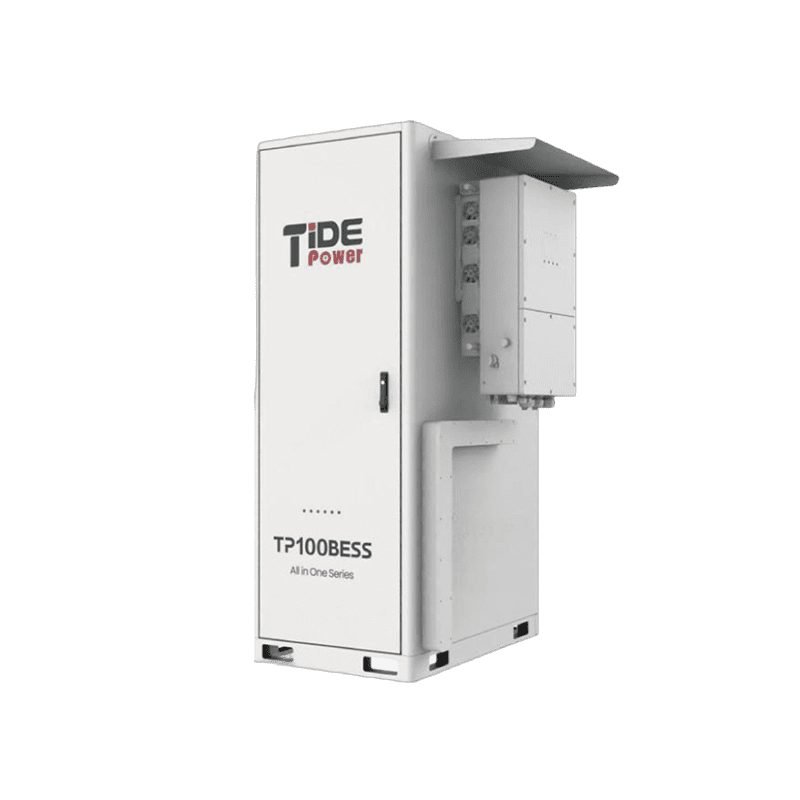
A 250kW hybrid battery storage system is more than a battery rack connected to a generator. It comprises three tightly integrated subsystems: the battery pack, the power conversion system (PCS), and the energy management system (EMS). For industrial projects, the battery is typically lithium iron phosphate (LFP), selected for thermal stability and cycle life that can exceed 6000 cycles at 80% depth of discharge. The PCS handles bi‑directional power flow—converting DC battery output to AC for facility loads and rectifying generator or grid AC to charge the batteries. The EMS is the operational brain, continuously monitoring load demand, battery state of charge, and generator status to decide when to draw from storage, when to start the diesel, and when to recharge.
Key Components: Battery, Inverter, and Energy Management System
A 250kW system typically pairs a 250kW PCS with a battery capacity of 400–600 kWh, depending on the required autonomy. The battery modules, built with LFP cells, are arranged in series‑parallel strings to reach the target voltage and current ratings. The PCS must be capable of grid‑forming if the site operates in island mode with no utility connection. The EMS interfaces with the generator controller via CAN or Modbus, enabling seamless transitions that keep voltage and frequency within industrial tolerances—often within a single cycle.
How Hybrid Storage Differs from Standalone Battery Systems
Unlike a standalone battery used solely for backup from an unreliable grid, a hybrid system actively interacts with a running generator. In a grid‑connected setting, the battery may absorb short‑duration load spikes while the generator handles the base. In off‑grid scenarios, the EMS may cycle the generator on only when the battery falls below a predetermined state of charge, drastically reducing cumulative engine hours.
| Component | Typical Specification | Primary Function |
|---|---|---|
| Battery Module | LFP, 400–600 kWh, 0.5C | Store energy for load support and peak shaving |
| PCS | 250 kW bi‑directional, 97% efficiency | DC‑AC conversion; island grid reference |
| EMS | Industrial controller with CAN/Modbus | Load/generator management; state‑based dispatch |
| Integration | Generator interface + current transformers | Seamless switching, parallel operation |
How a 250kW Hybrid System Integrates with Existing Diesel Generators
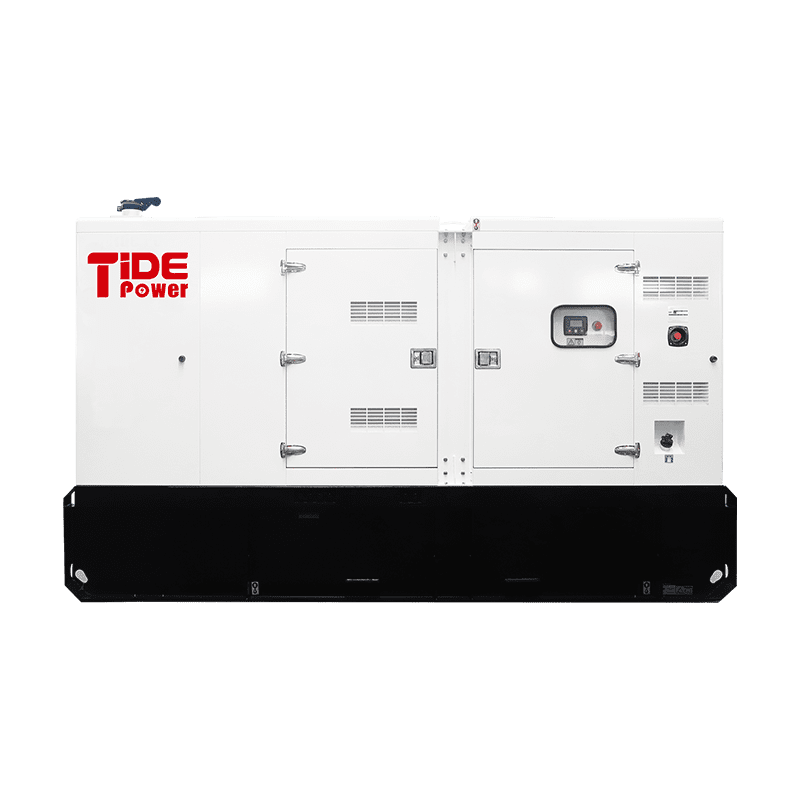
Retrofitting battery storage onto an operational diesel generator set is not a plug‑and‑play exercise. The integration architecture must account for the generator’s voltage regulation, governor response, and protection relays. In most industrial sites we support, the common approach is to install the PCS on the generator output bus, with the EMS reading real‑time power flow through CTs at the main breaker. When the facility load is low—perhaps 20–30% of generator rating—the EMS disables the generator start signal and supplies the load from the battery. As the battery depletes, the EMS signals the generator to start, takes the load back, and begins recharging. This coordination depends on a well‑designed communication protocol.
Control Logic: Switching Between Generator and Battery
The switching logic must prevent back‑feeding the generator and avoid frequency excursions that trip industrial drives. In our project work, we set the EMS to maintain a minimum generator load of 25–30% whenever it runs, so the engine operates in its efficient fuel band. The battery fills the gap between that minimum and the actual site load, functions as spinning reserve, and absorbs transients from motor starts. This approach extends service intervals and reduces wet‑stacking risk.
Communication Protocols for Generator‑Battery Coordination
Industrial sites typically use CAN J1939 or Modbus RTU, as most diesel generator controllers from established brands natively support these. The EMS must translate setpoints—start/stop, power limit, reactive power—into the generator’s language. We have found that hard‑wired discrete I/O for start/stop and breaker status remains the most reliable fallback where communication mismatches arise.
Operational Benefits: Reduced Fuel, Lower Maintenance, and Better Power Quality
The immediate, measurable outcome of adding 250kW of battery storage is a steep drop in diesel consumption. In facilities we have assessed, moving from an always‑on generator to a hybrid routine cuts fuel usage by roughly 1.5–2.5 liters per kWh shifted to the battery. Because the generator runs fewer hours and stays at higher load when it does run, engine wear slows, oil change intervals extend, and wet‑stacking is eliminated. The battery also acts as an active filter: voltage and frequency deviations that previously caused process line interruptions diminish sharply.
Sizing and Configuration for Industrial Load Profiles
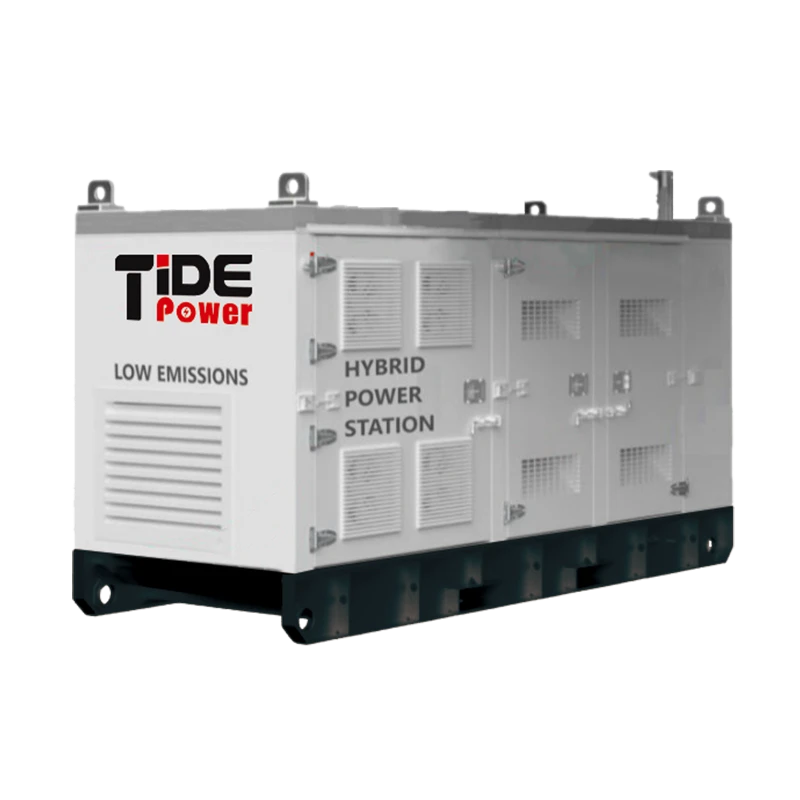
Not every 250kW industrial load profile is the same. A cold storage facility with cyclical compressor loads needs a different battery ratio than a continuous process plant with flat demand. The sizing exercise starts with a week‑long log of real power data, noting peak demand, minimum night load, and typical ramp rates. The battery capacity in kWh is then set to cover the target period—commonly 2–4 hours—of base load or peak shaving. The 250kW PCS rating defines the maximum power the battery can deliver or absorb at any moment, so aligning it with the site’s largest single load step is critical for seamless generator support.
| Load Scenario | Recommended Battery Capacity (kWh) | Expected Generator Runtime Reduction |
|---|---|---|
| Light industry, 12‑hr shift, 60% avg load | 500 | 40–45% |
| Continuous process, 75% avg load | 600 | 30–35% |
| Cold storage, high compressor inrush | 400 (plus fast PCS response) | 35–40% |
| Mining camp, variable daily load | 500 | 45–50% |
Evaluating Lifecycle Costs and ROI of Hybrid Storage
Upfront capital cost for a 250kW hybrid battery system with 500kWh storage typically falls in the range that yields a payback of three to five years in high‑fuel‑cost or remote logistics markets. The calculation accounts for fuel saved, engine maintenance avoided, and reduced generator sizing for new projects. Battery degradation to 70% residual capacity after 6000 cycles means the storage asset remains useful beyond a decade in most industrial applications. Factoring in expected fuel price escalation can shorten the payback further. Procurement teams should run two scenarios: a diesel‑only baseline and a hybrid model with realistic load data from their site—not from a manufacturer’s idealized assumptions.
Choosing a Supplier for Your Industrial Hybrid Battery Storage Project
Industrial hybrid storage is not a commodity off the shelf; the supplier must be able to configure battery chemistry, PCS rating, and EMS logic to match real site conditions. Look for manufacturers or integrators who provide load profiling as part of the initial consultation, not a simple spec sheet. The enclosure must be rated for the ambient temperature and dust of the deployment site—containerized solutions with active thermal management are common. Warranty terms should clearly state cycle life against a defined depth of discharge and include remote monitoring support. A supplier with in‑house generator and battery expertise, rather than a battery‑only vendor, can own the integration risk from start to finish.
If your industrial facility operates with diesel generators running more than 4000 hours per year, the fuel and maintenance savings from a 250kW hybrid system are likely to justify a detailed feasibility review. Share your site’s load log and generator configuration with our team at [email protected] or call +86 591 2806 8999, and we’ll provide a preliminary sizing and payback analysis specific to your operation.
Common Questions About 250kW Hybrid Battery Storage for Industrial Projects
What is the typical payback period for a 250kW hybrid battery storage system?
In sites where diesel generators run over 3000 hours annually and fuel logistics are expensive, the payback often lands between three and five years. That window shifts significantly depending on local fuel prices, the actual load profile, and maintenance cost reductions. We have seen cases where factoring in reduced engine overhauls and lower generator sizing for new installations pushes the payback under four years. A reliable ROI estimate always requires site‑specific data—a generic figure from a brochure rarely holds up against real operating conditions.
Does a 250kW hybrid system completely replace the diesel generator?
Not typically. The diesel generator remains essential for extended backup and battery recharging, but it runs far fewer hours. A common misconception is that batteries can serve as a full‑time replacement. In an off‑grid industrial facility, the generator still covers prolonged high‑load periods and recharges the battery when solar or another source is unavailable. The hybrid architecture reduces generator dependency, it does not eliminate it.
How does battery storage affect generator maintenance schedules?
With fewer engine hours and higher average loading when the generator does operate, maintenance intervals lengthen meaningfully. Wet‑stacking, a common issue in lightly loaded diesels that causes unburned fuel to contaminate lubricating oil, becomes virtually eliminated. Oil changes, filter replacements, and top‑end overhauls shift from a calendar‑ or hour‑based schedule to longer intervals, cutting both material and labor costs over the life of the system.
Can existing generators be retrofitted with battery storage?
Yes, most industrial generators with electronic governors and standard communication interfaces can be retrofitted. The retrofit involves adding a PCS on the output bus, installing current transformers, and integrating the EMS with the generator controller. Projects may require updating generator protection settings and adding a synchronizing panel if parallel operation is planned. In our experience, the mechanical and electrical scope is manageable with minimal downtime when planned around a scheduled maintenance window.
What maintenance does the battery system itself require?
LFP battery systems require very little active maintenance compared to generators. Annual tasks include checking torque on busbar connections, verifying the thermal management system, and updating EMS firmware. No electrolyte top‑up or equalization charge is needed. Remote monitoring platforms enable the supplier to detect cell imbalance or temperature anomalies before they cause downtime. If your site operates in a dusty or high‑humidity environment, confirm that the battery enclosure’s ingress protection rating is sufficient; share your conditions and we can confirm whether standard containerized packaging meets your location’s demands.
If you’re interested, check out these related articles:
Precautions for using winter generator sets
Unlocking Energy Independence & Savings: Tide Power’s Scalable BESS Solutions for C&I Applications