 ES
ES EN
EN ZH
ZH FR
FR AR
ARReducir el tiempo de funcionamiento del generador diésel en un 40–50% mientras se mantienen estables las operaciones industriales no es una promesa futura, sino lo que un sistema de almacenamiento híbrido de baterías de 250 kW correctamente integrado ofrece hoy. Después de años trabajando con proyectos energéticos en múltiples continentes, he visto cómo la combinación de almacenamiento en baterías y generadores diésel transforma los sitios de una carga de combustible a operaciones eficientes. La clave no es solo añadir baterías; es ajustar la capacidad de almacenamiento a los patrones de carga reales y garantizar una coordinación perfecta con los controles existentes del generador.
Comprendiendo la arquitectura del sistema de almacenamiento híbrido de baterías de 250 kW
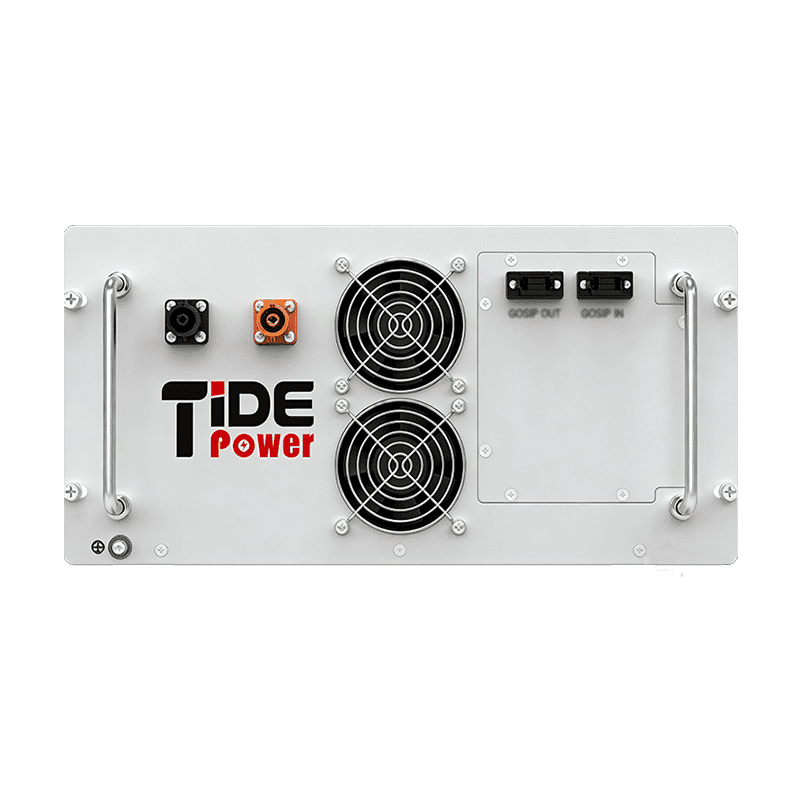
Un sistema de almacenamiento híbrido de baterías de 250 kW es más que un rack de baterías conectado a un generador. Consta de tres subsistemas estrechamente integrados: el paquete de baterías, el sistema de conversión de energía (PCS) y el sistema de gestión de energía (EMS). Para proyectos industriales, la batería suele ser de fosfato de hierro y litio (LFP), seleccionada por su estabilidad térmica y vida útil que puede superar las 6000 ciclos a una profundidad de descarga del 80%. El PCS maneja el flujo de energía bidireccional—convirtiendo la salida de corriente continua (CC) de las baterías en corriente alterna (CA) para las cargas de la instalación y rectificando la CA del generador o la red para cargar las baterías. El EMS es el cerebro operativo, monitoreando continuamente la demanda de carga, el estado de carga de la batería y el estado del generador para decidir cuándo extraer energía del almacenamiento, cuándo poner en marcha el diésel y cuándo recargar.
Componentes clave: Batería, Inversor y Sistema de Gestión de Energía
Un sistema de 250 kW típicamente combina un PCS de 250 kW con una capacidad de batería de 400 a 600 kWh, dependiendo de la autonomía requerida. Los módulos de batería, construidos con celdas LFP, se disponen en cadenas en serie y paralelo para alcanzar las tensiones y corrientes objetivo. El PCS debe ser capaz de formar red si el sitio opera en modo isla sin conexión a la red. El EMS se conecta con el controlador del generador vía CAN o Modbus, permitiendo transiciones sin problemas que mantienen el voltaje y la frecuencia dentro de las tolerancias industriales—a menudo en un solo ciclo.
Cómo difiere el almacenamiento híbrido de los sistemas de batería independientes
A diferencia de una batería independiente utilizada únicamente como respaldo ante una red no fiable, un sistema híbrido interactúa activamente con un generador en funcionamiento. En un entorno conectado a la red, la batería puede absorber picos de carga de corta duración mientras el generador maneja la base. En escenarios fuera de la red, el EMS puede hacer que el generador funcione solo cuando el estado de carga de la batería cae por debajo de un nivel predeterminado, reduciendo drásticamente las horas de funcionamiento del motor acumuladas.
| Componente | Especificación típica | Función principal |
|---|---|---|
| Módulo de batería | LFP, 400–600 kWh, 0.5C | Almacenar energía para carga apoyo y reducción de picos |
| PCS | 250 kW bidireccional, eficiencia del 97,1% | Conversión CC-CA; referencia a la red en isla |
| EMS | Controlador industrial con CAN/Modbus | Gestión de carga/generador; despacho basado en estado |
| Integración | Interfaz del generador + transformadores de corriente | Cambio sin interrupciones, operación en paralelo |
Cómo un sistema híbrido de 250kW se integra con generadores diésel existentes
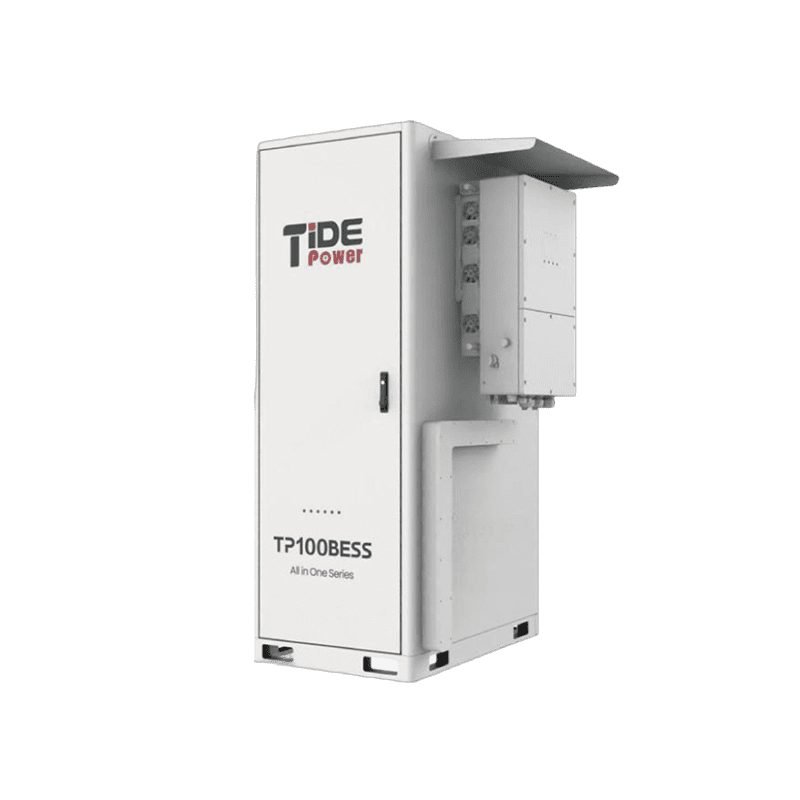
La modernización con almacenamiento de baterías en un conjunto de generadores diésel en operación no es una tarea sencilla. La arquitectura de integración debe tener en cuenta la regulación de voltaje del generador, la respuesta del gobernador y los relés de protección. En la mayoría de los sitios industriales que apoyamos, el enfoque común es instalar el PCS en el bus de salida del generador, con el EMS leyendo el flujo de energía en tiempo real a través de CTs en el interruptor principal. Cuando la carga de la instalación es baja—quizás entre el 20 y el 30% de la potencia nominal del generador—el EMS desactiva la señal de arranque del generador y suministra la carga desde la batería. A medida que la batería se agota, el EMS indica al generador que arranque, recupera la carga y comienza a recargar. Esta coordinación depende de un protocolo de comunicación bien diseñado.
Lógica de control: cambio entre generador y batería
La lógica de cambio debe evitar retroalimentación al generador y evitar excursiones de frecuencia que desconecten los accionamientos industriales. En nuestro trabajo de proyecto, configuramos el EMS para mantener una carga mínima del generador del 25 al 30% de su capacidad siempre que funcione, de modo que el motor opere en su rango eficiente de combustible. La batería llena la brecha entre esa carga mínima y la carga real del sitio, funciona como reserva rotatoria y absorbe transitorios de arranque de motores. Este enfoque extiende los intervalos de servicio y reduce el riesgo de acumulación de hollín húmedo.
Protocolos de comunicación para la coordinación entre generador y batería
Los sitios industriales suelen usar CAN J1939 o Modbus RTU, ya que la mayoría de los controladores de generadores diésel de marcas reconocidas soportan estos protocolos de forma nativa. El EMS debe traducir los puntos de ajuste—inicio/parada, límite de potencia, potencia reactiva—al lenguaje del generador. Hemos comprobado que las entradas/salidas discretas cableadas para inicio/parada y estado del interruptor siguen siendo la opción más fiable en caso de discrepancias en la comunicación.
Beneficios operativos: reducción de combustible, menor mantenimiento y mejor calidad de energía
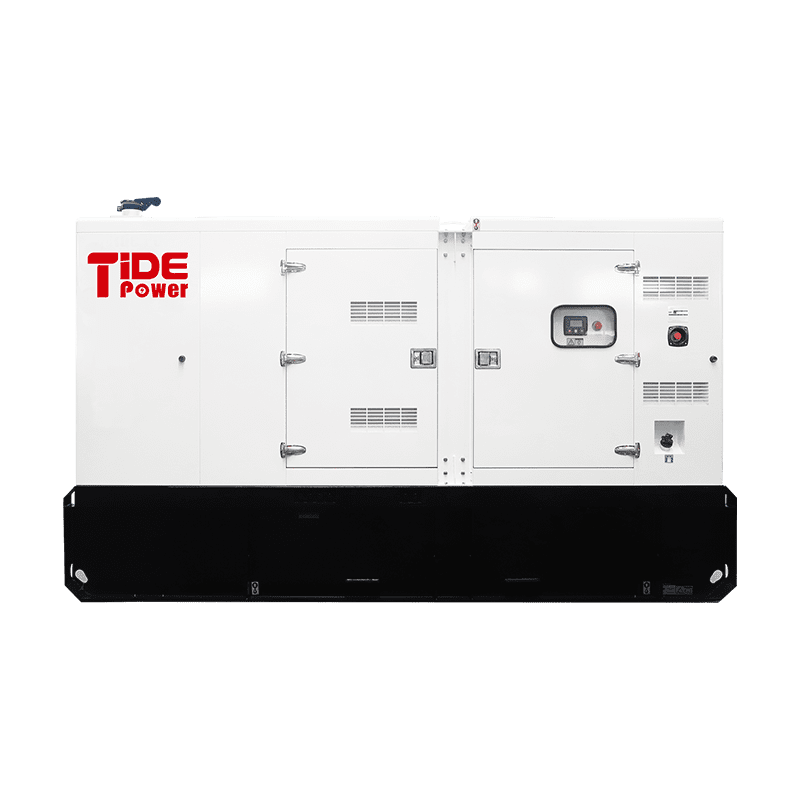
El resultado inmediato y medible de añadir 250kW de almacenamiento en batería es una caída pronunciada en el consumo de diésel. En instalaciones que hemos evaluado, pasar de un generador siempre encendido a una rutina híbrida reduce el consumo de combustible en aproximadamente 1,5 a 2,5 litros por kWh desplazado a la batería. Debido a que el generador funciona menos horas y mantiene una carga mayor cuando está en marcha, el desgaste del motor se ralentiza, los intervalos de cambio de aceite se prolongan y se elimina la acumulación de hollín húmedo. La batería también actúa como un filtro activo: las desviaciones de voltaje y frecuencia que anteriormente causaban interrupciones en la línea de proceso disminuyen notablemente.
Dimensionamiento y configuración para perfiles de carga industrial
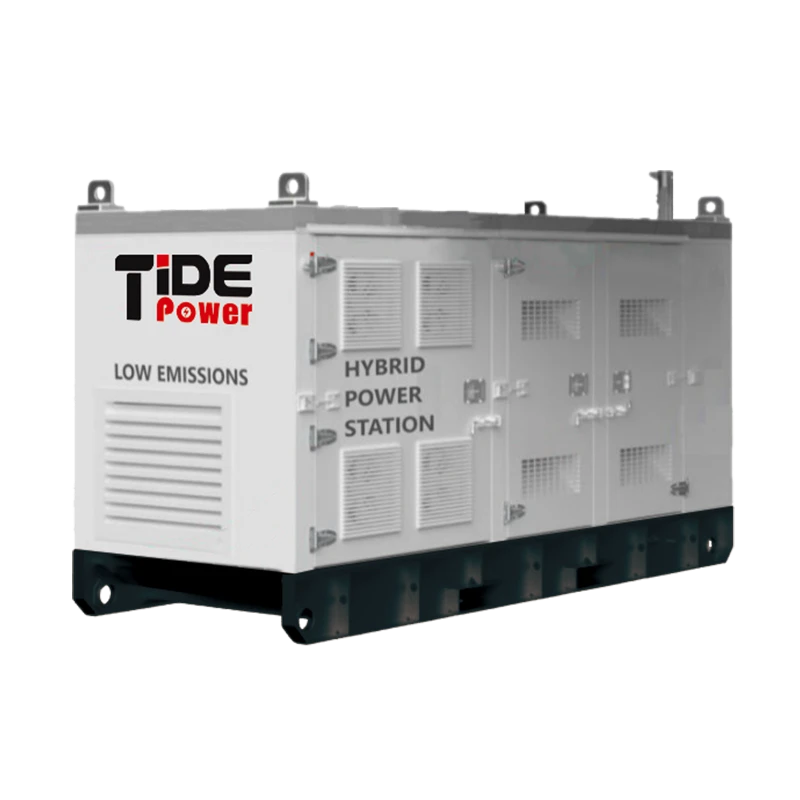
No todos los perfiles de carga industrial de 250kW son iguales. Una instalación de almacenamiento en frío con cargas cíclicas de compresores necesita una proporción de batería diferente a la de una planta de proceso continuo con demanda plana. El ejercicio de dimensionamiento comienza con un registro de datos de potencia real durante una semana, anotando la demanda máxima, la carga mínima nocturna y las tasas de rampa típicas. La capacidad de la batería en kWh se establece para cubrir el período objetivo—comúnmente de 2 a 4 horas—de carga base o reducción de picos. La potencia nominal del PCS de 250kW define la potencia máxima que la batería puede entregar o absorber en cualquier momento, por lo que alinearla con el mayor paso de carga individual del sitio es fundamental para un soporte de generador sin interrupciones.
| Escenario de carga | Capacidad recomendada de la batería (kWh) | Reducción esperada en el tiempo de funcionamiento del generador |
|---|---|---|
| Industria ligera, turno de 12 horas, carga media de 60% | 500 | 40–45% |
| Proceso continuo, carga media de 75% | 600 | 30–35% |
| Almacenamiento en frío, alta corriente de arranque del compresor | 400 (más respuesta rápida del PCS) | 35–40% |
| Minería campamento, carga variable diaria | 500 | 45–50% |
Evaluación de los Costes de Ciclo de Vida y Retorno de Inversión de Almacenamiento Híbrido
El coste de capital inicial para un sistema de batería híbrido de 250 kW con 500 kWh de almacenamiento suele situarse en un rango que proporciona un período de recuperación de entre tres y cinco años en mercados con altos costes de combustible o logística remota. El cálculo tiene en cuenta el combustible ahorrado, el mantenimiento evitado del motor y la reducción en el tamaño del generador para nuevos proyectos. La degradación de la batería hasta una capacidad residual de 70% después de 6000 ciclos significa que el activo de almacenamiento sigue siendo útil más allá de una década en la mayoría de las aplicaciones industriales. Considerar la escalada prevista en los precios del combustible puede acortar aún más el período de recuperación. Los equipos de compras deberían realizar dos escenarios: un análisis de referencia solo con diésel y un modelo híbrido con datos de carga realistas de su sitio, no basados en suposiciones idealizadas del fabricante.
Elegir un proveedor para su proyecto de almacenamiento híbrido industrial de baterías
El almacenamiento híbrido industrial no es una mercancía estándar; el proveedor debe ser capaz de configurar la química de la batería, la potencia del PCS y la lógica del EMS para adaptarse a las condiciones reales del sitio. Busque fabricantes o integradores que proporcionen perfiles de carga como parte de la consulta inicial, no solo una hoja de especificaciones. La carcasa debe estar clasificada para la temperatura ambiente y el polvo del sitio de despliegue; las soluciones en contenedor con gestión térmica activa son comunes. Garantía Los términos deben indicar claramente la vida útil en ciclos frente a una profundidad de descarga definida e incluir soporte para monitoreo remoto. Un proveedor con experiencia interna en generadores y baterías, en lugar de un vendedor solo de baterías, puede gestionar el riesgo de integración de principio a fin.
Si su instalación industrial opera con generadores diésel más de 4000 horas al año, los ahorros en combustible y mantenimiento de un sistema híbrido de 250 kW probablemente justifiquen una revisión de viabilidad detallada. Comparta el registro de carga de su sitio y la configuración del generador con nuestro equipo en [email protected] o llame al +34 591 2806 8999, y le proporcionaremos un análisis preliminar de dimensionamiento y recuperación específico para su operación.
Preguntas frecuentes sobre almacenamiento híbrido de baterías de 250 kW para proyectos industriales
¿Cuál es el período típico de recuperación de inversión para un sistema híbrido de baterías de 250 kW?
En sitios donde los generadores diésel operan más de 3000 horas anuales y la logística de combustible es costosa, el período de recuperación suele situarse entre tres y cinco años. Esa ventana varía significativamente dependiendo de los precios locales del combustible, el perfil de carga real y las reducciones en costos de mantenimiento. Hemos visto casos donde, considerando la reducción en revisiones de motor y la disminución en el tamaño del generador para nuevas instalaciones, el período de recuperación se reduce a menos de cuatro años. Una estimación fiable del ROI siempre requiere datos específicos del sitio; una cifra genérica de un folleto rara vez se sostiene frente a condiciones reales de operación.
¿Un sistema híbrido de 250 kW reemplaza completamente al generador diésel?
No generalmente. El generador diésel sigue siendo esencial para respaldo prolongado y recarga de la batería, pero opera muchas menos horas. Un error común es pensar que las baterías pueden sustituir completamente al generador. En una instalación industrial fuera de la red, el generador aún cubre períodos de alta carga prolongados y recarga la batería cuando la energía solar u otra fuente no están disponibles. La arquitectura híbrida reduce la dependencia del generador, pero no la elimina.
¿Cómo afecta el almacenamiento en batería a los programas de mantenimiento del generador?
Con menos horas de motor y una carga media más alta cuando el generador opera, los intervalos de mantenimiento se alargan de manera significativa. La acumulación de residuos en la culata, un problema común en diésel con carga ligera que causa contaminación del aceite lubricante con combustible no quemado, se elimina prácticamente. Los cambios de aceite, reemplazo de filtros y revisiones en la parte superior del motor pasan de un calendario o horas a intervalos más largos, reduciendo costos materiales y laborales durante la vida útil del sistema.
¿Se pueden adaptar los generadores existentes con almacenamiento de batería?
Sí, la mayoría de los generadores industriales con reguladores electrónicos y interfaces de comunicación estándar pueden ser adaptados. La adaptación implica añadir un PCS en el bus de salida, instalar transformadores de corriente e integrar el EMS con el controlador del generador. Los proyectos pueden requerir actualizar los ajustes de protección del generador y añadir un panel de sincronización si se planea operar en paralelo. En nuestra experiencia, el alcance mecánico y eléctrico es manejable con un tiempo de inactividad mínimo cuando se planifica en torno a una ventana de mantenimiento programada.
¿Qué mantenimiento requiere el sistema de batería en sí?
Los sistemas de baterías de fosfato de hierro y litio (LFP) requieren muy poco mantenimiento activo en comparación con los generadores. Las tareas anuales incluyen verificar el torque en las conexiones del busbar, comprobar el sistema de gestión térmica y actualizar el firmware del EMS. No es necesario rellenar el electrolito ni realizar cargas de igualación. Las plataformas de monitoreo remoto permiten al proveedor detectar desequilibrios en las celdas o anomalías de temperatura antes de que causen tiempo de inactividad. Si su sitio opera en un entorno polvoriento o con alta humedad, confirme que la clasificación de protección contra entrada de la carcasa de la batería sea suficiente; comparta sus condiciones y podemos confirmar si el embalaje estándar en contenedor cumple con las demandas de su ubicación.
Si estás interesado, consulta estos artículos relacionados:
Precauciones para usar conjuntos generadores en invierno
Desbloqueando la independencia energética y el ahorro: soluciones escalables de BESS de Tide Power para aplicaciones C&I