 ES
ES EN
EN ZH
ZH FR
FR AR
ARLa energía fuera de la red para sitios de telecomunicaciones remotos exige más que una comparación de eficiencia de combustible. El tiempo de actividad confiable proviene de un sistema híbrido preintegrado y administrable de forma remota que puede operar sin supervisión durante períodos prolongados, porque el verdadero desafío no es solo generar energía, sino mantenerla en un sitio donde una visita de servicio puede llevar días.
Los operadores que evalúan la energía fuera de la red para torres de telecomunicaciones superan rápidamente la pregunta de si un generador diésel puede manejar la carga. El equipo de torre moderno, en particular las unidades de radio remotas 4G y 5G, consume una carga de CC continua que es relativamente pequeña pero absolutamente implacable: cualquier interrupción, incluso de segundos, activa una secuencia de reinicio completo del sitio. El verdadero desafío de ingeniería es mantener una entrega de energía de CC limpia e ininterrumpida mientras se gestionan la logística del combustible, el ciclo de la batería y los extremos ambientales, a menudo sin personal permanente en el sitio. Un sistema de energía que parece suficiente en una hoja de especificaciones puede fallar en el campo si la integración entre los componentes del generador, la batería y el rectificador no está diseñada como un único entorno operativo.
Comprensión de las demandas de energía de los sitios de telecomunicaciones remotos
Un sitio de telecomunicaciones remoto típico tiene una carga base entre 2 kW y 8 kW, dominada por equipos de radio alimentados por CC, enlaces de transmisión y un pequeño recinto de control climático. La carga es constante, predecible y crítica. A diferencia de un para la construcción sitio o escenario de respaldo de emergencia donde la energía puede fluctuar, un sitio de telecomunicaciones tiene una curva de carga plana que lo hace muy adecuado para un sistema híbrido basado en generación solar con amortiguación de batería y respaldo diésel.
El ejercicio de dimensionamiento generalmente comienza con una auditoría precisa de la carga del sitio durante 24 horas, teniendo en cuenta tanto el consumo del equipo como la corriente de carga de la batería. Subdimensionar el banco de baterías es el error de campo más común que encontramos: los operadores calculan el tiempo de funcionamiento autónomo en condiciones normales, pero olvidan que días nublados consecutivos o el repostaje retrasado del generador pueden llevar la batería por debajo de su profundidad de descarga segura. Una vez que una batería de fosfato de hierro y litio (LFP) se descarga más allá de su umbral de protección, el sistema de gestión de la batería (BMS) se bloquea y el sitio se apaga hasta que un técnico lo reinicia físicamente. Para una torre a 300 km del centro de servicio más cercano, ese reinicio se mide en días de pérdida de ingresos, no en horas.
¿Qué perfil de carga debo esperar para un sitio remoto 4G o 5G?
Un sitio 4G de un solo sector típicamente consume 1,5-2,5 kW de CC continua. La adición de antenas activas 5G puede aumentar la carga a 3-5 kW, y si el recinto incluye refrigeración activa, la carga total del sistema puede alcanzar los 6-8 kW equivalentes de CA después de las pérdidas del inversor. Dado que el equipo alimentado por CC evita la etapa del rectificador durante la descarga de la batería, el consumo real de la batería del sitio es menor que la carga nominal de CA, por lo que una auditoría precisa de la carga de CC es esencial antes de seleccionar cualquier sistema de energía fuera de la red.
Comparación de opciones de tecnología fuera de la red para telecomunicaciones
Tres arquitecturas distintas fuera de la red dominan las telecomunicaciones remotas: diésel puro, solo solar con batería y híbrido diésel-solar-batería. Cada una tiene un entorno de aplicación legítimo, pero los límites de idoneidad son más nítidos de lo que sugieren muchas guías de compra genéricas.
Los generadores diésel puros siguen siendo la opción predeterminada cuando el CAPEX debe minimizarse y el sitio ya se encuentra en una ruta de entrega de combustible regular. El generador se dimensiona para funcionar continuamente, y la batería sirve solo como un puente a corto plazo durante los cierres por repostaje. Esta arquitectura consume mucho combustible, requiere mucho mantenimiento y tiene un alto coste operativo (OPEX) a lo largo de su vida útil, pero se entiende bien y se puede implementar rápidamente con unidades estándar de 10-20 kVA en cabina insonorizada. La vulnerabilidad clave es el subdimensionamiento del generador cuando el ciclo de carga de la batería coincide con el tráfico de radio pico, lo que puede causar una caída de voltaje y activar la alarma de bajo voltaje del rectificador.
La energía solar únicamente con almacenamiento de batería es técnicamente posible para sitios de baja potencia en regiones de alta irradiancia, pero la capacidad de la batería requerida para cubrir varios días de nubosidad a menudo hace que el coste inicial sea prohibitivo. Sin un generador de respaldo, el banco de baterías debe dimensionarse para el mes de peor clima, no para el promedio, lo que comúnmente duplica la calificación de kWh requerida. En la práctica, vemos que esta arquitectura se utiliza principalmente para microceldas en zonas ecuatoriales donde el acceso al combustible es imposible y la carga es inferior a 1 kW.
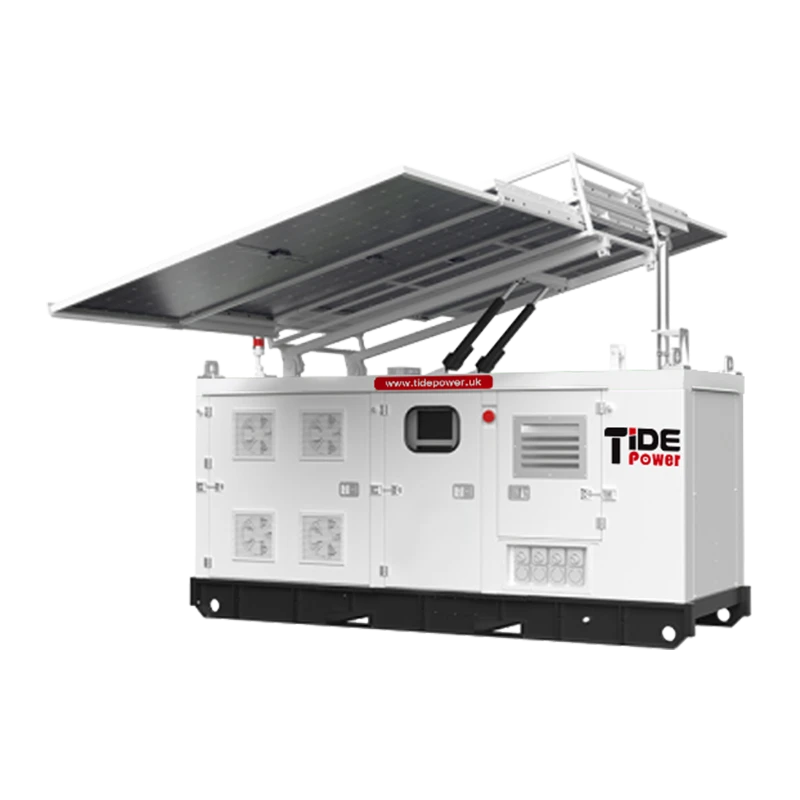
La arquitectura híbrida (panel solar fotovoltaico, almacenamiento de batería LFP y un generador diésel despachado automáticamente) es la solución dominante para la mayoría de los sitios remotos por encima de 2 kW porque aborda la restricción operativa principal: la logística del combustible. Al compensar las horas de funcionamiento del generador con la producción solar durante el día, el sistema híbrido puede reducir el consumo de combustible en un 60-80% mientras mantiene el mismo nivel de fiabilidad que un generador en funcionamiento continuo. El generador se convierte en un cargador de batería que funciona solo cuando el estado de carga de la batería cae por debajo de un umbral predeterminado, típicamente 30-50%, lo que significa que las visitas al sitio para repostar se reducen de semanales a trimestrales.
¿Cómo funciona un sistema híbrido solar-diésel para una torre de telecomunicaciones?
Durante el día, el panel fotovoltaico alimenta directamente el bus de CC y carga la batería. Cuando la producción solar excede la carga del sitio, el excedente carga la batería; cuando es insuficiente, la batería se descarga para cubrir el déficit. Si el estado de carga de la batería cae al umbral de arranque del generador, generalmente después de uno o dos días nublados, el controlador arranca el generador diésel, que funciona en su punto de carga más eficiente para recargar la batería mientras suministra energía al sitio simultáneamente. Una vez que la batería alcanza un alto estado de carga, el generador se apaga y el ciclo se repite. Toda la transición es manejada por un sistema inteligente de gestión de energía que realiza conmutaciones a nivel de milisegundos, por lo que el equipo de telecomunicaciones nunca experimenta una interrupción. Esto no es un simple interruptor de transferencia; requiere un controlador que monitoree continuamente el voltaje de la batería, la corriente de carga y el estado del generador, y pueda tomar decisiones sin intervención humana.
¿Es viable la energía solar pura para un sitio de telecomunicaciones remoto?
Para sitios con una carga continua superior a 2 kW y sin respaldo de generador, la energía solar pura rara vez es viable una vez que la batería se dimensiona para una autonomía de varios días. El coste total del sistema (paneles fotovoltaicos, controladores de carga y un gran banco de baterías LFP) a menudo supera al de un sistema híbrido más pequeño con un generador, porque el coste marginal de sobredimensionar las baterías para cubrir el peor escenario meteorológico es mayor que añadir un generador diésel de 10-15 kVA que solo funciona 200-400 horas al año. Hay excepciones para microceldas ecuatoriales por debajo de 1 kW, pero para un macro-sitio típico de 3-5 kW, la economía se inclina fuertemente hacia el híbrido.
Por qué los sistemas híbridos preintegrados destacan para las telecomunicaciones fuera de la red
Un sistema híbrido ensamblado en el lugar a partir de componentes adquiridos por separado—grupo electrógeno de un proveedor, batería de otro, controlador de un tercero—crea un riesgo de integración difícil de cuantificar hasta que la puesta en marcha falle. El regulador de voltaje del generador puede no comunicarse con el sistema de gestión de baterías, el rectificador puede no aceptar la tolerancia de frecuencia del generador, y el controlador del sitio puede carecer de la lógica para evitar ciclos cortos del generador. Cada interfaz es un posible punto de fallo que debe ser depurado en el campo, a menudo por técnicos especializados en equipos de radio, no en electrónica de potencia.
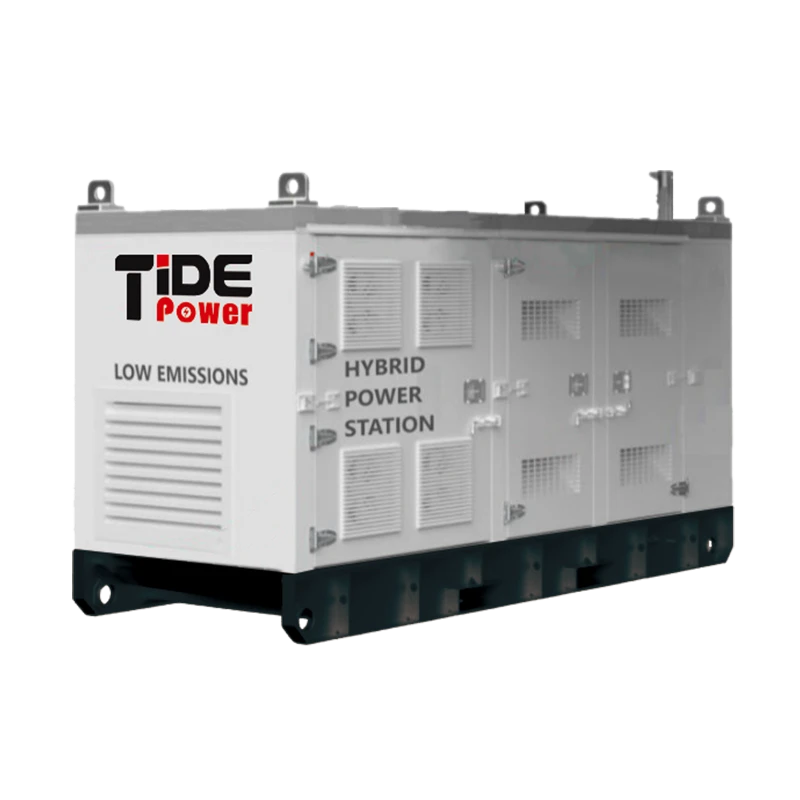
Los sistemas híbridos preintegrados, como las unidades de potencia híbridas de la serie TP de Tide Power, están configurados en fábrica como una única plataforma operativa. El generador diésel, el inversor/cargador, el controlador de carga solar MPPT y la batería de fosfato de hierro y litio (LFP) están pre cableados, pre programados y probados como un sistema antes del envío. Cuando la unidad llega al sitio, la instalación se limita a conectar la matriz fotovoltaica, la carga de corriente continua y un depósito de combustible externo, sin necesidad de poner en marcha una central eléctrica de múltiples proveedores. Este enfoque elimina la falla en campo más común: un generador que se niega a arrancar automáticamente porque la salida de contacto seco del controlador no es reconocida por el módulo ATS del generador.
La tecnología de la batería importa tanto como la integración. Las celdas de fosfato de hierro y litio (LFP) son el estándar para telecomunicaciones fuera de red porque toleran ciclos más profundos y temperaturas ambiente más altas que las celdas de plomo-ácido o NMC. Un módulo de batería LFP de 16,1 kWh, por ejemplo, puede entregar típicamente entre 4.000 y 6.000 ciclos a una profundidad de descarga de 80/20, lo que se traduce en una vida útil de 10 a 12 años en una configuración híbrida donde el ciclo diario es superficial. Al integrar dichas baterías en un sistema de telecomunicaciones, el BMS debe apoyo Comunicación por bus CAN con el controlador híbrido, un requisito que elimina muchos paquetes de baterías de bajo coste diseñados para almacenamiento solar residencial.
¿Cuáles son las compensaciones de coste entre solo diésel e híbrido para las telecomunicaciones?
Una instalación que funcione únicamente con diésel en un lugar remoto suele requerir un generador de tamaño adecuado para suministro continuo de energía principal más carga de baterías, a menudo en el rango de 15 a 25 kVA para un sitio de 5 kW cuando se consideran cargas intermitentes. El consumo de combustible para un generador de 20 kVA que funciona continuamente con carga de 60% es aproximadamente de 2,5 a 3,0 litros por hora. En un año, eso equivale a 21.000 a 26.000 litros, con un coste de combustible en destino en un sitio remoto que potencialmente puede triplicar el precio en la gasolinera debido al transporte. Un sistema híbrido con 8 a 10 kWp de energía solar y 30 a 40 kWh de almacenamiento en baterías puede reducir las horas de funcionamiento anuales a 500 a 800, disminuyendo el consumo de combustible a aproximadamente 1.500 a 2.500 litros por año. El coste de capital del híbrido es mayor—normalmente un 50 a 80 % más que un generador independiente—pero el período de recuperación de la inversión solo con el ahorro en combustible suele ser de 18 a 30 meses, después de los cuales el híbrido resulta mucho más económico de operar. Para los planificadores del sitio, la pregunta inmediata no es si un híbrido recupera su inversión, sino si el presupuesto del proyecto puede soportar la prima inicial y si la cadena de suministro de combustible local puede mantener un enfoque solo diésel durante toda la vida útil prevista de la torre.
Implementación, logística y gestión remota para sitios fuera de la red
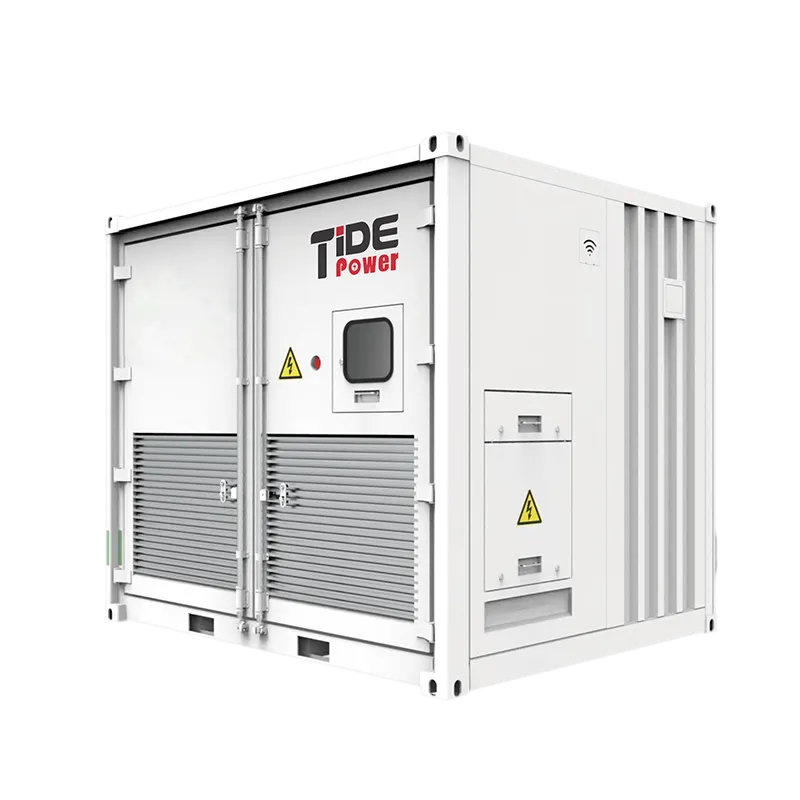
El acto físico de llevar un sistema de energía a un sitio que no tiene acceso por carretera ni conexión a la red determina las elecciones de equipo más que cualquier parámetro de hoja de datos. Los generadores y bancos de baterías deben ser transportables por camión 4×4 por caminos sin asfaltar, ocasionalmente desglosados en módulos lo suficientemente ligeros como para ser transportados a mano o con un pequeño tractor la última milla. Las estaciones de energía preintegradas que se envían en cajas estándar ISO con bolsillos para carretilla elevadora y ojos de elevación pueden ser descargadas y colocadas con el mismo equipo utilizado para el refugio de la torre, ahorrando la movilización de una grúa dedicada.
Una vez que el equipo está en el sitio, la prioridad operativa cambia completamente a la visibilidad remota. Un sitio que requiere una visita con camión para comprobar el nivel de combustible del generador no es sostenible desde el punto de vista operativo. Los controladores híbridos modernos se conectan mediante 4G, satélite o backhaul LoRa a una plataforma de monitorización en la nube que informa en tiempo real sobre el nivel de combustible, el estado de carga de la batería, las horas de funcionamiento del generador y el estado de las alarmas. Esto permite que un centro de operaciones de red envíe un camión de combustible solo cuando el nivel del tanque cae por debajo de un umbral definido, en lugar de en un horario fijo que desperdicia combustible o corre el riesgo de quedarse sin combustible.
¿Qué funciones de monitoreo remoto son esenciales para sitios de telecomunicaciones sin personal?
Como mínimo, el sistema de monitorización debe informar del estado del generador (en funcionamiento, detenido, avería), nivel de combustible (en porcentaje y horas estimadas restantes), voltaje de la batería y estado de carga, producción solar (kW y kWh diarios), y temperatura del recinto. Las condiciones de alarma deben incluir bajo nivel de combustible, fallo de arranque del generador, sobretemperatura de la batería y intrusión en el recinto. El controlador debe soportar reinicios automáticos sin intervención tras una avería transitoria y debe registrar todos los eventos para análisis posterior al incidente. Los sistemas que dependen de Wi‑Fi local o de una aplicación para smartphone sin backend en la nube son inadecuados para sitios que puedan pasar semanas sin una visita física; los datos deben ser accesibles desde un Centro de Operaciones de Red (NOC) central, y el controlador debe poder enviar alertas por correo electrónico o SMS sin depender de un humano en el lugar.
Seleccionar un socio energético para proyectos globales de telecomunicaciones
Cuando la energía fuera de la red abarca varios países, los criterios de selección van más allá de las especificaciones del equipo e incluyen la logística, el cumplimiento de las normativas locales y el soporte postventa. Una marca de generadores con una amplia red de distribuidores en una región puede no tener capacidad de servicio en otra, dejando un proyecto paralizado cuando un garantía surge la reclamación. Igualmente, un sistema de energía que lleva la marca CE pero no cuenta con la certificación IEC 61427 para el ciclo de baterías puede no cumplir con los requisitos técnicos del marco de adquisición de un operador de telecomunicaciones.
Trabajar con un proveedor de soluciones energéticas que gestione todo el sistema, desde unidades híbridas integradas en fábrica hasta documentación de envío global y soporte de puesta en marcha local, consolida el riesgo en un único punto de responsabilidad. Esto es especialmente importante para sistemas híbridos, donde el diagnóstico de fallos puede perderse entre el proveedor del generador, el fabricante de la batería y el instalador solar si son entidades separadas. Un único proveedor con capacidad para motores de múltiples marcas y diseño de sistemas híbridos interno puede configurar la central eléctrica específicamente para el país de instalación, asegurando que los estándares de emisiones del generador, la clasificación de transporte de la batería y el protocolo de comunicación del controlador estén alineados con los requisitos locales.
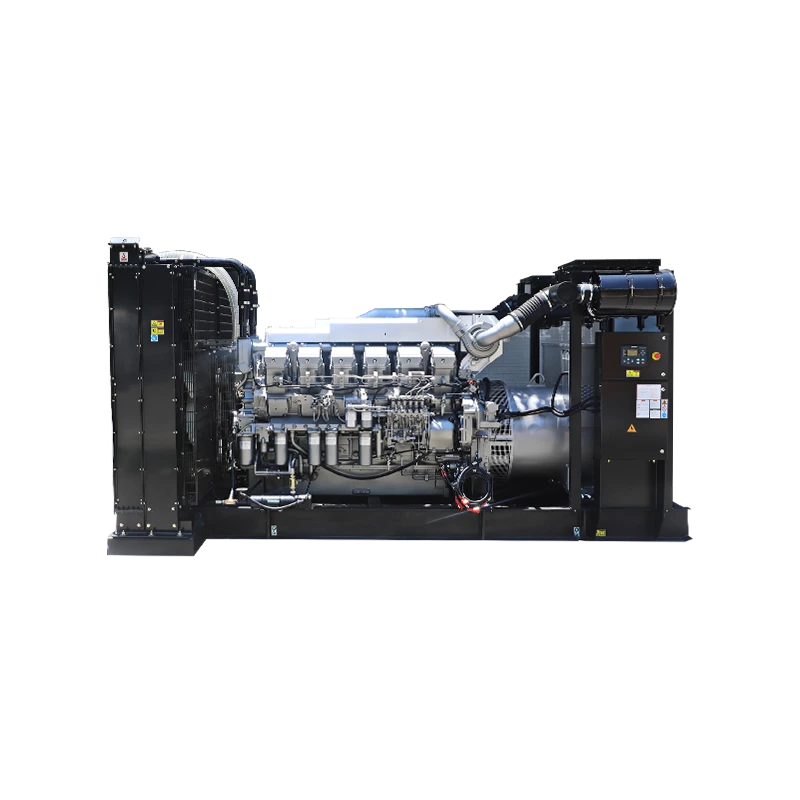
Tide Power Technology suministra soluciones de energía fuera de red integradas que combinan grupos electrógenos diésel, almacenamiento de baterías LFP y control híbrido inteligente, con potencias desde 10 kVA hasta 250 kVA para aplicaciones de telecomunicaciones y microredes. El alcance incluye pruebas de aceptación en fábrica, envío en contenedor y soporte de puesta en marcha remota a través de socios locales, de modo que el sitio recibe una estación de energía funcional en lugar de una colección de componentes que requieren integración en el lugar. Si su proyecto implica múltiples sitios remotos en diferentes entornos regulatorios, confirmar la cobertura de certificación del sistema y la disponibilidad de servicio local antes de finalizar la lista de materiales evitará costosos vacíos de cumplimiento en el futuro.
Preguntas frecuentes sobre energía para telecomunicaciones fuera de la red
¿Qué arquitectura de energía es mejor para un sitio de telecomunicaciones remoto: solo diésel o híbrido?
Para cargas superiores a 2 kW y sitios con cualquier variación estacional en el recurso solar, un sistema híbrido casi siempre ofrece un menor coste total de propiedad en un horizonte de cinco años. La opción solo diésel sigue siendo relevante cuando el sitio se encuentra dentro de un corredor regular de suministro de combustible, la conexión a la red está prevista en 12-18 meses, o el presupuesto inicial de despliegue no puede cubrir el coste de la batería.
Depende del recurso solar del sitio, pero en general, ¿a qué latitud deja de tener sentido un sistema híbrido?
Esa es una formulación incorrecta. La verdadera pregunta es si el sitio recibe suficiente irradiación solar anual para compensar el consumo de combustible durante la vida de la batería. Incluso en latitudes por encima de 55° donde la producción en invierno cae drásticamente, un sistema híbrido aún puede reducir las horas de funcionamiento del generador en un 50–60% a lo largo del año, y la batería puede dimensionarse para cubrir solo la noche en lugar de varios días. Según nuestra experiencia apoyando proyectos de telecomunicaciones desde África ecuatorial hasta el norte de Asia Central, los híbridos solar-diesel con baterías de tamaño adecuado pueden lograr una economía positiva mucho más allá de las latitudes donde la energía solar pura se vuelve impráctica.
¿Cómo se dimensiona diferente el generador en un sistema híbrido en comparación con un sitio solo con diésel?
En un sitio solo con diésel, el generador se dimensiona para la carga máxima más la carga de la batería simultáneamente, a menudo con un margen del 20–30% para reducir la derating por temperatura ambiente. En un sistema híbrido, el generador generalmente se dimensiona para suministrar la corriente de carga de la batería en su punto de carga más eficiente, no la carga máxima del sitio, porque la batería actúa como un amortiguador. Un generador de 10 kVA puede ser suficiente para un sitio de 5 kW en una configuración híbrida, donde el mismo sitio requeriría 20 kVA si fuera solo con diésel, porque la batería suministra picos transitorios y el generador funciona solo en un estado de carga estable.
¿Se puede actualizar un sitio de telecomunicaciones solo con diésel existente con energía solar y almacenamiento en batería?
Sí. El generador existente se mantiene como fuente de respaldo, y se añaden un controlador híbrido, controladores de carga MPPT y un banco de baterías LFP al sitio. El controlador híbrido está programado para priorizar la energía solar y la batería, usando el generador solo como cargador de respaldo. La actualización debe confirmar que el alternador del generador existente sea compatible con el rango de voltaje de entrada del cargador de baterías y que el ATS del generador pueda aceptar una señal de arranque desde el controlador híbrido. Para sitios donde el generador ya está cerca del fin de su vida útil, una sustitución híbrida completa preintegrada suele ser más rentable que una actualización parcial.
¿Qué sucede si falla el enlace de comunicación de monitoreo remoto?
El controlador híbrido almacena varias semanas de datos operativos localmente y continúa ejecutando el programa de operación actual de forma autónoma. El sitio no se apaga porque pierde conectividad. Cuando se restablece el enlace de comunicación, los datos se vuelcan a la plataforma en la nube. El requisito clave es que la lógica de operación del controlador—inicio/parada del generador, umbrales de carga de la batería, alarmas—esté almacenada localmente, no en la nube, para que la operación del sitio sea independiente de la disponibilidad de la red. Confirme que su sistema seleccionado almacena su lógica de decisión a bordo en lugar de depender de una conectividad continua con la nube, ya que esto impacta directamente en la resiliencia del sitio en áreas con cobertura satelital o celular intermitente.
Si su proyecto fuera de red aislada involucra sitios con perfiles de carga variables o condiciones de acceso desafiantes, compartir sus especificaciones del sitio y el ciclo de trabajo esperado con Tide Power en [email protected] o +86 591 2806 8999 ayudará a confirmar la arquitectura de energía adecuada y la cobertura de soporte global antes de finalizar el plan de despliegue.
Si estás interesado, consulta estos artículos relacionados:
Tide Power y Caterpillar firman con éxito el Acuerdo de Intención de Compra de Motores MWM para 2025
Tide Power Presenta Innovadoras Soluciones de Energía Híbrida en Exitosa Serie de Exposiciones Globales 2025
Tide Power presenta el BK-460-52-DC: una unidad de bomba de alcantarillado de succión en seco de alta eficiencia para desafíos de desagüe difíciles
Los generadores supersilenciosos se aplican en proyectos de telecomunicaciones en Australia