 EN
EN ZH
ZH FR
FR ES
ES AR
ARSearching for a 1 ton mini excavator cost is the start of a larger decision. A base purchase price is just one piece—import duty, shipping, spare parts access, and warranty support can add 20–40% to the landed cost. In my decade in global industrial equipment procurement, I’ve observed that buyers who prioritize manufacturer service infrastructure avoid the most expensive surprises. This article walks you through the specs that matter, the real cost breakdown, and a sourcing checklist to protect your investment.
.png)
Key Specifications That Determine Real-World Performance
The spec sheet tells only part of the story. The three figures that most affect daily work are digging depth, bucket breakout force, and engine power. Most 1-ton class machines offer a maximum dig depth between 1.5 and 1.9 meters, with engine outputs around 10–13 kW (13–17 hp). Operating weight typically lands between 1,000 and 1,200 kg, which allows transport on a standard trailer.
| Specification | Typical Range for 1 Ton Mini Excavator | Why It Matters |
|---|---|---|
| Engine Power | 10–13 kW (13–17 hp) | Determines digging speed and breakout force |
| Max Digging Depth | 1.5–1.9 m | Critical for trenching and footing work |
| Bucket Capacity | 0.02–0.03 m³ | Affects cycle time and material moved per pass |
| Operating Weight | 1,000–1,200 kg | Impacts ground pressure and trailering requirements |
Engine options often include single-cylinder diesel engines from brands such as Kubota, Yanmar, or Kohler. Hydraulic flow rate also matters for running attachments efficiently. For most light construction, landscaping, and utility tasks, these numbers are sufficient. When I evaluate a spec sheet for a client, I look beyond the maximum figures and focus on the continuous rating and the quality of the hydraulic components—these directly affect how the machine performs after 100 hours of real work.
Price Ranges and the Factors That Influence Cost
In the current global market, the factory-direct price of a 1-ton Chinese mini excavator typically ranges from US$5,000 to US$12,000 FOB. This headline number moves based on engine brand, hydraulic component quality, and whether the machine includes custom attachments. A unit fitted with a Kubota engine and Italian hydraulic pumps will sit at the higher end, while a domestic-drivetrain unit stays lower.
Importantly, the FOB price is not the landed cost. I’ve watched many first-time buyers focus only on that number, only to add 30–50% once freight, insurance, port handling, and import taxes are calculated. Ocean freight for a 1-ton machine from China to a Western port typically runs $800–$1,500, depending on destination and whether the machine ships in a container or on a flat rack. Import duty varies by country but commonly ranges from 0% to 10% under the correct HS code. When comparing quotes, I always recommend asking for the full delivery-to-site price and confirming which accessories—such as buckets, augers, or hydraulic breakers—are included. A quote that appears lower may leave essential items out.
Evaluating Chinese Mini Excavator Manufacturers
Chinese mini excavator factories range from small assembly shops to ISO-certified industrial manufacturers with global distribution networks. When I help clients vet suppliers, three indicators consistently separate dependable exporters from risky ones: certification transparency, warranty structure, and documented quality control.
CE and ISO 9001 certifications are table stakes. Without them, importing into most markets becomes a compliance obstacle. But real-world capability goes beyond certificates. I recommend requesting a factory audit video, two recent client references in your region, and a clear breakdown of the warranty process. A supplier that cannot provide these is likely not structured for sustainable export.
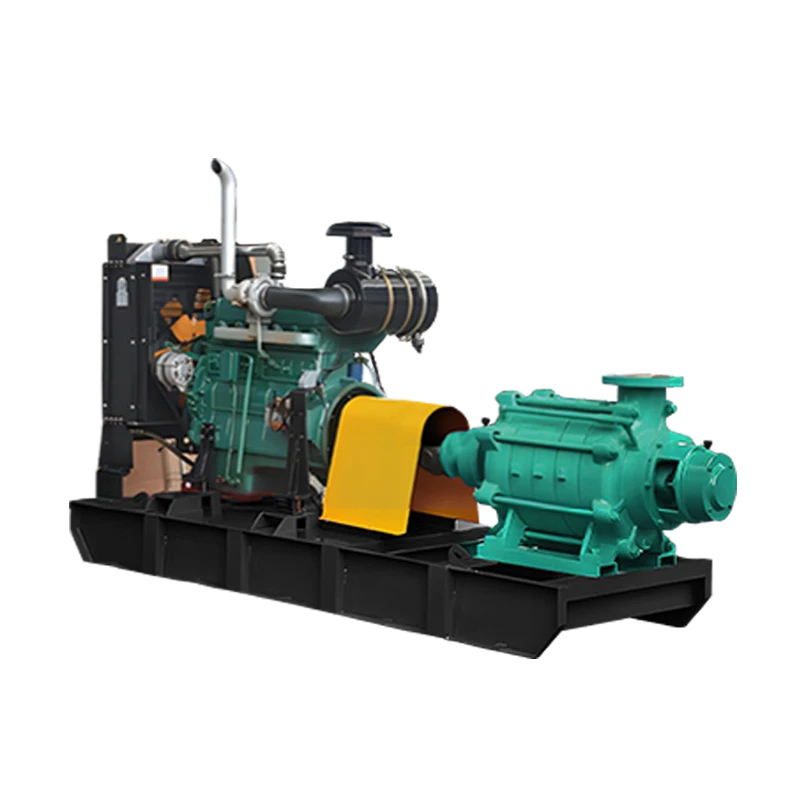
Tide Power Technology, for example, includes its TD10 mini excavator within a broader industrial equipment portfolio that follows CE and ISO compliant production. The company’s general machinery line is built for durability and easy maintenance, and its existing global logistics channels reduce shipping friction. This is the kind of operational maturity I look for when recommending a manufacturer to international buyers.
Before finalizing a supplier, confirm the technical documentation you will receive. Parts manuals, hydraulic schematics, and engine service guides should be available in English and delivered before shipment. If your evaluation criteria include certification proof or regional distributor coverage, sharing your requirements early with a manufacturer’s export team at [email protected] can save weeks of back-and-forth later.
Total Cost of Ownership Beyond the Invoice
The gap between the purchase price and the total cost of ownership (TCO) is where many importers lose margin. I’ve seen fully delivered, duty-paid costs land 20–40% above the FOB quote for a 1-ton mini excavator. That jump happens because freight, insurance, port fees, and inland trucking add layers that are easy to underestimate.
Once the machine is on site, operating expenses begin. Diesel fuel, periodic filter changes, track wear, and hydraulic hose replacements all accumulate. Manufacturers that offer accessible spare parts catalogs and responsive technical support compress these running costs. I recall projects where a single out-of-stock component stopped work for weeks, simply because there was no expedited replacement path. Before signing a purchase order, verify that the supplier maintains spare parts in a regional warehouse or has a DHL-express parts program. Also, check the warranty’s coverage on major components. A 12-month or 1,500-hour warranty that includes the engine block and hydraulic pump can offset a meaningful slice of your risk.
A Practical Checklist for International Buyers
Use these steps to structure your next supplier evaluation:
- Request copies of CE and ISO certificates, not just a mention of compliance.
- Get a complete landed cost quote: FOB price, freight, insurance, and estimated import duty.
- Confirm warranty terms in writing, including which parts are covered and the claim process.
- Ask for the spare parts catalog and typical delivery time for high-wear items.
- Verify which attachments and accessories are included in the base price.
- Test the manufacturer’s communication—response time and clarity during the inquiry stage often mirror after-sales support quality.
- If possible, request a live video walkthrough of the production line or a recent machine undergoing testing.
Questions Buyers Ask Before Ordering a 1 Ton Mini Excavator
How much should I budget for a 1 ton mini excavator from China?
A realistic landed budget sits between $8,000 and $18,000, depending on engine brand, accessories, and destination. The factory FOB price usually falls in the $5,000–$12,000 range, but factor in 30–50% for freight, insurance, and import duties. Getting a full door-to-door quote from the supplier closes the gap between expectation and actual cost.
Are Chinese mini excavators reliable for daily use?
When sourced from an ISO-certified manufacturer that documents its quality control and after-sales support, reliability is comparable to many Korean or Japanese brands at a lower price point. The differentiator is not the country of origin but the specific factory’s engineering standards and export track record. I always advise prioritizing manufacturers that can supply client references in your region.
What attachments work with a 1 ton mini excavator?
Standard buckets, hydraulic breakers, augers, rippers, and grading blades all work well within the hydraulic flow range of a 1-ton machine. Confirm the excavator’s auxiliary flow rate matches the attachment’s requirement, and verify that the quick coupler system is compatible with the attachments you plan to use. Many manufacturers offer attachment packages bundled with the machine to simplify setup.
How long does it take to import and clear customs?
Plan for a 6–8 week total lead time from order to ready-to-work. Ocean transit from China to most Western ports takes 25–45 days, and customs clearance plus inland delivery adds another 7–14 days. Some suppliers offer consolidated container services that can speed the process if you are importing multiple units or a mixed equipment shipment.
What warranty is typical for a 1 ton mini excavator?
Most export-grade 1-ton mini excavators carry a 12-month or 1,500-hour warranty, whichever comes first, covering the engine, hydraulic pump, and major structural components. Before ordering, ask for a written warranty document that spells out labor coverage, parts shipping costs, and the claim procedure. If your project timeline demands guaranteed local support, share your requirements with our team at [email protected] or call +86 591 2806 8999 to discuss a package that aligns with your specs and schedule.
International procurement can be a maze of hidden costs and uneven quality. By partnering with a manufacturer that offers tested equipment, clear documentation, and responsive after-sales infrastructure, you turn a sourcing risk into a reliable asset. To start a discussion tailored to your project, send your part numbers and quantity requirements to [email protected], or call +86 591 2806 8999 to speak with our equipment specialists about the specific working conditions you need the machine for.
If you’re interested, check out these related articles:
Tide Power Featured on CCTV’s News Broadcast of the 135th Canton Fair
Tide Power Unveils Advanced Hybrid Power Solutions, Redefining Industrial Energy Resilience
Tide Power Recognized as One of Top Manufacturers by IMIR Market Research
Powering Industry & Infrastructure: Tide Power’s Advanced Pump Solutions Set New Standards in Efficiency & Reliability