 ZH
ZH EN
EN FR
FR ES
ES AR
AR电信基站的储能通常被简化为电池采购的过程。但我们合作的运营商已经意识到,单独考虑储能——不考虑发电机组、太阳能潜力或站点未来的容量需求——会导致组件不匹配和运营成本上升。在 泰德,我们将储能视为可靠、低成本混合电力系统的关键。本指南涵盖了帮助全球电信网络减少柴油消耗和提高站点正常运行时间的核心技术、集成原则和部署实践。.
认识到电信站点对储能的需求
对于许多电信运营商,尤其是管理偏远或农村基站的运营商,电力可靠性始终是一个挑战。电网故障很常见,即使在有电网的地区,电压波动也可能损坏敏感设备。传统上,柴油发电机一直是主要的备用电源,但它们带来高燃料物流、频繁维护和日益受到监管的噪音问题。.
储能系统——尤其是基于电池的系统——可以缓解这些问题。它们在短暂的停电期间提供即时备用,减少发电机启动次数,降低燃料消耗,并减少发动机磨损。在过去十年中,我们观察到运营商明显倾向于在站点增加储能,不是为了完全淘汰发电机,而是为了打造更具弹性、成本更低的混合系统。.
什么推动基站对储能的需求?
电信基站必须24小时不间断运行,甚至几分钟的停机也可能中断数千个连接。储能弥补了电网断电与发电机启动之间的空隙——单靠柴油发电机无法覆盖的空隙。在偏远地区,结合储能、太阳能和柴油可以显著减少柴油运行时间。根据我们的经验,配备电池储能的站点比仅使用发电机的站点出现的服务中断更少,运营支出也更低。.
电信基站电池技术的比较
多年来,VRLA电池一直是电信备用的标准,因其低前期成本而受到青睐。但磷酸铁锂(LiFePO4)改变了局面。凭借十倍的循环寿命、更高的能量密度和对深度放电的容忍,锂电池现在在新部署中占据主导地位。以下是基于我们自身产品数据和现场观察的比较:
| 参数 | VRLA(铅酸) | LiFePO4(锂电) |
|---|---|---|
| 循环寿命 | 300–500次 | 超过6,000次 |
| 放电深度(DoD) | 建议不超过50% | 最高可达90% |
| 能量密度(Wh/kg) | 30–50 | 90–120 |
| 运行温度 | 0°C 至 40°C(寿命缩短) | -20°C 至 60°C |
| 重量(相同容量) | 更重 | 50–70% 轻量化 |
| 维护 | 需要定期检查 | 最小化,远程监控 |
| 每千瓦时(整个使用寿命)的大致成本 | 前期投入较低,总成本较高 | 前期投入较高,使用寿命较长 |
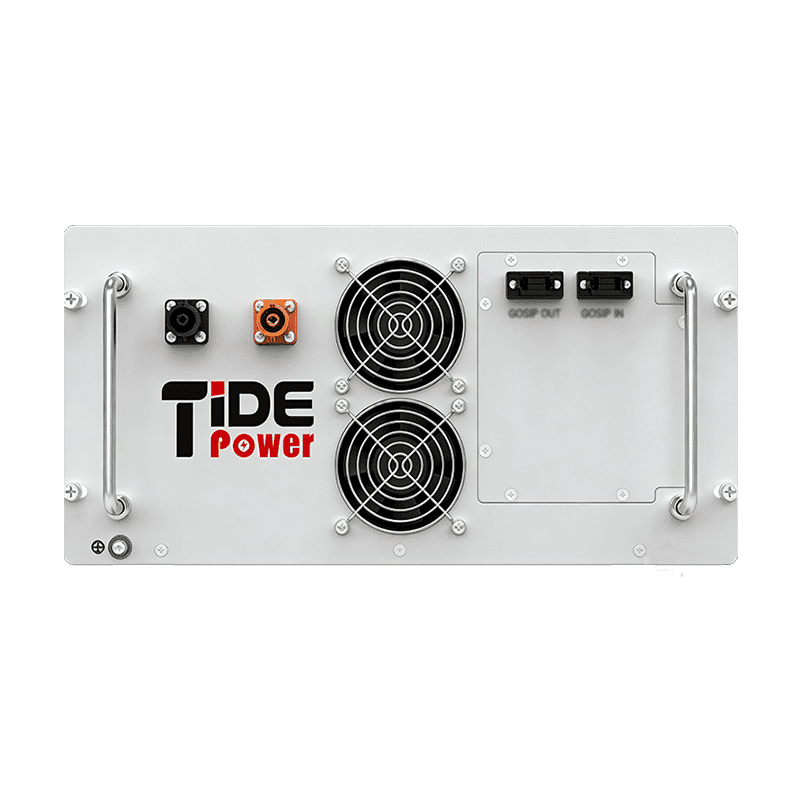
锂电池,例如 泰德 的 16.1 千瓦时 LFP 模块,循环寿命超过阀控铅酸(VRLA)十倍以上,并允许更深的放电,这意味着你需要更少的电池架以获得相同的可用容量。对于计划使用十年的通信站点运营商来说,锂电池的维护和更换成本较低,可能在三到五年内就能弥补较高的初始投资。.
锂电池和VRLA电池在通信中的区别是什么?
核心区别在于循环寿命和放电深度。VRLA电池必须保持浅度放电以延长寿命,因此通常需要超规模配置。锂电池可以定期深度放电至90%以上而不损坏,因此在相同额定千瓦时下,实际可用容量要高得多。这直接减少了塔站的空间和重量负担,对于空间紧张或屋顶安装尤为关键。.
通信电池通常能使用多久?
在良好条件下,通信用VRLA电池一般使用三到五年;在炎热气候中,寿命可能不到两年。相比之下,锂电池的质保期为十年以上,且在保持80%以上容量的情况下可超过6000个循环。在评估供应商的声明时,我们建议运营商请求在站点典型工作温度下的循环寿命数据,因为极端高温会影响性能。.
将储能与柴油发电机集成
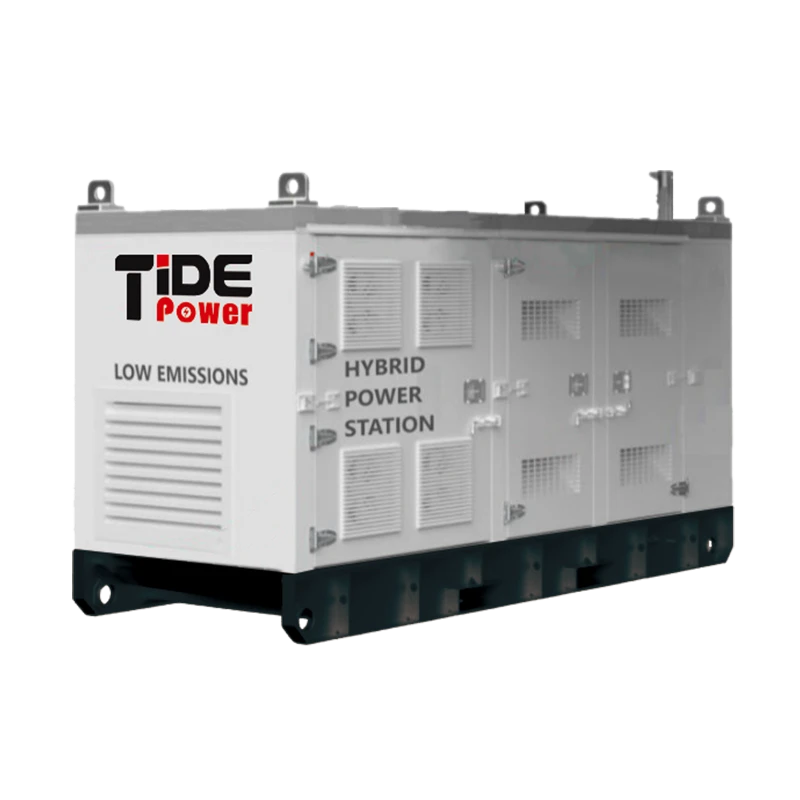
能源存储在通信中的真正价值不在于取代发电机——而在于减少其运行时间。一个设计良好的混合系统利用电池应对短暂停电和负载平滑,而发电机则作为长时间的安全保障。这正是 泰德 混合电力系统的优势所在:它们将太阳能、储能和柴油融为一体,形成一个无缝、智能的微电网。.
系统的控制器在毫秒级别切换电源,确保通信负载的连续供电。在我们的许多客户部署中,这种集成方案已将柴油机运行时间减少超过50%,直接降低燃料成本并延长发电机的使用间隔。.
能源存储能完全取代柴油发电机吗?
对于具有可靠电网连接且停电时间短的基站,足够容量的电池系统可以在无需发电机的情况下应对备用需求。然而,对于离网或电网极不可靠的站点,发电机仍然是延长停电时间的必要设备。电池容量有限,充电时间有限,因此最稳妥的方案是混合系统,由储能处理日常循环,发电机作为长时间备用。除非经过严格的站点能源审查确认安全,否则我们不建议完全淘汰发电机。.
如果您的运营环境涉及频繁但短暂的电网中断,或者计划在多个气候区大规模部署,提前验证您的储能系统能否与现有发电机控制器通信,将在规划阶段节省大量返工。我们的团队可以协助进行兼容性评估;请联系 [email protected]。.
混合能源系统如何为通信提供支持?
混合通信电力系统通常由电池组、太阳能电池阵列(如果现场有的话)和柴油发电机组成,由智能控制器管理。白天,太阳能板为电池充电并供电;多余的太阳能储存起来;夜间或太阳能不足时,电池供电直到达到预设的放电深度,此时控制器启动发电机。发电机在最佳负载下运行,同时为电池充电和站点供电,然后在电池达到设定的充电状态后关闭,最大限度地减少运行时间。这个循环不断重复,在保证不间断供电的同时实现燃料效率最大化。.
部署与站点要求指南
在通信站点部署储能不仅仅是将电池柜放在塔旁。站点的温度极端、尘埃、湿度和空间限制等因素都会极大影响系统的选择和寿命。.
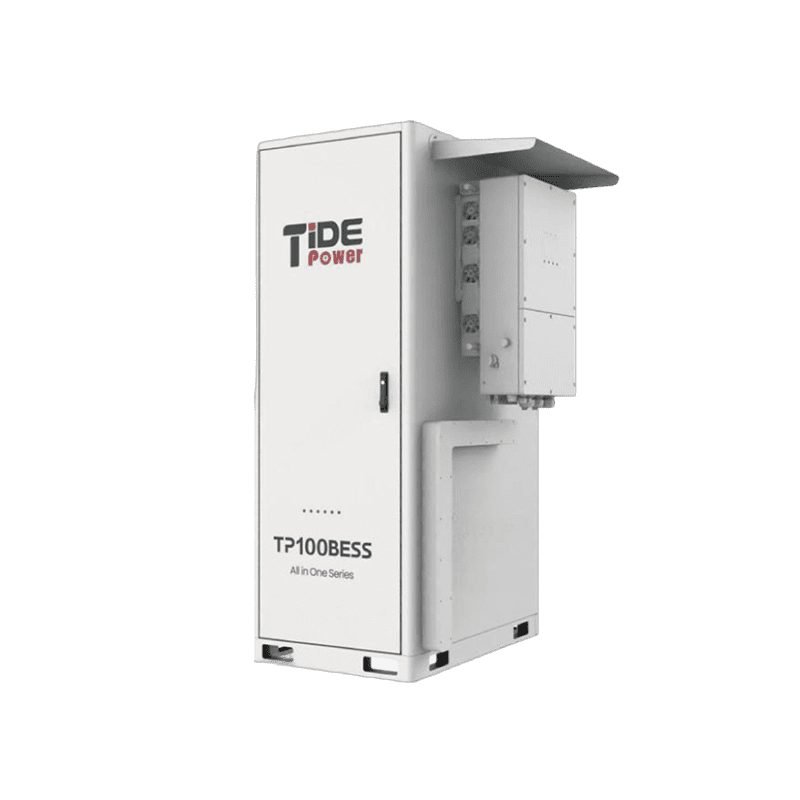
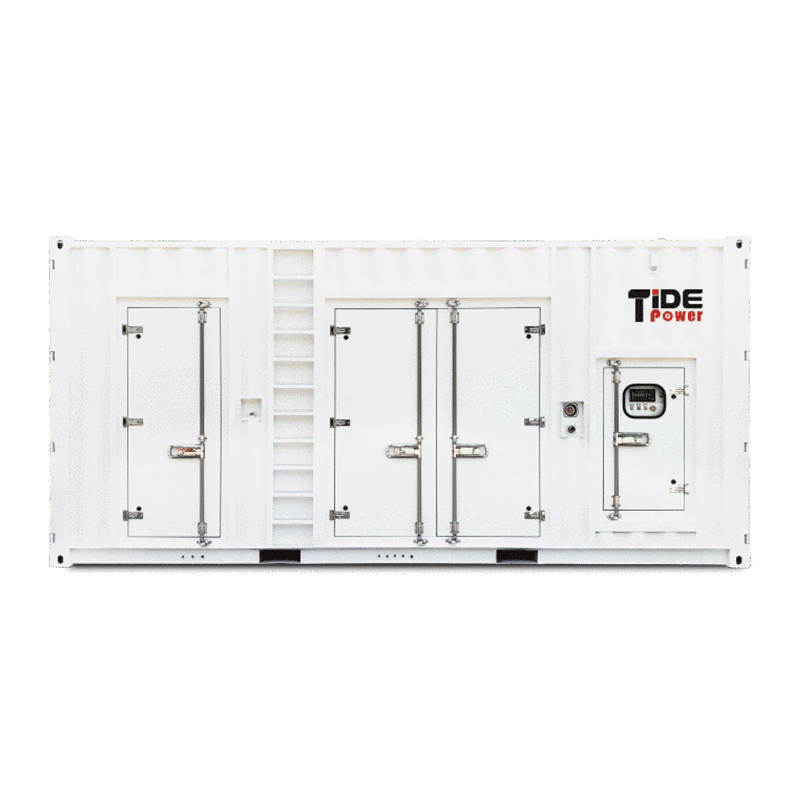
对于户外安装,集装箱式BESS解决方案提供坚固的保护和便于运输。泰德的TP-200BESS是一款预接线、经过测试的集装箱式锂电储能系统,适合快速部署。它配备主动冷却、灭火系统和远程监控接口,解决了偏远站点的诸多挑战。.
户外BESS的关键站点要求有哪些?
户外储能必须能够承受当地气候条件而不影响性能。主要要求包括:具有IP55或更高等级的防尘防水外壳,主动热管理系统以保持电池在0–40°C(理想范围为20–30°C,以延长锂电池寿命),防盗和防破坏的物理安全措施,以及可靠的远程连接以监控电荷状态、健康状况和警报。实际上,我们建议运营商铺设混凝土垫或加固平台,确保有足够的排水,并能进行定期维护,尽管锂系统比发电机需要的维护少。.
如何为通信站点合理配置储能容量?
容量设计应基于详细的负载分析:通信设备的平均和峰值功耗、所需备用时间,以及如果采用混合系统,站点的太阳能资源。一般经验是,电池容量应能支持至少四到八小时的自主运行,且未来可扩展。但我们强烈建议进行站点特定的能源审查,考虑季节性负载变化和现有发电机的特性。容量过大会增加成本,容量过小则可能导致频繁深度放电,缩短电池寿命。对于一个持续功率2千瓦、备用8小时的典型配置,16–20千瓦时的可用电池组是合理的起点。.
评估供应商与管理总拥有成本
选择了解通信环境的能源存储供应商至关重要。我们见过太多项目,电池由一家供应商提供,发电机由另一家供应,集成不良导致不断的服务请求。这也是 泰德 提供完整生态系统的原因:电池、发电机组、混合控制器和全球售后支持——全部由一个合作伙伴提供。.
作为曼海姆等发动机品牌的授权OEM合作伙伴,泰德 Technology拥有超过15年的设计和供应发电机组及电池系统的经验,面向国际市场。我们的BESS产品线从5千瓦时的住宅级模块到200千瓦时的集装箱系统,全部采用磷酸铁锂(LFP)化学,确保安全性和长寿命。.
选择能源存储供应商时应关注哪些方面?
寻找一个提供系统级思维而不仅仅销售电池硬件的供应商。理想的合作伙伴应提供技术支持 支持 在现场勘查阶段,根据实际负载数据推荐电池容量,并确保储能系统能够与现有的发电机控制器集成。远程监控能力对于拥有数十或数百个站点的电信网络至关重要。请咨询 保修 涵盖循环寿命的条款,而不仅仅是日历年,并询问供应商的远程故障排除流程。.
电信用储能系统的成本是多少?
成本因容量、化学性质和配置而差异很大。对于磷酸铁锂系统,安装成本每可用千瓦时可能在$400到$800之间,具体取决于规模和外壳要求。虽然这比阀控铅酸电池高,但在10年使用期内的总拥有成本通常较低,因为与发电机集成后可以减少更换、维护和燃料成本。我们鼓励运营商进行整个站点生命周期的总拥有成本(TCO)建模,而不仅仅关注前期资本投入。.
减少您的电信站点对柴油的依赖
减少电信站点对柴油的依赖始于匹配良好的储能系统。在泰德,我们的混合动力和BESS解决方案经过设计,可与现有基础设施集成,远程监控,并由全球服务支持。若要讨论您的具体站点需求并获得定制方案,, 联系我们 请发邮件至[email protected]或致电+86 591 2806 8999。.
关于电信储能的常见问题
在电信应用中,锂电池的典型寿命是多少?
电信用的磷酸铁锂电池通常可以使用10到15年,经过合理管理后,常常超过制造商的循环寿命。循环频率和环境温度等因素会影响这个数字,但配备智能控制器优化充电曲线后,我们在实际部署中看到其循环次数超过6000次,容量仍能保持在80%以上。.
我可以在现有配备柴油发电机的基站上改装储能系统吗?
在运行中的站点进行储能改装是我们最常接到的请求之一。通常的方法是添加一组兼容的混合逆变器和一个与现有发电机自动启动面板通信的控制器。由于锂电池体积小,通常可以放入现有的避难所或新的户外柜,无需大规模土建工程,使得大多数站点的升级变得非常简单。.
电池储能系统需要哪些维护?
普遍的误解是电池储能需要大量维护。实际上,锂系统几乎无需维护,定期进行目视检查、电缆检查和远程监控警报即可覆盖大部分维护工作。无需更换机油、燃油滤清器或启动电池。我们确实建议每半年由专业人员对整个电力系统(包括逆变器和控制器)进行一次检查,尤其是在恶劣环境中,但这与发电机的维护相比是微不足道的任务。.
温度和气候如何影响偏远站点的电池性能?
温度是影响电池寿命的最大外部因素。锂电池在20°C到30°C之间表现最佳。高于40°C会加速容量损失,而在0°C以下充电可能造成永久性损伤,除非电池管理系统包含低温保护。在沙漠或极地站点,我们会采用主动热管理措施——加热器和空调,或在极端情况下采用液冷系统,以保持电池在安全范围内。热管理所需的额外能量相对于电池容量来说很小,但在容量设计时必须考虑。.
我如何确定我的塔群的储能容量合适?
要在网络中进行存储容量的规模化,您需要系统级的分析,而非每个塔的猜测。我们建议根据电网可靠性、太阳能资源和负载特性对站点进行分组,然后统一采用几种BESS尺寸,以简化备件和维护。对于计划分阶段推广的运营商,从试点站点开始可以验证您的容量规划方法,然后再进行规模扩展。为了获得适合您网络的详细容量计划,请将您的站点数据分享给泰德,邮箱地址为[email protected],或致电+86 591 2806 8999。.
如果您感兴趣,可以查看以下相关文章:
?新P系列:可靠且具有成本效益的选择
泰德推出B系列干式吸入污水泵:无需引水,无堵塞,无停机时间
工业发电机和混合动力系统如何解决夏季能源挑战