 AR
AR EN
EN ZH
ZH FR
FR ES
ESمطابقة ملصق القدرة على المولد مع ملصق مكيف الهواء في عربة التخييم الخاصة بك هي الجزء السهل. ما يتجاهله معظم الأدلة هو الفرق بين مولد يبدأ تشغيل مكيف الهواء وواحد يحافظ على تشغيله طوال بعد ظهر رطب دون انقطاع، مع شحن بطاريةك وتشغيل ثلاجتك. على مر سنوات من تقييم أنظمة مجموعات المولدات عبر مشاريع صناعية وبعيدة، رأيت نفس النمط: يكتشف المخيمون في عطلة نهاية الأسبوع والمسافرون الدائمون على حد سواء أن المولد الذي يلبي الحد الأدنى على الورق قد يكون قصيرًا في العالم الحقيقي—عندما يقل الهواء على ارتفاعات عالية، ينخفض جودة الوقود، أو تتغير دورة الحمل بطرق لا تلتقطها ورقة المواصفات أبدًا. تتناول هذه المقالة مبادئ الهندسة والتوريد التي تميز المولد الذي تثق به عن ذلك الذي يصبح حدًا لرحلاتك، مع تقديم إطار شراء مبني على فيزياء الطاقة، وبيئة التشغيل، وموثوقية المورد بدلاً من نقاط التسويق.
متطلبات الطاقة تبدأ بحمل متزامن، وليس فقط الواط عند التشغيل
مُولد عربة التخييم لا يُشغل جهازًا واحدًا في مختبر. يتعامل مع مزيج من الأحمال الحثية (مكيف الهواء، الميكروويف) والأحمال المقاومة (الأضواء، عناصر التدفئة) التي تتصرف بشكل مختلف عند التشغيل وأثناء السحب الثابت. الخطأ الأكثر شيوعًا هو استخدام فقط واط بدء تشغيل مكيف الهواء لتحديد حجم المولد وتجاهل ما قد يكون قيد التشغيل في نفس الوقت.
مكيف هواء عربة التخييم القياسي بسعة 13500 وحدة حرارية بريطانية يستهلك حوالي 1500–1700 واط أثناء التشغيل، لكنه قد يتطلب 2800–3200 واط للبدء، اعتمادًا على الضاغط ودرجة الحرارة المحيطة. أضف ميكروويف (1000–1200 واط)، محول شحن البطاريات (300–500 واط)، وثلاجة سكنية (400–700 واط)، وسيكون الإعداد الذي بدا مريحًا على الورق عند 3000 واط قد يتسبب في انقطاع الدائرة في أول مساء.
القاعدة العملية التي طبقتها في تحديد حجم أنظمة الطاقة غير الشبكية هي سرد كل جهاز يمكن تشغيله في نفس الوقت، وأخذ واط التشغيل المقدر لها، وضرب أكبر حمل حثي في 1.8–2.2 للزيادة المفاجئة، وإضافة هامش 15% للتقليل الناتج عن درجة الحرارة والارتفاع. عند ارتفاع 5000 قدم فوق مستوى سطح البحر، يفقد المولد البنزين العادي حوالي 3–4% من قدرته الاسمية لكل 1000 قدم—مما يعني أن المولد المصنف بـ 3000 واط عند مستوى سطح البحر قد يوفر حوالي 2400 واط فقط عند 7000 قدم. هذا الهامش ليس ترفًا؛ إنه ما يمنع إغلاق المخيم في منتصف الليل.
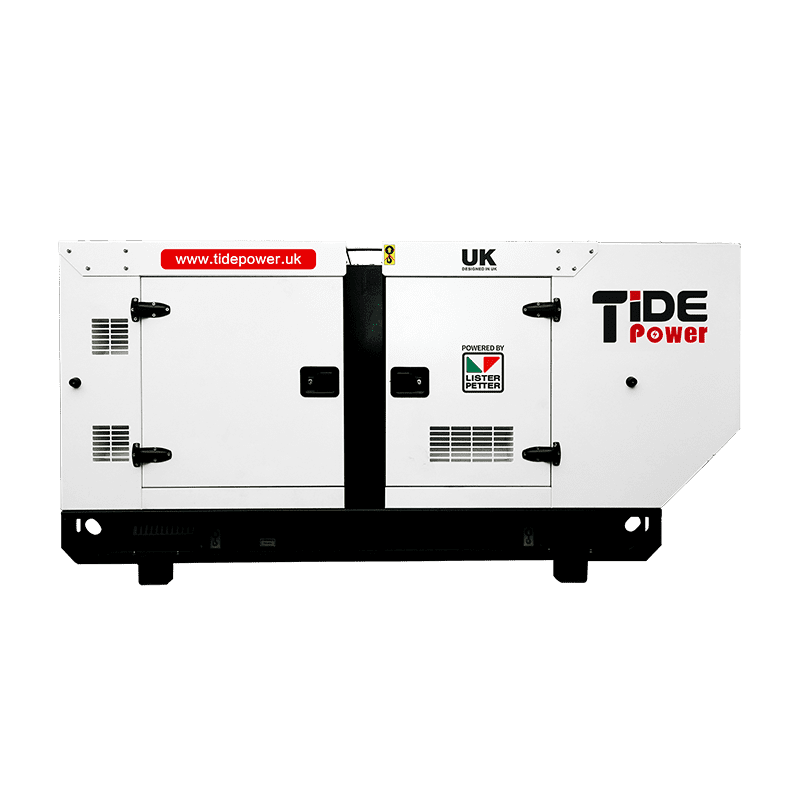
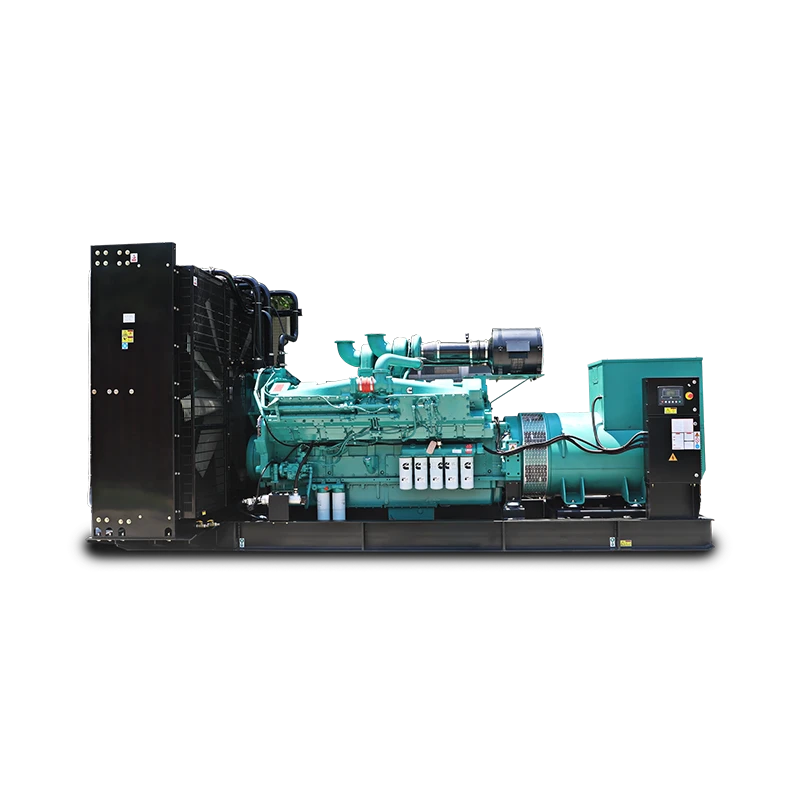
يجب أن يغطي تصنيف واط التشغيل للمولد الحمل المتزامن، بينما يغطي تصنيف الزيادة أكبر بداية حثية واحدة. بالنسبة لعربة تخييم تعمل بمقبس 30 أمبير وتشغل مكيف هواء واحد، وميكروويف، وأضواء، فإن مولدًا مصنفًا بـ 3000–3500 واط أثناء التشغيل بسعة زيادة فوق 4000 واط يكون عادة كافيًا. عربة بقابس 50 أمبير مع مكيفين تتطلب 5500–7000 واط أثناء التشغيل، وعند هذا المستوى من القدرة، تصبح الفروقات في جودة المحرك وتصميم المولد أكثر أهمية بكثير من رقم الواط المطبوع.
نوع الوقود يشكل واقع تشغيلك أكثر مما تظن
البنزين، البروبان، والديزل يفرض كل منها إيقاعًا مختلفًا على رحلتك، ويجب أن يتبع القرار ملف استخدامك، وليس توافق الإنترنت. يظل البنزين الوقود الأكثر شيوعًا لمولدات عربة التخييم المحمولة لأنه متوفر على نطاق واسع والمحركات سهلة الصيانة. عادةً، يوفر المولد البنزين كثافة طاقة حوالي 10–12% أكثر من نفس السعة عند التشغيل على البروبان، لذا إذا كنت على حافة متطلباتك من الطاقة، فإن التحول إلى البروبان قد يجعلك أقل من المطلوب. ومع ذلك، يتدهور البنزين مع الوقت، ويتطلب مثبتات للاستعمالات التي تجلس لعدة أشهر بين الرحلات.
مولدات البروبان تقضي تمامًا على مشكلة الوقود العفن. فهي مغلقة نظام الوقود تمنع تلاصق الكاربوريتور، والوقود نفسه لا ينتهي صلاحيته أبدًا. المقايضة هي كثافة طاقة أقل والحاجة إلى حمل أسطوانات البروبان، مما يتطلب تخطيطًا للتوقف عند محطات التعبئة خلال رحلة طويلة. إذا كانت عربة التخييم الخاصة بك تستخدم البروبان بالفعل للطهي والتدفئة، فإن مولدًا مزدوج الوقود يعمل على البنزين والبروبان يمنحك حماية عملية: البروبان لأمسيات المخيم الهادئة حيث لا تريد التعامل مع الوقود السائل، والبنزين لزيادة هامش القدرة عندما يتآمر الارتفاع والحرارة ضدك.
مولدات عربة التخييم التي تعمل بالديزل أقل شيوعًا في مصر خارج عربات التخييم التي تعمل بمحركات ديزل، لكنها تقدم مزايا كبيرة في كفاءة الوقود وطول العمر. في مجموعات المولدات الصناعية التي قمت بتحديدها، تتجاوز محركات الديزل عادةً عمرها الافتراضي مقارنة بمحركات البنزين بمقدار 2–3 أضعاف بالساعات، وينطبق نفس المبدأ على الأحجام الصغيرة. إذا كانت عربة التخييم الخاصة بك تحتوي على هيكل ديزل ويمكنك السحب من الخزان الرئيسي، فإن المولد الديزل يندمج بشكل نظيف في نظام وقود العربة ويبعدك تمامًا عن دائرة محطات الوقود. المحرك أثقل والتكلفة الأولية أعلى، لكن ميزة تكلفة التشغيل بالساعة وفترة الصيانة غالبًا ما تجعله الخيار الأفضل للمقيمين الدائمين والمستخدمين الكثيفين.
| نوع الوقود | كثافة الطاقة | مدة التخزين | تكلفة التشغيل لكل ساعة (حمل 3 كيلوواط) | متوسط عمر المحرك (بالساعات) | الأفضل لـ |
|---|---|---|---|---|---|
| البنزين | الأعلى | 3–6 أشهر | متوسط | 2,000–3,000 | مخيمون عرضيون، أقصى طاقة من وحدة صغيرة |
| البروبان | ~10% أقل من البنزين | غير محدود | مماثل لأقل قليلاً | 2,000–3,000 | مستخدمون موسميون، يحترق نظيفًا، بدون وقود قديم |
| الديزل | مقارن بالبنزين | أكثر من 12 شهرًا | أقل لكل كيلوواط ساعة | 5,000–8,000 | مخيمون دائمون، سيارات سكنية بمحركات ديزل |
إذا كان برنامجك يتضمن السفر الدولي أو التخييم في المناطق النائية حيث تتغير توفر الوقود، فمن الجدير التأكد من جودة الوقود المحلية ولوجستيات التوريد قبل اختيار المولد الخاص بك — تواصل عبر [email protected] لمناقشة العوامل البيئية واللوجستية التي تؤثر على تكوين نظام الوقود.
تقنية العاكس والتصميم الصوتي يحددان جودة المعيشة
المولد الذي يُفسد هدوء غروب الشمس في الجبل قد فشل في أهم وظيفة له. المقياس الفني هو الديسيبل على مسافة معينة، لكن ما يهم من الناحية التشغيلية هو ما إذا كان الجهاز يعمل بصوت هادئ بما يكفي بحيث يمكنك إجراء محادثة على بعد 10 أمتار ولا يشعر جارك في المخيم بالاهتزاز من خلال الأرض.
المولدات التقليدية تعمل بسرعة ثابتة (عادة 3600 دورة في الدقيقة) لإنتاج طاقة تيار متردد 60 هرتز بغض النظر عن الحمل، لذلك فهي تصدر ضوضاء محرك كاملة حتى عند تشغيل شاحن صغير فقط. المولدات العاكسة تغير سرعة المحرك لتتناسب مع الحمل، وتنخفض إلى وضع السكون عندما يكون الطلب منخفضًا وتزيد فقط عند الحاجة. هذا يقلل بشكل كبير من استهلاك الوقود والضوضاء أثناء التشغيل الجزئي للحمل — وهو أغلب الوقت في مركبة التخييم. المولد العاكس عالي الجودة المصنف بين 53–58 ديسيبل عند ربع الحمل هو نوع مختلف من الآلات عن الوحدة التقليدية ذات الإطار المفتوح التي تنتج 68–72 ديسيبل على نفس المسافة. الفرق بين 10–15 ديسيبل يُعتبر تقريبًا نصف إلى ثلث مستوى الصوت.
قسم العاكس نفسه مهم أيضًا للنظافة الكهربائية. العاكس الجيد يُنتج موجة جيبية نقية مع تشويه توافقي كلي (THD) أقل من 3%، مما يحمي الإلكترونيات الحساسة مثل شواحن اللابتوب، الأجهزة الطبية، وبعض لوحات تحويل المركبات. المولدات التي تتجاوز نسبة التشويه التوافقي 5% قد تتسبب في إعادة ضبط المعالجات الدقيقة أو تسخين المكونات مع مرور الوقت. إذا كنت تستخدم جهاز ضغط مجرى الهواء (CPAP)، أو معدات الإنترنت عبر الأقمار الصناعية، أو نظام ترفيه عالي الجودة، حدد مولدًا بنسبة تشويه توافقي أقل من 3% بدلاً من محاولة تصفية الطاقة غير النظيفة لاحقًا.
يساهم التعبئة المادية تقريبًا بنفس القدر في الضوضاء في العالم الحقيقي مثل المحرك نفسه. يمكن لمولدات العاكس المغلقة المزودة برغوة امتصاص الصوت، وتركيبات محرك معزولة عن الاهتزاز، ومخارج عادم موجهة أن تعمل بشكل هادئ بشكل ملحوظ حتى عندما يكون المحرك يعمل بجهد كبير. في ال توليد الطاقة مشاريع قمت بالإشراف عليها، الفرق بين حاوية مصممة بشكل جيد وغطاء أساسي غالبًا ما يكون 5-8 ديسيبل A للذات المحرك نفسه، وهو الفرق بين مولد يندمج مع ضوضاء المخيم الخلفية وواحد يثير الشكاوى.
الاعتمادية تأتي من المورد، وليس فقط من ورقة المواصفات
لا تضمن مواصفات المولد على الورق شيئًا إذا لم يبدأ التشغيل في صباح بارد أو ال الضمان الدعم يعني أوقات الانتظار الطويلة ورسوم الشحن التي يتعين عليك دفعها. عندما أقيم مصنعي المولدات لمشاريع الطاقة، أول شيء أركز عليه هو شبكة الخدمة وتوفر القطع، وليس تصنيف القدرة الحصانية.
بالنسبة لمولد كهربائي لمركبة سكن متنقلة قد يسافر آلاف الأميال من وكيله المبيعات، فإن وجود شبكة واسعة من مراكز الخدمة المعتمدة التي تلتزم بالضمان دون فرض رسوم على التشخيص يكون أكثر قيمة من زيادة قدرها 100 واط في القدرة الإنتاجية. بعض العلامات التجارية التي تقدم منتجات ممتازة في أمريكا الشمالية تكاد لا توجد خارج سوقها المحلية، لذا فإن المسافر الأوروبي أو الأسترالي الذي يشتري عبر أمازون يواجه لغز لوجستي مكلف إذا فشل شيء ما. تحقق مما إذا كانت شروط الضمان تشمل الأجزاء، والعمالة، والشحن خلال فترة التغطية، وما إذا كان الصانع يحتفظ بخط دعم فني يجيب فعلاً.
علامة محرك وعلامة المولد النهائية كلاهما مهمان. في عالم المولدات الصناعية، نحدد عادةً علامات محرك ومولد منفصلة بحيث يمكن اختيار كل مكون بناءً على موثوقيته. تستخدم العديد من المولدات المحمولة محركات مملوكة لها مع دعم محدود لقطع الغيار؛ بينما يتم بناء أخرى حول منصات محركات معروفة من هوندا، ياماها، أو كوهر حيث تتوفر قطع الغيار في جميع أنحاء العالم لعدة عقود. بالنسبة لمولد السيارة الترفيهية التي ستعتمد عليها في المناطق النائية، فإن ميزة منصة المحرك السائدة تفوق قليلاً على السعر الإضافي.
جودة البناء المادية أصعب في تقييمها من الصور، لكن ابحث عن غطاء أسطوانة من الحديد الزهر (وليس مجوف الألمنيوم)، ومولد بدون فرش مع لفائف نحاسية، ونظام تنظيم جهد تلقائي (AVR) بدلاً من تنظيم بواسطة مكثف. هذه هي نفس علامات الاعتمادية التي نستخدمها عند تأهيل وحدات التوليد الصناعية، وتترجم مباشرة إلى الحجم الأصغر لوحدة الترفيه المتنقلة.
سعر الشراء هو أصغر رقم في معادلة الملكية
مولد $600 الذي يتعطل في موسمين ويتركك بدون طاقة في الصحراء يكلف أكثر بكثير من مولد $1,500 الذي يبدأ عند السحب الأول في كل مرة. ومع ذلك، فإن الدافع للشراء بناءً على السعر قوي لأن التوفير الفوري مرئي والفشل المستقبلي غير مرئي.
احسب التكلفة على مدى فترة الملكية المتوقعة. قد يحصل مخيم عطلة نهاية الأسبوع الذي يستخدم مولدًا لمدة 40 ساعة في السنة على من 5 إلى 7 سنوات من وحدة ذات جودة ميزانية قبل الصيانة الكبرى، بينما قد يصل عمر المولد الذي يستخدمه شخص كامل الوقت ويقضي 600 ساعة في السنة على نفس المولد إلى نهاية عمره في 3 إلى 4 سنوات. في الحالة الأخيرة، تصبح فروق كفاءة الوقود مهمة. المولد الذي يستهلك 0.25 جالون في الساعة عند نصف الحمل مقابل واحد يحترق 0.35 جالون في الساعة يوفر حوالي 1,200 جنيه إسترليني في الوقود على مدى 3,000 ساعة بأسعار الوقود الحالية—ما يكفي لشراء الجهاز الأكثر كفاءة بالكامل.
البعد بعد البيع هو العامل الأكثر إهمالًا في التكاليف. مولد تم بيعه من خلال قناة تجزئة لا تقدم دعمًا فنيًا يصبح منتجًا قابلًا للاستخدام مرة واحدة فقط. لقد أجريت محادثات مع مشغلي أساطيل المركبات الترفيهية الذين اعتمدوا على علامة تجارية معينة ليس لأنها الأرخص، ولكن لأن المنطقة الموزع قطع الغيار المخزنة ويمكنها تسليم وحدة بديلة خلال 24 ساعة إذا استغرقت عملية الإصلاح أكثر من 48 ساعة. بالنسبة لأسطول التأجير حيث تظهر تكاليف التوقف عن العمل على الميزانية، فإن تلك القدرة اللوجستية لها قيمة مالية تتجاوز أي خصم.
إذا كان ملف رحلتك يتضمن حدودًا دولية أو مناطق مناخية متعددة، تأكد من أن المولد الذي تفكر فيه يفي بمعايير الانبعاثات وشهادات السلامة المطلوبة في البلدان التي ستزورها. وحدة معتمدة فقط للامتثال لمعايير وكالة حماية البيئة لا يمكن استيرادها قانونيًا إلى دول الاتحاد الأوروبي التي تتطلب علامة CE، والعكس صحيح. هذا الفجوة في الشهادات سهلة التغافل عنها في دليل المشتري، لكنها تصبح واقعية بشكل مؤلم عند فحص الجمارك. شارك مناطق السفر المقصودة ومتطلبات الطاقة الخاصة بك على [email protected]، وسنساعدك في رسم خريطة المتطلبات التنظيمية والفنية قبل الشراء.
أسئلة شائعة حول مولدات RV
كيف أحسب حجم المولد الذي أحتاجه بدون شهادة هندسة؟
قم بإدراج كل جهاز يمكن تشغيله في نفس الوقت، وليس فقط الأكبر منها. بالنسبة لمكيف هواء واحد، ميكروويف، وشاحن، ابدأ بواط التشغيل لكل منها (مثلاً، 1700 + 1000 + 500 = 3200 واط). ثم أضف الارتفاع المفاجئ عند بدء تشغيل أكبر محرك—تقريبًا ضعف واط التشغيل الخاص به—لكن لاحظ أنك بحاجة فقط لتغطية قدرة الارتفاع المفاجئ، وليس التصنيف المستمر. مولد بقدرة 3200 واط مستمر مع تصنيف ارتفاع مفاجئ قدره 4000 واط سيبدأ تلك المجموعة. أضف 15% إذا كنت تتخيّم فوق ارتفاع 5000 قدم.
هل مولدات العاكس تستحق بالفعل التكلفة الإضافية لمركبة الترفيه المتنقلة؟
آلية العاكس نفسها ليست الحل الكامل؛ إن الجمع بين سرعة المحرك المتغيرة والإخراج الكهربائي النظيف هو ما يبرر السعر. عندما تكون في مخيم مع ساعات هدوء صارمة وعلى بعد 50 قدمًا بين المواقع، فإن مولدًا يهمس بمستوى حديث ويستهلك نصف وقود وحدة السرعة الثابتة يغير تجربتك تمامًا. للتخييم العرضي حيث لا يهم الضجيج، يعمل المولد التقليدي؛ وللتخييم لعدة ليالٍ، فإن العاكس يستحق ذلك.
هل يمكنني تشغيل مكيف الهواء الخاص بمركبي على مولد بقوة 2000 واط؟
يمكن أحيانًا أن يبدأ تشغيل مكيف هواء بقوة 13500 وحدة حرارية بريطانية على مولد عاكس بقوة 2000 واط إذا كانت الوحدة تتضمن مكثف بدء ناعم وكان تصنيف الطفرة للمولد لا يقل عن 3000 واط لبضع ثوانٍ. ولكن في يوم حار مع تشغيل شاحن البطارية، تتلاشى الهامش بسرعة. يجد العديد من مستخدمي المركبات الترفيهية أن الحد الأدنى العملي لتشغيل مكيف هواء واحد بشكل موثوق بدون انقطاع متكرر هو وحدة عاكس بقوة تتراوح بين 2200 و2500 واط.
هل يوفر البروبان المال مقارنة بالبنزين لمولد مركبتي الترفيهية؟
لكل جالون، يكلف البروبان تقريبًا نفس تكلفة البنزين أو أقل قليلاً في العديد من المناطق، لكنك ستستخدم حوالي 10% أكثر من البروبان لإنتاج نفس كمية الكيلوواط ساعة. تظهر التوفير الحقيقي في الصيانة والتخزين: لا تنظيف للكربراتور، لا مثبت وقود، ولا وقود فاسد للتخلص منه بعد الشتاء. على مدى ثلاث سنوات من الاستخدام الموسمي، تقلل الصيانة المنخفضة وعدم وجود هدر للوقود من تكلفة الملكية الإجمالية حتى لو كانت تكلفة الوقود لكل ساعة قريبة من البنزين.
كم يتغير ضجيج المولد فعليًا بين الطرازات، وما هو المقبول في مخيم التخييم؟
عند حمل 50%، تقيس المولدات ذات الإطار المفتوح عادةً بين 68 و74 ديسيبل عند 7 أمتار، بينما تعمل المولدات العاكسة ذات الجودة المغلقة بين 53 و58 ديسيبل. يعني فرق 15 ديسيبل أن الوحدة الأهدأ تنتج حوالي ربع الصوت المدرك. يفرض معظم مخيمات التخييم في مصر حدًا للضوضاء يبلغ 60 ديسيبل على بعد 50 قدمًا، ويقاس عند خط الملكية، ولدى العديد من المخيمات الأوروبية حدود أقل. إذا كنت تختار بين مولدين وكان أحدهما أهدأ بمقدار 3 ديسيبل، فهذا ملحوظ؛ وإذا كان أهدأ بمقدار 6 ديسيبل، فذلك الفرق بين أن يُطلب منك إيقاف تشغيله وتجاهله تمامًا. شارك متطلبات حساسيتك للضوضاء وسنؤكد أي تكوينات للمولد تلبي معايير مخيمك.
إذا كنت مهتمًا، اطلع على هذه المقالات ذات الصلة:
تيد باور تكشف عن حلول طاقة هجينة متقدمة، تعيد تعريف مرونة الطاقة الصناعية
انتهت بنجاح مؤتمر موظفي شركة تايد باور
المعرفة قوة: تدريب شامل من Tide Power
سجل لزيارة جناح شركة تايد باورز رقم 4.B13 في مؤتمر طاقة نيجيريا