Battery Backup vs Generator Backup: Commercial Buyer’s Guide

首页 / 博客 / Battery Backup vs Generator Backup: Commercial Buyer’s Guide

Battery Backup vs Generator Backup: Commercial Buyer’s Guide

作者 科泰德 7 月 15, 2026

For commercial facility managers comparing battery backup vs generator backup, the decision involves far more than upfront price tags. It demands a clear understanding of total cost of ownership, runtime requirements, fuel logistics, and long-term reliability. Having advised global energy infrastructure projects for over ten years, I’ve observed that while battery systems offer clean and quiet operation, diesel generator sets consistently deliver the most cost-effective and dependable backup power for extended outages. This guide breaks down each critical factor to help you make an informed procurement decision specifically for commercial and industrial applications.

How Do Battery and Generator Backup Systems Differ?

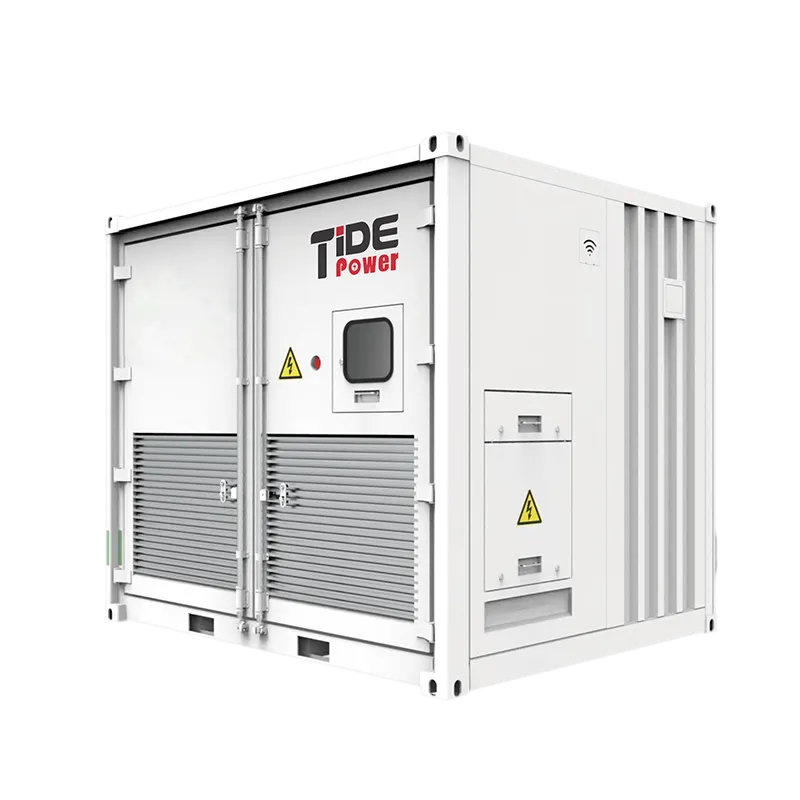
TP-261BESS

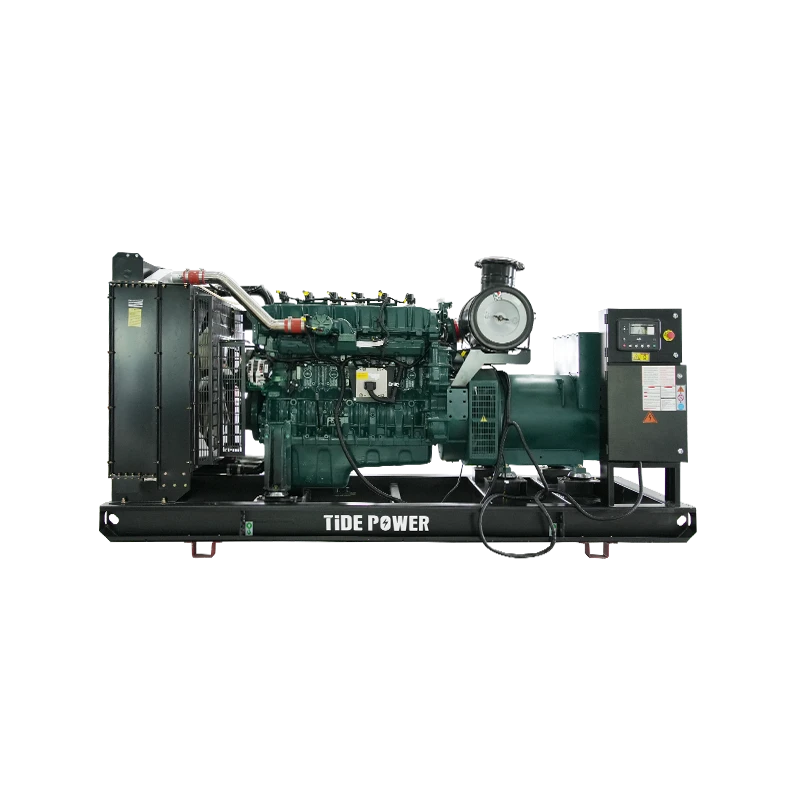
由Lister Petter驱动

Battery backup systems store electrical energy chemically, typically in lithium-ion cells, and discharge it through an inverter when grid power fails. They provide millisecond-level response and operate silently with zero on-site emissions. However, their energy capacity, measured in kilowatt-hours (kWh), directly limits runtime unless the system is oversized or paired with solar generation.

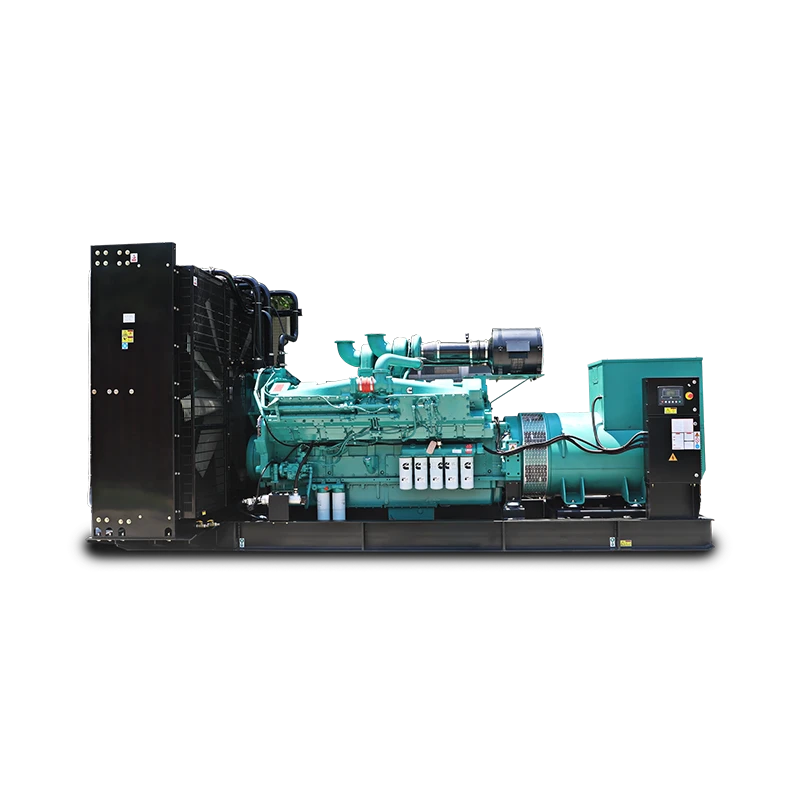
A generator set (genset) converts fuel such as diesel, natural gas, or propane into mechanical power that drives an alternator to produce electricity. The runtime is dependent on fuel supply; as long as fuel is available, the generator runs. Modern diesel generators, like 科泰德’s Fenova Plus系列 由Lister Petter发动机驱动 engines (5 to 900 kVA), can operate continuously for days with proper fuel logistics.

功能Battery BackupGenerator Backup
Response TimeMilliseconds10 to 30 seconds
RuntimeLimited by capacity (hours)Unlimited with refueling
维护Low (battery health monitoring)Regular servicing (engine, filters)
噪音等级静音Moderate to loud (sound-attenuated options)
Typical Lifespan10 to 15 years (degradation)20+ years (with maintenance)

For commercial loads above 50 kW requiring more than a few hours of backup, a diesel generator’s scalability and fuel endurance make it the more practical choice.

What Are the Total Cost of Ownership Considerations?

When evaluating battery backup vs generator backup, the initial capital outlay often tells only part of the story. A full lifecycle cost analysis must account for the following components over a typical 10 to 15 year horizon:

TP-250P

Capital cost: A lithium-ion battery energy storage system (BESS) such as 科泰德’s TP-261BESS (261 kWh LFP) has a higher upfront cost per kWh of usable backup compared to a comparably rated diesel genset like the Econic系列 (16 to 1650 kVA). For example, a 100 kW standby diesel generator may cost 40% to 60% less than a battery system with equivalent 4-hour runtime.

Fuel vs. electricity cost: Generators require diesel or gas, subject to market price fluctuations. Batteries recharge from the grid or solar, offering lower variable cost per discharge, but achieving long-duration backup significantly increases battery size and cost.

维护: Diesel generators need periodic oil changes, filter replacements, and annual load tests, averaging 1% to 2% of capital cost per year. Battery systems have lower maintenance but may require inverter servicing and eventual battery replacement after 3,000 to 5,000 cycles.

Installation: A generator requires a concrete pad, fuel storage tank, and exhaust routing. A battery system needs indoor space or a climate-controlled enclosure. Both require an automatic transfer switch, but batteries may require more complex site electrical upgrades.

A simplified cost comparison over 15 years for a 100 kW backup system with 8-hour runtime shows the generator delivers a lower total cost of ownership, even when accounting for fuel and maintenance. As a general rule, if runtime requirements exceed 4 to 6 hours, generator economics improve substantially.

If your facility’s financial team is evaluating both options, it is worth confirming the lifecycle cost assumptions with a detailed load profile. Our engineering team can provide a custom cost projection at [email protected]. Often our initial estimates find that customers overlook fuel storage compliance or battery augmentation for future expansion.

How Do Reliability and Runtime Requirements Influence the Decision?

Reliability in backup power is not just about mean time between failures; it is about predictable performance when the grid is down. In this aspect, a well-maintained diesel generator offers an advantage.

I’ve consulted on projects in regions with frequent, prolonged outages where fuel supply chains were tested. In one Southeast Asian manufacturing plant, a 500 kVA generator operated for 72 continuous hours without incident, 支持ed by a pre-arranged fuel delivery contract. A battery-only system sized for the same load would have required multiple Megawatt-hours of storage, prohibitively expensive and logistically complex.

Generators are especially dependable because their output is independent of battery degradation. A Lister Petter-powered generator, for example, can maintain 80% load factor indefinitely if serviced according to schedule. Batteries, while highly reliable in the short term, experience capacity fade over time, meaning a 100 kWh system after five years may only deliver 80 kWh, reducing effective runtime.

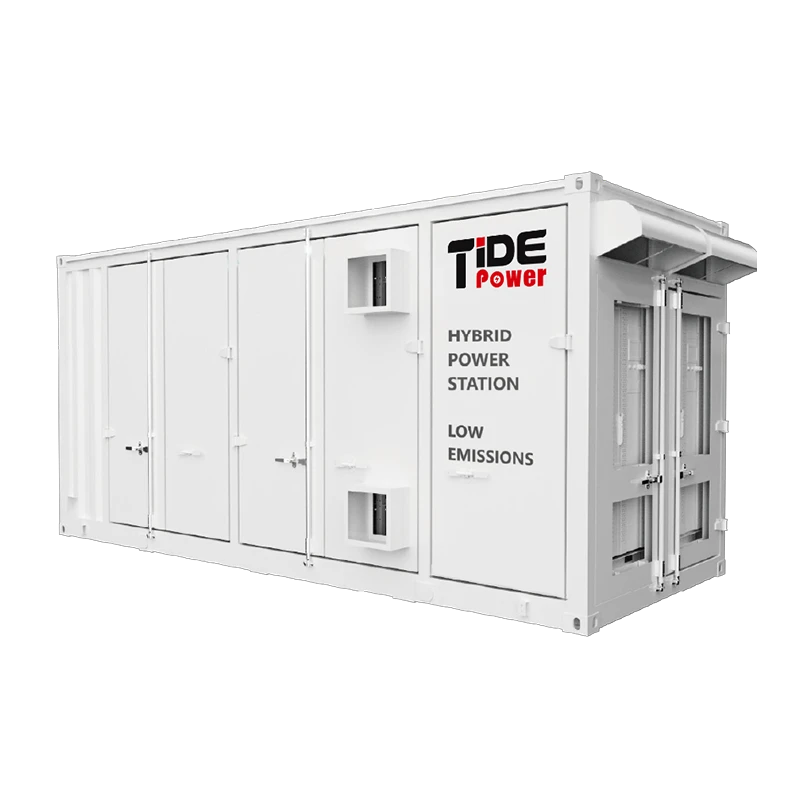
For facilities with critical processes that cannot tolerate even a 10-second interruption, a battery system with UPS capability can bridge the gap until the generator starts and takes over the load. Many commercial installations today adopt a hybrid approach: a modest battery bank handles the first minutes and peak load transients, while a diesel generator covers extended outage duration. 科泰德’s Hybrid Power System (10 to 250 kVA) integrates solar, storage, and diesel generation into a unified microgrid, enabling seamless switching and optimized fuel use.

What Compliance and Environmental Factors Should You Evaluate?

cURL Too many subrequests by single Worker invocation. To configure this limit, refer to https://developers.cloudflare.com/workers/wrangler/configuration/#limits

cURL Too many subrequests by single Worker invocation. To configure this limit, refer to https://developers.cloudflare.com/workers/wrangler/configuration/#limits

cURL Too many subrequests by single Worker invocation. To configure this limit, refer to https://developers.cloudflare.com/workers/wrangler/configuration/#limits Hemera系列 cURL Too many subrequests by single Worker invocation. To configure this limit, refer to https://developers.cloudflare.com/workers/wrangler/configuration/#limits

cURL Too many subrequests by single Worker invocation. To configure this limit, refer to https://developers.cloudflare.com/workers/wrangler/configuration/#limits

cURL Too many subrequests by single Worker invocation. To configure this limit, refer to https://developers.cloudflare.com/workers/wrangler/configuration/#limits

cURL Too many subrequests by single Worker invocation. To configure this limit, refer to https://developers.cloudflare.com/workers/wrangler/configuration/#limits

I系列(CKD)cURL Too many subrequests by single Worker invocation. To configure this limit, refer to https://developers.cloudflare.com/workers/wrangler/configuration/#limits

  1. cURL Too many subrequests by single Worker invocation. To configure this limit, refer to https://developers.cloudflare.com/workers/wrangler/configuration/#limitscURL Too many subrequests by single Worker invocation. To configure this limit, refer to https://developers.cloudflare.com/workers/wrangler/configuration/#limits
  2. cURL Too many subrequests by single Worker invocation. To configure this limit, refer to https://developers.cloudflare.com/workers/wrangler/configuration/#limitscURL Too many subrequests by single Worker invocation. To configure this limit, refer to https://developers.cloudflare.com/workers/wrangler/configuration/#limits
  3. cURL Too many subrequests by single Worker invocation. To configure this limit, refer to https://developers.cloudflare.com/workers/wrangler/configuration/#limitscURL Too many subrequests by single Worker invocation. To configure this limit, refer to https://developers.cloudflare.com/workers/wrangler/configuration/#limits
  4. cURL Too many subrequests by single Worker invocation. To configure this limit, refer to https://developers.cloudflare.com/workers/wrangler/configuration/#limitscURL Too many subrequests by single Worker invocation. To configure this limit, refer to https://developers.cloudflare.com/workers/wrangler/configuration/#limits
  5. cURL Too many subrequests by single Worker invocation. To configure this limit, refer to https://developers.cloudflare.com/workers/wrangler/configuration/#limitscURL Too many subrequests by single Worker invocation. To configure this limit, refer to https://developers.cloudflare.com/workers/wrangler/configuration/#limits
  6. cURL Too many subrequests by single Worker invocation. To configure this limit, refer to https://developers.cloudflare.com/workers/wrangler/configuration/#limitscURL Too many subrequests by single Worker invocation. To configure this limit, refer to https://developers.cloudflare.com/workers/wrangler/configuration/#limits

cURL Too many subrequests by single Worker invocation. To configure this limit, refer to https://developers.cloudflare.com/workers/wrangler/configuration/#limits

cURL Too many subrequests by single Worker invocation. To configure this limit, refer to https://developers.cloudflare.com/workers/wrangler/configuration/#limits

cURL Too many subrequests by single Worker invocation. To configure this limit, refer to https://developers.cloudflare.com/workers/wrangler/configuration/#limits

cURL Too many subrequests by single Worker invocation. To configure this limit, refer to https://developers.cloudflare.com/workers/wrangler/configuration/#limits

cURL Too many subrequests by single Worker invocation. To configure this limit, refer to https://developers.cloudflare.com/workers/wrangler/configuration/#limits

cURL Too many subrequests by single Worker invocation. To configure this limit, refer to https://developers.cloudflare.com/workers/wrangler/configuration/#limits

cURL Too many subrequests by single Worker invocation. To configure this limit, refer to https://developers.cloudflare.com/workers/wrangler/configuration/#limits

cURL Too many subrequests by single Worker invocation. To configure this limit, refer to https://developers.cloudflare.com/workers/wrangler/configuration/#limits

cURL Too many subrequests by single Worker invocation. To configure this limit, refer to https://developers.cloudflare.com/workers/wrangler/configuration/#limits

cURL Too many subrequests by single Worker invocation. To configure this limit, refer to https://developers.cloudflare.com/workers/wrangler/configuration/#limits

cURL Too many subrequests by single Worker invocation. To configure this limit, refer to https://developers.cloudflare.com/workers/wrangler/configuration/#limits

cURL Too many subrequests by single Worker invocation. To configure this limit, refer to https://developers.cloudflare.com/workers/wrangler/configuration/#limits

cURL Too many subrequests by single Worker invocation. To configure this limit, refer to https://developers.cloudflare.com/workers/wrangler/configuration/#limits

cURL Too many subrequests by single Worker invocation. To configure this limit, refer to https://developers.cloudflare.com/workers/wrangler/configuration/#limits

如果您感兴趣,请查看以下相关文章:

科泰德闪耀2025年迪拜WETEX展,凭借智能混合储能与高效排水解决方案吸引众多关注
为非洲燃气项目一期顺利竣工喝彩
母亲节快乐
科泰德在第135届广交会的展览圆满结束
科泰德混合动力解决方案在广交会上大放异彩