 FR
FR EN
EN ZH
ZH ES
ES AR
ARPour les gestionnaires d'installations commerciales comparant la sauvegarde par batterie et la sauvegarde par générateur, la décision implique bien plus que les prix initiaux. Elle exige une compréhension claire du coût total de possession, des besoins en autonomie, de la logistique du carburant et de la fiabilité à long terme. Ayant conseillé des projets d'infrastructure énergétique mondiaux pendant plus de dix ans, j'ai observé que si les systèmes de batteries offrent une opération propre et silencieuse, les groupes électrogènes diesel fournissent systématiquement la solution de secours la plus rentable et la plus fiable pour les coupures prolongées. Ce guide décompose chaque facteur critique pour vous aider à prendre une décision d'achat éclairée, spécifiquement pour les applications commerciales et industrielles.
Comment les systèmes de sauvegarde par batterie et par générateur diffèrent-ils ?
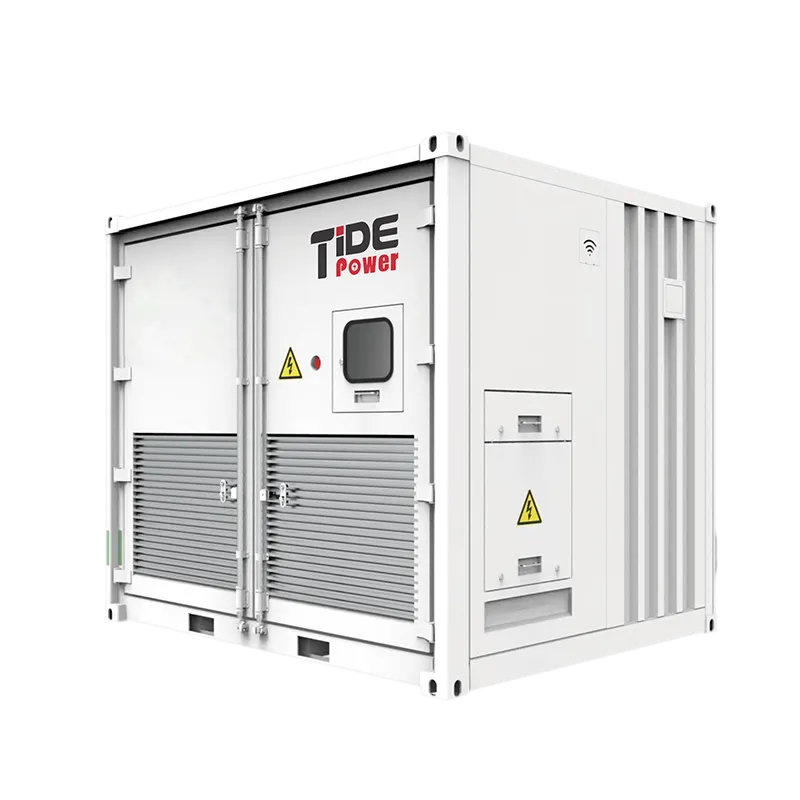
Les systèmes de sauvegarde par batterie stockent l'énergie électrique chimiquement, généralement dans des cellules lithium-ion, et la déchargent via un onduleur lorsque le réseau électrique échoue. Ils offrent une réponse en millisecondes et fonctionnent silencieusement sans émissions sur site. Cependant, leur capacité énergétique, mesurée en kilowattheures (kWh), limite directement l'autonomie sauf si le système est surdimensionné ou associé à une production solaire.
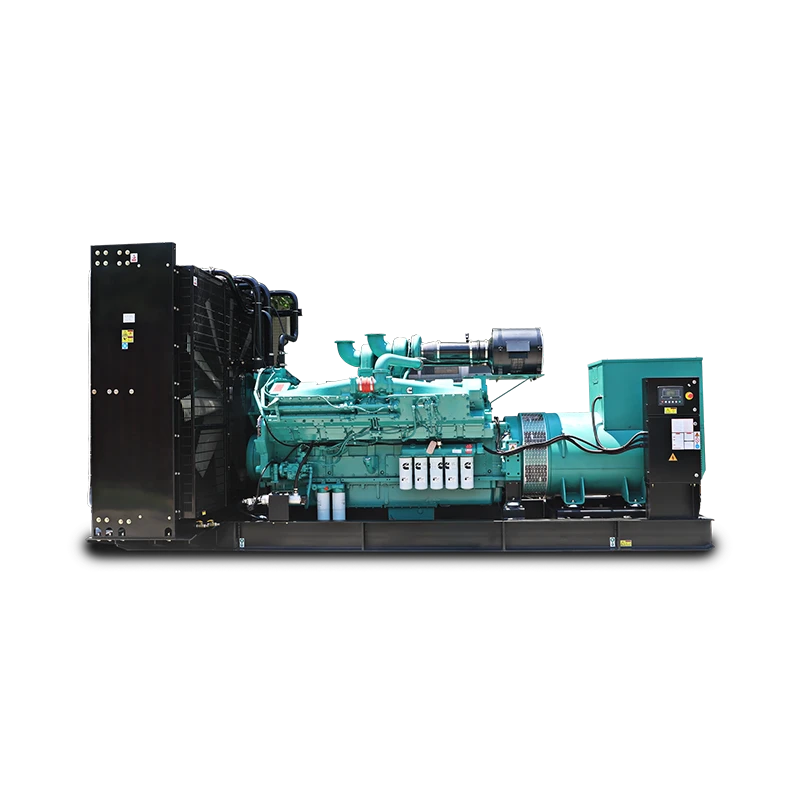
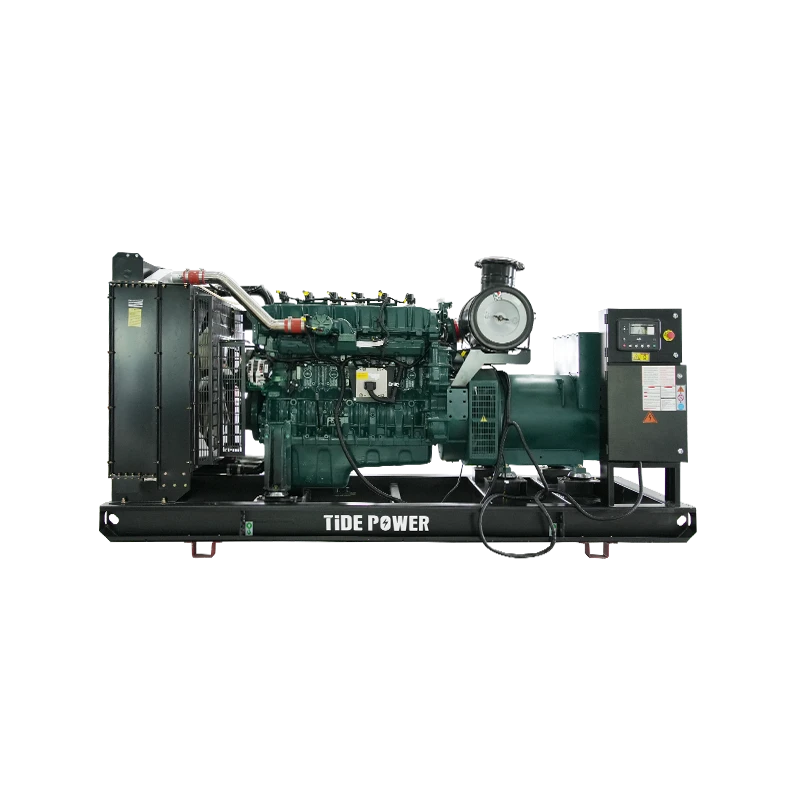
Un groupe électrogène (générateur) convertit un carburant tel que le diesel, le gaz naturel ou le propane en énergie mécanique qui entraîne un alternateur pour produire de l'électricité. L'autonomie dépend de l'approvisionnement en carburant ; tant que le carburant est disponible, le générateur fonctionne. Les générateurs diesel modernes, comme ceux de Tide Power Fenova Plus de Fenova alimenté par Lister Petter moteurs (5 à 900 kVA), peuvent fonctionner en continu pendant plusieurs jours avec une logistique de carburant appropriée.
| Caractéristique | Sauvegarde par batterie | Sauvegarde par générateur |
|---|---|---|
| Temps de réponse | Millisecondes | 10 à 30 secondes |
| Autonomie | Limitée par la capacité (heures) | Illimitée avec ravitaillement |
| Entretien | Faible (surveillance de l'état de la batterie) | Entretien régulier (moteur, filtres) |
| Niveau sonore | Silencieux | Modérée à forte (options insonorisées) |
| Durée de vie typique | 10 à 15 ans (dégradation) | Plus de 20 ans (avec maintenance) |
Pour les charges commerciales supérieures à 50 kW nécessitant plus de quelques heures de secours, la scalabilité et l'endurance en carburant d'un générateur diesel en font le choix le plus pratique.
Quelles sont les considérations relatives au coût total de possession ?
Lors de l’évaluation du secours par batterie versus secours par générateur, le coût initial en capital ne raconte souvent qu’une partie de l’histoire. Une analyse complète du coût sur le cycle de vie doit prendre en compte les composants suivants sur un horizon typique de 10 à 15 ans :
Coût en capital: Un système de stockage d’énergie par batterie lithium-ion (BESS) tel que le TP-261BESS de Tide Power (261 kWh LFP) a un coût initial par kWh de secours utilisable plus élevé comparé à un groupe électrogène diesel de capacité comparable comme le Série Econic (16 à 1650 kVA). Par exemple, un générateur diesel de secours de 100 kW peut coûter 40% à 60% de moins qu’un système de batterie avec une autonomie équivalente de 4 heures.
Coût du carburant versus coût de l’électricité: Les générateurs nécessitent du diesel ou du gaz, soumis aux fluctuations du marché. Les batteries se rechargent depuis le réseau ou le solaire, offrant un coût variable inférieur par décharge, mais atteindre une longue durée de secours augmente considérablement la taille et le coût de la batterie.
Entretien: Les générateurs diesel nécessitent des changements d’huile périodiques, le remplacement des filtres, et des tests de charge annuels, avec un coût en capital moyen de 1% à 2% par an. Les systèmes de batteries ont un entretien moindre mais peuvent nécessiter la maintenance de l’onduleur et le remplacement éventuel de la batterie après 3 000 à 5 000 cycles.
Installation: Un générateur nécessite une dalle en béton, un réservoir de stockage de carburant, et une évacuation des gaz d’échappement. Un système de batterie nécessite un espace intérieur ou une enceinte climatisée. Les deux nécessitent un commutateur de transfert automatique, mais les batteries peuvent nécessiter des améliorations électriques plus complexes sur le site.
Une comparaison simplifiée des coûts sur 15 ans pour un système de secours de 100 kW avec une autonomie de 8 heures montre que le générateur offre un coût total de possession inférieur, même en tenant compte du carburant et de la maintenance. En règle générale, si les besoins en autonomie dépassent 4 à 6 heures, l’économie du générateur s’améliore considérablement.
Si l’équipe financière de votre établissement évalue ces deux options, il est utile de confirmer les hypothèses de coût sur le cycle de vie avec un profil de charge détaillé. Notre équipe d’ingénierie peut fournir une projection de coûts personnalisée à [email protected]. Souvent, nos estimations initiales révèlent que les clients négligent la conformité du stockage de carburant ou l’augmentation de la capacité de la batterie pour une expansion future.
Comment la fiabilité et les exigences en autonomie influencent-elles la décision ?
La fiabilité en matière d’alimentation de secours ne concerne pas seulement le temps moyen entre les pannes ; il s’agit de performance prévisible lorsque le réseau est en panne. À cet égard, un générateur diesel bien entretenu offre un avantage.
J’ai conseillé sur des projets dans des régions avec des coupures fréquentes et prolongées où les chaînes d’approvisionnement en carburant ont été mises à l’épreuve. Dans une usine de fabrication en Asie du Sud-Est, un générateur de 500 kVA a fonctionné pendant 72 heures consécutives sans incident, supportgrâce à un contrat de livraison de carburant pré-arrangé. Un système uniquement basé sur des batteries de la même capacité aurait nécessité plusieurs mégawattheures de stockage, ce qui aurait été prohibitivement coûteux et logistiquement complexe.
Les générateurs sont particulièrement fiables car leur production est indépendante de la dégradation des batteries. Un générateur alimenté par Lister Petter, par exemple, peut maintenir un facteur de charge de 80 % indéfiniment s’il est entretenu selon le calendrier. Les batteries, bien que très fiables à court terme, subissent une perte de capacité avec le temps, ce qui signifie qu’un système de 100 kWh après cinq ans ne pourrait fournir que 80 kWh, réduisant la durée de fonctionnement effective.
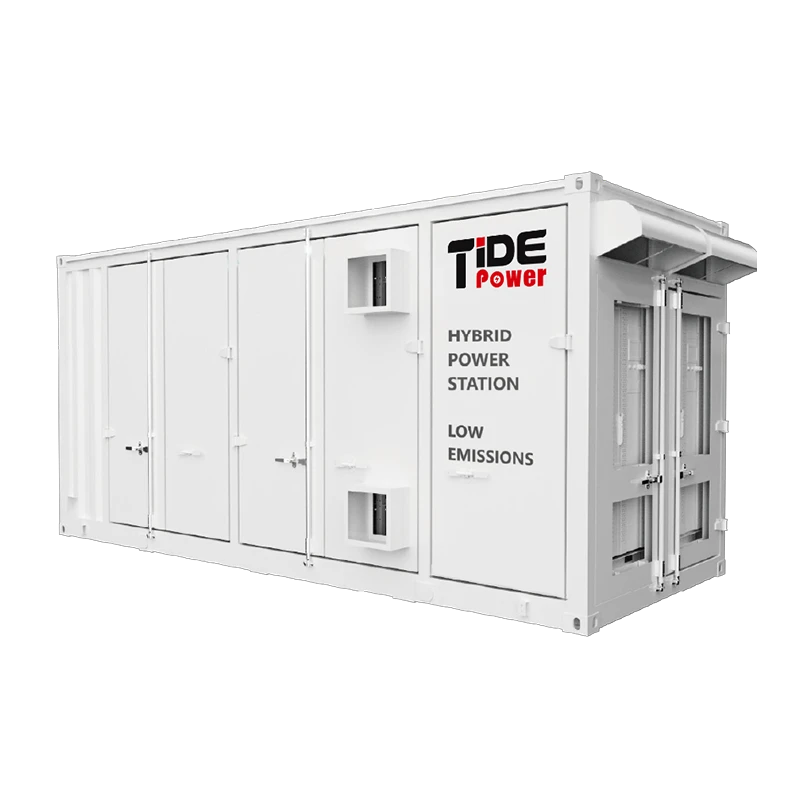
Pour les installations avec des processus critiques qui ne peuvent tolérer même une interruption de 10 secondes, un système de batteries avec capacité UPS peut combler l’écart jusqu’au démarrage du générateur et la prise en charge de la charge. De nombreuses installations commerciales adoptent aujourd’hui une approche hybride : une petite banque de batteries gère les premières minutes et les transitoires de charge de pointe, tandis qu’un générateur diesel couvre la durée prolongée de la panne. Le système hybride de Tide Power (10 à 250 kVA) intègre solaire, stockage et génération diesel dans une microgrille unifiée, permettant une commutation transparente et une utilisation optimisée du carburant.
Quels facteurs de conformité et environnementaux devriez-vous évaluer ?
Les réglementations environnementales impactent de plus en plus les décisions concernant l’alimentation de secours. Les générateurs diesel émettent du CO2, des NOx et des particules, et les autorités locales peuvent imposer des limites sur la durée de fonctionnement pour les tests, exiger des permis d’émission ou mandater l’utilisation de carburant à faible teneur en soufre. Les normes EPA Tier 4 final en France, par exemple, fixent des limites strictes pour les moteurs diesel non routiers de plus de 37 kW.
Les systèmes de batteries ne produisent aucune émission sur site et génèrent un bruit minimal, ce qui les rend attractifs pour les zones urbaines soumises à des règles strictes d’urbanisme. Cependant, la fabrication et l’élimination des cellules lithium-ion comportent des coûts environnementaux souvent négligés dans de simples comparaisons d’émissions.
Le bruit est un autre facteur. Un générateur diesel sans enceinte acoustique peut dépasser 85 dBA, ce qui peut violer les règlements locaux sur le bruit. Les conceptions atténuantes du son, comme le Série Hemera (conforme CE, ISO), réduisent le bruit à 65 à 75 dBA, ce qui est acceptable pour la plupart des sites commerciaux. Les systèmes de batteries fonctionnent silencieusement, ce qui constitue un avantage évident dans les environnements résidentiels ou hospitaliers.
Pour les installations manipulant des charges sensibles, la conformité aux émissions peut être assurée avec des générateurs à gaz naturel. Les générateurs à gaz comme la série MWM de Tide Power (600 à 4 500 kVA) respectent la norme ISO 14001 et offrent des émissions de CO2 plus faibles par rapport au diesel, tout en fournissant une autonomie prolongée avec du gaz de pipeline ou du biogaz.
Lors de l’évaluation de la conformité, considérez le cycle de vie complet : le diesel peut nécessiter une surveillance des émissions et des permis, tandis que les batteries peuvent exiger des systèmes de suppression d’incendie et des protocoles de gestion des déchets dangereux en fin de vie.
Comment pouvez-vous choisir la bonne solution de secours et le fournisseur ?
 La décision entre une alimentation de secours par batterie et par générateur doit être basée sur le profil opérationnel spécifique de votre installation. Voici une approche étape par étape que je recommande aux clients :
- Quantifiez votre charge critique: Identifiez les circuits essentiels et la puissance totale en kW/kVA qui doivent rester alimentés en cas de panne.
- Définissez la durée de fonctionnement requise: Déterminez la durée maximale de panne que votre site doit supporter en vous basant sur des données historiques ou des scénarios de pire cas.
- Évaluez les contraintes du site: Analysez la disponibilité de l’espace, la réglementation sur le stockage du carburant, les limites de bruit et les exigences en matière d’émissions.
- Élaborez un modèle de coût sur le cycle de vie: Incluez le capital, le carburant/l’électricité, la maintenance et le remplacement sur 10 à 15 ans.
- Examinez la scalabilité: Considérez la croissance future ; il est moins coûteux de surdimensionner un générateur initialement que d’ajouter de la capacité ultérieurement, tandis que les batteries peuvent être étendues de manière modulaire.
- Sélectionnez un fournisseur avec capacité d'intégration: Un fournisseur proposant à la fois des systèmes de génération, de stockage et hybrides peut fournir des recommandations impartiales et des solutions de contrôle intégrées. La gamme de produits de Tide Power Technology couvre des générateurs diesel silencieux, des générateurs à gaz, des BESS et des micro-réseaux hybrides, permettant une source unique pour la conception, la fourniture et le support après-vente.
Comment pouvez-vous avancer avec votre stratégie d'alimentation de secours ?
Le choix entre une alimentation de secours par batterie ou par générateur peut sembler équilibrer des priorités concurrentes : durabilité, fiabilité, coût et conformité. Pour les opérations commerciales et industrielles, la stratégie la plus résiliente combine souvent les forces des deux technologies. Un générateur diesel offre l'endurance de longue durée et l'efficacité économique pour les coupures prolongées, tandis qu'un système de batteries peut gérer les interruptions courtes, améliorer la qualité de l'énergie et intégrer des sources renouvelables.
Chez Tide Power Technology, nous vous aidons à naviguer dans ces décisions avec une approche indépendante de toute solution spécifique. Notre équipe d'ingénierie travaillera avec vous pour évaluer les exigences spécifiques de votre site et recommander le système le plus approprié, qu'il s'agisse d'un générateur autonome, d'un BESS ou d'un micro-réseau hybride.
Pour commencer l’évaluation de votre projet, envoyez votre profil de charge et les détails du site à [email protected], ou appelez le +86 591 2806 8999. Nous fournirons une recommandation technique sans engagement et une proposition personnalisée.
Quelles sont les questions courantes concernant les systèmes d'alimentation de secours par batterie et par générateur ?
Un système de secours par batterie peut-il remplacer complètement un générateur diesel pour un usage commercial ?
Pas dans la plupart des cas nécessitant plus de quelques heures de secours. Les batteries sont excellentes pour les coupures de courte durée et la gestion de la qualité de l'énergie, mais remplacer un générateur pour une alimentation de secours à l’échelle d’une installation avec le même temps de fonctionnement serait impraticable en raison de la taille et du coût d’un tableau de batteries. Dans les projets que nous avons évalués, un système hybride trouvait le meilleur équilibre : les batteries gèrent la commutation instantanée et la réduction de la puissance de pointe, tandis que le générateur supporte les coupures prolongées. Le ratio spécifique dépend de votre charge et de la durée. Partagez votre courbe de charge et nous pouvons modéliser les compromis.
Comment gérer le stockage et le vieillissement du carburant diesel ?
Le carburant diesel se dégrade avec le temps et nécessite un traitement s'il est stocké au-delà de 6 à 12 mois. La plupart des installations commerciales utilisent des réservoirs à double paroi avec détection de fuite et nettoyage périodique du carburant. Les exercices du générateur sous charge consomment du carburant, aidant à renouveler le stock. Les réglementations varient selon la juridiction, il est donc important de vérifier les codes locaux concernant la taille des réservoirs, la containment secondaire et la prévention des déversements. Notre équipe peut vous guider à travers les exigences de conformité pour votre localisation.
Quelle est la durée de vie typique d’un système de stockage d’énergie par batterie ?
Une batterie au phosphate de fer lithium (LFP), bien entretenue, peut durer de 10 à 15 ans ou de 3 000 à 5 000 cycles à une profondeur de décharge de 80 %, avec une perte de capacité progressive. Un générateur diesel, lorsqu'il est correctement entretenu, peut dépasser 20 ans et 30 000 heures de fonctionnement. Cette différence de longévité favorise les générateurs pour les installations avec de longues horizons de planification et une utilisation intensive. Si votre modèle financier prévoit le remplacement après 10 ans, confirmez cette hypothèse, car les batteries auront probablement besoin d’au moins un remplacement durant la durée de vie du générateur.
Existe-t-il des incitations financières pour l’installation de stockage par batterie ?
De nombreuses régions offrent des crédits d'impôt, des remises ou des paiements pour la réponse à la demande pour les systèmes de batteries qui soutiennent la stabilité du réseau. Les projets solaires avec stockage commercial peuvent souvent bénéficier d’une dépréciation accélérée. Les générateurs reçoivent rarement de telles incitations. Cependant, ces incitations doivent être comparées au coût total de possession ; un générateur avec moins de subventions peut rester moins cher à long terme. Si votre site est éligible à des incitations substantielles pour les batteries, l’équation change, et une étude de faisabilité peut clarifier la valeur actuelle nette.
Si vous n’êtes pas certain des réglementations ou des incitations applicables à votre projet, contactez-nous à [email protected] avec votre localisation et nous vous aiderons à identifier les programmes pertinents.
Si cela vous intéresse, consultez ces articles connexes :
Tide Power brille à WETEX 2025 Dubaï, attirant une attention majeure avec des solutions de stockage hybride intelligentes et des solutions efficaces de déshydratation
Félicitations pour la réalisation de la première phase du projet gaz en Afrique
Bonne fête des Mères
L’exposition de Tide Power à la 135e Foire de Canton s’est conclue avec succès
La solution d'énergie hybride de Tide Power vole la vedette à la Foire de Canton