 FR
FR EN
EN ZH
ZH ES
ES AR
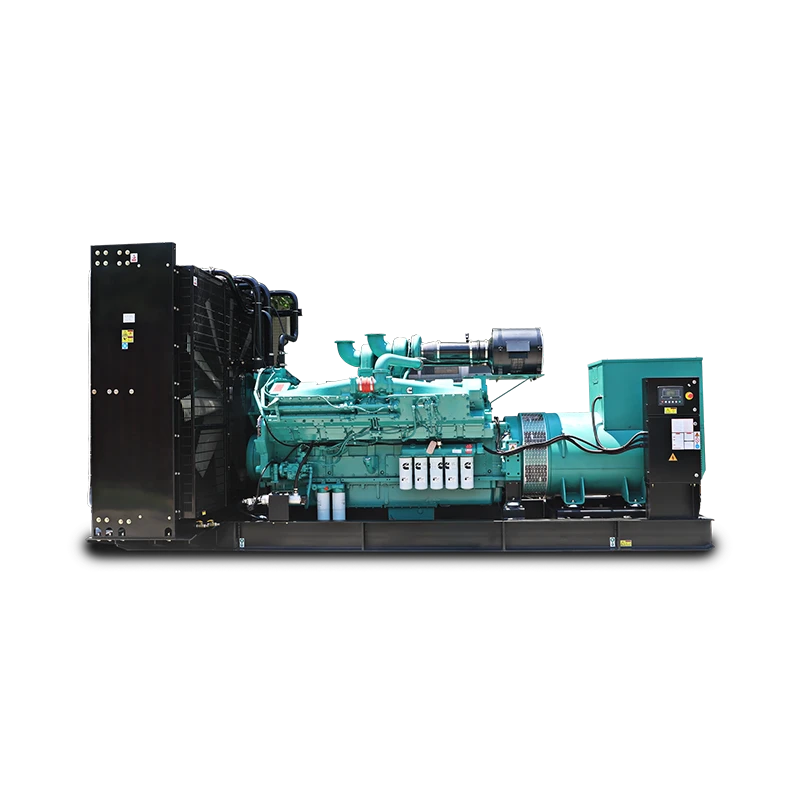
ARChoisir le bon fournisseur de solutions de micro-réseau ne consiste pas seulement à comparer des listes de technologies ; il s'agit de trouver un partenaire capable d'intégrer de manière transparente la production diesel, les sources renouvelables et le stockage par batterie dans un système unifié. Après avoir travaillé sur des projets énergétiques sur plusieurs continents, j'ai constaté que le véritable facteur de différenciation est la capacité d'un fournisseur à offrir un service mondial support et une expertise en intégration hybride, et pas seulement la soumission la moins chère. Les meilleurs fournisseurs fournissent non seulement des équipements d'alimentation fiables, mais aussi la vision d'ingénierie nécessaire pour faire évoluer les systèmes à mesure que les demandes d'énergie changent.
Qu'est-ce qui définit un fournisseur de solutions de micro-réseau performant ?
Un fournisseur de solutions de micro-réseau compétent apporte plus qu'un catalogue de générateurs et d'onduleurs. Recherchez une profondeur d'ingénierie qui fait le pont entre les machines tournantes traditionnelles et l'électronique de puissance moderne. L'entreprise doit démontrer une expérience pratique de la flexibilité des carburants : le gaz naturel, le biogaz et le diesel ont tous des caractéristiques de combustion différentes qui affectent les contrôles du système. Les fournisseurs qui fabriquent également ou intègrent directement des systèmes de stockage d'énergie par batterie (BESS) éliminent les lacunes de coordination entre les fournisseurs.
Tout aussi important est un historique documenté dans des environnements difficiles. Qu'il s'agisse d'un site de télécommunication en haute altitude ou d'une miniers exploitation avec de larges variations de température, l'équipement du fournisseur doit avoir fait ses preuves en termes de temps de fonctionnement dans des conditions comparables. Demandez des installations de référence plutôt que de vous fier à des fiches techniques attrayantes.
L'avantage de l'intégration : Diesel, Solaire et Stockage par Batterie
Les micro-réseaux prennent leur véritable valeur lorsque les groupes électrogènes diesel ou à gaz fonctionnent en parallèle avec des panneaux solaires et des batteries lithium-fer-phosphate (LFP). Le système de contrôle doit exécuter des commutations à la milliseconde entre les sources sans interrompre les charges critiques. J'ai observé que les défaillances se produisent souvent non pas dans les composants, mais dans la logique d'intégration : un fournisseur qui propose des unités d'alimentation hybrides pré-intégrées évite le risque d'intégration que comportent les systèmes assemblés sur site.
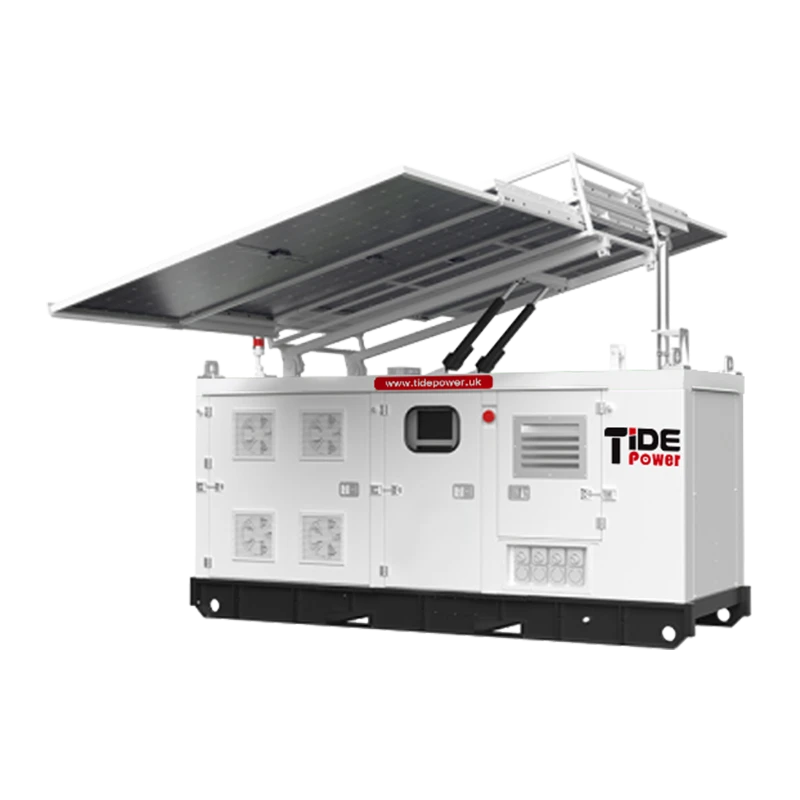
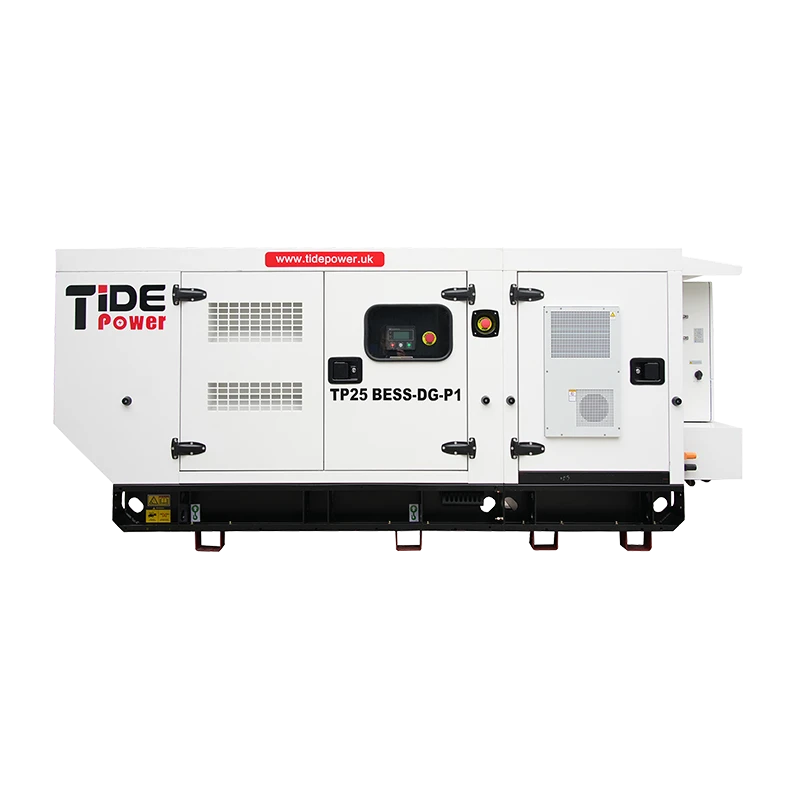
Par exemple, les stations hybrides tout-en-un de Tide Power regroupent le groupe électrogène, l'onduleur de batterie et le contrôleur de gestion de l'énergie dans un seul conteneur. Cette conception simplifie le déploiement pour les communautés isolées hors réseau et les stations de base de télécommunication où la main-d'œuvre sur site est limitée. Le système prend en charge le fonctionnement sans surveillance avec une surveillance à distance, une fonctionnalité qui réduit les coûts d'exploitation sur la durée de vie de l'actif.
Déploiement mondial et fiabilité du service
Les projets de micro-réseaux s'étendent fréquemment à plusieurs pays, chacun ayant des normes de tension et de fréquence uniques. Un fournisseur qui a expédié des équipements dans diverses régions comprend déjà les obstacles liés à la documentation, à la certification et à la logistique. Recherchez la conformité CE et ISO comme base, et demandez si le fournisseur a des partenariats de niveau OEM avec des marques de moteurs comme MWM ou Perkins. Ces relations garantissent la disponibilité de pièces d'origine et un support technique loin de l'usine.
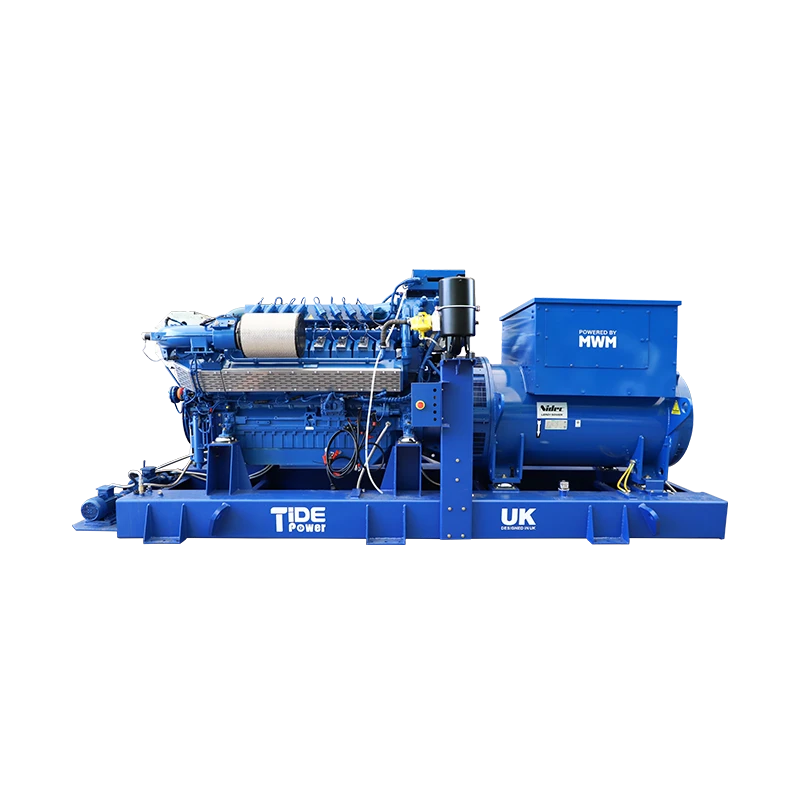
La réactivité du service est le facteur de différenciation caché. Dans notre travail de soutien aux projets énergétiques à l'étranger, nous avons constaté que la capacité de fournir des conseils techniques en quelques heures, et non en quelques jours, détermine si une installation de micro-réseau devient un succès à long terme ou un actif abandonné. Le réseau de service du fournisseur doit être mesuré en temps de résolution, et non seulement en garantie durée.
Évolutivité et flexibilité technologique
Un micro-réseau construit pour 100 kW aujourd'hui peut avoir besoin de passer à 500 kW dans les trois ans à mesure qu'une communauté se développe ou qu'une usine ajoute des équipes. L'architecture du fournisseur doit prendre en charge le fonctionnement parallèle de plusieurs unités et l'ajout futur d'entrées solaires ou éoliennes sans remplacer les contrôles centraux. Les conteneurs BESS modulaires, tels que le TP-200BESS de Tide Power, permettent des augmentations de capacité progressives tout en maintenant l'investissement initial gérable.
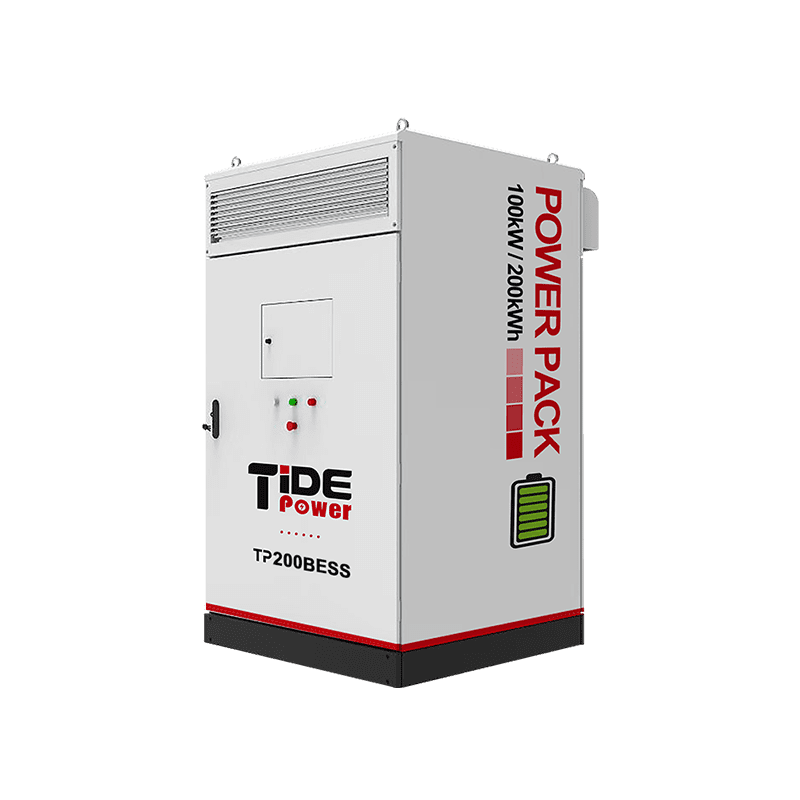
Le tableau ci-dessous montre comment une gamme de capacités de centrales électriques hybrides peut correspondre à différentes échelles de site, d'une seule tour de télécommunication à un micro-réseau industriel.
| Modèle de centrale hybride | Puissance de pointe | Intégration de la batterie | Application typique |
|---|---|---|---|
| TP-20P | 20 kVA | Pack de 5,12 kWh LFP extensible | Station de base télécom, petit site hors réseau |
| TP-60P | 60 kVA | Modules de batteries LFP modulaires | Communauté éloignée, traitement agricole |
| TP-125P | 125 kVA | BESS en conteneur prêt à l'emploi | Micro-réseau insulaire, sauvegarde commerciale |
| TP-250P | 250 kVA | BESS multi-armoires | Micro-réseau industriel, camp minier |
Si votre projet implique un mélange de charges critiques et non critiques, le fournisseur doit pouvoir expliquer comment la coupure de charge et la priorisation sont gérées dans le contrôleur. Un système qui traite toutes les charges de manière égale gaspille la capacité de génération.
Questions clés à poser aux fournisseurs avant de vous engager
Avant de signer un contrat avec un fournisseur, demandez des réponses détaillées à ces questions. Les réponses permettront rapidement de distinguer les fournisseurs expérimentés des revendeurs manquant de profondeur technique.
- Pouvez-vous fournir un schéma unifilaire et un document d'architecture de contrôle avant la signature du contrat ? Un fournisseur confiant dans sa conception partagera la topologie du système sans hésitation.
- Quel est votre délai moyen de réponse pour le dépannage à distance, et avez-vous des partenaires de service locaux dans la région du projet ? Un chiffre en heures, pas en jours, est l'objectif.
- Comment gérez-vous les scénarios de carburant mixte lorsque l'approvisionnement en carburant principal est interrompu ? La réponse doit décrire la logique de commutation automatique du carburant, et non une procédure manuelle.
- Proposez-vous des tests de réception en usine avant l'expédition ? Cette pratique permet de détecter les problèmes d'intégration avant que l'équipement ne quitte l'usine, évitant ainsi des retouches coûteuses sur le terrain.
Si votre programme implique un déploiement par phases avec un financement incertain pour les étapes ultérieures, il est utile de confirmer l'expérience du fournisseur en matière de mise à l'échelle modulaire des BESS avant de finaliser votre nomenclature. Une incompatibilité dans la taille de l'onduleur peut vous verrouiller dans une voie de mise à niveau coûteuse.
Assurer le bon fournisseur de microgrid pour une indépendance énergétique à long terme
Le vrai coût d'un microgrid n'est pas le prix d'achat du matériel ; c'est le temps d'arrêt et les rétrofits coûteux qui découlent du choix d'un fournisseur qui considère le projet comme une vente unique d'équipement. Les infrastructures énergétiques sont un engagement sur plusieurs décennies, et le fournisseur doit être prêt à soutenir son système tout au long de ce cycle de vie.
Lorsque vous êtes prêt à discuter des paramètres spécifiques du projet et à recevoir une proposition de configuration adaptée, notre équipe chez Tide Power Technology peut examiner votre profil de charge, les conditions du site et vos objectifs d'expansion. Nous nous appuyons sur plus d'une décennie de déploiement de stations hybrides à travers l'Afrique, l'Asie et le Moyen-Orient pour vous proposer la bonne architecture. Envoyez les détails de la capacité de votre projet et du type de carburant à [email protected] ou appelez le +86 591 2806 8999 pour une consultation technique.
Questions fréquentes posées par les équipes d'approvisionnement sur les fournisseurs de microgrids
Quel est le critère le plus important lors du choix d'un fournisseur de microgrid ?
La capacité à intégrer la génération au diesel ou au gaz avec le stockage par batterie et les entrées renouvelables sous un seul système de contrôle. Alors que de nombreux fournisseurs peuvent fournir des composants individuels, la couche d'intégration détermine si le microgrid fonctionne de manière fiable. Recherchez un fournisseur qui propose des stations hybrides pré-commissionnées plutôt que de monter un système à partir de vendeurs séparés.
Est-il préférable de travailler avec un fabricant ou un intégrateur de systèmes ?
Un fabricant qui construit ses propres groupes électrogènes, enceintes de batteries et armoires de contrôle réduit le nombre d'interfaces de conception à gérer. Lorsqu'une panne survient, il y a une seule partie responsable, pas trois. Les intégrateurs de systèmes peuvent offrir de la flexibilité mais manquent souvent de l'expertise approfondie au niveau des composants nécessaire pour une analyse rapide des causes lors des coupures.
Comment comparer les fournisseurs de microgrids lorsque leurs technologies semblent similaires sur le papier ?
Allez au-delà des fiches techniques et demandez des données de performance provenant d'installations avec des profils de charge et des conditions environnementales similaires. Dans les projets que j'ai évalués, la différence apparaît dans des facteurs qualitatifs : la qualité des tableaux de bord de surveillance à distance, la rapidité du support d'ingénierie après-vente, et la volonté du fournisseur d'adapter les conceptions standardisées aux contraintes spécifiques du site.
Comment le choix du carburant influence-t-il le fournisseur que je sélectionne ?
La capacité à passer du gaz naturel, du biogaz et du diesel sans refonte du système de contrôle est un signe fort de maturité en ingénierie. Les moteurs à gaz de MWM, par exemple, nécessitent des configurations spécifiques d'allumage et de train de carburant. Vérifiez que l'équipe technique du fournisseur dispose d'un support direct du fabricant d'origine plutôt que d'une expérience de conversion par des tiers. Si votre site prévoit la disponibilité de biogaz à l'avenir, demandez si le fournisseur peut pré-configurer le système de gestion du carburant pour une conversion ultérieure sans modifications matérielles majeures.
Quel est le délai réaliste pour un projet de microgrid depuis la sélection jusqu'à la mise en service ?
Un microgrid standard en conteneur peut être expédié dans un délai de 8 à 14 semaines après la confirmation de la commande, en supposant aucune personnalisation majeure. La préparation du site et la mise en service ajoutent généralement 4 à 6 semaines. Les projets en voie rapide avec tests en usine peuvent réduire le calendrier mais nécessitent une alignement précoce sur les spécifications. Partagez votre date opérationnelle cible lors de la demande de devis afin que le fournisseur puisse évaluer la faisabilité par rapport aux créneaux de production actuels.
Si cela vous intéresse, consultez ces articles connexes :
Nigeria Energy 2024 : Tide Power fait sensation pour l'innovation
Maintenance de la pompe à eau diesel Tide Power
Réunion de mi-année 2024 réussie pour les ventes mondiales de Tide Power