 EN
EN ZH
ZH FR
FR ES
ES AR
ARSelecting the right microgrid solution provider is not just about comparing technology lists; it is about finding a partner that can seamlessly integrate diesel generation, renewable sources, and battery storage into a unified system. After working with energy projects across multiple continents, I have seen that the real differentiator is a provider’s ability to deliver global service support and hybrid integration expertise, not just the lowest bid. The best providers supply not only reliable power equipment but also the engineering foresight to scale systems as energy demands shift.
What Defines a Strong Microgrid Solution Provider?
A capable microgrid solution provider brings more than a catalog of generators and inverters. Look for engineering depth that bridges traditional rotating machinery and modern power electronics. The firm should demonstrate hands-on experience with fuel flexibility: natural gas, biogas, and diesel all have different combustion characteristics that affect system controls. Providers that also manufacture or directly integrate battery energy storage systems (BESS) eliminate coordination gaps between suppliers.
Equally important is a documented footprint in challenging environments. Whether it is a telecom site at high altitude or a mining operation with wide temperature swings, the provider’s equipment should have proven runtime in comparable conditions. Ask for reference installations rather than relying on glossy spec sheets.
The Integration Advantage: Diesel, Solar, and Battery Storage
Microgrids gain their true value when diesel or gas gensets work in parallel with solar arrays and lithium-iron-phosphate (LFP) battery packs. The control system must execute millisecond-level switching between sources without dropping critical loads. I’ve observed that failures often happen not in the components but in the integration logic: a provider that offers pre-integrated hybrid power units avoids the integration risk that field-assembled systems carry.
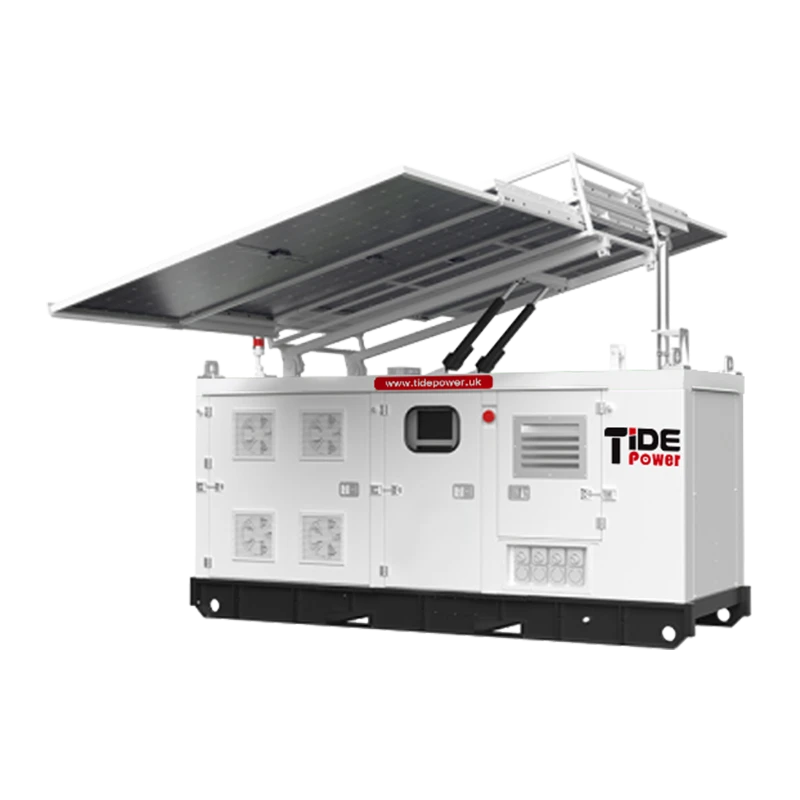
For instance, Tide Power’s all-in-one hybrid stations package the genset, battery inverter, and energy management controller into a single containerized footprint. This design simplifies deployment for remote off-grid communities and telecom base stations where site labor is limited. The system supports unattended operation with remote monitoring, a feature that reduces operations costs over the asset’s life.
Global Deployment and Service Reliability
Microgrid projects frequently span multiple countries, each with unique voltage and frequency standards. A provider that has shipped equipment to a variety of regions already understands the documentation, certification, and logistics hurdles. Look for CE and ISO compliance as a baseline, and ask whether the provider holds OEM-level partnerships with engine brands like MWM or Perkins. These relationships ensure genuine parts availability and technical support far from the factory.
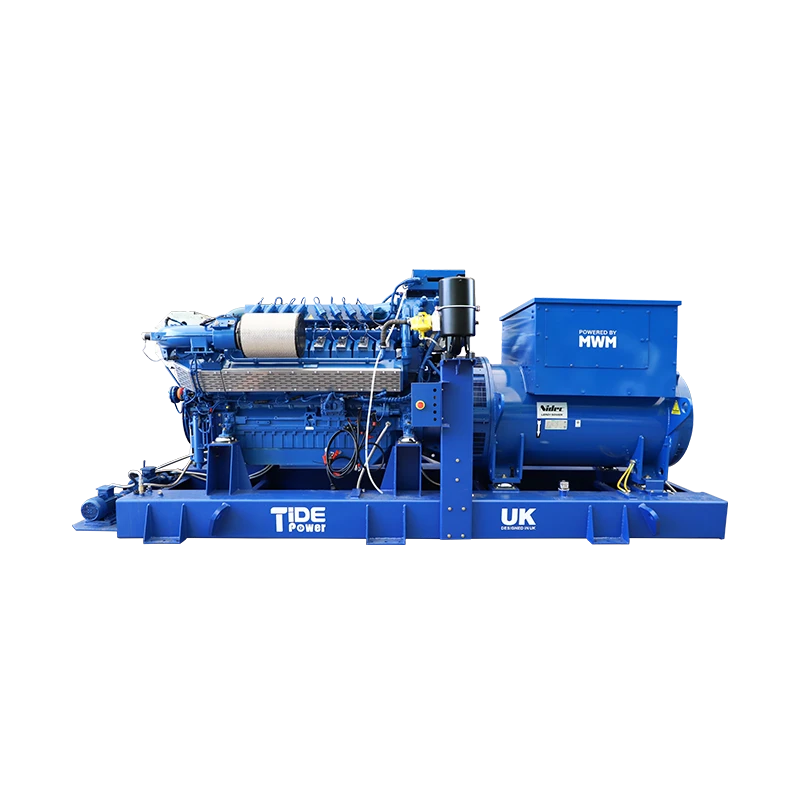
Service responsiveness is the hidden differentiator. In our work supporting overseas energy projects, we have seen that the ability to dispatch technical guidance within hours, not days, determines whether a microgrid installation becomes a long-term success or a stranded asset. The provider’s service network should be measured in time-to-resolution, not just warranty duration.
Scalability and Technology Flexibility
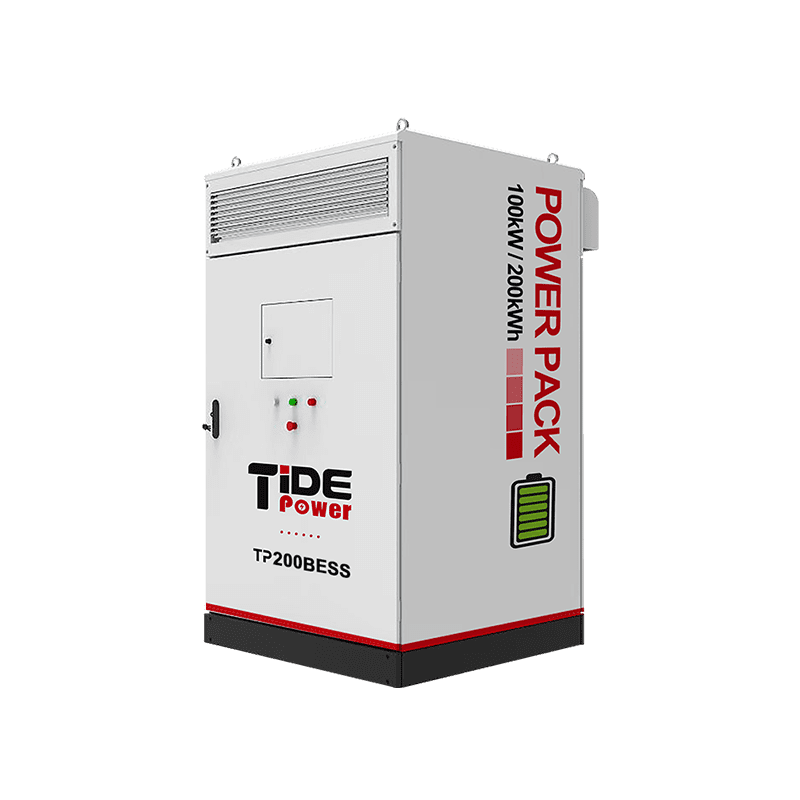
A microgrid built for 100 kW today may need to expand to 500 kW within three years as a community grows or a factory adds shifts. The provider’s architecture should support multi-unit parallel operation and future addition of solar or wind inputs without replacing the core controls. Modular BESS containers, such as Tide Power’s TP-200BESS, allow incremental capacity increases while keeping the initial investment manageable.
The table below shows how a range of hybrid power station capacities can match different site scales, from a single telecom tower to an industrial microgrid.
| Hybrid Station Model | Peak Power | Battery Integration | Typical Application |
|---|---|---|---|
| TP-20P | 20 kVA | 5.12 kWh LFP pack expandable | Telecom base station, small off-grid site |
| TP-60P | 60 kVA | Modular LFP battery modules | Remote community, agricultural processing |
| TP-125P | 125 kVA | Containerized BESS ready | Island microgrid, commercial backup |
| TP-250P | 250 kVA | Multi-cabinet BESS | Industrial microgrid, mining camp |
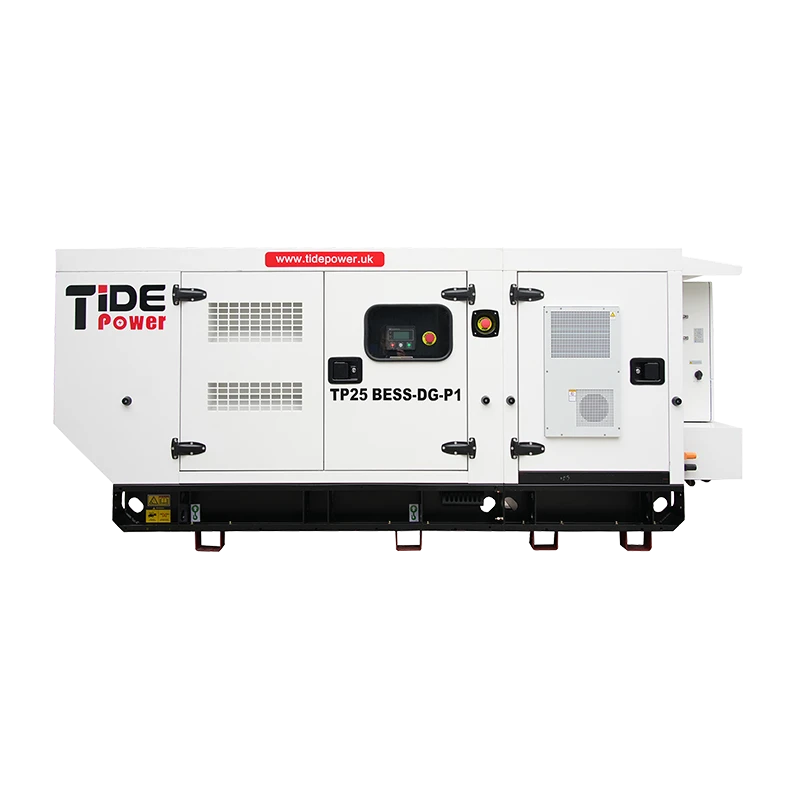
If your project involves a mix of critical and non-critical loads, the provider should be able to explain how load shedding and prioritization are handled in the controller. A system that treats all loads equally wastes generation capacity.
Key Questions to Ask Providers Before You Commit
Before entering a supplier agreement, request detailed answers to these questions. The responses will quickly separate experienced providers from resellers who lack technical depth.
- Can you supply a single-line diagram and control architecture document before contract signing? A provider confident in its design will share system topology without hesitation.
- What is your average response time for remote troubleshooting, and do you have local service partners in the project region? A number in hours, not days, is the target.
- How do you handle mixed-fuel scenarios when the primary fuel supply is interrupted? The answer should describe automatic fuel switching logic, not a manual procedure.
- Do you offer factory witness testing before shipment? This practice catches integration issues before equipment leaves the manufacturing floor, saving costly field rework.
If your program involves a phased rollout with uncertain funding for later stages, it is worth confirming the provider’s experience with modular BESS scaling before finalizing your BOM. A mismatch in inverter sizing can lock you into an expensive upgrade path.
Securing the Right Microgrid Provider for Long-Term Energy Independence
The real cost of a microgrid is not the purchase price of hardware; it is the downtime and expensive retrofits that come from choosing a provider who treats the project as a one-time equipment sale. Energy infrastructure is a multi-decade commitment, and the provider should be willing to stand behind its system throughout that lifecycle.
When you are ready to discuss specific project parameters and receive a tailored configuration proposal, our team at Tide Power Technology can review your load profile, site conditions, and expansion goals. We draw on over a decade of hybrid power station deployment across Africa, Asia, and the Middle East to match you with the right architecture. Send your project capacity and fuel type details to [email protected] or call +86 591 2806 8999 for a technical consultation.
Common Questions Procurement Teams Ask About Microgrid Providers
What is the single most important criterion when choosing a microgrid provider?
The ability to integrate diesel or gas generation with battery storage and renewable inputs under a single control system. While many providers can supply individual components, the integration layer determines whether the microgrid operates reliably. Look for a provider that offers pre-commissioned hybrid power stations rather than assembling a system from separate vendors.
Is it better to work with a manufacturer or a system integrator?
A manufacturer that builds its own gensets, battery enclosures, and control cabinets reduces the number of design interfaces you must manage. When a fault occurs, there is one accountable party, not three. System integrators can offer flexibility but often lack the deep component-level expertise needed for quick root-cause analysis during outages.
How do I compare microgrid providers when their technologies look similar on paper?
Move beyond spec sheets and request performance data from installations with similar load profiles and environmental conditions. In projects I have evaluated, the difference appears in soft factors: the quality of remote monitoring dashboards, the speed of after-sales engineering support, and the provider’s willingness to adapt standardized designs to site-specific constraints.
How does fuel choice affect the provider I select?
The ability to switch between natural gas, biogas, and diesel without a control system overhaul is a strong signal of engineering maturity. Gas engines from MWM, for instance, require specific ignition and fuel train configurations. Confirm that the provider’s technical team has direct engine OEM support rather than third-party conversion experience. If your site has biogas availability as a future option, ask whether the provider can pre-configure the fuel handling system for later conversion without major hardware changes.
What is a realistic timeline for a microgrid project from selection to commissioning?
A standard containerized microgrid can ship within 8 to 14 weeks from order confirmation, assuming no major customization. Site preparation and commissioning typically add 4 to 6 weeks. Fast-track projects with factory witness testing can compress the schedule but require early alignment on specifications. Share your target operational date when reaching out for a proposal so the provider can assess feasibility against current production slots.
If you’re interested, check out these related articles:
Nigeria Energy 2024: Tide Power makes waves for innovation
Maintenance of Tide Power diesel water pump
Successful 2024 Half-Year Global Sales Meeting for Tide Power