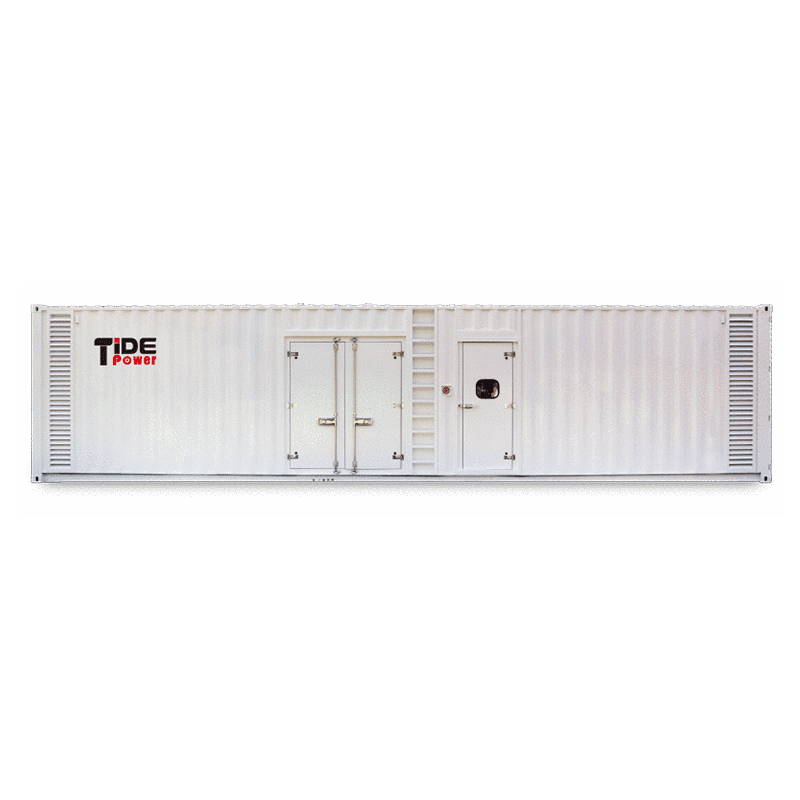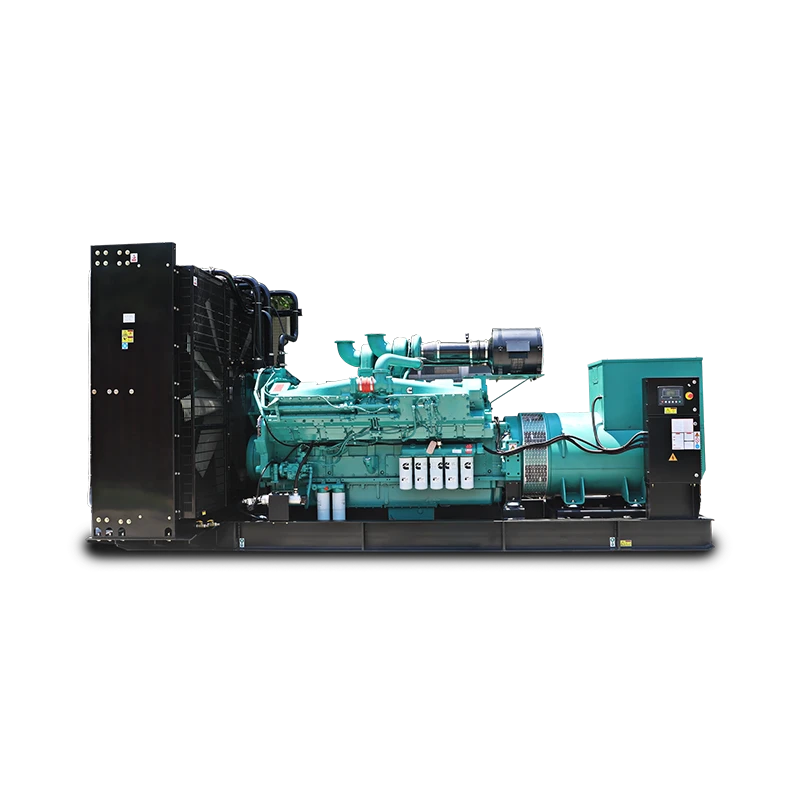
Biogas generators offer a direct way to convert organic waste into continuous electrical power, and their adoption is growing fast in agriculture, industry, and municipal waste management. The principle is simple: capture methane from decaying material, feed it into an engine, and produce electricity. But the practical outcome depends heavily on what happens between the digester and the generator set. In my work with energy projects spanning multiple continents, I’ve observed that fuel gas cleanliness is the single most reliable predictor of whether a biogas generator becomes a cost-saving asset or a maintenance headache. This article walks through the complete biogas-to-electricity process, the engineering choices that matter most, and how to approach system selection so your project delivers reliable power over the long term.
The Biogas-to-Electricity Conversion Process
At its simplest, a biogas generator system consists of an anaerobic digester, a gas treatment train, a gas engine, and an alternator. Organic matter such as animal manure, crop residues, or food waste is placed in an oxygen-free digester, where bacteria break it down and release biogas. Raw biogas typically contains 50-70% methane, 30-50% carbon dioxide, and trace amounts of hydrogen sulfide, moisture, and siloxanes.
Once collected, the gas must be treated to prevent engine damage. A series of filters, chillers, and scrubbers removes contaminants and reduces moisture content so the gas meets the engine manufacturer’s inlet specification. The cleaned biogas is then fed into a spark-ignited reciprocating engine, which drives an alternator to produce electricity. In many installations, the engine’s exhaust heat is recovered via a heat exchanger for water or space heating, raising overall system efficiency.
Fuel Conditioning and Engine Modifications for Biogas Generators
The single most frequent cause of generator failure on biogas projects is insufficient fuel gas treatment. Contaminants that are harmless in a digester become aggressive inside an engine.
Hydrogen sulfide (H2S) combines with water to form sulfuric acid, which corrodes metal surfaces and degrades lubricating oil. Siloxanes, commonly found in landfill and wastewater gas, convert to abrasive silica deposits during combustion. These deposits build up on cylinder walls, valves, and spark plugs, reducing efficiency and accelerating wear. Moisture, if not removed, leads to condensation in fuel lines and unstable combustion.
Effective conditioning systems combine activated carbon filters or iron oxide scrubbers for H2S removal, chillers to condense and separate moisture and siloxanes, and coalescing filters for fine particulates. The exact train depends on the feedstock and the engine manufacturer’s requirements. For a project running on agricultural waste with low sulfur content, a simple chiller and filter may be enough. A landfill gas project, by contrast, will need multi-stage scrubbing and possibly regenerative thermal oxidation for siloxane control.
Why Raw Biogas Must Be Treated Before Combustion
Every engine manufacturer specifies inlet gas quality limits. Exceeding those limits voids warranties and shortens component life. A project in Southeast Asia that I followed closely saw its first overhaul interval cut in half because siloxane levels in the landfill gas were underestimated and the scrubber was undersized. Installing a post-project remedial gas polishing system ultimately cost more than the initial gas treatment would have.
Engine Modifications That Make Biogas Operation Reliable
Standard natural gas engines can often be adapted for biogas, but purpose-built biogas engines come with several important differences. Biogas engines typically feature hardened valve seats and guides to resist corrosion, special piston ring coatings, and ignition systems designed to handle lower methane numbers without detonation. The air-fuel ratio control system is more responsive, compensating for variations in methane content that can shift from hour to hour. Some engines also preheat the fuel-air mixture when the methane percentage drops, ensuring complete combustion.
In addition, lubrication systems are often upgraded with larger sump capacities and oil condition monitoring, as the oil must neutralize acidic combustion byproducts that are more prevalent with biogas than with pipeline natural gas. I always recommend that project planners budget for a rigorous oil sampling program from day one. It is far cheaper to spot a rising acid number early than to repair pitted cylinder liners later.
If your biogas feedstock contains high levels of siloxanes or hydrogen sulfide, the required gas treatment setup can be project specific. Getting a compatibility check early avoids expensive engine damage later. Reach out to [email protected] for a technical assessment tailored to your gas composition.
Efficiency and Maintenance in Real-World Operation
Electrical conversion efficiency for a well-tuned biogas engine typically ranges from 35% to 42%, depending on engine size and methane content. When the exhaust heat is recovered for a thermal load such as a digester heating loop or a factory process, overall system efficiency can exceed 80%. This combined heat and power (CHP) arrangement often determines the project’s financial viability.
Maintenance is more intensive than with a natural gas or diesel generator running on standardized fuel. Spark plugs may need replacement every 2,000 to 4,000 operating hours, twice as often as in a natural gas application. Oil change intervals are typically 500 to 1,000 hours, driven by the engine’s need to shed acidic contaminants. Valve clearance checks and cylinder head inspections should occur at least annually, and many operators find that a borescope inspection during every major service pays for itself by catching early signs of deposit buildup.
In projects I have 支持ed, operators who installed continuous methane and H2S analyzers on the fuel gas line reduced unscheduled downtime by approximately 25% compared with those relying on periodic grab samples. The data allows the engine control system to adjust timing and air-fuel ratio in real time, avoiding knock and incomplete combustion.
Selecting the Right Biogas Generator Set
Choosing a biogas generator is not just a question of kilowatts. The engine’s tolerance for variable gas quality, the local availability of service support, and the compatibility of the gas treatment package all affect long-term reliability.
The table below outlines two biogas-capable generator series available through 科泰德, covering a broad power range and different project scales.
| 发电机系列 | 发动机品牌 | 功率范围(千伏安) | 燃料类型 | Typical Applications |
|---|---|---|---|---|
| Lister Petter Gas | Lister Petter | 28–563 | Natural gas, biogas, other gases | Farms, food processing, small industries, CHP |
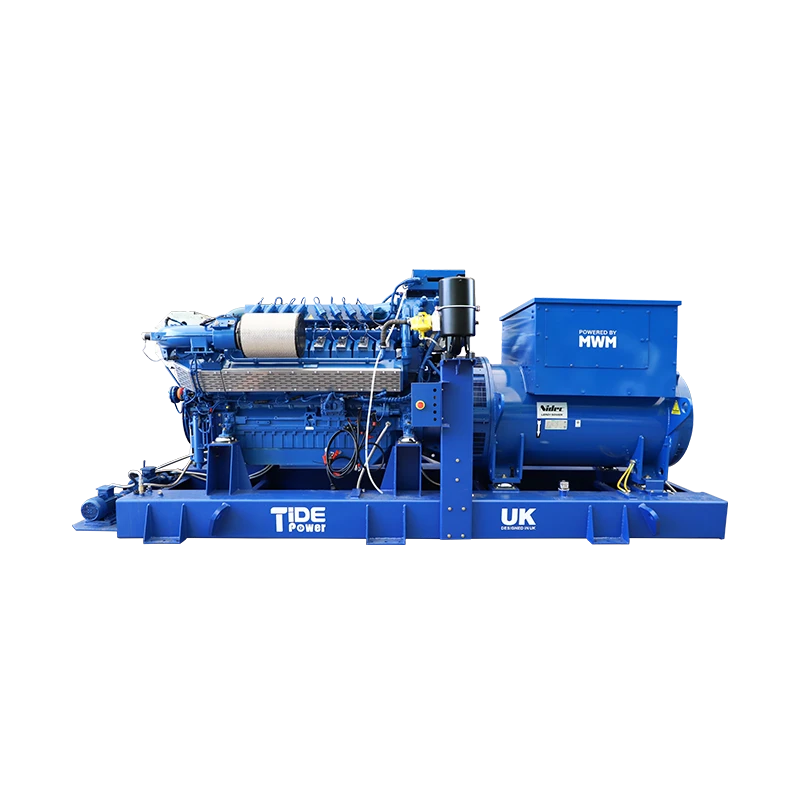
| MWM Gas | MWM | 600–4,500 | Natural gas, biogas, landfill gas | Large farms, wastewater plants, industrial CHP, utility |
Lister Petter units suit smaller agricultural and industrial projects where feedstock is relatively consistent and a compact engine footprint is important. MWM generators serve larger installations such as municipal wastewater plants or commercial landfills, where gas volume justifies a higher capital investment in return for longer overhaul intervals and better efficiency across a wider gas quality range. As an authorized OEM partner of MWM, 科泰德 configures each generator package to match the site’s specific gas composition, altitude, and grid connection requirements.
Can an Existing Diesel Generator Be Converted to Biogas?
Diesel engine conversion to biogas is technically possible but rarely advisable. The high compression ratio needed for diesel ignition must be lowered, which requires new pistons and cylinder heads. The fuel injection system is replaced with a spark ignition system and a gas mixer, and the engine management system must be entirely recalibrated. Even after conversion, the engine’s efficiency will be lower than a purpose-designed gas engine, and its lifespan may be shorter. For any project that needs consistent power, I recommend starting with a generator set engineered for gas from the outset.
Taking the Next Step Toward Reliable Biogas Power
Biogas generators have reached a level of maturity where they can serve as a project’s primary power source, not just an environmental statement. Still, every successful installation starts with a thorough analysis of fuel quality, expected load profile, and thermal energy use.
At 科泰德, we have configured biogas power systems from 50 kW up to 5 MW for customers across agriculture, industry, and waste management. Each project begins with a review of your gas composition and site conditions to determine the right engine, gas treatment, and heat recovery architecture.
Common Questions About Biogas Power Systems
What is the difference between biogas and natural gas generators?
A natural gas generator typically operates on pipeline gas with a consistent, high methane number above 80 and negligible impurities. A biogas generator must accept fuel with a methane number as low as 40-60 and variable levels of H2S, moisture, and siloxanes. As a result, biogas generators require a dedicated gas treatment skid and engine components hardened against corrosion. The two systems look similar from the outside but are engineered differently.
cURL Too many subrequests by single Worker invocation. To configure this limit, refer to https://developers.cloudflare.com/workers/wrangler/configuration/#limits
cURL Too many subrequests by single Worker invocation. To configure this limit, refer to https://developers.cloudflare.com/workers/wrangler/configuration/#limits 发电 cURL Too many subrequests by single Worker invocation. To configure this limit, refer to https://developers.cloudflare.com/workers/wrangler/configuration/#limits
cURL Too many subrequests by single Worker invocation. To configure this limit, refer to https://developers.cloudflare.com/workers/wrangler/configuration/#limits
cURL Too many subrequests by single Worker invocation. To configure this limit, refer to https://developers.cloudflare.com/workers/wrangler/configuration/#limits 联系我们 cURL Too many subrequests by single Worker invocation. To configure this limit, refer to https://developers.cloudflare.com/workers/wrangler/configuration/#limits
如果您感兴趣,请查看以下相关文章:
ZH
EN
FR
ES
AR