 ES
ES EN
EN ZH
ZH FR
FR AR
ARLos generadores de biogás ofrecen una forma directa de convertir residuos orgánicos en energía eléctrica continua, y su adopción está creciendo rápidamente en la agricultura, la industria y la gestión de residuos municipales. El principio es simple: capturar metano de material en descomposición, alimentarlo a un motor y producir electricidad. Pero el resultado práctico depende en gran medida de lo que sucede entre el digestor y el conjunto generador. En mi trabajo con proyectos energéticos que abarcan múltiples continentes, he observado que la limpieza del gas combustible es el predictor más fiable de si un generador de biogás se convertirá en un activo que ahorra costos o en un problema de mantenimiento. Este artículo explica el proceso completo de conversión de biogás a electricidad, las decisiones de ingeniería que más importan y cómo abordar la selección del sistema para que tu proyecto proporcione energía confiable a largo plazo.
El proceso de conversión de biogás a electricidad
En su forma más simple, un sistema generador de biogás consiste en un digestor anaeróbico, una línea de tratamiento de gases, un motor de gas y un alternador. Materia orgánica como estiércol animal, residuos de cultivos o desechos alimentarios se colocan en un digestor sin oxígeno, donde las bacterias la descomponen y liberan biogás. El biogás crudo típicamente contiene entre un 50 y un 70 % de metano, un 30 a un 50 % de dióxido de carbono y trazas de sulfuro de hidrógeno, humedad y silicatos.
Una vez recolectado, el gas debe ser tratado para prevenir daños en el motor. Una serie de filtros, enfriadores y depuradores elimina contaminantes y reduce el contenido de humedad para que el gas cumpla con las especificaciones de entrada del fabricante del motor. El biogás limpio se alimenta luego a un motor de combustión interna de encendido por chispa, que impulsa un alternador para producir electricidad. En muchas instalaciones, el calor del escape del motor se recupera mediante un intercambiador de calor para calefacción de agua o espacios, aumentando la eficiencia general del sistema.
Condicionamiento del combustible y modificaciones en el motor para generadores de biogás
La causa más frecuente de fallo de generadores en proyectos de biogás es un tratamiento insuficiente del gas combustible. Contaminantes que son inofensivos en un digestor se vuelven agresivos dentro de un motor.
El sulfuro de hidrógeno (H2S) se combina con agua para formar ácido sulfúrico, que corroe las superficies metálicas y degrada el aceite lubricante. Los silicatos, comúnmente presentes en gases de vertederos y aguas residuales, se convierten en depósitos abrasivos de sílice durante la combustión. Estos depósitos se acumulan en las paredes de los cilindros, válvulas y bujías, reduciendo la eficiencia y acelerando el desgaste. La humedad, si no se elimina, conduce a condensación en las líneas de combustible y a una combustión inestable.
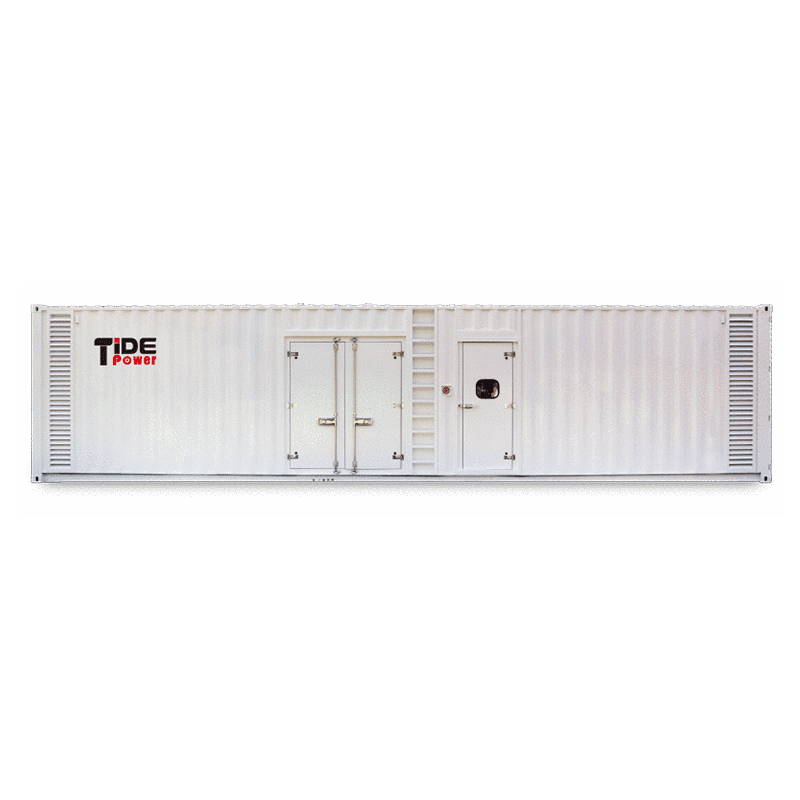
Los sistemas de acondicionamiento efectivos combinan filtros de carbón activado o depuradores de óxido de hierro para la eliminación de H2S, enfriadores para condensar y separar humedad y silicatos, y filtros de coalescencia para partículas finas. La línea exacta depende de la materia prima y de los requisitos del fabricante del motor. Para un proyecto que utiliza residuos agrícolas con bajo contenido de azufre, puede ser suficiente un enfriador y un filtro simples. Un proyecto de gas de vertedero, en cambio, requerirá depuración en varias etapas y posiblemente oxidación térmica regenerativa para controlar los silicatos.
Por qué el biogás crudo debe ser tratado antes de la combustión
Cada fabricante de motores especifica límites de calidad del gas de entrada. Superar esos límites anula las garantías y acorta la vida útil de los componentes. Un proyecto en España que seguí de cerca vio reducirse a la mitad su intervalo de revisión, porque se subestimaron los niveles de silicatos en el gas del vertedero y el depurador era insuficiente. La instalación de un sistema de pulido de gas corrector posterior al proyecto terminó costando más que el tratamiento inicial del gas.
Modificaciones en el motor que hacen que la operación con biogás sea confiable
Los motores de gas natural estándar a menudo pueden adaptarse para biogás, pero los motores diseñados específicamente para biogás tienen varias diferencias importantes. Los motores de biogás suelen contar con asientos y guías de válvula endurecidos para resistir la corrosión, recubrimientos especiales en los anillos de pistón y sistemas de encendido diseñados para manejar números de metano más bajos sin detonación. El sistema de control de la relación aire-combustible es más sensible, compensando las variaciones en el contenido de metano que pueden cambiar de una hora a otra. Algunos motores también precalientan la mezcla de aire y combustible cuando el porcentaje de metano disminuye, asegurando una combustión completa.
Además, los sistemas de lubricación suelen mejorarse con capacidades mayores en el cárter y monitoreo de la condición del aceite, ya que el aceite debe neutralizar los productos de combustión ácidos que son más frecuentes con el biogás que con el gas natural de tubería. Siempre recomiendo a los planificadores de proyectos que presupuesten un programa riguroso de muestreo de aceite desde el primer día. Es mucho más barato detectar un aumento en el número ácido temprano que reparar cilindros pitted más adelante.
Si tu materia prima de biogás contiene altos niveles de silicatos o sulfuro de hidrógeno, la configuración de tratamiento de gas requerida puede ser específica para el proyecto. Realizar una verificación de compatibilidad temprano evita daños costosos en el motor posteriormente. Contacta a [email protected] para una evaluación técnica adaptada a la composición de tu gas.
Eficiencia y mantenimiento en operación real
La eficiencia de conversión eléctrica de un motor de biogás bien ajustado suele oscilar entre un 35 % y un 42 %, dependiendo del tamaño del motor y del contenido de metano. Cuando el calor del escape se recupera para una carga térmica, como un circuito de calefacción del digestor o un proceso industrial, la eficiencia total del sistema puede superar el 80 %. Esta configuración de calor y potencia (CHP) suele determinar la viabilidad económica del proyecto.
El mantenimiento es más intensivo que con un generador de gas natural o diésel que funciona con combustible estandarizado. Las bujías pueden necesitar ser reemplazadas cada 2,000 a 4,000 horas de operación, el doble de frecuente que en una aplicación de gas natural. Los intervalos de cambio de aceite suelen ser de 500 a 1,000 horas, impulsados por la necesidad del motor de eliminar contaminantes ácidos. Las revisiones de juego de válvulas y las inspecciones de la culata deben realizarse al menos una vez al año, y muchos operadores consideran que una inspección con borescopio durante cada servicio mayor se paga por sí misma al detectar signos tempranos de acumulación de depósitos.
En proyectos que he apoyoAdemás, los operadores que instalaron analizadores continuos de metano y H2S en la línea de gas combustible redujeron el tiempo de inactividad no programado en aproximadamente un 25 %, en comparación con aquellos que dependían de muestras puntuales. Los datos permiten que el sistema de control del motor ajuste el encendido y la relación aire-combustible en tiempo real, evitando detonaciones y combustión incompleta.
Seleccionar el conjunto generador de biogás adecuado
Elegir un generador de biogás no es solo una cuestión de kilovatios. La tolerancia del motor a la calidad variable del gas, la disponibilidad local de soporte técnico y la compatibilidad del paquete de tratamiento de gases afectan la fiabilidad a largo plazo.
La tabla a continuación describe dos series de generadores capaces de usar biogás disponibles a través de Tide Power, cubriendo un amplio rango de potencia y diferentes escalas de proyecto.
| Serie de Generadores | Marca del Motor | Rango de Potencia (kVA) | Tipo de combustible | Aplicaciones típicas |
|---|---|---|---|---|
| Gas Lister Petter | Lister Petter | 28–563 | Gas natural, biogás, otros gases | Granjas, procesamiento de alimentos, pequeñas industrias, cogeneración (CHP) |
| Gas MWM | MWM | 600–4,500 | Gas natural, biogás, gas de vertedero | Grandes granjas, plantas de aguas residuales, cogeneración industrial, servicios públicos |
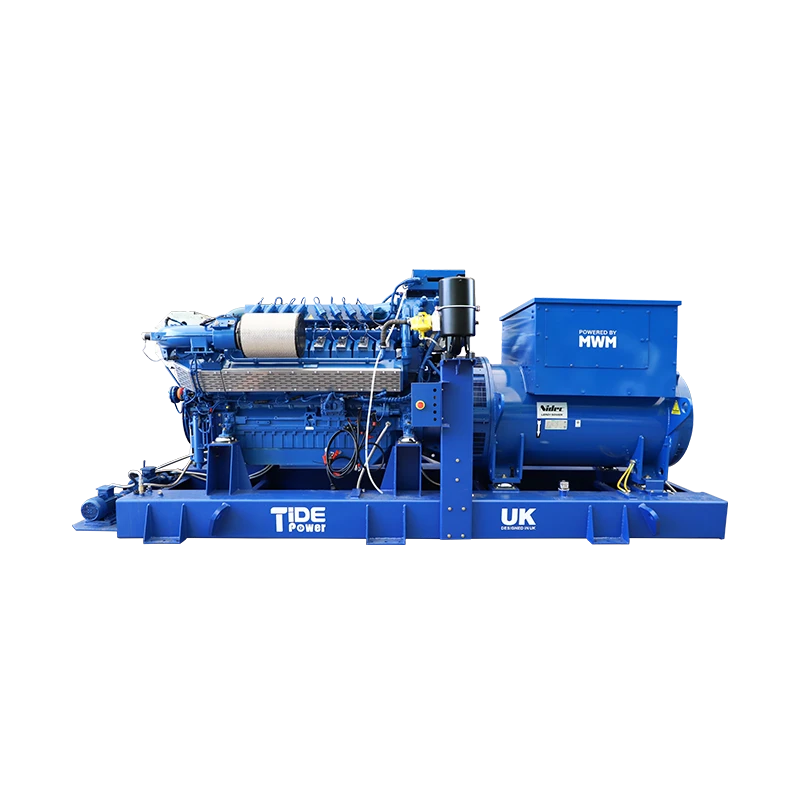
Las unidades Lister Petter son adecuadas para proyectos agrícolas e industriales más pequeños donde la materia prima es relativamente constante y la huella del motor compacta es importante. Los generadores MWM sirven a instalaciones más grandes, como plantas municipales de aguas residuales o vertederos comerciales, donde el volumen de gas justifica una inversión de capital mayor a cambio de intervalos de revisión más largos y una mejor eficiencia en un rango más amplio de calidad del gas. Como socio OEM autorizado de MWM, Tide Power configura cada paquete de generador para que coincida con la composición específica del gas del sitio, la altitud y los requisitos de conexión a la red.
¿Se puede convertir un generador diésel existente a biogás?
La conversión de un motor diésel a biogás es técnicamente posible, pero rara vez recomendable. La relación de compresión alta necesaria para la ignición diésel debe reducirse, lo que requiere nuevos pistones y culatas. El sistema de inyección de combustible se reemplaza por un sistema de encendido por chispa y un mezclador de gas, y el sistema de gestión del motor debe ser recalibrado completamente. Incluso después de la conversión, la eficiencia del motor será menor que la de un motor diseñado específicamente para gas, y su vida útil puede ser más corta. Para cualquier proyecto que requiera energía constante, recomiendo comenzar con un conjunto generador diseñado para gas desde el principio.
Dando el siguiente paso hacia una energía de biogás confiable
Los generadores de biogás han alcanzado un nivel de madurez en el que pueden servir como fuente principal de energía de un proyecto, no solo como una declaración ambiental. Sin embargo, toda instalación exitosa comienza con un análisis exhaustivo de la calidad del combustible, el perfil de carga esperado y el uso de energía térmica.
En Tide Power, hemos configurado sistemas de energía de biogás desde 50 kW hasta 5 MW para clientes en agricultura, industria y gestión de residuos. Cada proyecto comienza con una revisión de la composición de su gas y las condiciones del sitio para determinar el motor adecuado, el tratamiento del gas y la arquitectura de recuperación de calor.
 Si está planificando un proyecto de energía de biogás, envíe su análisis de gas combustible y las cargas eléctricas y térmicas anticipadas a [email protected] o llame al +86 591 2806 8999. Nuestro equipo de ingeniería le proporcionará una recomendación preliminar del sistema y puede esbozar una especificación que proteja su inversión desde la primera hora de operación.
Preguntas frecuentes sobre sistemas de energía con biogás
¿Cuál es la diferencia entre generadores de biogás y de gas natural?
Un generador de gas natural normalmente funciona con gas de tubería con un número de metano constante y alto, por encima de 80, e impurezas insignificantes. Un generador de biogás debe aceptar combustible con un número de metano tan bajo como 40-60 y niveles variables de H2S, humedad y siloxanos. Como resultado, los generadores de biogás requieren una bancada de tratamiento de gas dedicada y componentes del motor reforzados contra la corrosión. Los dos sistemas parecen similares desde el exterior, pero están diseñados de manera diferente.
¿Cuánto dura un generador de biogás antes de una revisión mayor?
Con un tratamiento adecuado del combustible y un programa de mantenimiento disciplinado, un motor de biogás puede alcanzar entre 30,000 y 60,000 horas de funcionamiento antes de una revisión mayor, comparable a muchos motores de gas natural en servicio de base. La verdadera variable es la calidad del gas. Un combustible mal acondicionado puede reducir los intervalos de revisión a 15,000 horas o menos.
¿Es el biogás generación de energía económicamente viable sin subsidios?
En muchos casos, sí. Cuando la materia prima es gratuita o implica un coste de eliminación que la generación de biogás elimina, la ventaja en coste de combustible puede compensar los mayores costes de capital y mantenimiento. Los proyectos que utilizan el calor residual del motor para un propósito productivo suelen recuperar la inversión en un plazo de dos a cuatro años, incluso sin tarifas de alimentación.
¿Pueden los generadores de biogás funcionar con gas de vertedero?
Sí, pero el gas de vertedero contiene más siloxanos, compuestos halogenados y humedad que el biogás de digestor. El sistema de tratamiento de gas debe ser más robusto, a menudo incluyendo pulido con carbón activado y enfriamiento profundo. La serie de generadores de gas MWM de Tide Power se especifica con frecuencia para aplicaciones en vertederos porque los materiales del motor y el sistema de control toleran bien las condiciones exigentes.
¿Qué contrato de mantenimiento debo buscar?
Un contrato de servicio completo debe incluir cambios de aceite programados con análisis de laboratorio, reemplazo de bujías, revisiones de holgura de válvulas y inspecciones con borescopio. Recomendamos incorporar monitoreo remoto 24/7 y pruebas anuales en el sitio del sistema de tratamiento de gas. Si su sitio es remoto o carece de personal técnico en el lugar, un acuerdo de servicio completo puede mantener el tiempo de inactividad al mínimo. Contáctanos a [email protected] con sus detalles operativos, y propondremos un alcance de mantenimiento adaptado a su sitio.
Si estás interesado, consulta estos artículos relacionados:
Regístrese para visitar el stand de Tide Powers nº 4.B13 en Nigeria Energy
La Reunión Anual de Ventas Globales de Tide Power 2025 y las Actividades del Equipo Concluyen con Éxito