 ZH
ZH EN
EN FR
FR ES
ES AR
ARGas generator for cogeneration systems earns its position when a facility has a continuous thermal load and access to natural gas or biogas. Instead of rejecting engine heat, a properly designed system converts it into hot water, steam, or process heat while producing electricity. That combination routinely lifts total fuel utilization above what a standalone generator can achieve. The difficult part is sizing the package correctly and matching recovered heat to actual demand. A gas generator set selected around power output alone is the most common reason cogeneration projects disappoint. The equipment, fuel pressure, and heat recovery loop must be evaluated as one system from the first calculation.
What Does a Gas Generator for Cogeneration Systems Actually Deliver?
A gas generator for cogeneration systems is sized as a combined heat and power asset, not as an electrical-only backup machine. The alternator output carries the electrical load. Recovered heat from the engine jacket water and exhaust stream supplies hot water, steam, or drying air. The simplest comparison is to add the useful electrical and thermal output, then compare that total against the fuel input of separate utility power and boiler heat. When the combined system uses less fuel per unit of useful output, the cogeneration route earns its position.
This distinction matters during procurement because a power-only gas generator specification leaves out the components that determine whether the project works: exhaust gas heat exchanger, jacket water plate heat exchanger, circulation pumps, and thermal storage. Heat recovery is not a default accessory. It is a designed subsystem with its own pressure drop, flow rate, and temperature approach values.
A controls package that tracks electrical and thermal output together avoids the common split where the engine runs correctly and the heat recovery loop runs blind. 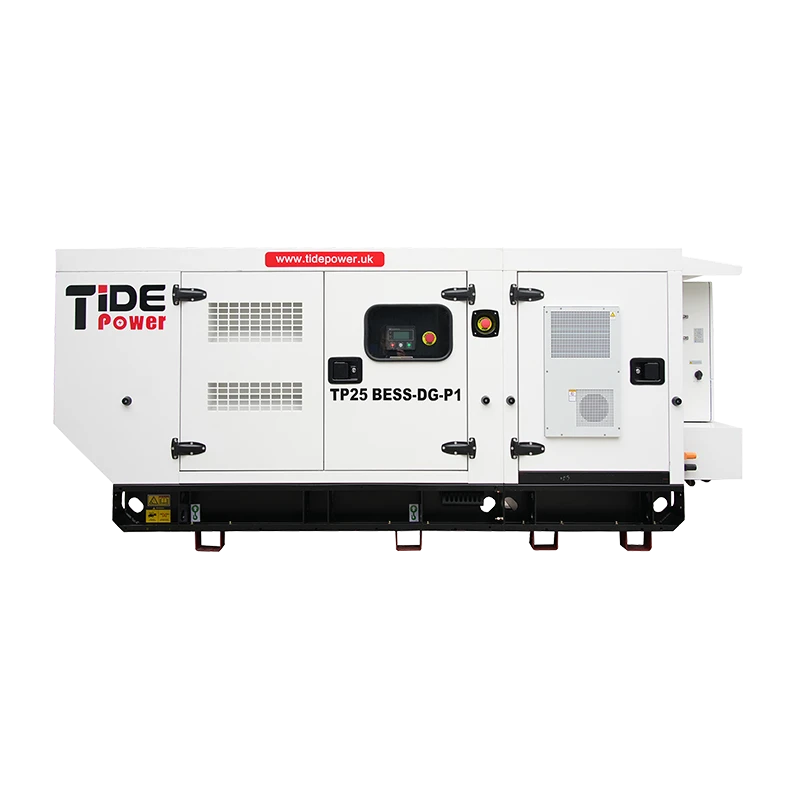
How Should You Size a Cogeneration Gas Generator Set?
Sizing starts with the thermal load, not the electrical nameplate. If the site has a continuous process heat demand, the recovered heat has a real customer. If hot water demand is seasonal, the generator may only recover useful heat for part of the year. Use hourly load data before selecting a generator rating.
| Sizing Input | What It Fixes |
| Continuous thermal load | Determines whether heat recovery is worth including |
| Electrical base load | Sets the minimum generator output |
| Fuel gas pressure | Confirms engine output and burner compatibility |
| Heat carrier return temperature | Decides how much jacket water heat can be recovered |
| Load variation | Determines part-load operation and thermal storage |
Most industrial sites we evaluate have a stronger case for cogeneration when one of three conditions is present: the site runs a hot water or steam load at least 16 hours a day, the generator operates near base load, and the alternative fuel is already available at the required pressure. If all three conditions do not hold, the system will still run, but the payback period stretches.
Custom generator packages simplify the balance of plant when the cogeneration loop has to match an existing facility layout. 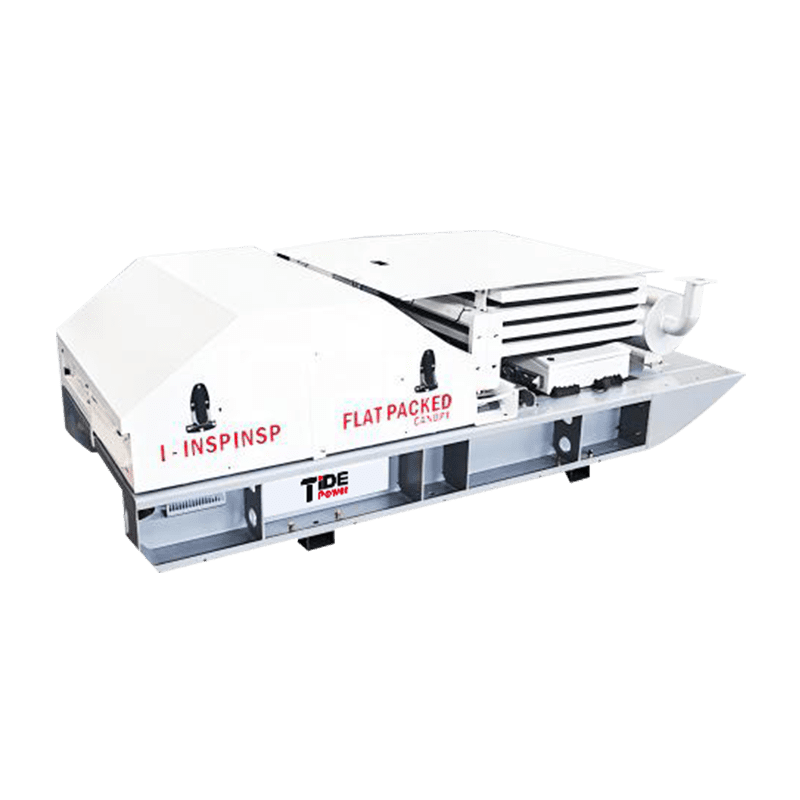
Which Fuel and Operating Conditions Change the Business Case?
Natural gas and biogas do not treat a gas generator the same way. Natural gas arrives at predictable pressure and methane content. Biogas can contain water, hydrogen sulfide, and siloxanes that require treatment before the engine. The fuel specification changes maintenance intervals, derating, and heat recovery component life. A low-emission natural gas generator set may be set up for high-methane gas and tight electronic control. A landfill or anaerobic digester project needs a gas conditioning train in front of the engine.
| Gas Generator Package | Fuel Compatibility | Rated Power |
| MWM Gas Generator Set | Natural gas and biogas | 600 kVA to 4500 kVA |
| Lister Petter Gas Generator Set | Natural gas, biogas, other gaseous fuels | 28 kVA to 563 kVA |
Altitude and ambient temperature also shift the thermal balance. At high altitude, air density drops, combustion air supply changes, and the generator may need derating. At the same time, the exhaust heat still has value if the process needs high-temperature heat. A site that needs hot water at 90 degrees C should be evaluated differently from one that can accept return water at 60 degrees C.
Fuel storage and pressure control sit upstream of the engine and have their own specification requirements. 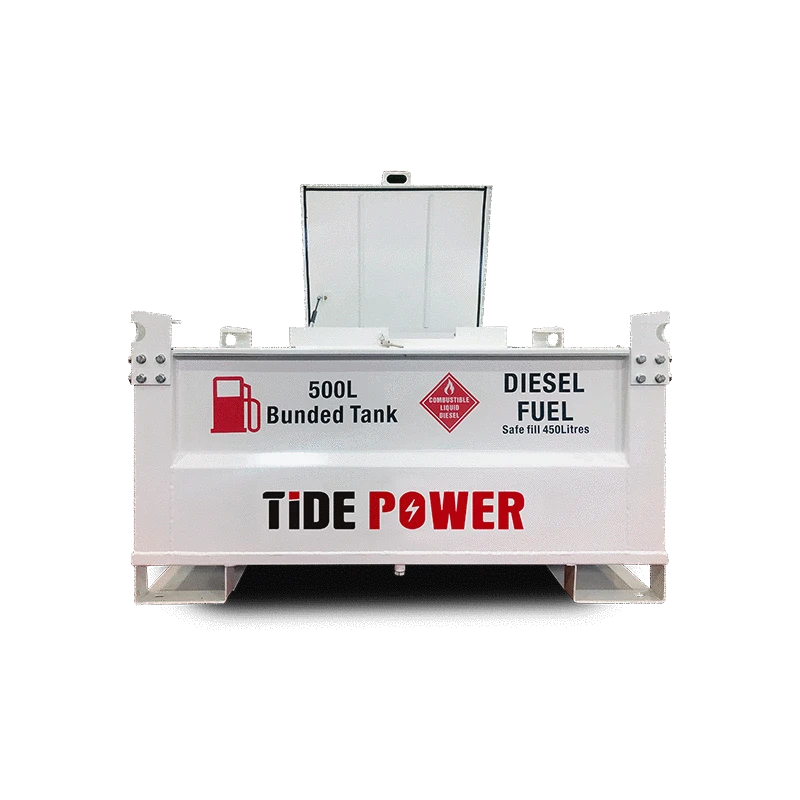
If your site has intermittent thermal demand or gas pressure below the engine manufacturer’s required window, the heat recovery loop can remove the payback benefit. It is worth confirming the heat balance and fuel pressure window before you finalize your generator package. Send your hourly load data and fuel type to [email protected] and we will check it.
Where Cogeneration Projects Go Wrong Before Finalizing Your Specification?
In gas generator projects I have reviewed, the most common failure is not the engine. It is the heat recovery loop specified without a realistic thermal load curve. One project specified a gas generator based on electrical capacity alone, and the recovered heat had no continuous use after the first hour. The engine ran at part-load more often than intended, and the owner paid for a heat recovery system that rarely reached design temperature.
Another failure mode appears when fuel pressure is inferred from a utility meter rating instead of measured at the engine gas train inlet. Gas pressure that is too low causes the engine to derate. Gas pressure that is unstable across the day creates control faults and leads operators to bypass the heat recovery control sequence. Before procurement, confirm the complete fuel train from site connection to engine inlet.
A third failure mode is treating gas generator maintenance like diesel generator maintenance. A gas engine running on biogas needs attention to valve recession, spark plug replacement, gas mixing, and oil condition on different intervals. Procurement documents that copy a diesel generator specification miss these points. The result is a generator package that is technically delivered but missing the service plan the operating team needs.
How Do You Move From Gas Generator Sizing to a Confirmed Specification?
The next step is not a longer specification document. It is a smaller set of confirmed inputs: electrical base load, thermal load curve, fuel type, gas pressure, altitude, and target heat carrier temperature. With those six inputs, a supplier can calculate electrical output, recoverable heat, and part-load behavior before committing to a package.
At Tide Power Technology, we work from actual load curves rather than a single generator price line. Send your site fuel type, gas pressure, and hourly load data to [email protected] or call +86 591 2806 8999. We will return a heat balance check and a gas generator package recommendation matched to your heat recovery loop before you finalize your supplier shortlist.
What Procurement Teams Ask Before Selecting a Gas Generator Supplier
Does a gas generator for cogeneration systems require a separate heat recovery boiler?
Not always. Heat recovery can start with an exhaust gas heat exchanger and a jacket water circuit, which are compact enough for small industrial systems. A separate waste heat boiler becomes necessary when the site needs steam at a specific pressure or when exhaust temperatures are too high for direct process use. The decision should follow the heat carrier, required temperature, and flow rate, not the generator size alone. Sites that can use hot water at moderate temperature often avoid the separate boiler. Sites that need low-pressure steam usually add one.
What is the difference between sizing for electrical load and sizing for cogeneration?
The common assumption is that electrical load should determine everything. That works for standby power, but cogeneration adds thermal output as a second design load. A generator selected only on kilowatts or kVA may be too large for the thermal load, which forces part-load operation and reduces recovered heat. The correct sequence is to establish the minimum thermal load the site can consume all year, then select the generator rating around that thermal floor and the electrical base load together.
Should biogas projects use the same gas generator package as natural gas projects?
It depends on the gas composition and the treatment system. Natural gas with stable methane content can use a standard package. Biogas with hydrogen sulfide, siloxanes, or variable methane content needs a gas conditioning train and different maintenance planning. The engine may be the same base model, but the fuel skid, controls, and service intervals change. Do not copy a natural gas specification into a biogas project without confirming gas quality data from the site.
What should we send to a supplier before asking for a cogeneration gas generator price?
A better question is what to send before asking for a cogeneration price. The answer is six inputs: electrical base load, thermal load curve, fuel type, gas pressure, altitude, and heat carrier temperature. Those six items let a supplier calculate whether the heat recovery loop is worth the added equipment. If your site has variable hot water or steam demand, share the hourly thermal load curve with [email protected] and we will confirm the size split before you order.
如果您感兴趣,可以查看以下相关文章:
厨房废弃物的沼气发电
泰德2024管理会议圆满举行
泰德 参加了“一带一路”峰会
推动行业与基础设施:泰德的先进泵送解决方案在效率与可靠性方面树立新标准
泰德ERP平台成功上线,开启智能管理新时代