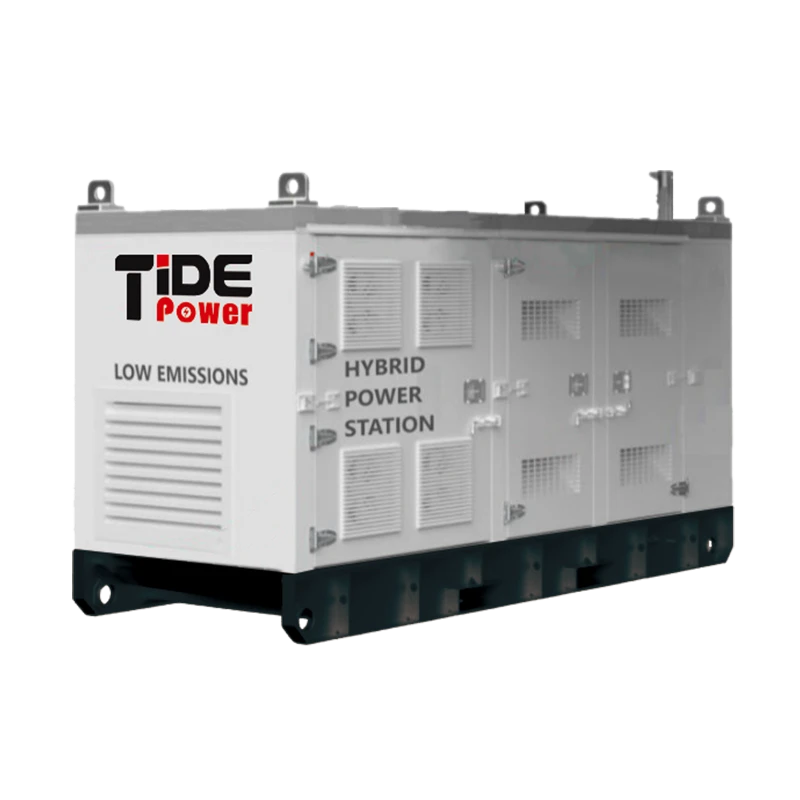
The promise of a hybrid energy system is straightforward enough—solar panels charge batteries during the day, a diesel generator fills the gaps, and remote sites get uninterrupted power without a utility connection. What makes the difference between a proof-of-concept and a system that actually survives five years of dust, temperature swings, and zero on-site maintenance is rarely the technology itself. It is the upfront decisions around component integration, supplier capability, and how the system reaches the site in the first place. This article focuses on those practical, procurement-level realities that project developers encounter long before commissioning.
Why Hybrid Outperforms Single-Source Power at Remote Sites
A single diesel generator may seem simpler on paper, but the operational math changes quickly when you factor in fuel resupply to locations accessible only by seasonal roads. A standalone solar array, meanwhile, leaves no margin for a week of cloud cover. The hybrid approach—pairing renewable generation with battery storage and a backup genset—creates a power curve that matches how remote loads actually behave, not how they look in a design spreadsheet.
Three factors drive the shift toward hybrid configurations on off-grid projects. First, fuel logistics: every liter of diesel that must be trucked, barged, or flown to a site multiplies its true cost far beyond the pump price. A well-sized solar and storage subsystem can cut generator run time by 60% to 80% on many projects, reducing both fuel cost and engine wear. Second, maintenance windows shorten when the generator only cycles a few hours per day instead of running continuously. Third, the integration of an intelligent controller—a feature that 科泰德 builds into its hybrid power systems as standard—enables unattended operation with millisecond-level switching between sources, so critical loads never see an interruption even when the generator starts cold.
The trade-off is upfront complexity, and that is where most procurement mistakes happen. The components exist; the question is whether they were engineered to work together before they arrived on site.
Components That Make a Hybrid System Reliable
A remote hybrid power system is not a collection of catalog items bolted together on a concrete pad. It is a pre-integrated energy chain where each element affects the performance envelope of the others. Four subsystems define the architecture.
First, the renewable input. Monocrystalline solar panels remain the most proven option for remote installations because of their energy density and mature supply chain. Bifacial panels can add yield when ground albedo is high, but on dusty sites the gain often evaporates without regular cleaning. The array DC output feeds directly into the energy storage subsystem.
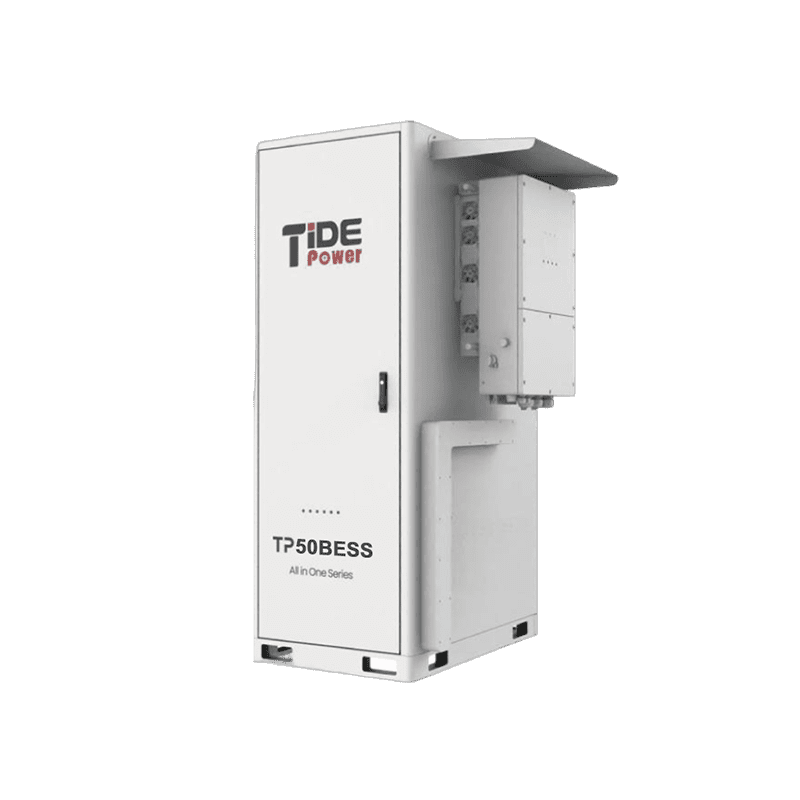
Second, the battery bank. Lithium iron phosphate (LFP) chemistry dominates current remote-energy tenders for good reason: thermal stability, cycle life that routinely exceeds 4,000 cycles at 80% depth of discharge, and tolerance of partial state-of-charge operation without rapid degradation. 科泰德’s hybrid program uses modular LFP packs—the TP-50BESS unit, for example, provides 50 kWh of usable capacity in a standalone rack configuration—which lets project teams scale storage capacity after initial deployment without replacing the core system.
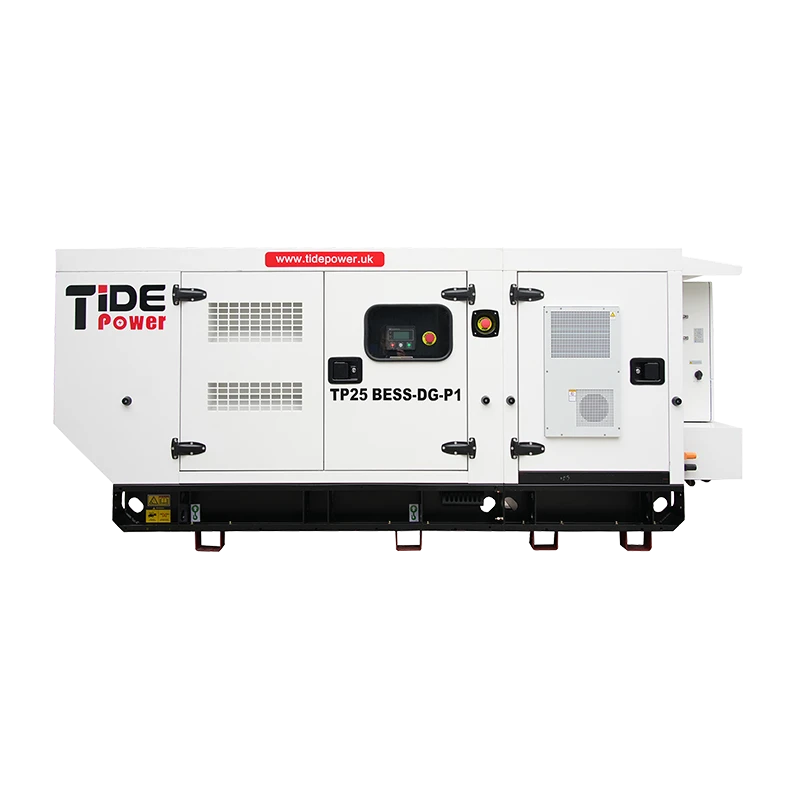
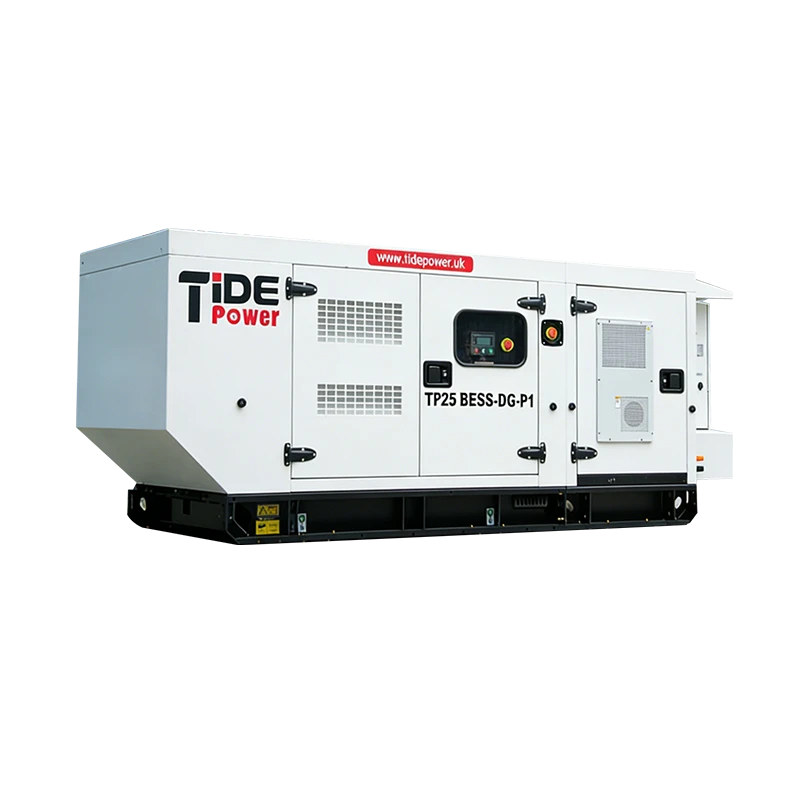
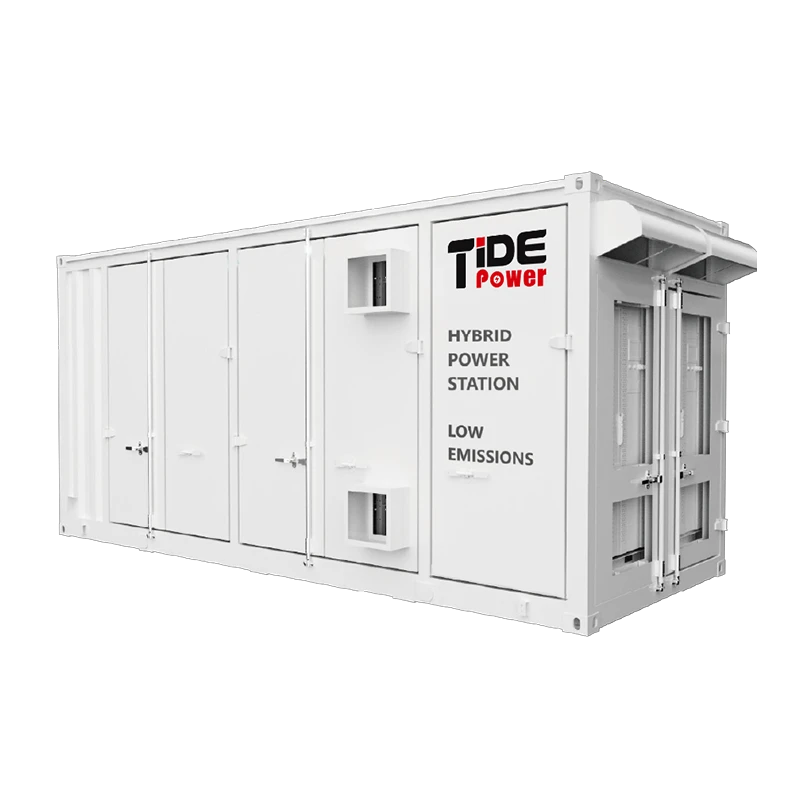
Third, the backup genset. The generator is no longer the primary workhorse; it is a reliability anchor. That changes the specification logic. Instead of sizing the genset for peak daytime load, you size it for the worst-case battery-charging scenario plus essential overnight loads. A unit in the 25 to 60 kVA range covers a wide band of remote telecom and community microgrid applications. 科泰德’s TP-25P and TP-60P hybrid power stations integrate the genset, power electronics, and controller into a single weatherproof enclosure designed for forklift handling and containerized shipping—a detail that matters more than most spec sheets admit.
Fourth, the power management controller. This is the component that either makes the system invisible to the end user or generates endless service calls. The controller must handle state-of-charge triggers, generator start/stop sequencing, load priority shedding, and grid-forming voltage control without human intervention. In 科泰德’s architecture, the controller delivers seamless switching in under 20 milliseconds, which means even sensitive telecom rectifiers or medical cold-chain compressors ride through source transitions without a power-quality event.
A comparison of two typical remote-site configurations illustrates how component choices shape total system behavior.
| System Configuration | Solar Capacity | Battery Storage | Backup Genset | 适用场所 |
|---|---|---|---|---|
| Light telecom site | 5–10 kWp | 25–50 kWh LFP | 15–25 kVA diesel | Single-sector base stations, monitoring outposts |
| Medium community microgrid | 30–60 kWp | 100–200 kWh LFP | 50–125 kVA diesel | Rural health clinics, small processing plants, multi-family loads |
Sizing a Hybrid System for Your Remote Project
Load profiling for a remote hybrid system needs to be done differently than for a grid-connected backup system. You are not sizing for the worst-case outage duration; you are sizing for year-round energy balance across seasonal variations in solar irradiance and load patterns that may not match the data from a one-week site survey.
The starting point is a 24-hour load curve sampled at hourly resolution, ideally across both dry and wet seasons. From that, you derive three numbers: peak power demand, total daily energy consumption, and the duration of the highest consecutive load block. These three drive the inverter rating, battery capacity, and genset sizing respectively. One underappreciated factor is that remote sites often have a lower coincidence factor than urban facilities because equipment tends to cycle at different times rather than all starting at once. Overestimating the coincidence factor can push the inverter and genset ratings unnecessarily high, adding capital cost and reducing part-load efficiency.
If your project involves a site where the load profile is expected to change significantly within the first two years—for instance, adding a new processing shed or upgrading telecom equipment—it is worth confirming the system’s scalability path before finalizing your BOM. A modular architecture that allows parallel connection of additional power units without replacing the central controller can save substantial downstream cost. Reach out at [email protected] with your phased load forecast and the team can map the expansion path against the available hybrid power unit range.
Battery sizing is the variable that carries the largest sensitivity. An undersized battery forces excessive generator cycling, which destroys the fuel-saving logic. An oversized battery adds capital that sits idle most of the year. The economic optimum usually sits at two to three days of autonomy—meaning the battery can cover 48 to 72 hours of load without any solar input, at the end of which the generator takes over. That autonomy target, combined with the daily energy figure and the allowable depth of discharge, fixes the required usable kilowatt-hours.
What to Look for in a Hybrid Energy System Supplier
Most hybrid system failures that I have seen over the past decade of working with international energy projects trace back to supplier selection, not component quality. The individual solar panel, battery cell, or engine may meet its data sheet; the problem is that nobody took responsibility for how they behave as an integrated system under real site conditions.
Three supplier capabilities separate project-ready providers from kit assemblers. First, pre-delivery integration testing. The supplier should commission the full system—panels, batteries, genset, and controller—on a test bench before it is packed for shipment. A test report with measured switchover times, state-of-charge control accuracy, and load-step response tells you more than any catalog. 科泰德 operates a smart manufacturing base where every hybrid power station runs through a full integration test cycle prior to dispatch, with results documented per unit.
Second, logistics and export documentation experience. Hybrid systems contain multiple tariff classifications—solar panels, batteries (Class 9 dangerous goods), and diesel engines all fall under different customs codes and handling rules. A supplier that has shipped containerized energy systems to Africa, Southeast Asia, and South America understands the paperwork and packing requirements that avoid demurrage charges and port delays. When every day of delay is a day the remote site runs on a rental generator, that expertise has a direct project cost.
Third, after-sales 支持 infrastructure. The supplier should be able to provide remote diagnostics—reading controller data over satellite or cellular backhaul—and to ship replacement power modules on short notice. A modular system architecture helps here: if a TP-50BESS battery module reports a cell imbalance, a replacement module can be dispatched while the remainder of the storage bank continues operating at reduced capacity.
cURL Too many subrequests by single Worker invocation. To configure this limit, refer to https://developers.cloudflare.com/workers/wrangler/configuration/#limits
保修 cURL Too many subrequests by single Worker invocation. To configure this limit, refer to https://developers.cloudflare.com/workers/wrangler/configuration/#limits
cURL Too many subrequests by single Worker invocation. To configure this limit, refer to https://developers.cloudflare.com/workers/wrangler/configuration/#limits
如果您感兴趣,请查看以下相关文章:
科泰德在The Smarter E Europe 2025展会上展示创新混合能源解决方案
极端环境下的发电机维护:应对重沙与粉尘挑战
非洲赋能:科泰德在本地工业化进程中的作用
2024 科泰德中国经销商培训大会成功举办
ZH
EN
FR
ES
AR