 ES
ES EN
EN ZH
ZH FR
FR AR
ARLa decisión entre bomba de desagüe diésel y eléctrica determina el perfil de fiabilidad y coste de cualquier operación húmeda. para la construcción or minería Las fichas técnicas comparan caudales y alturas, pero la verdadera elección a menudo depende de algo menos visible: la logística de energía en el sitio y la calidad del motor. En proyectos energéticos globales he apoyovisto cómo las bombas eléctricas luchan cuando su suministro de generador no puede mantenerse al ritmo, mientras que unidades robustas de bombas diésel mantenían el desagüe de manera constante independientemente del acceso a la red eléctrica. Este artículo desglosa la comparación para que puedas emparejar la bomba con las condiciones reales del campo de tu proyecto.
¿Cuál es la diferencia entre bombas de desagüe diésel y eléctricas?
Una bomba de desagüe diésel combina un motor con una bomba centrífuga de autocebado en un solo bastidor. El motor impulsa directamente la impulsión, por lo que la unidad funciona independientemente de cualquier fuente de energía externa. Las bombas de desagüe eléctricas utilizan un motor de inducción alimentado por electricidad de la red o un generador separado. El motor hace girar el eje de la bomba, produciendo flujo una vez que la bomba está cebada.
La capacidad de autocebado es importante en sitios donde los niveles de agua fluctúan. Los modelos diésel suelen lograr un cebado rápido porque el motor entrega torque instantáneamente, incluso cuando la carcasa de la bomba está solo parcialmente llena. Las bombas eléctricas también pueden autocebárse, pero su velocidad de cebado depende de las características de arranque del motor y de un voltaje estable. Esta diferencia fundamental en la entrega de energía se refleja en aplicaciones donde el desagüe ininterrumpido es crítico.
¿Cómo comparan las bombas de desagüe diésel y eléctricas en caudal y altura?
Ambos tipos pueden cubrir un amplio rango de caudal y altura, pero sus perfiles de rendimiento difieren en la práctica. Las bombas diésel tienden a mantener el caudal nominal a mayores alturas porque la curva de torque del motor permanece plana bajo carga; las bombas eléctricas pueden perder velocidad si el voltaje cae, reduciendo la producción. Una comparación rápida:
| Parámetro | Bomba de desagüe diésel | Bomba de desagüe eléctrica |
|---|---|---|
| Consistencia del caudal | Alta bajo carga variable | Dependiente de la estabilidad del voltaje |
| Capacidad de altura | Hasta más de 100 m con motores robustos | Comparable, pero se necesita dimensionamiento del motor |
| Velocidad de cebado | Rápido, incluso con niveles bajos de agua | Requiere energía estable para un arranque rápido |
| Tiempo de funcionamiento | Limitado por la capacidad del depósito de combustible | Ilimitado en red, limitado por el combustible del generador si está fuera de la red |
Para minas o control de inundaciones donde la tarea de la bomba es impredecible, la entrega de par plano de un motor diésel mantiene la eliminación de agua constante. Las bombas eléctricas destacan en aplicaciones con energía limpia y estable y donde se desea control de velocidad variable.
¿Cuáles son los verdaderos costos de operación de bombas de desagüe diésel vs eléctricas?
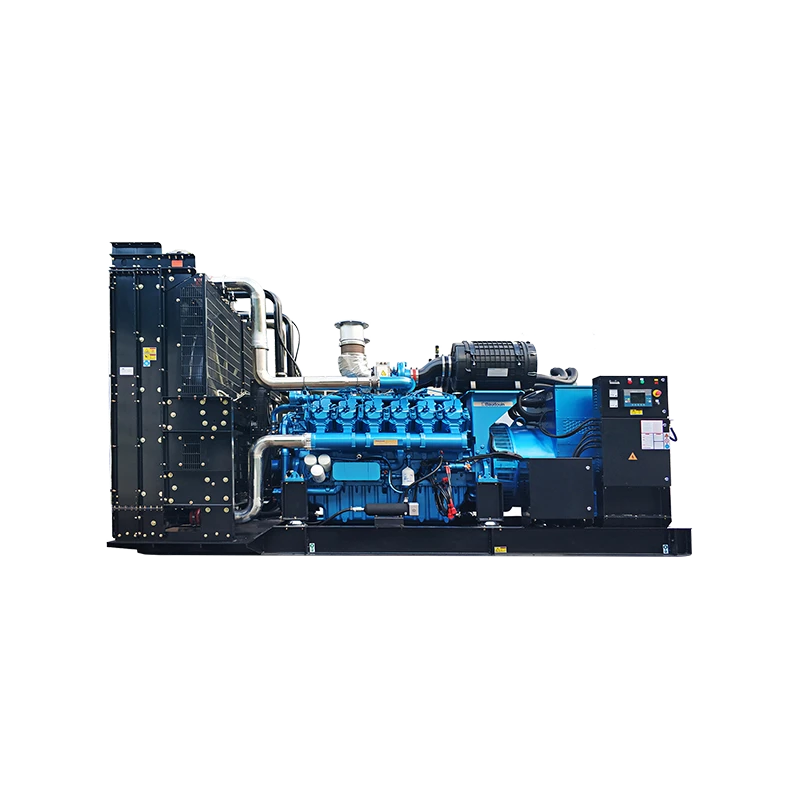
El costo inicial no es toda la historia. Una bomba diésel puede tener un precio de compra más alto debido al motor, pero su costo operativo depende del consumo de combustible, no de las tarifas eléctricas. En sitios remotos donde traer energía de la red es costoso, una unidad diésel puede ser más económica de operar porque se evita el alquiler del generador y el combustible para ese generador separado. El consumo de combustible para una bomba de desagüe diésel de 10 pulgadas típica ronda entre 5 y 8 litros por hora a plena carga, pero esto varía según la marca del motor y la tarea de la bomba.
El mantenimiento también difiere. Los motores diésel necesitan cambios de aceite, reemplazo de filtros de combustible y servicio ocasional de inyectores, pero un motor industrial bien construido puede registrar miles de horas entre revisiones. Los motores eléctricos requieren casi ningún mantenimiento rutinario más allá de las revisiones de rodamientos, pero son sensibles a desequilibrios de voltaje y entrada de humedad. El costo total de propiedad generalmente favorece al diésel cuando el sitio carece de energía permanente, mientras que las bombas eléctricas ganan en instalaciones establecidas con suministro confiable de la red y reglas estrictas de emisiones.
¿Qué aplicaciones son las más adecuadas para bombas de desagüe diésel vs eléctricas?
Combinar el tipo de bomba con la aplicación evita costosos tiempos de inactividad. Las bombas diésel son las preferidas para pozos de construcción remotos, minas a cielo abierto, respuesta de emergencia ante inundaciones y riego a gran escala donde no es práctico tender cables. Su independencia del combustible y su despliegue rápido las hacen ideales para sitios de trabajo temporales o en movimiento. Las bombas de desagüe de las series Z, B y K de Tide Power, por ejemplo, están construidas sobre plataformas robustas con grandes tanques de combustible, específicamente para drenaje continuo en minería y rescate.
Las bombas eléctricas son adecuadas para excavaciones en interiores, construcción urbana con horarios de silencio, túneles donde la ventilación ya controla las emisiones de diésel y cualquier sitio con conexión estable a la red. También se integran fácilmente con sistemas de control automatizados para operación de velocidad variable. Si tu proyecto se desplaza con frecuencia, el paquete autónomo del diésel elimina la tarea de reubicar el equipo de conmutación y los cables de energía cada pocos días.
¿Cómo afecta la calidad del motor a la fiabilidad de la bomba de desagüe diésel?
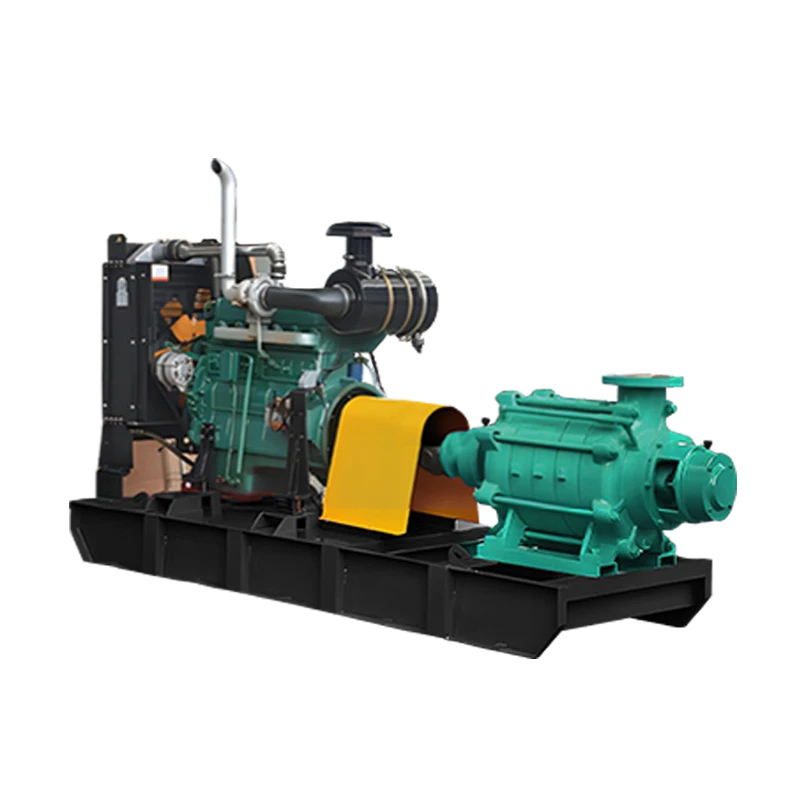
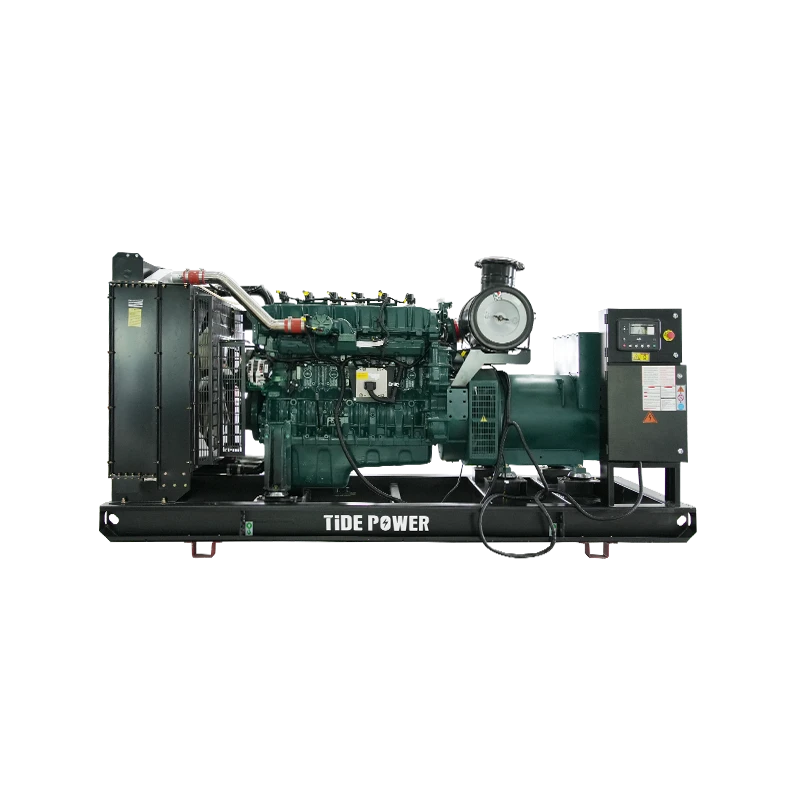
El motor es el corazón de una bomba de desagüe diésel, y no todos los motores son iguales. En proyectos que van desde minas en África Occidental hasta zonas de inundación en el sudeste asiático, he observado que las bombas construidas alrededor de motores industriales probados — aquellos con bloques de servicio pesado, inyección directa y buen soporte de piezas — ofrecen una disponibilidad mucho mayor que las que usan motores automotrices convertidos de servicio ligero. La tolerancia a la calidad del combustible, el diseño del sistema de enfriamiento y la respuesta del gobernador afectan directamente cuánto tiempo puede funcionar una bomba antes de necesitar atención.
La gama de bombas de desagüe de Tide Power aprovecha la experiencia en motores diésel adquirida en la fabricación de sus grupos electrógenos. La serie D, por ejemplo, utiliza impulsores multietapa y un motor diésel robusto que mantiene su velocidad bajo condiciones variables de succión. Cuando eliges una bomba diésel, también eliges una marca de motor y una red de servicio local. Preguntar sobre la marca del motor, datos de consumo de combustible y disponibilidad de piezas de repuesto antes de comprar a menudo ahorra semanas de tiempo de inactividad posteriormente.
¿Qué factores ambientales y regulatorios influyen en tu elección?
Las regulaciones de emisiones y ruido cada vez dirigen más la selección de bombas. Los motores diésel producen gases de escape y un nivel de ruido característico que puede requerir mitigación en áreas urbanas o sensibles al medio ambiente. Algunos sitios ahora exigen filtros de partículas diésel o requieren combustible de azufre ultra bajo. Las bombas eléctricas ofrecen cero emisiones en el sitio y menor ruido, alineándose con certificaciones de construcción ecológica y requisitos de permisos comunitarios.
Sin embargo, si la bomba eléctrica es alimentada por un generador diésel fuera de la red, las emisiones simplemente se desplazan aguas arriba. El impacto ambiental neto entonces depende de la eficiencia del generador y de la logística local del combustible. Para proyectos donde ambos tipos son técnicamente factibles, el factor decisivo suele ser las condiciones específicas del permiso del sitio en lugar de una declaración general de que uno es más limpio.
Elegir la bomba de desagüe adecuada para tu sitio
Seleccionar entre bombas de desagüe diésel y eléctricas no se trata tanto de un “mejor” universal, sino de la realidad energética de tu sitio. La autonomía y fiabilidad del motor de una bomba diésel compensan cuando el acceso a la red es poco confiable o el movimiento es constante; una bomba eléctrica ofrece un rendimiento limpio y silencioso donde la energía está garantizada y las emisiones están reguladas. Si gestionas drenaje en minería remota, respuesta a emergencias o desagüe en construcción a gran escala, la fiabilidad comprobada del diésel suele ser la opción más segura operativamente.
Antes de finalizar su especificación, comparta las condiciones de su sitio — caudal, cabeza y disponibilidad de combustible o energía — con un ingeniero que entienda tanto de hidráulica de bombas como de rendimiento de motores. Nuestro equipo puede ayudarle a modelar el consumo de combustible y el costo total para su proyecto específico. Envíe sus requisitos a [email protected] o llame al +86 591 2806 8999 para obtener una recomendación basada en experiencia real de desagüe.
Preguntas frecuentes sobre la selección de bombas de desagüe diésel y eléctricas
¿Qué tipo de bomba dura más?
Las bombas diésel con motores industriales de alta resistencia pueden operar 20,000 horas o más con un mantenimiento adecuado, mientras que la vida útil del motor eléctrico a menudo supera las 25,000 horas en condiciones limpias y secas. La longevidad en el mundo real depende más del entorno operativo y la disciplina de mantenimiento que de la fuente de energía en sí. En condiciones de suciedad o humedad, la filtración de aire del motor y la clasificación de protección contra ingreso del motor son más importantes que la tecnología misma.
¿Puedo operar una bomba de desagüe eléctrica con un generador portátil?
Sí, pero el tamaño del generador debe tener en cuenta la corriente de arranque del motor, que puede ser de 6 a 8 veces la corriente de funcionamiento. Los generadores de tamaño insuficiente causan caídas de voltaje que reducen la capacidad de la bomba y pueden disparar los dispositivos de protección. Si ya planea usar un generador para otras cargas del sitio, una bomba diésel elimina la pérdida por doble conversión y simplifica la configuración de energía.
¿Qué pasa si mi sitio tiene límites estrictos de ruido?
Las bombas eléctricas son inherentemente más silenciosas, pero las bombas diésel con capota silenciosa pueden cumplir con muchas ordenanzas urbanas de ruido. La elección correcta depende del límite específico de decibelios y de la disponibilidad de recintos acústicos. En algunos casos, una bomba eléctrica con un generador remoto colocado detrás de una pared acústica ofrece un compromiso.
¿Cómo decido entre diésel y eléctrico para un proyecto de desagüe en una mina?
El desagüe en minas suele favorecer el diésel debido al entorno de trabajo duro y en movimiento, y a la ausencia de energía de red confiable en el subsuelo. La independencia de una bomba diésel y su rápida redeployación superan la logística del combustible. Sin embargo, si la mina cuenta con una subestación superficial con capacidad sobrante, una bomba eléctrica alimentada desde esa fuente puede reducir los costos operativos. Comparta con nosotros la distribución de energía de su mina y su caudal objetivo — le ayudaremos a identificar el enfoque más práctico.
Si estás interesado, consulta estos artículos relacionados:
TIDE POWER TP200BESS: Almacenamiento híbrido avanzado para eficiencia industrial
Impulsando la industria de la construcción con Tide Power