
 ES
ES EN
EN ZH
ZH FR
FR AR
AREnergy storage system components are easier to evaluate once a buyer stops treating a BESS as a single product and starts reading it as four linked subsystems: battery modules, power conversion, control layers, and site protection. I see this mistake most often in hybrid power and telecom projects. A team compares cabinet prices without checking whether the battery module, inverter, and management system can operate together at the required voltage window. The sections below break down the core components, what each one does, and where specification gaps usually appear before purchase. The goal is not more data. It is the right sequence for evaluation.
Energy Storage System Components and the Integration Chain
A BESS only makes sense when four groups work as one chain. The battery module stores energy. The power conversion system moves it between DC and AC. The control layer protects the battery and decides when to charge or discharge. The site protection systems manage heat, fire risk, and environmental stress. Missing any one group during procurement does not just create a compatibility problem. It creates a latent operating failure that may not appear until the first high cycling season.
I have sat through enough supplier reviews to know that spec sheets rarely line up across those four groups. One vendor may list an excellent cell cycle life. Another may list an inverter efficiency curve that assumes a narrow DC voltage range. The buyer sees two strong numbers and assumes the combination works. The first technical review should instead ask one question: where does each component hand off responsibility to the next? If nobody owns that interface, the project carries hidden integration risk.
Battery Modules and Rack Level Capacity Logic
Nameplate capacity is not the same as usable capacity. A 100 kWh module rated for 90 percent depth of discharge delivers 90 kWh under ideal conditions. Temperature, aging, and discharge rate pull that number lower once the system is installed. Module level specifications need to be read alongside rack design, not as standalone figures.
Why LFP Chemistry Shows Up in More Industrial Bids
LFP has become the default chemistry in many industrial and telecom projects because it tolerates deeper cycling and carries lower thermal risk than older lithium chemistries. That does not make it the right choice everywhere. Very low temperature sites may require heating or capacity derating, which changes the effective cost. The supplier should state the minimum operating temperature without heating, not just the nominal cell rating.
Rack Voltage and Scalability Constraints
The rack sets voltage limits, service access, and how much capacity can be added later. A low upfront cost per kilowatt hour can hide a rack that cannot scale without a full redesign. I have watched a purchasing team accept a lower quote for a battery module only to discover months later that the rack configuration limited parallel expansion. The original savings disappeared in re-engineering.
| Tide Power component | Role in the system | Qué confirmar |
|---|---|---|
| Paquete de batería LFP de 5.12 kWh | Stackable capacity building block | Depth of discharge and cycle life under site load |
| Módulo de batería LFP de 16.1 kWh | Larger modular energy block | Voltage window and rack compatibility |
| TP-50BESS / TP-100BESS | Smaller containerized storage capacity tiers | Cooling load and footprint |
| TP-200BESS / TP-261BESS | Higher capacity BESS platforms | Grid interface and dispatch behavior |
| TP-25P / TP-60P / TP-125P / TP-250P | Hybrid power units with solar, storage, and diesel | Switching time and control integration |
Power Conversion and Protection Components
Power conversion determines how much stored energy actually reaches the load. The inverter or PCS converts DC battery power to AC. For off-grid and hybrid sites, the control quality of that conversion determines whether a load step turns into a voltage dip or a clean transfer.
BMS and EMS Are Different Control Layers
The battery management system works at the cell and module level. It balances voltage, limits current, and protects against overcharge or deep discharge. The energy management system works at the site level. It decides when the battery discharges, when the diesel runs, and when solar input should charge the bank. A strong BMS does not fix a weak dispatch strategy, and a smart EMS cannot protect a battery cell from an undersized BMS.
Inverters and Transfer Logic Determine Site Availability
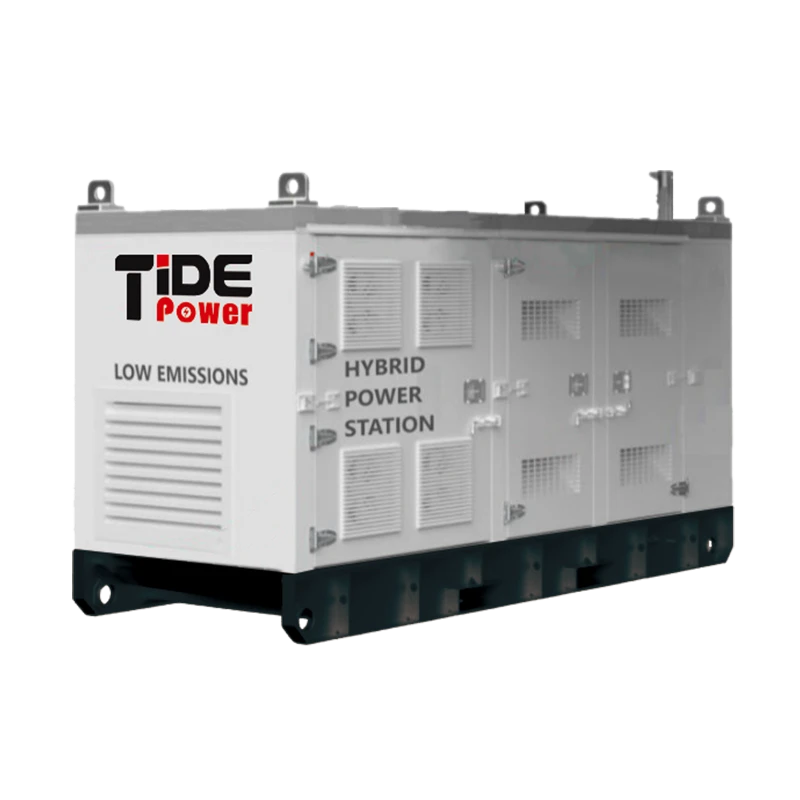
I have seen projects where the battery and diesel generator were each specified correctly, but the transfer logic between them was left undefined until commissioning. The result was avoidable downtime during a routine switch. The all-in-one hybrid power format, such as Tide Power’s TP-10P, can reduce that risk by packaging solar, storage, and diesel controls into one interface.
Site Conditions for Energy Storage Component Selection
The same energy storage system components will not perform the same way in a climate controlled data center and an unshaded container in a coastal area. Heat is the main lifetime variable. High ambient temperatures reduce cycle life even when the BMS prevents immediate thermal runaway. Dust, humidity, and salt air degrade connections, cooling systems, and enclosure seals.
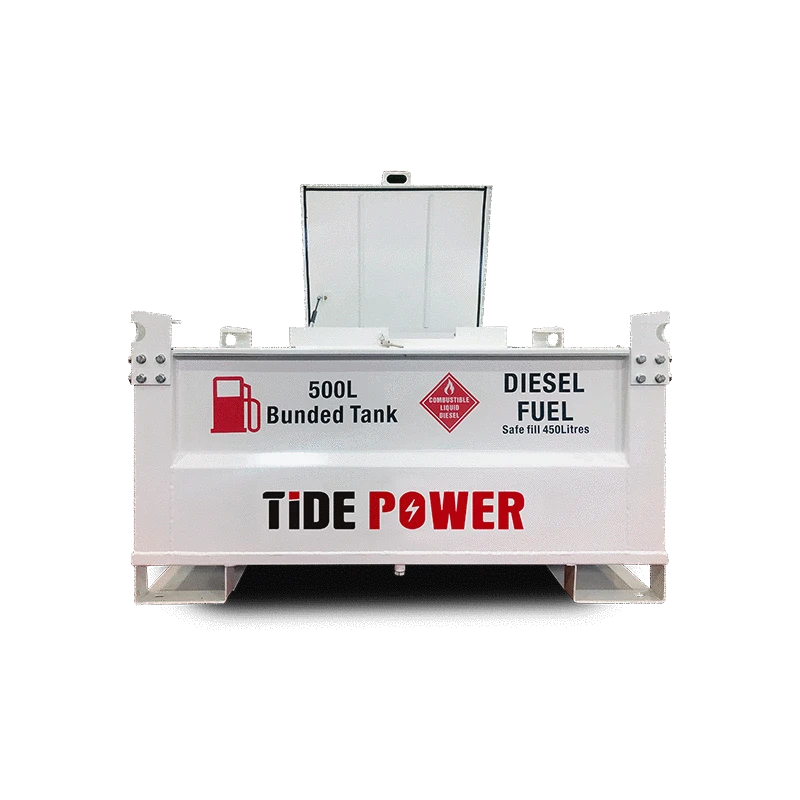
For hybrid off-grid sites, the storage system sits alongside diesel generation and an independent fuel tank as part of the same microgrid. That wider balance of plant matters because the battery is not the only item exposed to heat and salt air.
Telecom and Off-Grid Sites Have Stricter Cycling Requirements
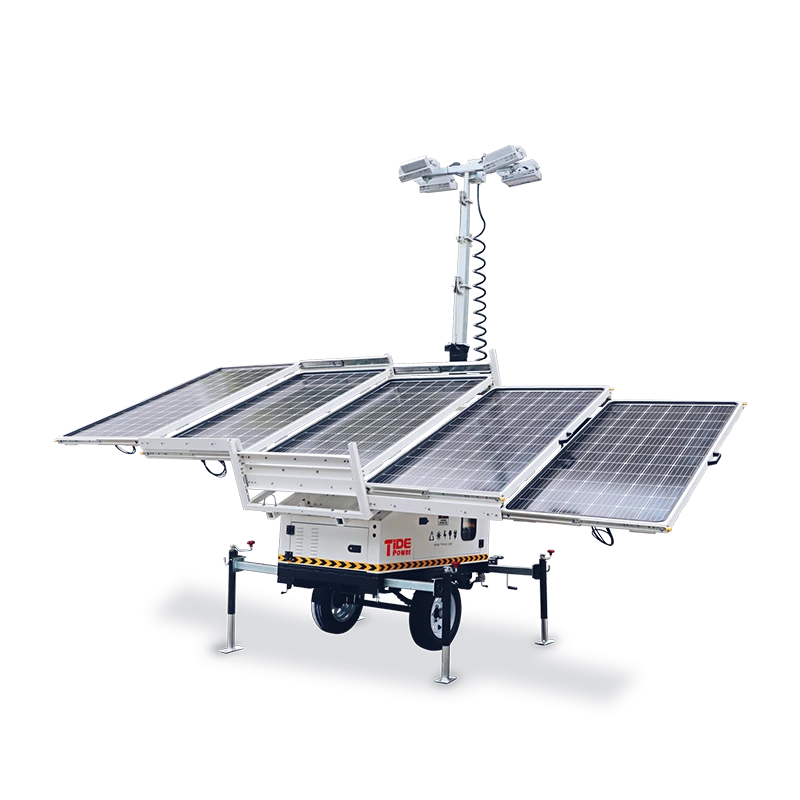
Telecom and off-grid sites usually run unattended for long periods. They often cycle the battery daily and rely on a small local team for maintenance. That combination places more stress on thermal management and state of charge accuracy than a standby system in a staffed facility. Smaller off-grid products such as a torre de iluminación solar use the same basic LFP storage logic in a more compact form. The cycling discipline remains the same.
If your program operates in a high heat, coastal, or unattended environment, confirm the thermal derating assumptions and the BMS balancing interval before finalizing the BOM. Send your site conditions and load profile to [email protected] and we will check the component fit against those conditions.
Sourcing Energy Storage System Components Without Specification Gaps
At component level, procurement usually exposes three recurring gaps: cycle life terms that are not tied to a defined depth of discharge, voltage windows that do not match the inverter, and missing thermal derating data. These gaps rarely appear on the first page of a quote. They appear during integration, after the order is placed.
cURL Too many subrequests by single Worker invocation. To configure this limit, refer to https://developers.cloudflare.com/workers/wrangler/configuration/#limits.
cURL Too many subrequests by single Worker invocation. To configure this limit, refer to https://developers.cloudflare.com/workers/wrangler/configuration/#limits
cURL Too many subrequests by single Worker invocation. To configure this limit, refer to https://developers.cloudflare.com/workers/wrangler/configuration/#limits
cURL Too many subrequests by single Worker invocation. To configure this limit, refer to https://developers.cloudflare.com/workers/wrangler/configuration/#limits.
cURL Too many subrequests by single Worker invocation. To configure this limit, refer to https://developers.cloudflare.com/workers/wrangler/configuration/#limits
cURL Too many subrequests by single Worker invocation. To configure this limit, refer to https://developers.cloudflare.com/workers/wrangler/configuration/#limits garantía cURL Too many subrequests by single Worker invocation. To configure this limit, refer to https://developers.cloudflare.com/workers/wrangler/configuration/#limits.
cURL Too many subrequests by single Worker invocation. To configure this limit, refer to https://developers.cloudflare.com/workers/wrangler/configuration/#limits
cURL Too many subrequests by single Worker invocation. To configure this limit, refer to https://developers.cloudflare.com/workers/wrangler/configuration/#limits.
cURL Too many subrequests by single Worker invocation. To configure this limit, refer to https://developers.cloudflare.com/workers/wrangler/configuration/#limits
cURL Too many subrequests by single Worker invocation. To configure this limit, refer to https://developers.cloudflare.com/workers/wrangler/configuration/#limits.
Si estás interesado, consulta estos artículos relacionados:
Mantenimiento de generadores para condiciones secas y polvorientas: Garantizando la fiabilidad a través de los cambios estacionales
¡Feliz Navidad! Tide Power tiene una nueva solución de energía a gas en camino
