 ES
ES EN
EN ZH
ZH FR
FR AR
ARLa fabricación farmacéutica exige energía ininterrumpida, donde una sola caída de voltaje puede arruinar un lote completo y provocar incumplimiento normativo. Pero seleccionar el grupo electrógeno adecuado va mucho más allá de igualar los kW nominales con la carga conectada. Requiere una visión holística—integrando el potencial de cogeneración, las normativas de emisiones y la arquitectura de servicios públicos de la instalación. Tener apoyoestrategias energéticas en múltiples continentes, he visto que los sistemas de energía farmacéuticos más exitosos comienzan no con un producto, sino con un diseño a nivel de sistemas que garantiza la protección futura de las operaciones. Esta guía desglosa lo que los gestores de instalaciones y los ingenieros de compras deben considerar al elegir un grupo electrógeno para una planta farmacéutica, desde la selección del combustible hasta la integración a largo plazo.
Qué define un grupo electrógeno confiable para uso farmacéutico
Las instalaciones farmacéuticas imponen demandas excepcionales a los equipos de energía de reserva y de potencia principal. Un generador que funciona para un edificio comercial puede ser completamente inadecuado en un entorno regulado por GMP. Primero, el conjunto debe ofrecer estabilidad de voltaje y frecuencia bajo cargas que cambian rápidamente, porque incluso breves excursiones pueden activar alarmas en los sistemas de salas limpias o detener las líneas de llenado. Segundo, debe cumplir con el objetivo de disponibilidad de la planta—generalmente 99.9% o superior—con múltiples opciones de redundancia y registros comprobados de tiempo medio entre fallos.
La red de suministro de combustible importa tanto como el propio generador. Las plantas farmacéuticas a menudo requieren capacidad de doble combustible o acuerdos garantizados de presión de gas, porque una interrupción en la red de gas natural puede ser tan dañina como un corte eléctrico. Recuerdo un proyecto en el que una instalación en el sudeste asiático optó por una conexión de gas de alimentación única, solo para sufrir un apagón de 12 horas cuando el mantenimiento en la parte superior cortó la presión sin advertencia. La lección fue clara: la fiabilidad se trata de toda la cadena energética, no solo de la placa de identificación del generador.
Gas natural vs. biogás: qué combustible se adapta a su instalación
Pocas decisiones influyen tanto en el coste de por vida y en el perfil ambiental como la elección del combustible. El gas natural ofrece amplia disponibilidad, precios predecibles y tecnología de motor establecida. Para muchas plantas farmacéuticas conectadas a una red municipal, es la opción predeterminada. Sin embargo, el biogás—ya sea obtenido de digestión anaeróbica en las instalaciones o de recuperación en vertederos cercanos—puede transformar un centro de costes en un activo de sostenibilidad.
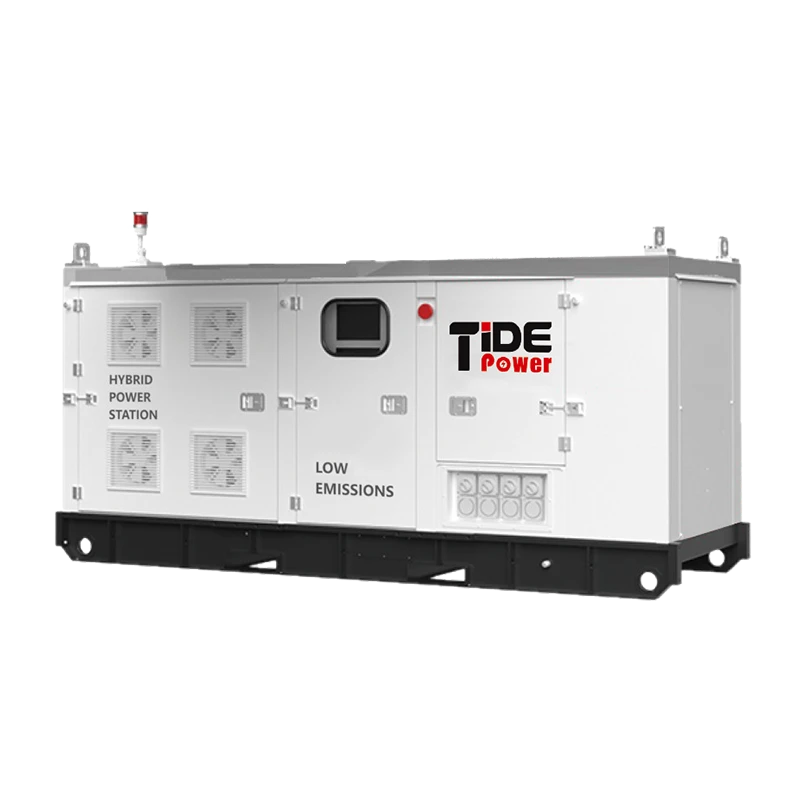
La verdadera pregunta no es qué combustible es “mejor”, sino cuál se alinea con la estrategia operativa a largo plazo de su planta. El gas natural destaca por su conveniencia, mientras que el biogás puede asegurar costos de combustible más bajos y reducir las emisiones del Alcance 1, una prioridad creciente para las empresas farmacéuticas con compromisos ESG públicos. La tabla a continuación resume las diferencias prácticas que importan para las operaciones diarias.
| Combustible | Suministro típico | Ventaja principal | Consideración clave |
|---|---|---|---|
| Gas natural | Red de tuberías de servicios públicos | Amplia disponibilidad, soporte de motores maduro | Sujeto a interrupciones en el suministro de la red |
| Biogás | Generación en sitio / recuperación cercana | Bajo carbono neto, posible cobertura de costos de combustible | Requiere tratamiento de gas y ajuste del motor |
Dimensionamiento y configuración: cómo hacer coincidir el generador con la carga y más allá
Dimensionar un grupo electrógeno de gas para una planta farmacéutica va mucho más allá de sumar los kW del equipo conectado. El perfil de carga rara vez es plano. Autoclaves, liofilizadores y compresores HVAC generan demandas grandes e intermitentes, y un generador demasiado pequeño se disparará por sobrecarga; uno que sea demasiado grande puede funcionar con baja eficiencia durante la mayor parte de sus horas de operación, aumentando el consumo de combustible y el riesgo de acumulación de humedad en el escape.
La elección de la configuración es igualmente crítica. Una unidad grande puede parecer más sencilla, pero un enfoque modular—dos o tres unidades más pequeñas operando en paralelo—puede ofrecer mejor eficiencia en cargas parciales y redundancia N+1. Por ejemplo, una carga total de 2 MW podría ser atendida por tres unidades de 1 MW, permitiendo que cualquiera de ellas se desconecte para mantenimiento sin perder capacidad. Este enfoque también se alinea con la preferencia del sector farmacéutico por un mantenimiento planificado y con menor riesgo.
Igualmente subestimado está el potencial de cogeneración. Las plantas farmacéuticas consumen mucho vapor para la esterilización y el control de humedad en HVAC. Un generador de gas equipado con un sistema de recuperación de calor puede alcanzar una eficiencia total superior al 80%, en comparación con alrededor del 40% para una unidad solo de generación eléctrica. Durante un ciclo de vida de 15 años, el crédito de vapor suele cubrir el coste adicional de capital, reduciendo el gasto energético total de la instalación.
Cumplimiento de Normativas de Emisiones y Regulaciones
La presión regulatoria sobre las emisiones de los generadores se intensifica globalmente. La normativa RICE NESHAP de la Agencia de Protección Ambiental, la Directiva de Plantas de Combustión Mediana de la UE y marcos similares en Asia establecen límites vinculantes para NOx, CO y compuestos orgánicos volátiles. Elegir un generador que apenas cumpla con los permisos locales actuales expone al operador a costosas modificaciones cuando las normativas se vuelvan más estrictas.
El cumplimiento también se extiende al ámbito GMP. Durante una inspección regulatoria, debe demostrar que su sistema de respaldo de energía puede mantener parámetros críticos—temperatura, humedad y presión—sin desviaciones. Esto significa que la respuesta a cargas escalonadas del generador, la calidad del combustible y la trayectoria de escape deben estar documentadas y ser verificables. Un generador que no cuente con datos de emisiones certificados por fábrica o sin un registro de prueba de puesta en marcha puede generar una observación importante.
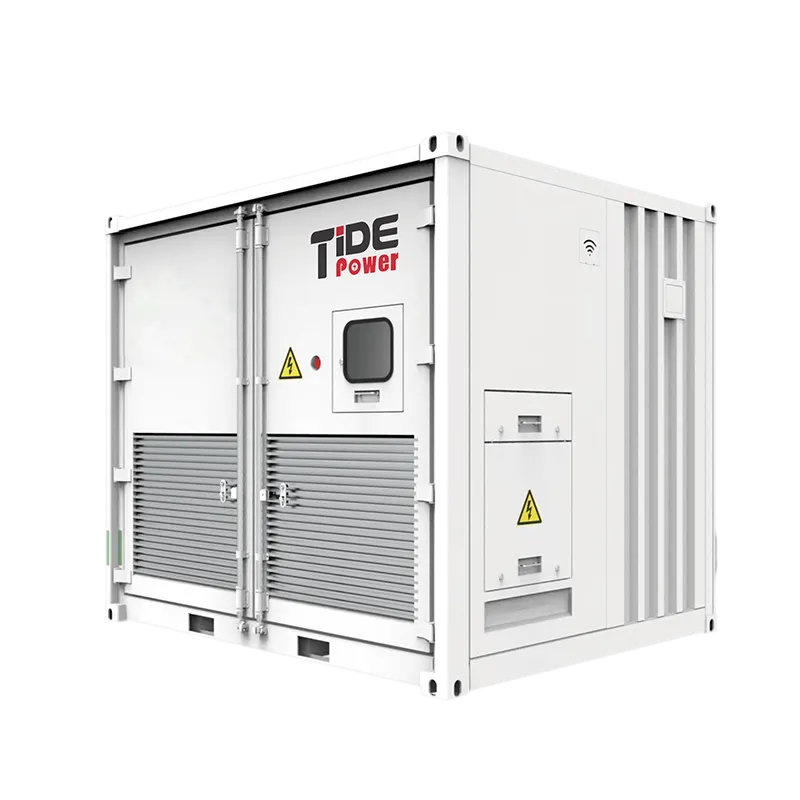
Los grupos electrógenos de Tide Power con generadores MWM, por ejemplo, están diseñados con combustión de baja emisión y tratamiento SCR opcional que puede lograr niveles de NOx por debajo de 100 mg/Nm³, cumpliendo incluso con los límites regionales más estrictos sin comprometer la eficiencia eléctrica. Mientras tanto, las unidades basadas en Lister Petter ofrecen un tamaño compacto y un mantenimiento más sencillo para instalaciones más pequeñas, haciendo que el cumplimiento sea alcanzable sin sobreingeniería.
Si su instalación opera bajo límites estrictos de emisiones de NOx o formaldehído, seleccionar la tecnología de combustión correcta es fundamental—comparta las condiciones de su permiso ambiental local con nuestros ingenieros en [email protected] para confirmar la configuración adecuada del motor antes de finalizar su especificación.
Integración con los Sistemas de Utilidad Farmacéutica Existentes
Un grupo electrógeno no debe tratarse como un dispositivo eléctrico aislado. Debe integrarse de manera eficiente con los sistemas de utilidad existentes: el cuadro de distribución eléctrica, el sistema de gestión del edificio y, sobre todo, los circuitos de vapor y agua fría. En muchas plantas farmacéuticas, la red de vapor opera a múltiples presiones, y la integración de una caldera de recuperación de calor requiere un estudio hidráulico cuidadoso para evitar problemas de contrapresión o retorno de condensados.
El esfuerzo de integración a menudo revela ahorros ocultos. Un proyecto que apoyamos en África del Norte inicialmente especificó un generador de gas de 4 MW solo para energía de reserva. Una revisión conjunta del balance de vapor del sitio mostró que, dimensionando para una carga base eléctrica continua de 1.5 MW con recuperación de calor, la planta podía reemplazar una caldera de gas envejecida y reducir el consumo de gas natural en un 12%, todo manteniendo el mismo nivel de protección de reserva. Tales resultados son comunes, pero solo surgen cuando el generador se diseña como parte de la estrategia de utilidad, no como un añadido posterior.
Selección de un Proveedor y Garantía de Soporte a Largo Plazo
La decisión final no se basa en la oferta más baja, sino en una asociación que abarque la adquisición del equipo, la puesta en marcha y más de 20 años de operación. En el sector farmacéutico, la fiabilidad del proveedor es primordial, porque una pieza de repuesto retrasada o un técnico local sin formación pueden extender el tiempo de inactividad más allá de lo que cualquier registro de lote puede tolerar.
Evalúe a los proveedores en tres dimensiones. Primero, experiencia específica en farmacéutica: ¿han puesto en marcha generadores en entornos regulados por GMP, y pueden proporcionar referencias? Segundo, profundidad en ingeniería: ¿tienen capacidad interna para modelar el flujo de carga, realizar análisis armónicos y diseñar una interfaz CHP? Tercero, logística global: ¿pueden entregar piezas y servicios a su sitio en 24-48 horas, sin importar la ubicación?
Tide Power Technology opera una red global de distribuidors y centros de servicio, construida a lo largo de dos décadas de proyectos de infraestructura energética. Como socio OEM autorizado para MWM, ofrecemos acceso directo a soporte de ingeniería de nivel de fábrica, desde estudios de viabilidad iniciales hasta puesta en marcha y contratos de mantenimiento durante el ciclo de vida. Nuestro equipo ha gestionado despliegues de generadores de gas en más de 80 países, asegurando que cada instalación cumpla tanto con los códigos locales como con los estándares internacionales de energía para farmacéuticas.
La energía ininterrumpida no es solo una conveniencia en el sector farmacéutico—es un imperativo regulatorio y financiero. Tide Power Technology ha apoyado proyectos de energía farmacéutica en Asia, África y más allá, integrando grupos electrógenos de gas MWM y Lister Petter con CHP y sistemas de respaldo para garantizar la integridad de los lotes. Para discutir el perfil de carga y los objetivos energéticos específicos de su instalación, contacte con nuestro equipo en [email protected] o llame al +86 591 2806 8999. Le ayudaremos a diseñar una solución de energía compatible y eficiente.
Preguntas que hacen los ingenieros de plantas farmacéuticas sobre los grupos electrógenos de gas
¿Puedo operar un generador de gas con biogás proveniente de nuestra planta de tratamiento de aguas residuales?
Sí, pero el combustible debe ser tratado para eliminar humedad, siloxanos y sulfuro de hidrógeno antes de que llegue al motor. La mayoría de los generadores de gas modernos, incluidos los unidades MWM y Lister Petter de Tide Power, pueden configurarse para operación con biogás, pero la especificación requiere seleccionar componentes resistentes a la corrosión y un depurador de gas de combustible. La disponibilidad física del biogás también importa: una instalación farmacéutica típica genera biogás limitado a partir de sus propios efluentes, por lo que a menudo es necesario complementarlo con gas natural. La clave es realizar un análisis de gas de combustible desde el principio—esto determina la cadena de tratamiento precisa y la reducción de potencia del motor.
¿Con qué frecuencia debe probarse un generador de gas en una planta farmacéutica?
Como mínimo, un ejercicio mensual sin carga y una prueba anual de carga completa bajo condiciones simuladas de interrupción. En la práctica, las instalaciones que operan en regiones con redes inestables suelen preferir una prueba semanal de carga parcial para mantener el motor en condiciones de estar listo. Las plantas farmacéuticas también enfrentan requisitos específicos de validación: documentar la respuesta de voltaje y frecuencia de cada prueba, y confirmar que los interruptores de transferencia de emergencia funcionan dentro del plazo especificado. He observado que los sitios que consideran las pruebas como una simple formalidad de cumplimiento tienden a descubrir problemas solo durante interrupciones reales, mientras que aquellos que integran las pruebas del generador en su planificación de mantenimiento logran una fiabilidad mucho mayor en el mundo real.
¿Cuál es la mayor diferencia entre generadores de gas y diésel para la industria farmacéutica?
La diferencia más significativa radica en la utilización total de energía. Los generadores diésel son principalmente máquinas solo de potencia; su calor residual es de menor calidad y más difícil de recuperar. Los generadores de gas, especialmente aquellos con colectores de escape enfriados por agua y intercoolers, pueden capturar aproximadamente la mitad de la energía del combustible como calor útil. Para una planta farmacéutica con demanda de vapor durante todo el año, eso transforma el generador de una póliza de seguro de capital en un activo productivo. El diésel ofrece mayor densidad de potencia y almacenamiento de combustible más sencillo, por lo que en climas fríos o donde no existe infraestructura de gas, sigue siendo una opción válida, pero el cambio en la industria hacia una operación consciente de la carbono es inconfundible.
¿Cómo puedo estar seguro de que la instalación de mi generador pasará una auditoría GMP?
La conformidad GMP comienza con una especificación de requisitos del usuario que vincula explícitamente el rendimiento del generador con parámetros críticos del proceso. Necesitas un informe de puesta en marcha rastreable, documentación IQ/OQ y una re-cualificación periódica de la función de respaldo de energía. Los auditores esperarán ver que el generador ha sido probado bajo condiciones de carga máxima y que la instalación cuenta con un SOP para responder a una falla completa de la utilidad. Muchas plantas también integran el estado del generador en su sistema de monitoreo ambiental para que cualquier desviación se capture en tiempo real. Para proyectos farmacéuticos, recomendamos un estudio de viabilidad específico del sitio para alinear las capacidades del generador con tus protocolos de producción—comparte tus requisitos preliminares de energía del proceso con [email protected] y te ofreceremos una solución documentada y lista para auditorías.
Si estás interesado, consulta estos artículos relacionados:
Impulsando la industria y la infraestructura: las soluciones avanzadas de bombas de Tide Power establecen nuevos estándares en eficiencia y fiabilidad
El papel de los conjuntos de generadores de energía de marea en los centros de datos
Reunión Global de Ventas 2024 de Tide Power celebrada con éxito