 EN
EN ZH
ZH FR
FR ES
ES AR
ARKeeping operations running during an unexpected power cut is not optional for most businesses. Diesel generators for emergency power remain the most practical safeguard when the grid fails, giving critical systems the current they need while utility crews work on restoration. This guide covers how to choose, install, and maintain a backup power system that actually performs when called upon. The goal is straightforward: help you avoid the downtime that costs money and damages client relationships.
How Diesel Generators Convert Fuel into Usable Emergency Power
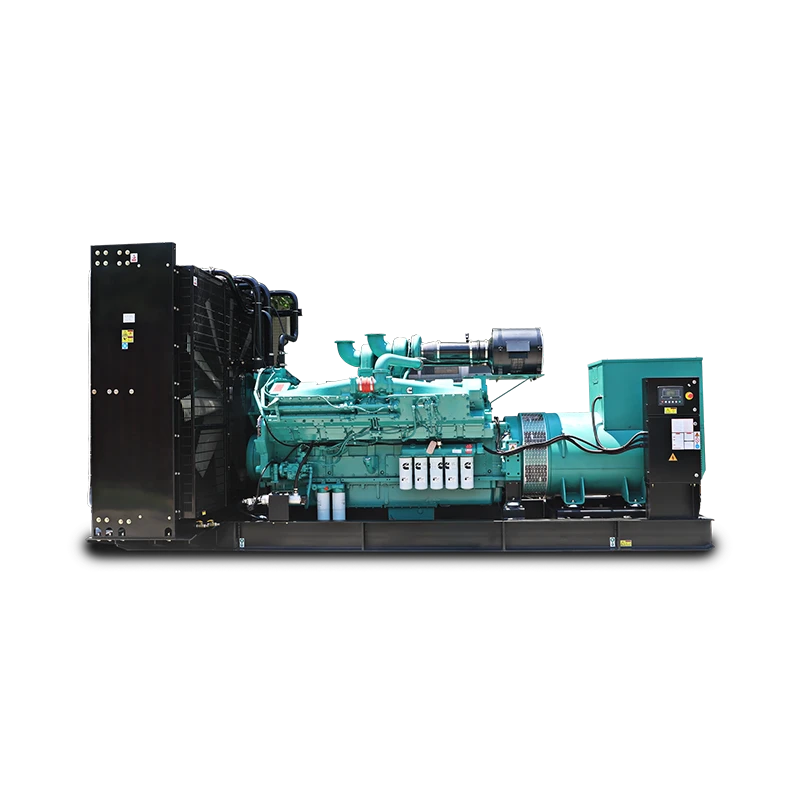
A diesel generator produces electricity through a mechanical sequence that has changed little in principle over the past century. Diesel fuel combusts inside the engine cylinders, driving pistons that rotate a crankshaft. That rotating shaft spins an alternator, which converts mechanical motion into alternating current. The simplicity of this chain is part of what makes diesel units so dependable for standby generator duty.
Diesel engines tolerate heavy loads better than their gasoline counterparts, and the fuel itself carries more energy per litre. These characteristics translate into longer run times and faster response when the transfer switch calls for power. Industrial generators built on this platform routinely handle the inrush currents that motors and compressors demand at startup, a scenario that can trip undersized or slower-responding units. For facilities where a few seconds of blackout can corrupt data or halt a production line, that rapid load acceptance matters.
Sizing a Diesel Generator So It Matches Your Actual Load
Picking the wrong capacity creates problems at both ends of the scale. A unit that is too small will overload and shut down, possibly at the worst moment. A unit that is too large burns more fuel than necessary, accumulates wet stacking from chronic underloading, and ties up capital that could have gone elsewhere. The only reliable way to avoid both traps is a detailed load analysis before any purchase decision.
Start by listing every circuit that must stay live during an outage. Note the running wattage and the starting wattage, since motors can draw several times their rated current for the first few cycles. Add a margin for future expansion, but keep it reasonable. A 20 percent buffer is common practice; a 100 percent buffer is usually a sign that the analysis was incomplete. For commercial generators in urban settings, noise output and local emissions limits will narrow the field further, sometimes ruling out otherwise suitable models.
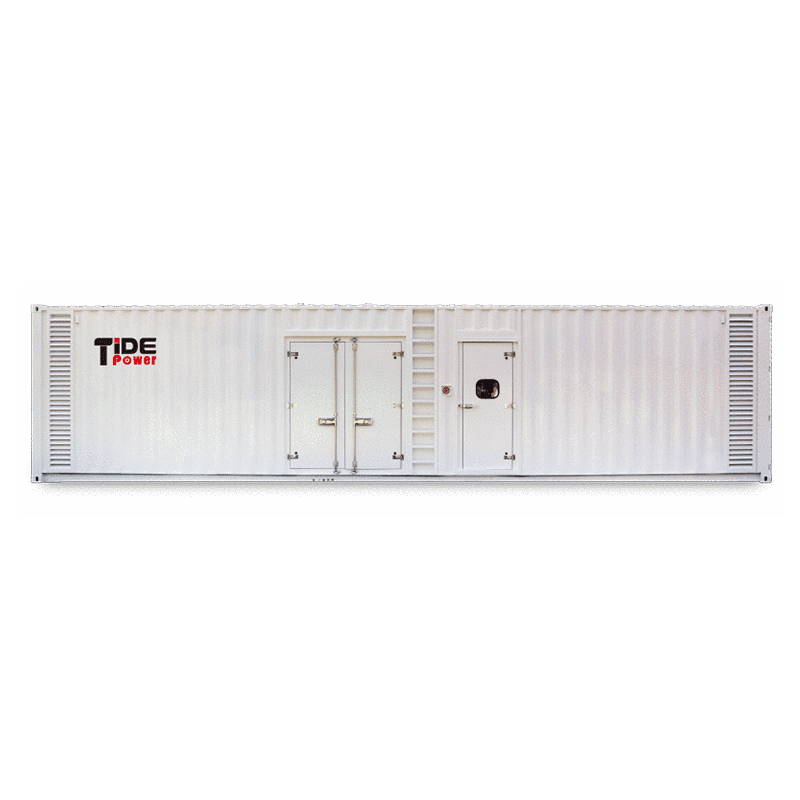
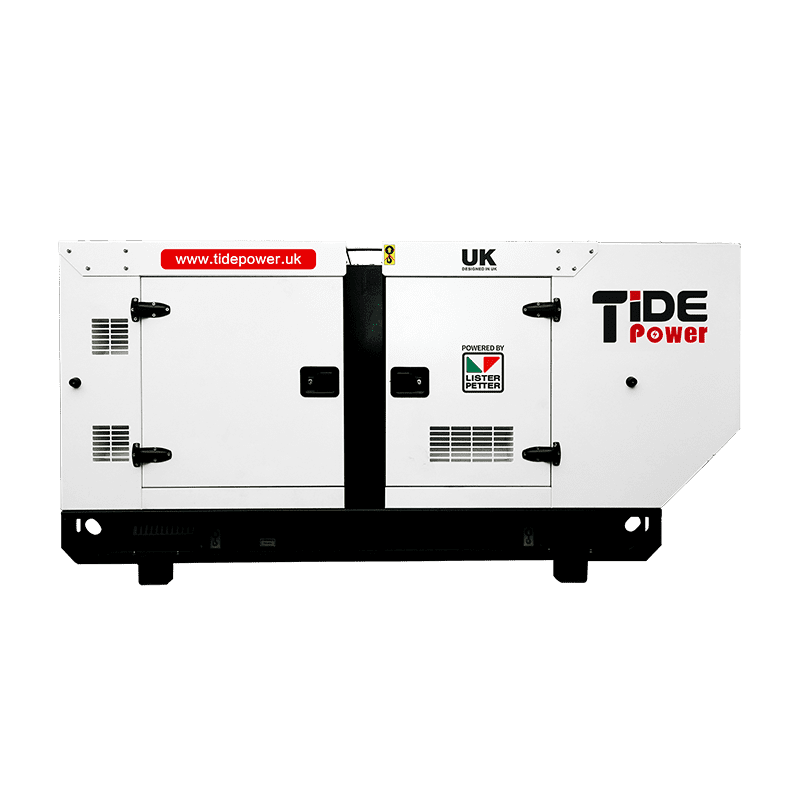
Below is a comparison of three silent diesel generator lines we supply. All three are enclosed units designed for sites where sound levels matter.
| Feature | Fenova Plus Series | Hemera Series | Econic Series |
|---|---|---|---|
| Power Range | 5 kVA to 900 kVA | 5 kVA to 650 kVA | 16 kVA to 1650 kVA |
| Engine Brands | Lister Petter | DCEC, Perkins, SME | Cummins, Perkins, DEUTZ, Baudouin |
| Key Applications | Telecom, agriculture, marine | Hospitals, data centres, commercial | Construction, factories, temporary sites |
| Noise Level | Silent type | Silent type | Silent type |
If your facility has mixed loads or phased expansion plans, it is worth discussing sizing scenarios with an engineer before committing to a specific frame.
Keeping a Diesel Generator Ready Through Scheduled Maintenance
A generator that sits idle for months and then refuses to start is worse than no generator at all. Routine maintenance and disciplined fuel handling are what separate a reliable backup from an expensive paperweight. The schedule does not need to be complicated, but it does need to be followed.
Weekly or monthly test runs under load confirm that the engine starts, the transfer switch operates, and the alternator delivers rated voltage. A 30 minute run is enough to bring the unit up to operating temperature and circulate oil through the bearings. Quarterly inspections should include coolant level and condition, belt tension, battery terminal corrosion, and a visual check of hoses and connections. Annual service typically covers oil and filter changes, injector inspection, and a full load bank test to verify output capacity.
Fuel quality is the other half of the equation. Diesel stored for long periods can develop microbial contamination and sediment that clog filters or damage injectors. Fuel polishing, biocide treatments, and periodic tank draining extend usable fuel life and prevent the kind of failure that only shows up when you need the generator most. A data centre client we worked with had been running annual fuel tests but skipping the polishing step. A revised quarterly schedule caught a failing fuel pump before it caused an outage, avoiding an estimated 12 hours of downtime and the reputational damage that would have followed.
What Determines How Long a Diesel Generator Can Run Without Stopping
Continuous run time depends on three variables: tank capacity, fuel consumption rate, and the load being served. A generator operating at 75 percent of rated output will burn less fuel per hour than one running at full load, so the same tank yields different durations depending on demand. Many industrial units are sized to run 8 to 24 hours on internal fuel at full load. With external day tanks or bulk storage and a refuelling plan, the same generator can operate for days or weeks, limited mainly by maintenance intervals and consumables like oil.
Typical Service Life of a Diesel Generator in Standby Duty
Standby generators accumulate hours slowly compared to prime power units, so calendar age often matters more than the odometer. A well maintained commercial or industrial diesel generator can deliver 15,000 to 30,000 operating hours before major overhaul. In standby service, that translates to 20 to 30 years of useful life. The keys to reaching the upper end of that range are consistent maintenance, prompt attention to minor faults, and avoiding chronic underloading that leads to carbon buildup.
Meeting Emissions Rules and Noise Limits for Diesel Generators
Regulations vary by jurisdiction, but most regions now impose limits on nitrogen oxides, particulate matter, and noise output from stationary diesel engines. Compliance may require selective catalytic reduction, diesel particulate filters, or specific engine tiers depending on the generator’s rated output and location. Permits often hinge on demonstrating that the unit meets these standards, so checking local requirements before purchase avoids costly retrofits later.
Noise is a separate constraint, especially for commercial generators near residential boundaries. Modern silent diesel generator enclosures use layered acoustic insulation and attenuated air intakes to keep sound levels below 75 dB at seven metres, quiet enough for most urban sites. Safety protocols during installation, including proper ventilation, exhaust routing, and clearance from combustibles, protect both personnel and the surrounding property.
Are Modern Diesel Generators Quiet Enough for Urban Sites
Open frame units can exceed 90 dB, loud enough to draw complaints and violate municipal noise ordinances. Enclosed silent diesel generator models bring that figure down to the mid 60s or low 70s at rated load, comparable to normal conversation. Hospitals, hotels, and office buildings routinely install these units without disturbing occupants or neighbours. If noise is a concern, specify an enclosed model and verify the manufacturer’s sound data at the load level you expect to run.
Integrating the Generator into Your Electrical System
The generator itself is only one component of a complete emergency power solution. An automatic transfer switch detects utility failure, sends a start signal to the generator, and shifts the load once the engine reaches stable output. When grid power returns, the switch reverses the process and shuts down the generator. Manual transfer switches exist for smaller or less critical applications, but any facility where unattended operation matters should specify an ATS.
Installation quality determines whether the system performs as designed. Secure mounting, adequate ventilation, properly routed exhaust, and correctly sized fuel lines all fall under the scope of a competent installer. Electrical connections must comply with local codes, and the ATS must be rated for the fault current available at the service entrance. Skipping any of these steps invites problems that surface only during an actual outage, exactly when you cannot afford them.
Remote monitoring adds another layer of reliability. Modern controllers can report fuel level, battery voltage, coolant temperature, and fault codes to a central dashboard or mobile device, giving operators early warning of conditions that might otherwise go unnoticed until the next scheduled inspection.
Secure Your Facility with a Properly Specified Backup Power System
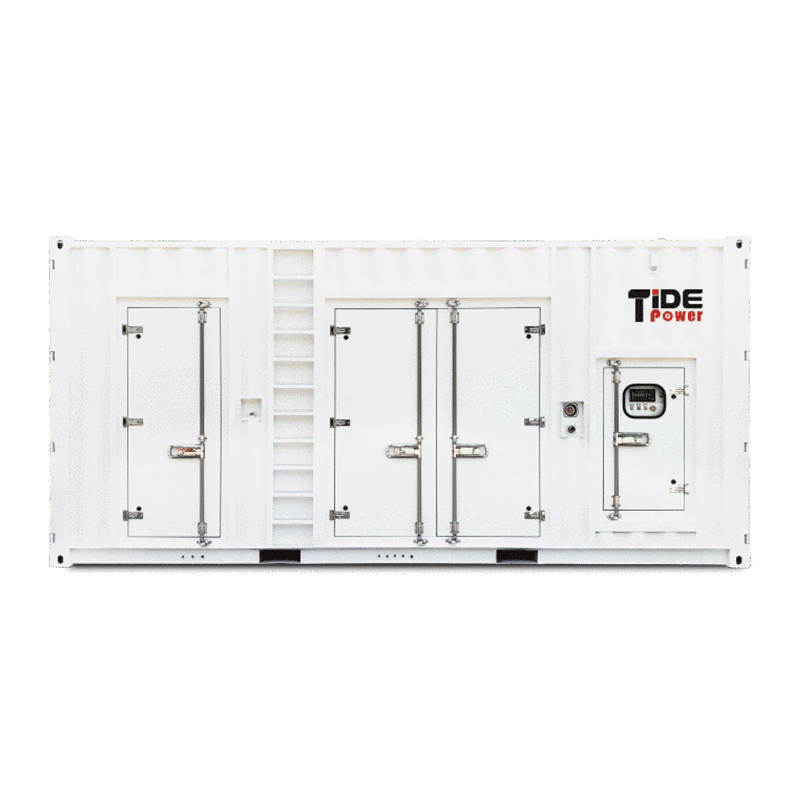
Power outages do not announce themselves in advance, but their consequences are predictable: lost revenue, spoiled inventory, interrupted services, and strained client relationships. A diesel generator sized and maintained for your specific load profile eliminates most of that risk. Tide Power Technology Co., Ltd. provides consultation, equipment, installation, and ongoing support for businesses that cannot afford to wait for the lights to come back on. Reach the team at [email protected] or +86 591 2806 8999 to discuss your requirements.
Frequently Asked Questions
What makes diesel generators a better fit for emergency power than gasoline or natural gas units?
Diesel engines deliver higher torque at lower speeds, which translates into better load acceptance when motors and compressors start. The fuel stores longer without degradation, and energy density per litre exceeds gasoline by a meaningful margin. These characteristics make diesel the default choice for standby applications where reliability and run time matter more than portability.
How often should a standby diesel generator be tested under load?
Monthly testing under at least 30 percent of rated load is the minimum for most standby applications. The run should last long enough to reach full operating temperature, typically 30 minutes. Weekly no load starts are sometimes added for critical facilities, but they do not replace periodic load testing, which is the only way to confirm that the generator can actually carry the circuits it protects.
What costs should I expect beyond the purchase price of a diesel generator?
Fuel, maintenance labour, consumables like oil and filters, and periodic load bank testing make up the bulk of ongoing expenses. Larger units may require emissions compliance upgrades or permit renewals. Budgeting for these items from the start avoids surprises and helps justify the investment to stakeholders who focus on total cost of ownership.
Can I connect a diesel generator directly to my building’s main panel without additional equipment?
No. A transfer switch is required to isolate the generator from the utility grid. Without it, power from the generator can backfeed into distribution lines, creating a lethal hazard for utility workers and potentially damaging equipment when grid power returns. Local codes universally require this protection, and no licensed electrician will complete the installation without it.
What environmental permits or certifications apply to diesel generators?
Requirements depend on engine size, location, and intended use. Many jurisdictions reference EPA or EU emission tiers for stationary engines and impose separate noise limits. Some areas require air quality permits for units above a certain kilowatt threshold. Confirming these requirements before purchase ensures the generator you select can actually be installed and operated at your site. Contact Tide Power if you need help navigating the permitting process for your region.
If you’re interested, check out these related articles:
Tide Power Shines at Expo Eléctrica International 2025 in Mexico City
?Thank You for Joining Us at Electric & Power Indonesia 2024