 EN
EN ZH
ZH FR
FR ES
ES AR
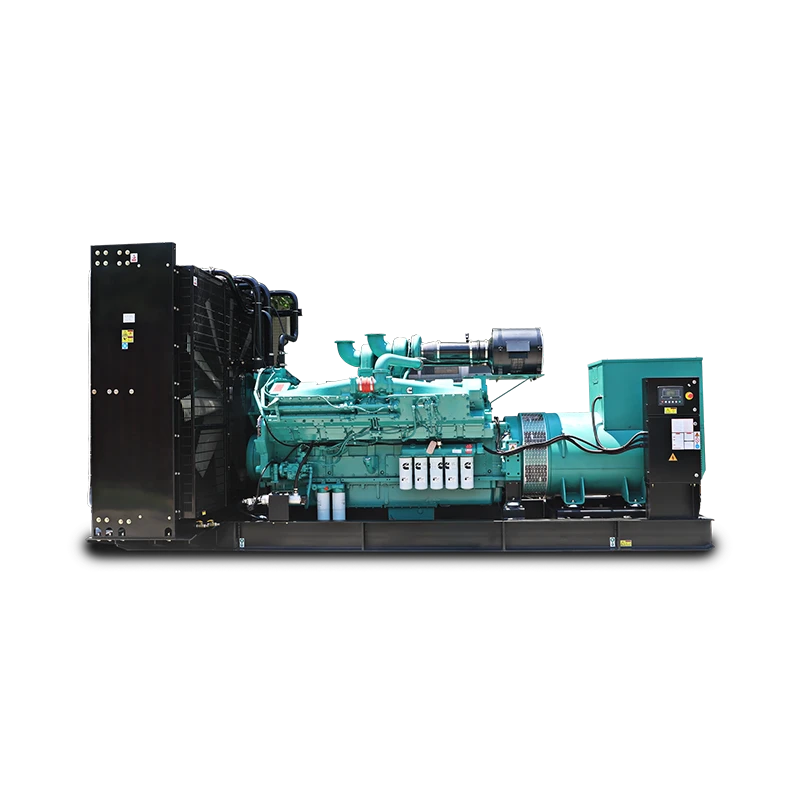
ARData centers run on uninterrupted power. When the grid fails, a 250kW diesel generator keeps servers online, transactions processing, and clients connected. The difference between a five-second outage and a five-hour blackout often comes down to whether the backup system was sized correctly and maintained properly. This article covers what matters when specifying standby power for data center applications: load calculations, transfer switch integration, fuel logistics, and the maintenance routines that keep generators ready when they are needed most.
Why a 250kW Diesel Generator Matters for Data Center Availability
Data centers chase uptime numbers that leave almost no room for error. A facility targeting 99.999% availability can tolerate roughly five minutes of downtime per year. That target is not achievable without backup power that starts reliably and holds voltage within tight tolerances during the transition from utility to generator.
The Tier classification system used to rate data center infrastructure makes this explicit. Tier III and Tier IV facilities require concurrent maintainability and fault tolerance, which in practice means redundant power paths and generators that can carry the full critical load independently. A 250kW diesel generator fits a common load profile for mid-sized data halls or as one unit in a paralleled configuration for larger facilities.
I worked with an e-commerce company in Southeast Asia that was losing transactions during grid fluctuations. Their existing backup was undersized and struggled with the inrush current from cooling compressors. We ran a load study, identified the transient peaks, and specified a 250kW unit with governor response fast enough to hold frequency within 0.5% during step loads. After commissioning, their transaction failure rate dropped to near zero. Within twelve months, their SLA compliance improved by 15 percentage points.
Power interruptions do not announce themselves. The generator either performs when called or it does not. There is no middle ground.
How to Size a Diesel Generator for Data Center Loads
Getting the capacity right requires more than adding up nameplate ratings. The calculation starts with the critical load, which includes IT equipment, cooling systems, fire suppression, security, and emergency lighting. From there, the analysis accounts for transient loads, particularly motor starting currents from CRAC units and chillers that can draw six to eight times their running current for the first few cycles.
A common approach applies a 20% to 30% margin above the calculated peak demand. This margin absorbs load growth, accounts for measurement uncertainty, and prevents the generator from running at sustained high loads that accelerate wear.
Future expansion matters as much as current demand. A data center planning to add racks over the next three years should factor that growth into the initial generator specification. Replacing an undersized unit later costs more than specifying adequate capacity upfront.
| Sizing Factor | What to Measure | How It Affects the 250kW Selection |
|---|---|---|
| Total critical load | Sum of IT, cooling, lighting, and auxiliary systems | Establishes baseline capacity requirement |
| Transient loads | Motor starting currents, UPS recharge rates | Determines governor response and alternator sizing |
| Redundancy configuration | N+1, 2N, or distributed redundancy | Dictates whether single unit or parallel set is appropriate |
| Future growth | Planned rack additions over 3 to 5 years | Influences whether to upsize now or plan for paralleling |
Load bank testing after installation confirms that the generator handles the actual demand profile, not just the calculated one. A four-hour test at 75% to 100% rated load reveals cooling system adequacy, fuel consumption rates, and any voltage regulation issues that did not appear during factory testing.
We develop proposals for energy solutions matched to specific data center requirements. The Hemera Series silent diesel generator sets are designed for environments where noise control and high reliability both matter.
Integrating the Generator into Existing Power Infrastructure
Selecting the right unit is only part of the project. The generator must connect to the facility’s electrical distribution in a way that allows automatic transfer without interrupting critical loads.
The automatic transfer switch monitors utility voltage and frequency. When either falls outside acceptable limits, the ATS signals the generator to start and transfers the load once the generator reaches stable output. The entire sequence, from utility failure to generator carrying the load, typically completes in 10 to 15 seconds for a properly configured system. Facilities with tighter requirements use static transfer switches or rotary UPS systems to bridge the gap.
Physical installation involves more than pouring a concrete pad and running conduit. Exhaust routing must prevent recirculation of hot gases into the combustion air intake. Fuel storage needs to meet local fire codes and provide enough capacity for the required runtime, often 24 to 72 hours depending on the facility’s risk tolerance and refueling logistics. Acoustic enclosures or building placement address noise limits, particularly for urban sites near residential areas.
Larger data centers often parallel multiple generators to achieve the required capacity and redundancy. Paralleling requires matched governors, compatible alternator characteristics, and a master control system that synchronizes units before closing the paralleling breakers. The complexity increases, but so does the flexibility to maintain one unit while others carry the load.
The commissioning sequence follows a predictable path:
- Site assessment covering space, fuel storage, noise, and exhaust routing
- Load analysis confirming power requirements and transient characteristics
- Generator selection based on capacity, response, and efficiency
- Permitting and detailed design for electrical, mechanical, and structural work
- Physical installation of the unit, fuel system, and exhaust
- Electrical integration including ATS and distribution connections
- Commissioning tests including load bank runs and transfer timing verification
- Staff training on operation, emergency procedures, and routine checks
Each step builds on the previous one. Skipping the load analysis leads to equipment that does not match the actual demand. Rushing commissioning leaves problems undiscovered until the first real outage.
Maintenance Practices That Keep Generators Ready
A generator that sits idle for months and then fails to start during an outage provides no value. Preventive maintenance and regular testing are what separate a reliable backup system from an expensive liability.
Weekly checks cover the basics: oil level, coolant level, fuel level, battery voltage, and a visual inspection for leaks or damage. Monthly runs under no-load conditions verify that the engine starts and reaches operating temperature. These short runs also circulate oil through the bearings and prevent fuel system components from gumming up.
Load bank testing on a quarterly or semi-annual schedule applies a real electrical load to the generator. Running at 75% or higher capacity for several hours burns off carbon deposits in the exhaust system, confirms cooling system performance, and validates that the unit can sustain its rated output. Some facilities integrate load bank testing with scheduled maintenance windows to minimize disruption.
Remote monitoring systems track generator status continuously. Sensors report fuel level, battery condition, coolant temperature, oil pressure, and run hours to a central platform. Alerts trigger when any parameter drifts outside normal ranges, allowing maintenance staff to address issues before they cause a failure. Integration with data center infrastructure management platforms provides a unified view of power status alongside IT equipment health.
Fuel quality degrades over time. Diesel stored for more than six months can develop microbial growth and oxidation products that clog filters and injectors. Fuel polishing systems circulate stored diesel through filters and water separators to maintain quality. Regular fuel sampling and testing confirm that the stored fuel will burn cleanly when needed.
| Maintenance Interval | Key Activities | Why It Matters |
|---|---|---|
| Weekly | Visual inspection, fluid levels, battery voltage | Catches obvious problems early |
| Monthly | No-load run for 15 to 30 minutes | Confirms starting reliability, circulates oil |
| Quarterly | Load bank test at 50% to 75% capacity | Validates sustained output capability |
| Annually | Full service including filters, belts, hoses, coolant | Addresses wear items before failure |
| As needed | Fuel polishing and testing | Prevents fuel-related starting failures |
We provide maintenance programs designed to keep standby generators in ready condition. Scheduled service, remote monitoring, and emergency response support reduce the risk that a generator will fail when the facility depends on it.
Frequently Asked Questions
How often should a data center test its diesel generator under load?
Monthly no-load runs confirm starting reliability, but they do not prove the generator can carry its rated capacity. Load bank testing at 75% or higher should happen quarterly at minimum. Facilities with stringent uptime requirements often test monthly. The goal is to identify cooling, fuel, or electrical issues before an actual outage reveals them.
What lifespan can a data center expect from a 250kW diesel generator?
With consistent maintenance and moderate duty cycles, 20 to 30 years is realistic. The engine itself may last longer, but components like radiators, alternator bearings, and control systems typically require overhaul or replacement during that span. Facilities that run generators frequently for peak shaving or demand response will see shorter intervals between major services.
Are there alternatives to diesel for data center backup power?
Natural gas generators eliminate on-site fuel storage but depend on pipeline availability during emergencies. Battery energy storage systems provide instantaneous transfer and work well for short outages, though they cannot sustain loads for extended periods without recharging. Fuel cells offer clean operation but involve higher capital costs and more complex fuel handling. Many facilities combine technologies, using batteries for immediate response and diesel generators for extended runtime. The right mix depends on local fuel availability, emissions regulations, and the facility’s risk profile.
If your data center is evaluating standby power options or reviewing the adequacy of existing backup systems, a load study and equipment assessment can identify gaps before they become outages. Reach out to discuss your specific requirements at [email protected] or +86 591 2806 8999.
If you’re interested, check out these related articles:
Tide Power Featured in China Daily: Leading Innovation in Power Solutions
Tide Power 2024 Global Sales Meeting Successfully Held
Tide Power Invites You to Expo Eléctrica International 2025 – Visit Us at Booth No.1833