 EN
EN ZH
ZH FR
FR ES
ES AR
ARIndustries today need power solutions that hold up under real-world conditions while adapting to shifting demand patterns and evolving grid dynamics. Custom modular energy storage delivers on both counts, giving businesses the flexibility to configure their power infrastructure around actual operational requirements rather than forcing operations to fit a generic system. These configurations address specific load profiles, integration constraints, and long-term capacity planning. We design systems that work with existing infrastructure, not against it.
What Makes Modular Energy Storage Different from Fixed Systems
The move from fixed to flexible energy infrastructure changes how facilities approach power management at a fundamental level. Modular energy storage systems use an architecture built on interchangeable units, meaning capacity scales up or down by adding or removing individual battery modules rather than replacing an entire installation. This system architecture creates flexibility that matters when energy demands shift seasonally, when production schedules change, or when new equipment comes online. Energy independence becomes practical because businesses gain direct control over their power supply instead of depending entirely on grid availability.
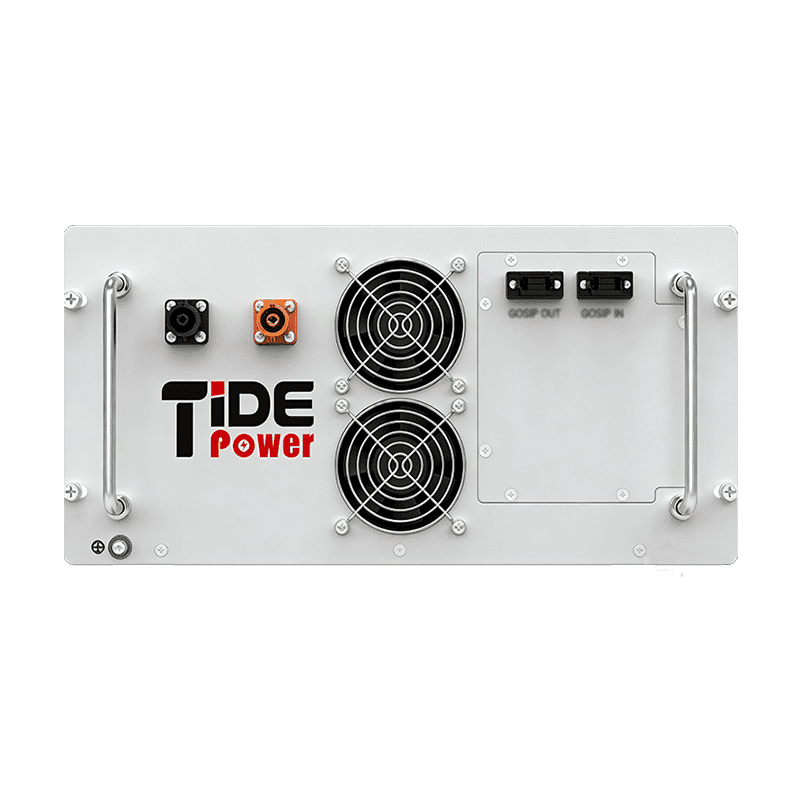
This modular battery design works differently from traditional monolithic storage. Components like battery packs, inverters, and energy management systems are engineered to connect in a plug-and-play configuration. Installation becomes faster, maintenance isolates to individual modules, and future upgrades happen without system-wide disruption. For any organization planning beyond the next three to five years, this architecture removes the risk of being locked into capacity that no longer matches operational reality.
Why Modular ESS Design Handles Evolving Energy Demands Better
Adaptability and scalability address the core challenges modern industries face: fluctuating energy costs, integration of multiple power sources, and the need to protect capital while maintaining operational flexibility. Custom modular energy storage allows businesses to start with capacity that matches current needs and expand incrementally as requirements grow. Power optimization becomes more precise because modules can be configured for specific tasks like peak shaving or load shifting with granularity that monolithic systems cannot match. When integrating renewable sources, this precision ensures stable power output even when solar or wind generation varies.
| Feature | Modular Energy Storage System | Traditional Energy Storage System |
|---|---|---|
| Scalability | Expandable or reducible by adding or removing modules | Fixed capacity, costly and complex to expand |
| Flexibility | Adapts to varied site conditions and power requirements | Less adaptable, often built for specific initial needs |
| Maintenance | Component replacement isolates downtime | System-wide maintenance, higher impact from single failures |
| Cost | Lower initial investment, phased expansion | Higher upfront cost, risk of over-sizing |
| Integration | Works with diverse power sources including renewables | May require significant modifications for new integrations |
A manufacturing plant we advised was paying substantial peak demand charges due to production schedules that concentrated energy use during high-rate periods. We recommended a phased deployment, starting with base capacity designed for load shifting during off-peak hours. Within six months, their monthly electricity bill dropped 22%. The system’s ability to store energy during low-rate periods and discharge during peak demand windows produced that reduction directly. This kind of adaptability means the system continues delivering value as rate structures change or production schedules evolve.
How to Design a Custom Modular Energy Storage System
Developing a purpose-built energy system requires working through specific operational requirements systematically. Custom battery packs form the core, configured to deliver the power and energy density the application actually needs rather than defaulting to standard configurations. The energy management system orchestrates power flow, optimizes charging and discharging cycles, and handles integration with existing infrastructure. For industrial energy storage or commercial energy storage applications, this means maintaining operations during grid instability without manual intervention.
Several factors determine whether a custom modular energy storage design will perform as expected:
- Energy Demand Profile: Historical consumption patterns, peak loads, and required backup duration establish baseline requirements.
- Application Specifics: Peak shaving, load shifting, renewable energy integration, and off-grid power solutions each impose different design constraints.
- Environmental Conditions: Temperature ranges, humidity levels, and space limitations affect enclosure selection and thermal management requirements.
- Safety and Regulatory Compliance: Local and international safety standards and grid codes must be satisfied before deployment.
- Future Expansion Plans: Designing for potential capacity increases maintains scalability without requiring system replacement.
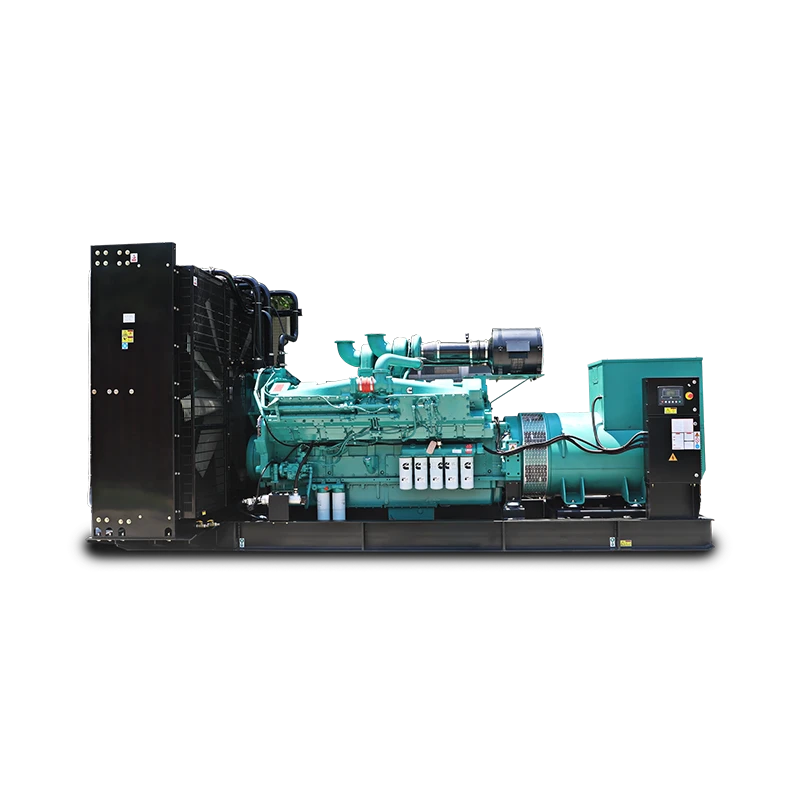
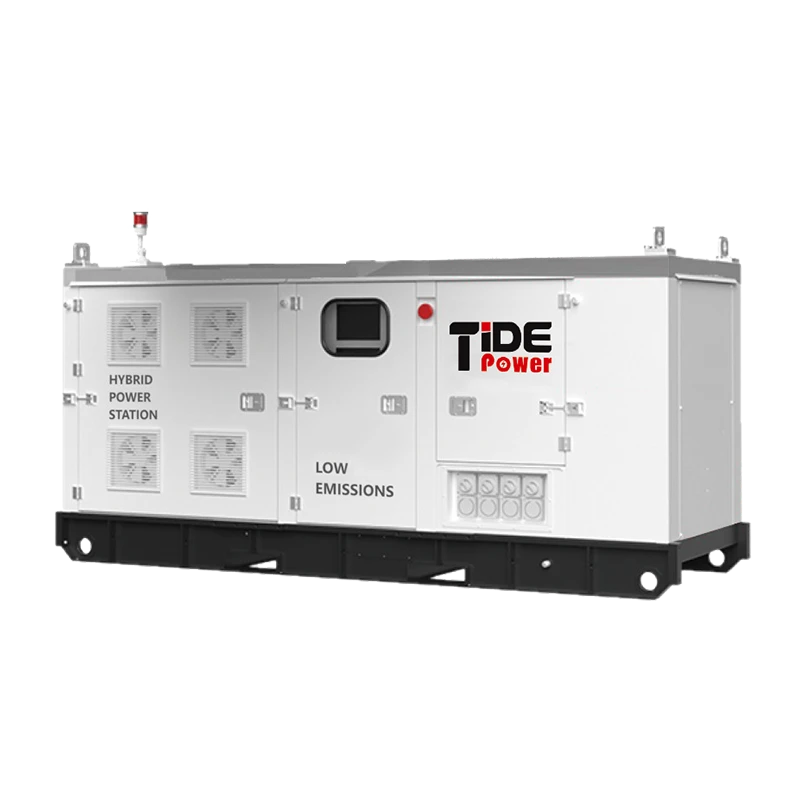
If your facility has complex load profiles or plans to integrate renewable generation, discussing these factors early prevents costly redesign later. Our hybrid energy system integrates solar power, battery energy storage, and diesel generators into a unified microgrid solution with millisecond-level seamless switching and intelligent energy management. Components like our 5.12 kWh LFP Battery Pack and 16.1 kWh LFP Battery Module are engineered for flexible configurations that support critical load applications.
What Financial Returns Can Custom Modular ESS Deliver
The financial case for custom modular energy storage rests on measurable operational improvements. A thorough cost-benefit analysis of ESS solutions typically reveals savings that compound over the system’s operational life. Peak shaving and load shifting reduce demand charges directly, often representing the largest single cost reduction. Demand response programs create additional revenue opportunities when businesses can reduce consumption during grid stress events. The return on investment for modular ESS improves further because phased deployment spreads capital expenditure while generating savings from the initial installation.
Smart grid technology integration amplifies these returns. Intelligent systems predict energy needs based on operational patterns, respond to real-time market signals, and prioritize power sources by cost and availability. This level of control reduces energy waste and maximizes system uptime. In data center applications, custom modular energy storage maintains uninterrupted power that protects data and prevents downtime that can cost thousands per minute. Stable power quality also extends equipment lifespan, reducing replacement cycles for sensitive electronics.
How to Ensure Custom ESS Reliability Over Its Full Lifespan
Reliability and longevity determine whether an energy storage investment delivers its projected returns. Robust design, strict safety protocols for battery storage, and proactive lifecycle management of ESS are baseline requirements, not optional features. We engineer systems for consistent performance under demanding conditions, whether for grid-scale storage or distributed energy resources. This means selecting components with proven track records, implementing thermal management that handles real-world temperature variations, and designing for serviceability so maintenance does not require system-wide shutdowns.
Regulatory compliance for ESS requires navigating local and international standards that vary by jurisdiction and application type. Getting this wrong can delay deployment or create liability exposure. We address compliance from initial design through deployment, ensuring systems are both safe and legally operable. Our commitment includes ongoing monitoring, predictive maintenance, and timely upgrades that keep performance aligned with expectations over the full operational life of the installation.
Frequently Asked Questions
What are the key considerations when customizing a modular energy storage system?
Start with your energy demand profile, including historical consumption patterns and peak loads. Identify whether the primary application is peak shaving, backup power, renewable integration, or some combination. Environmental factors like temperature range and available space affect component selection. Safety and regulatory compliance requirements vary by location and must be addressed early. Finally, plan for future scalability so the initial design accommodates expansion without requiring replacement. Getting these elements right during design prevents costly modifications later.
What are the long-term cost benefits of investing in custom modular ESS solutions?
The primary cost benefits come from reduced electricity bills through peak shaving and load shifting, which can cut demand charges significantly. Demand response program participation creates additional revenue streams. Operational resilience prevents downtime costs that often exceed energy savings in facilities with continuous operations. Equipment lifespan improvements from stable power quality reduce replacement cycles. These benefits compound over the system’s operational life, typically producing strong returns within the first several years.
How does a modular energy storage system improve grid stability and reliability?
Modular energy storage responds to supply and demand fluctuations faster than traditional grid infrastructure can. These systems inject or absorb power rapidly, balancing loads and preventing the cascading failures that cause outages. By integrating renewable energy and providing localized backup capacity, they reduce stress on centralized grid infrastructure while maintaining power quality at the point of use. For facilities in areas with aging grid infrastructure or frequent weather-related disruptions, this local resilience often matters more than grid-level benefits. To discuss how these capabilities apply to your specific situation, contact us at [email protected] or +86 591 2806 8999.
If you’re interested, check out these related articles:
Boosting Agricultural Efficiency with Tide Power Dewatering Pump
How to Choose a Generator at Tide Power
Powering the construction industry with Tide Power