 EN
EN ZH
ZH FR
FR ES
ES AR
ARChoosing a mini excavator involves more than evaluating performance specifications. Understanding its warranty is equally important. A comprehensive mini excavator warranty protects your investment against unexpected repairs, minimizes downtime, and controls long-term ownership costs. Making an informed choice requires a clear grasp of what is covered, the terms involved, and how to maintain validity. The right warranty can be as valuable as the machine itself.
What Does a Standard Mini Excavator Warranty Actually Cover
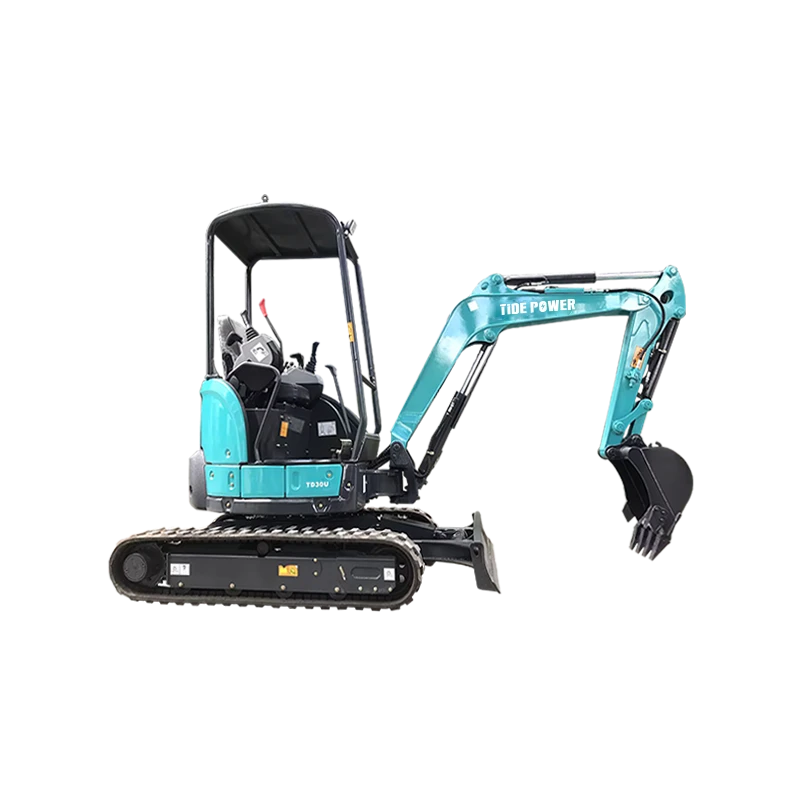
Standard mini excavator warranty coverage protects against manufacturing defects in materials and workmanship. This typically includes major components like the engine, powertrain, and hydraulic system. A robust warranty ensures that significant repair costs due to component failure are not borne by the owner during the initial operational period.
Many manufacturer warranties offer a base period for the entire machine, often one to three years or a specific number of operating hours. Within this, you might find a separate powertrain warranty that extends longer, covering the engine, transmission, and drive components. Hydraulic system warranty addresses issues with pumps, motors, and cylinders, which are critical for an excavator’s function. Electrical components warranty covers the machine’s wiring, sensors, and control units.
Understanding what does mini excavator warranty cover in detail helps set expectations and allows for better comparison between brands. Review the parts and labor warranty specifics carefully, as some plans might cover parts but not the associated labor costs.
| Warranty Aspect | Typical Coverage | Key Considerations |
|---|---|---|
| Full Machine | Manufacturing defects, parts, labor | Duration (years/hours), exclusions |
| Powertrain | Engine, transmission, drive system | Often longer than full machine |
| Hydraulic System | Pumps, motors, cylinders, hoses | Critical for operation, check specifics |
| Electrical | Wiring, sensors, control units | Complex, prone to environmental issues |
| Wear Items | Not typically covered | Filters, belts, tires are consumables |
How Manufacturer Warranty Terms Differ Across Brands
Evaluating different manufacturers’ offerings requires a structured approach to identify key differentiators beyond just the warranty period. Manufacturer warranty details vary significantly, impacting your heavy equipment warranty terms. Some brands offer more extensive dealer network support, which can be critical for prompt service and warranty claim processing in remote areas. Others might provide more flexible after-sales support mini excavator options, including on-site repairs or loaner equipment.
A thorough warranty period comparison should consider both the duration and the specific components covered. One manufacturer might offer a three-year full machine warranty, while another provides two years full and an additional three years on the powertrain. These details directly influence the long-term cost of ownership.
When comparing, ask about the availability of authorized service centers and their average response times. This support infrastructure is as important as the warranty itself. A warranty that looks comprehensive on paper loses value if the nearest authorized service center is 200 kilometers away and parts take three weeks to arrive.
For new mini excavators, manufacturer warranties are typically comprehensive, covering most components for a specified period and hours. For used mini excavators, manufacturer warranties are often limited or non-existent unless the machine is certified pre-owned by the dealer. In such cases, the warranty is usually shorter, covers fewer components, and might have a deductible. Always verify warranty transferability if purchasing a used machine from a private seller.
When Extended Warranty Plans Make Financial Sense
Deciding on extended service contracts for a mini excavator involves weighing the cost against potential long-term benefits. An extended warranty can provide continued protection beyond standard manufacturer coverage, mitigating unexpected repair expenses as the machine ages. The cost of extended warranty plans varies based on coverage duration, machine type, and the components included.
Many operators find value in these plans, especially for equipment used in demanding applications where wear and tear are significant. When considering extended options, investigate the specifics of what is covered. Some plans might extend the full machine warranty, while others focus solely on major components like the engine or hydraulics. Understand any mileage or hour limits, as well as deductibles per claim.
Rental fleet warranty considerations are particularly relevant here, as high utilization rates can quickly exhaust standard warranties. Assess your projected usage and the machine’s expected lifespan against the cost of the extended plan. This helps determine how to choose the best excavator warranty for operational needs.
Transferability of the extended warranty can also be a valuable feature if you plan to resell the machine before the coverage expires. A transferable extended warranty adds resale value and can differentiate your machine in a competitive used equipment market.
Extended warranties for mini excavators can be worth the extra cost, especially for high-utilization machines or those operating in harsh conditions. They offer financial protection against costly repairs as the equipment ages, reducing the risk of unexpected excavator maintenance costs. Evaluate the cost of the extended warranty against your expected repair frequency and the machine’s reliability history to ensure it provides genuine value.
Why Downtime Costs Often Exceed Repair Bills
Equipment downtime directly impacts operational efficiency and profitability, making mini excavator reliability a critical factor. When a mini excavator breaks down, it can halt projects, delay schedules, and incur significant financial losses beyond just the repair cost. This downtime impact warranty underscores the importance of a clear and efficient warranty claim procedure. A well-structured warranty helps mitigate these risks by covering repair costs, but it cannot fully compensate for lost productivity.
Excavator maintenance costs can escalate rapidly if a machine is out of commission for an extended period awaiting parts or service. This is where the value of a strong warranty, coupled with responsive after-sales support, becomes evident.
Consider a project where a critical mini excavator experiences a hydraulic pump failure. The warranty covers the part and labor, but a two-week wait for the specialized component leads to significant project delays and penalty fees for the contractor. This scenario highlights how crucial it is to consider not just what the warranty covers, but also the efficiency of the support system behind it.
Reliable energy infrastructure can also play an indirect but vital role. Consistent power ensures diagnostic tools operate without interruption and authorized service centers can function optimally, reducing repair times and minimizing operational downtime. Professional energy solution approaches, such as those provided by Tide Power Technology, support this operational continuity.
How to Keep Your Mini Excavator Warranty Valid
Maintaining your mini excavator correctly is paramount to ensuring warranty validity and avoiding warranty exclusions mini excavator. Manufacturers provide specific guidelines for preventative maintenance schedule items, including oil changes, filter replacements, and routine inspections. Deviating from these recommendations or failing to keep meticulous records can lead to a denied warranty claim.
Using OEM parts warranty components is also often a requirement. Aftermarket parts, while sometimes cheaper, can void coverage if they contribute to a failure. Authorized service centers are typically the preferred, and sometimes required, providers for warranty-related repairs. Their technicians are trained on specific equipment and use approved diagnostic tools and genuine parts.
The warranty registration process must be completed accurately and promptly after purchase to activate coverage. Incomplete registration can delay critical repairs and create warranty dispute resolution complications. Administrative diligence at the point of purchase prevents headaches later.
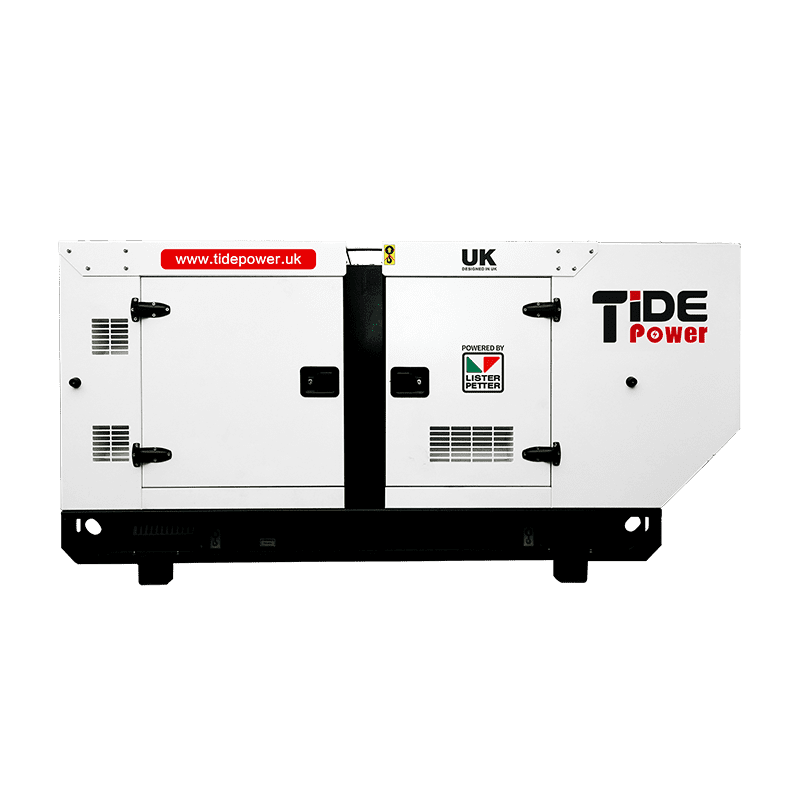
Consistent power for authorized service centers, supported by solutions like the Econic Series Silent Diesel Generator Set from Tide Power, ensures that diagnostic equipment and repair operations run smoothly, facilitating timely and compliant service.
A mini excavator warranty can typically be voided by unauthorized modifications, using non-OEM parts for repairs, neglecting the preventative maintenance schedule, or operating the machine outside its specified parameters. Lack of proper service records, abuse, or accidental damage are also common reasons for warranty exclusions mini excavator. Adhere strictly to the manufacturer’s guidelines.
Powering Your Operations with Confidence
If your operations depend on consistent equipment uptime, it is worth discussing how reliable power infrastructure supports both maintenance compliance and reduced downtime. Tide Power Technology provides professional energy solution approaches, empowering your operations with consistent power for optimal maintenance and reduced downtime.
To discuss requirements, contact Tide Power at [email protected] or +86 591 2806 8999.
Frequently Asked Questions
How long do mini excavator warranties typically last?
Mini excavator warranties typically last for one to three years or a specified number of operating hours, whichever comes first. Powertrain warranties might extend longer. Review the warranty period comparison for specific models and manufacturers to understand the duration of coverage.
Can I perform my own maintenance without voiding the warranty?
Performing your own routine maintenance is generally acceptable, provided you follow manufacturer guidelines, use approved OEM parts warranty, and keep meticulous records of all service. Complex repairs should be handled by authorized service centers to prevent warranty exclusions mini excavator.
What should I do if my warranty claim is denied?
If a warranty claim is denied, first request a detailed explanation for the denial. Review your heavy equipment warranty terms and maintenance records to ensure compliance. You can then appeal the decision, often escalating through the dealer and manufacturer, or seek mediation for warranty dispute resolution. A clear paper trail of maintenance records strengthens your position in any appeal.
If you’re interested, check out these related articles:
Light Up the Future with Tide Power Lighting Towers
2024 Tide Power Latin America Distributor Training Conference was successfully held