 EN
EN ZH
ZH FR
FR ES
ES AR
ARModern homes depend on a consistent power supply for refrigeration, heating, communication, and medical devices. When the electrical grid fails, a home standby generator delivers the power outage protection that keeps your household safe and comfortable. I have observed firsthand the significant difference a reliable backup power source makes during prolonged blackouts, and investing in one of these systems offers genuine peace of mind.
What Actually Happens When Your Home Loses Power
The stability of our electrical grid faces increasing challenges from severe weather events and aging infrastructure. A power outage, whether brief or extended, creates consequences that go well beyond sitting in the dark.
Heating and air conditioning systems stop working, which can make homes dangerous during temperature extremes. Refrigerators and freezers shut down, leading to hundreds of dollars in spoiled food within 24 to 48 hours. Security systems may go offline, sump pumps stop protecting basements from flooding, and communication gets cut off. For households with medical equipment requiring continuous power, an outage poses a direct health risk.
I have personally observed how unprepared homes struggle during prolonged blackouts. Families end up seeking temporary shelter or discarding groceries they cannot afford to replace. Storm preparedness and blackout prevention are not about convenience; they are about maintaining safety and functionality when the primary power source fails.
How a Home Standby Generator Provides Automatic Protection
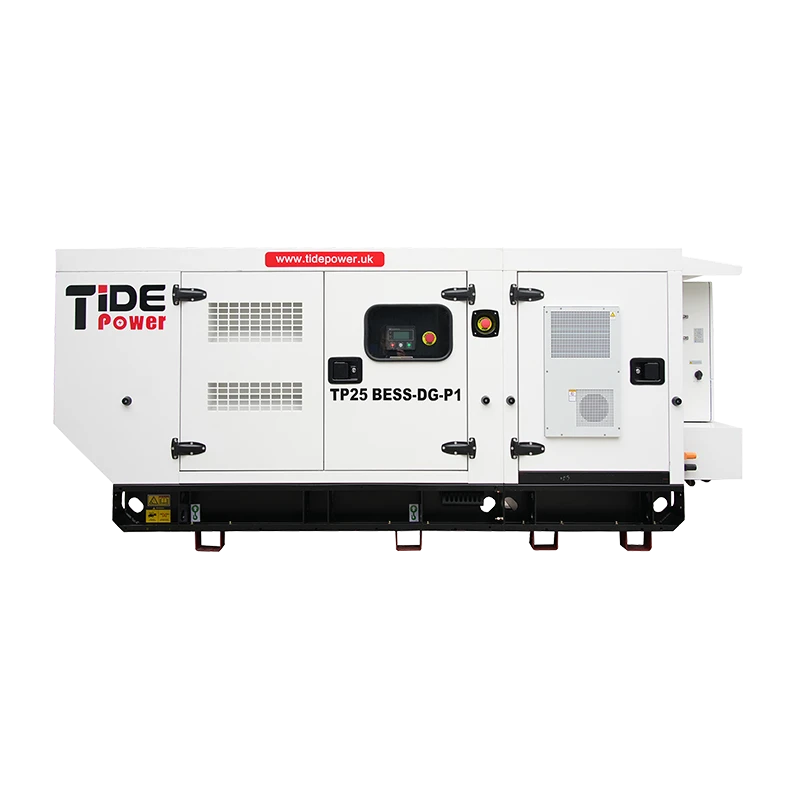
A home standby generator is a permanent installation that provides automatic backup power during an outage. Unlike portable generators, these systems connect directly to your home’s electrical panel through an automatic transfer switch.
The process works like this: the transfer switch constantly monitors incoming utility power. When it detects an interruption, it signals the generator to start. Once the generator reaches operating speed (typically within 10 to 30 seconds), the transfer switch safely disconnects your home from the utility lines and connects it to the generator. Your home backup power activates without anyone lifting a finger.
When utility power returns, the system reverses the process automatically. It reconnects your home to the grid and allows the generator to cool down before shutting off. This automatic startup ensures an uninterrupted power supply, which matters most when outages happen at night or while you are away.
Tide Power Technology offers generator systems with automatic transfer switches designed for this kind of seamless power delivery.
What Makes a Home Standby Generator Different from a Portable Unit
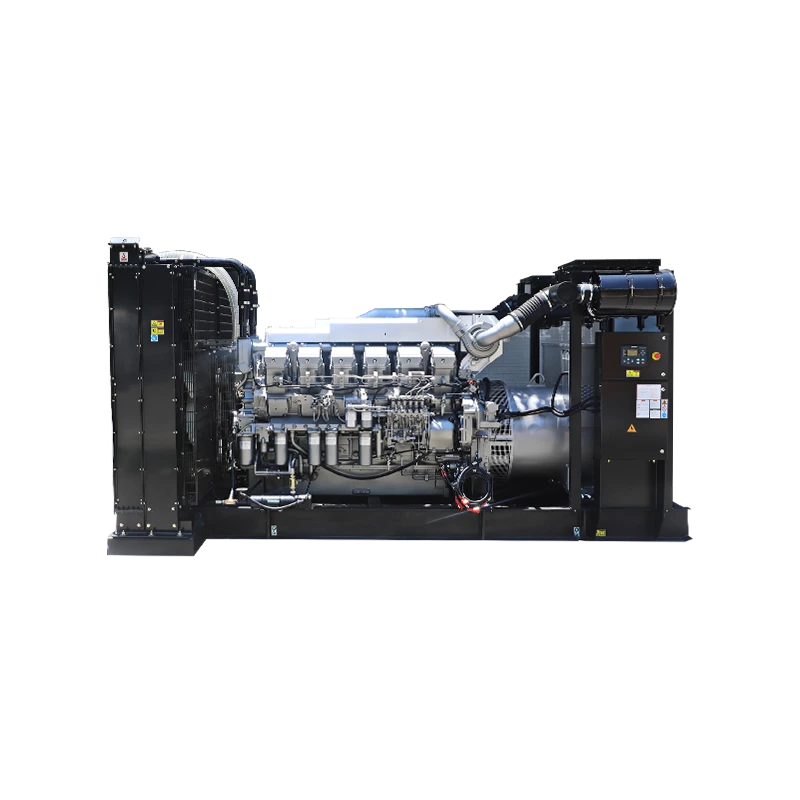
The primary difference lies in operation and capacity. A standby generator is permanently installed outside your home, automatically turns on when power fails, and can supply electricity to your entire house. A portable generator requires manual setup each time you need it, must be refueled by hand, and connects to individual appliances through extension cords.
Standby units offer greater convenience, higher power output, and enhanced safety features. Portable generators work for camping or powering a few items during short outages, but they cannot match the protection a permanently installed system provides during extended grid failures.
Why Investing in a Home Standby Generator Pays Off
A home standby generator delivers benefits that extend beyond keeping lights on. It provides a power reliability solution that protects critical systems and contributes to energy independence from an unpredictable grid.
| Benefit | What It Means for Your Household |
|---|---|
| Continuous appliance operation | Refrigerators, freezers, and HVAC systems keep running, preventing food spoilage and maintaining comfortable temperatures |
| Medical equipment protection | Oxygen concentrators, CPAP machines, and other devices stay powered without interruption |
| Security system continuity | Alarms, cameras, and electronic locks remain active during outages |
| Property damage prevention | Sump pumps continue operating, protecting basements from flooding |
| Home value increase | Permanently installed generators add measurable resale value to residential properties |
| Remote monitoring capability | Smart home generator integration allows you to check system status from anywhere |
The return on investment is not purely financial. It includes the peace of mind that comes from knowing your family and property are protected when the grid goes down.
How Long Can a Home Standby Generator Run Continuously
Runtime depends on fuel source and supply. Natural gas generators can run indefinitely as long as the gas line remains pressurized. Propane generators are limited by tank capacity, but a 500-gallon tank can provide several days of continuous operation under typical residential loads.
Most quality units are designed for extended use during prolonged outages. I have seen systems run for over a week straight during major storm events without issue, provided they receive proper maintenance beforehand.
Choosing the Right Generator Size and Fuel Type for Your Home
Selecting the right system requires evaluating your actual power needs. Start by identifying which circuits and appliances you need to keep running during an outage.
For essential circuit coverage only (refrigerator, some lights, a few outlets), a smaller unit in the 10 to 14 kilowatt range may suffice. For whole house power that includes air conditioning, electric water heaters, and well pumps, you will likely need 20 kilowatts or more. I recall a project where a homeowner initially underestimated their requirements, focusing only on critical appliances. After we identified additional loads like their well pump and water heater, we recommended a slightly larger unit. That decision kept their entire home functional during a week-long outage.
Fuel source is the next consideration. Natural gas power offers continuous operation if you have a reliable gas line, with no storage tanks to refill. A propane fuel source provides flexibility for homes without natural gas access, though it requires a storage tank and periodic refilling.
Professional installation is not optional. A qualified installer ensures safety, compliance with local electrical codes, and proper placement for noise management and fuel line proximity. Installation permits vary by jurisdiction, and your installer should handle the permitting process.
If your situation involves specific load calculations or fuel source questions, it is worth discussing these parameters with a generator specialist before committing to a system size.
What Installation Involves and What to Expect
Installation typically takes one to two days for a straightforward residential setup. The process includes pouring a concrete pad or installing a composite base, positioning the generator unit, running fuel lines, installing the automatic transfer switch at your electrical panel, and connecting everything according to code.
Your installer will also program the transfer switch to prioritize circuits if you have chosen a partial-house system rather than whole-house coverage. After installation, the system runs a self-test cycle (usually weekly) to ensure it remains ready for an actual outage.
Frequently Asked Questions
What is the difference between a standby and a portable generator?
A standby generator is a fixed installation that automatically activates when power fails, providing continuous electricity to pre-selected circuits or the entire home. A portable generator is a movable unit requiring manual starting, refueling, and connection via extension cords to individual appliances. Standby units offer greater convenience, higher capacity, and enhanced safety, while portable generators cost less upfront and work for powering a few critical items during short outages.
How long can a home standby generator run continuously?
Natural gas generators can run indefinitely as long as the gas supply remains uninterrupted. Propane generators are limited by tank size, but larger tanks (250 to 500 gallons or more) can provide several days of continuous operation under normal residential loads. Most units are engineered for extended use during prolonged outages.
How much does a home standby generator cost to install?
Total installed cost varies based on generator size, fuel type, and local labor rates. A typical residential system ranges from $5,000 to $15,000 for the unit and installation combined, with larger whole-house systems at the higher end. Natural gas installations may cost less if a gas line already runs near the installation site. Propane systems require a storage tank, which adds to the initial investment. To discuss requirements for your specific situation, contact Tide Power Technology for a consultation.
If you’re interested, check out these related articles:
Energizing Remote Operations: Hybrid Power Solutions for Off-Grid Success
Tide Power Shines at Middle East Energy 2025 with Premium Energy Solutions
Animal Breeding Project in Vietnam
Tide Power: Built to Power – Built to Last