 EN
EN ZH
ZH FR
FR ES
ES AR
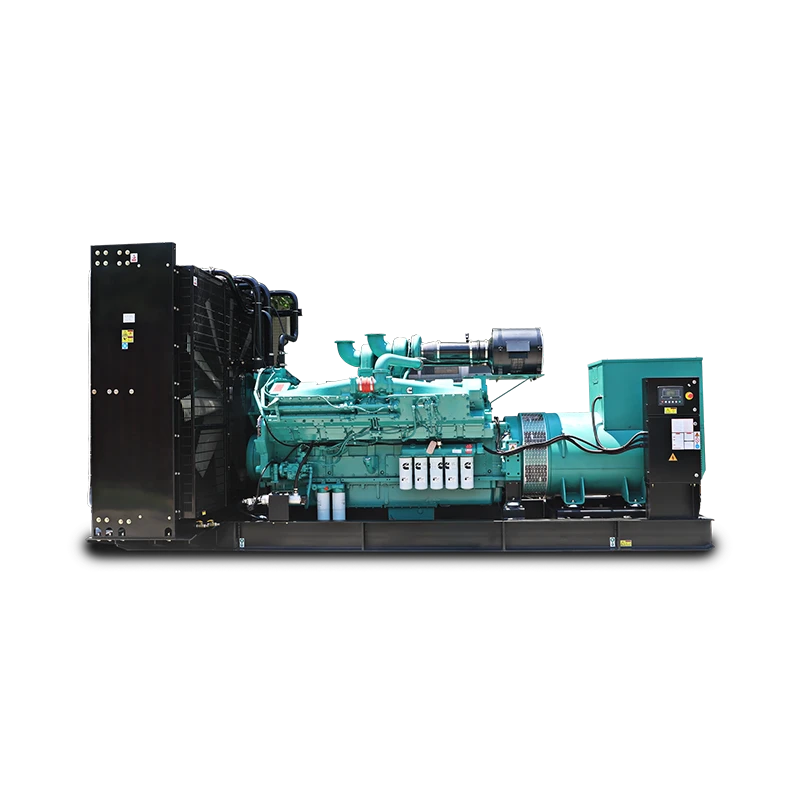
ARIndustries across the globe depend on reliable power to maintain operations, protect critical data, and ensure public safety. Diesel generators remain a foundational technology for continuous and backup power in diverse environments. From urban data centers to remote mining sites, these systems deliver energy independence and operational stability that supports essential services and economic activity worldwide.
Why Healthcare and Data Centers Treat Diesel Generators as Non-Negotiable
Uninterrupted power is not optional when lives depend on ventilators or when a millisecond of downtime corrupts terabytes of financial records. Healthcare facilities position diesel generators as standby power sources that keep operating rooms, diagnostic imaging, and patient monitoring systems active during grid failures. The activation window matters here: most hospital protocols require generator engagement within ten seconds of utility loss, which rules out slower-responding alternatives.
Data centers face a parallel constraint. Tier III and Tier IV facilities contractually guarantee uptime figures that leave almost no room for power interruption. A single outage event can trigger service-level penalties, customer churn, and reputational damage that far exceeds the cost of robust backup infrastructure. Tide Power designs backup power solutions for these sensitive environments, engineering systems for rapid activation and sustained performance that meet stringent uptime requirements.
Critical Infrastructure Uptime Requirements
| Sector | Typical Uptime Requirement | Impact of Downtime |
|---|---|---|
| Healthcare (Hospitals) | 99.999% (Tier IV) | Life-threatening, data loss |
| Data Centers (Tier III) | 99.982% | Financial loss, service disruption |
| Data Centers (Tier IV) | 99.995% | Significant financial loss, data loss |
| Telecommunications | 99.99% | Communication breakdown |
| Emergency Services | 99.999% | Public safety compromised |
How Mining, Oil and Gas, and Construction Sites Stay Powered Off-Grid
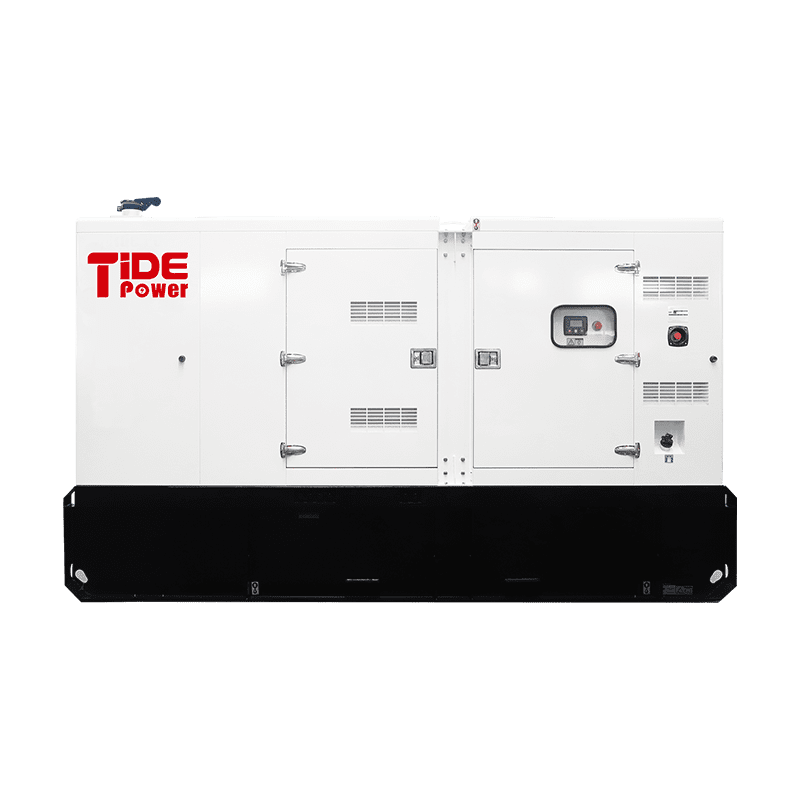
Grid access is a luxury that remote operations cannot assume. A copper mine in the Atacama or an offshore drilling platform in the North Sea operates hundreds of kilometers from the nearest substation, and production schedules do not pause while someone strings transmission lines. Diesel generators fill this gap by providing self-contained power for heavy machinery, ventilation systems, drilling rigs, pumping stations, and accommodation facilities.
Construction sites present a different version of the same problem. Urban infill projects may sit within sight of functioning grid infrastructure, yet connecting to that grid for a twelve-month build cycle is often impractical or prohibited. Portable diesel generators power tools, tower cranes, lighting, and temporary offices without requiring permanent utility agreements.
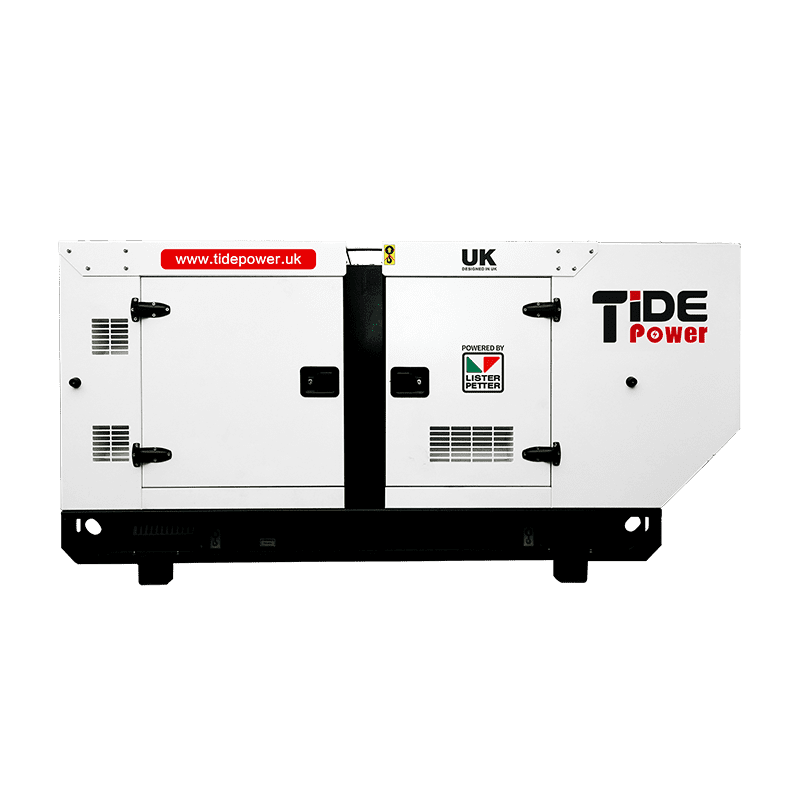
Tide Power builds generators for these conditions. The Econic Series, for example, pairs a super-large fuel tank with a durable steel enclosure, extending runtime between refueling and surviving the dust, vibration, and temperature swings that destroy less robust equipment. Off-grid reliability is not a feature in these applications; it is the entire point.
Where Commercial and Agricultural Operations Face the Highest Power Risk
A grocery chain loses more than revenue when the freezers go dark. Spoiled inventory, food safety liability, and customer trust all erode in the hours following an outage. Hospitality properties face similar exposure: a hotel without functioning elevators, HVAC, or point-of-sale terminals cannot operate, and guests do not wait for the utility crew to arrive.
Agricultural operations add biological urgency. Climate-controlled poultry houses require continuous ventilation; a four-hour outage in summer can kill an entire flock. Dairy farms depend on refrigerated bulk tanks and automated milking systems that cannot skip a cycle. Irrigation pumps tied to crop schedules must run regardless of what happens upstream on the grid.
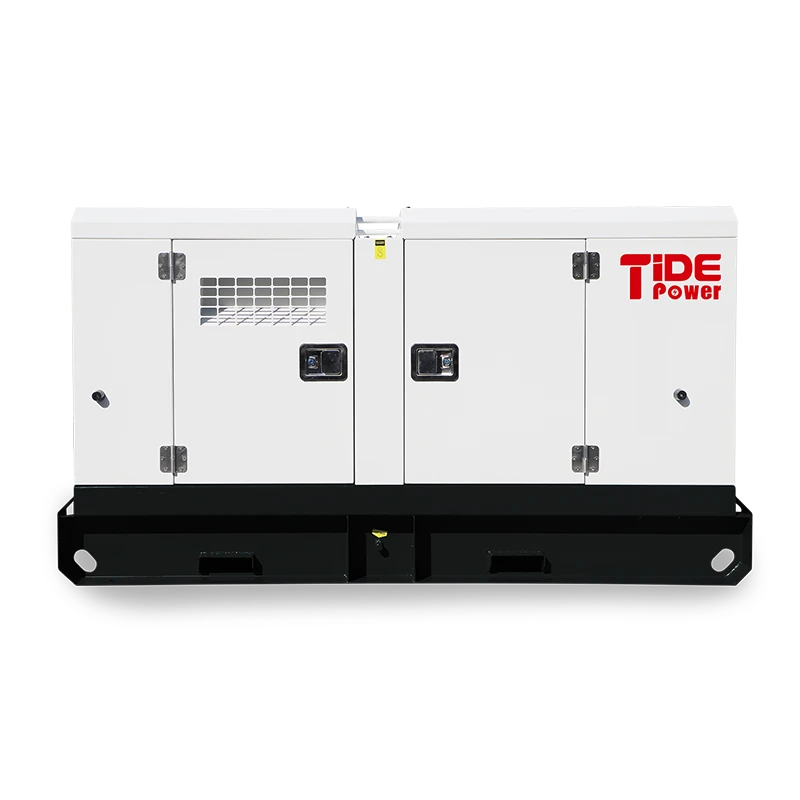
Tide Power’s energy solutions address these scenarios by ensuring uninterrupted operations and productivity. The Panda Series, with its compact footprint and high efficiency, fits urban buildings and commercial complexes where space is limited but standby power is mandatory.
What Separates Standby Power from Prime Power Applications
The distinction matters for sizing, maintenance scheduling, and total cost of ownership. Standby generators sit idle most of the year, activating only during grid failures or planned utility maintenance. They carry variable loads, often spiking at startup as motors and compressors engage simultaneously. Prime power generators, by contrast, run continuously as the primary electricity source, typically in locations where grid connection is either unavailable or prohibitively expensive.
A regional data center project I worked on illustrates the standby case. The client required 99.999% uptime, which translated to a maximum of five minutes of downtime per year. We implemented a synchronized dual-generator configuration with automatic transfer switches that engaged within milliseconds of detecting a grid anomaly. During a subsequent unplanned utility outage, the system transitioned seamlessly, maintaining continuous operation and preventing any data loss. That outcome validated the design and confirmed why standby power engineering cannot be treated as an afterthought.
Standby vs. Prime Power Applications
| Feature | Standby Power | Prime Power |
|---|---|---|
| Purpose | Emergency backup | Primary power source |
| Usage | Intermittent, short-term | Continuous, long-term |
| Load Type | Variable, often high peak | Consistent, stable |
| Grid Connection | Connected to grid | Often off-grid |
| Run Time | Limited hours per year | Unlimited hours per year |
| Typical Use Cases | Hospitals, data centers | Remote sites, construction |
Which Industries Depend Most on Diesel Generators
Industries where power loss creates immediate safety hazards or irreversible financial damage rely most heavily on diesel generators. Healthcare facilities and data centers fall into this category because their operations cannot tolerate even brief interruptions. Remote industrial operations, including mining, oil and gas extraction, and large-scale construction, depend on diesel generators because grid infrastructure simply does not reach their sites. Telecommunications providers also maintain extensive generator fleets to keep cell towers and switching centers operational during regional outages.
How Diesel Generators Activate During Grid Failures
The activation sequence begins with an automatic transfer switch monitoring utility voltage and frequency. When parameters fall outside acceptable thresholds, the ATS signals the generator to start. Modern diesel generators reach rated speed and voltage within seconds, at which point the ATS transfers the load from the failed utility feed to the generator output. The entire process, from grid failure detection to full load transfer, typically completes in under ten seconds for properly maintained systems. This speed is why diesel generators remain the default choice for critical backup applications despite the emergence of battery and fuel cell alternatives.
How to Balance Diesel Generator Efficiency Against Emission Requirements
Fuel cost and environmental compliance pull in the same direction more often than operators expect. A generator burning less diesel per kilowatt-hour produces fewer emissions and lower operating expenses simultaneously. Modern engines achieve this through higher compression ratios, optimized injection timing, and turbocharging strategies that extract more work from each liter of fuel.
Exhaust after-treatment adds another layer. Selective catalytic reduction systems and diesel particulate filters reduce nitrogen oxide and particulate emissions to levels that meet increasingly strict regional standards. These systems require their own maintenance, including periodic filter cleaning and urea solution replenishment, but they allow diesel generators to operate in jurisdictions that would otherwise prohibit them.
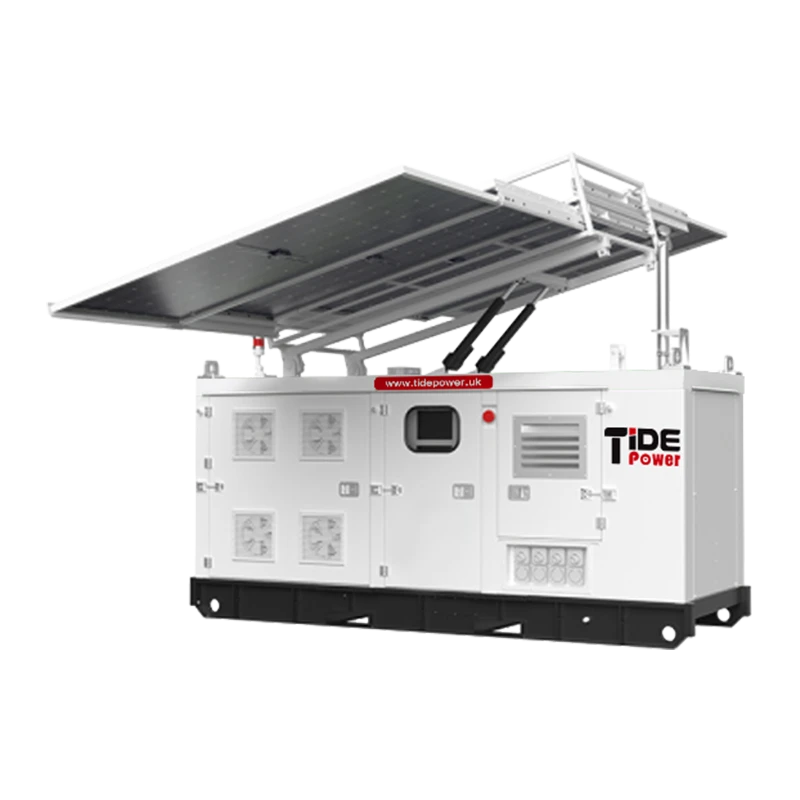
Hybrid configurations push efficiency further. Tide Power’s Hybrid Power System combines solar panels, battery storage, and diesel generators in a coordinated architecture. The diesel engine runs only when renewable generation and stored energy cannot meet demand, which can cut fuel consumption by 50% or more in favorable conditions. If your facility faces both fuel cost pressure and tightening emission limits, a hybrid assessment is worth scheduling before your next equipment replacement cycle.
Typical Industrial Generator Maintenance Schedule
| Interval | Maintenance Task |
|---|---|
| Daily | Visual inspection, fluid levels |
| Weekly | Test run, battery check |
| Monthly | Fuel system inspection, coolant check |
| Quarterly | Load bank test, air filter inspection |
| Annually | Oil change, filter replacement |
| Every 2-3 Years | Major service, component overhaul |
What Environmental Factors Should Industrial Operators Consider
Industrial diesel generator use produces nitrogen oxides, particulate matter, and carbon dioxide in quantities that vary with engine design, fuel quality, and operating load. Modern generators address these outputs through combustion optimization and exhaust after-treatment, but operators should also consider site-specific factors. Altitude reduces engine output and may require derating; ambient temperature affects cooling system sizing; and local air quality regulations may impose emission caps that standard configurations cannot meet without additional equipment.
Integrating renewable energy sources reduces the environmental footprint by shifting a portion of the load away from combustion entirely. Battery storage can absorb peak demands that would otherwise require running the diesel engine at inefficient partial loads. These hybrid approaches do not eliminate diesel generators from the energy mix, but they do reduce the hours of operation and the associated emissions.
Discuss Your Power Requirements
Unreliable power does not have to slow your industrial operations or compromise critical services. Tide Power Technology provides professional energy solutions globally, helping facilities achieve seamless power conversion and operational continuity. To discuss specific requirements, contact us at [email protected] or +86 591 2806 8999.
If you’re interested, check out these related articles:
Celebrate the arrival of the“Mid Autumn Festival and National Day” in Tide Power
Tide Power ERP Platform Successfully Launched, Ushering in a New Era of Intelligent Management
Tide Power Attended the Belt and Road Summit
Tide Power Successfully Concludes Product Showcase in Nigeria, Highlighting Comprehensive Energy Solutions