 EN
EN ZH
ZH FR
FR ES
ES AR
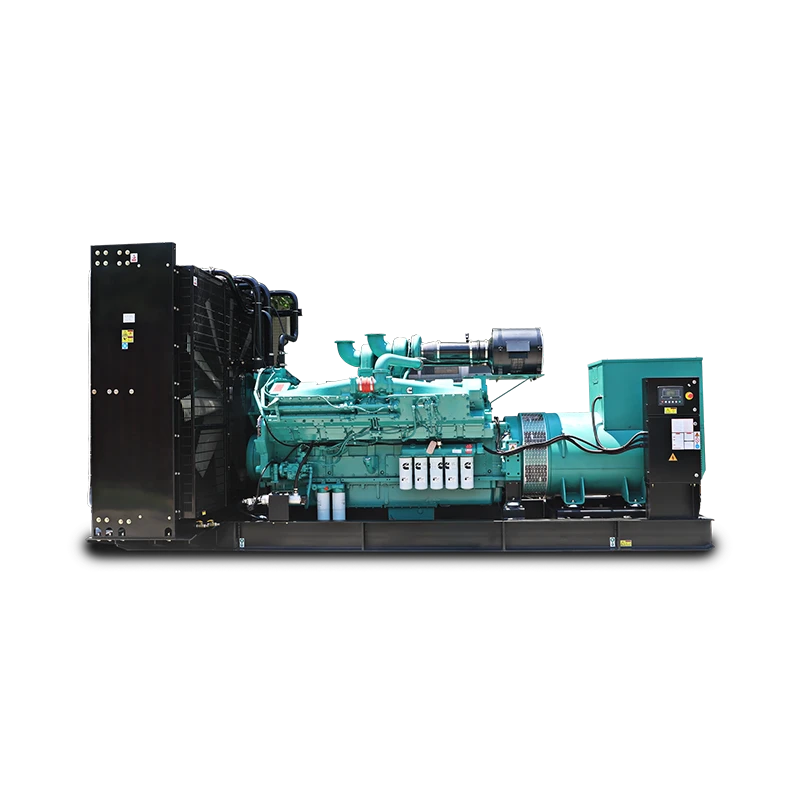
ARMining operations run around the clock in locations where grid power either does not exist or cannot be trusted. The machinery that extracts and processes ore, the ventilation systems that keep underground workings safe, the pumps that prevent flooding: all of these draw continuous, heavy loads. A 2MW diesel generator provides the output scale these sites require while remaining transportable enough to reach remote terrain. Selecting the right unit means balancing fuel economy against durability, emissions compliance against maintenance simplicity, and capital cost against the true expense of unplanned downtime. The sections below walk through the factors that determine whether a generator will perform reliably over a multi-year mine life or become an ongoing source of operational headaches.
What Makes 2MW Diesel Generators the Standard for Remote Mine Sites
Grid infrastructure rarely extends to active mining areas. Even where transmission lines exist, the supply tends to be unreliable, subject to weather damage, load shedding, or voltage instability that can trip sensitive control systems. A 2MW diesel generator eliminates that dependency entirely. The unit provides enough capacity to run a primary crusher, a bank of conveyors, and camp facilities simultaneously, with headroom for startup surges when large motors come online.
The diesel platform remains dominant in this application because fuel is energy-dense, storable without degradation, and transportable by road tanker to almost any location. Alternatives such as natural gas require pipeline access or cryogenic storage, neither of which is practical at most mine sites. Battery storage can supplement a diesel system but cannot yet replace it at the 2MW scale for continuous duty. Solar and wind generation depend on conditions that vary by hour and season, making them useful for load reduction rather than primary supply.
Redundancy is a separate consideration. Most operations deploy multiple 2MW units rather than a single larger machine. If one generator fails or requires scheduled maintenance, the remaining units carry the load without interrupting production. Synchronization controls allow the generators to share load automatically, matching output to demand and preventing any single unit from running inefficiently at partial capacity.
How to Evaluate Power Output and Load Capacity Before Purchase
The nameplate rating of a generator tells only part of the story. A unit rated at 2MW can sustain that output continuously under standard conditions, but actual site conditions are rarely standard. Altitude reduces air density, which limits combustion efficiency; every 300 meters above sea level typically derates output by roughly 3 to 4 percent. Ambient temperature matters as well. A generator tested at 25°C will produce less power at 40°C because the cooling system must work harder and intake air carries less oxygen per cubic meter.
Load profiling before purchase prevents undersizing. Mining loads are not constant. A haul truck charging station may draw 500 kW for two hours, then drop to near zero. A ball mill runs at steady state but pulls three to four times its rated current during startup. The generator must handle these transients without voltage sag or frequency drift, both of which can damage variable-frequency drives and programmable logic controllers.
The practical approach is to log actual demand at an existing site or model expected demand based on equipment specifications, then add a margin of 15 to 20 percent. That margin covers future expansion, measurement uncertainty, and the inevitable occasions when multiple high-draw events coincide. Oversizing beyond that margin wastes capital and forces the generator to run at low load, which accelerates carbon buildup in the engine and reduces fuel efficiency.
Why Fuel Efficiency Determines Long-Term Operating Cost
Fuel is the largest variable expense in running a 2MW diesel generator. A unit consuming 400 liters per hour at full load will burn through nearly 3.5 million liters over a year of continuous operation. At current diesel prices in most mining regions, that represents a cost measured in millions of dollars annually, before accounting for transport to remote sites, storage infrastructure, and spill containment.
Efficiency gains compound over time. A 5 percent reduction in specific fuel consumption, measured in grams of fuel per kilowatt-hour produced, translates directly into 5 percent lower fuel bills. Over a ten-year mine life, that difference can exceed the original purchase price of the generator.
Several design factors influence efficiency. Common-rail fuel injection systems deliver precise fuel metering across the load range, reducing waste at partial loads. Turbocharging recovers energy from exhaust gases to boost intake pressure, allowing more complete combustion. Intercooling lowers intake air temperature after the turbocharger compresses it, increasing air density and further improving combustion.
Operational practices matter as much as hardware. Running multiple smaller units in parallel, rather than a single large unit at partial load, keeps each engine in its efficient operating band. Load-shedding controls can automatically disconnect non-critical loads during demand spikes, preventing the need to start an additional generator for brief peaks. Remote monitoring systems track fuel consumption in real time, flagging deviations that may indicate injector fouling, air filter restriction, or other maintenance issues before they escalate.
What Engine and Cooling System Configurations Suit Harsh Environments
Mining sites expose generators to conditions that would destroy equipment designed for milder applications. Dust infiltration clogs air filters and coats radiator fins, reducing cooling capacity. Temperature swings from sub-zero nights to midday heat stress seals and lubricants. Vibration from nearby blasting and heavy vehicle traffic fatigues mounts and electrical connections.
Engine selection starts with the duty cycle. Continuous-rated engines are built for sustained operation at or near full load, with heavier crankshafts, larger bearing surfaces, and more robust cooling systems than prime-rated or standby-rated alternatives. The major engine manufacturers, including Cummins, Perkins, MTU, and Caterpillar, all offer continuous-duty variants in the power range needed for 2MW gensets.
Cooling system configuration depends on ambient conditions. Radiator-cooled systems are simpler and require no external water supply, but they struggle in dusty environments where fins clog quickly. Remote radiators, mounted away from the generator enclosure, allow easier cleaning access and can be positioned to draw cleaner air. In extremely dusty conditions, some operators specify closed-loop cooling with a heat exchanger, eliminating direct airflow through the cooling core entirely.
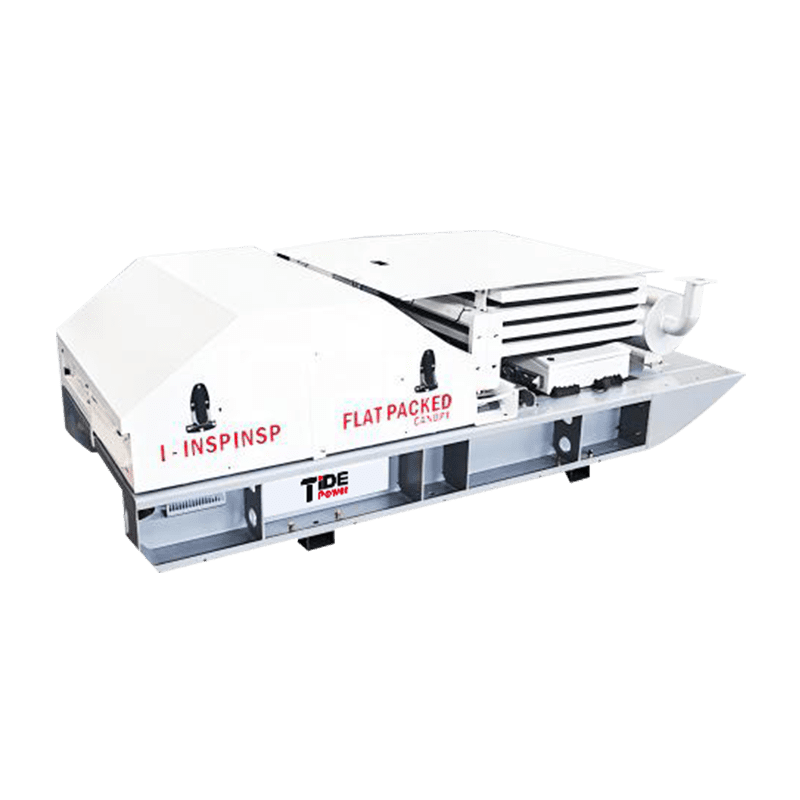
Enclosure design protects the generator from the environment while allowing adequate ventilation. A well-designed canopy includes intake louvers with coarse pre-filters, internal baffles that separate dust from airflow, and large access panels for maintenance. Sound attenuation adds weight and cost but may be necessary if the generator sits near camp facilities or in jurisdictions with noise limits.
| Feature | Fenova Series | Econic Series | P Series |
|---|---|---|---|
| Power Range | 5 kVA – 900 kVA | 16 kVA – 1650 kVA | 8 kVA – 340 kVA |
| Engine Brands | Multi-brand selectable (Perkins, Cummins, Doosan) | Cummins, Perkins, DEUTZ, Baudouin, Tide Power | DCEC, Lister Petter, Perkins |
| Durability | High-protection canopy, strong performance | Durable steel enclosure, vertical ventilation | 2 mm soundproof canopy, high durability |
| Maintenance | Liftable canopy, flexible engine selection | Large access doors, external fuel filling | Easy maintenance, external fuel inlet |
| Environment | Harsh environments, low-noise | Efficient deployment, reliable power output | Strong noise reduction, outdoor protection |
For a 2MW requirement, these standard product lines serve as building blocks. The typical configuration involves multiple synchronized units, often three or four generators rated at 500 kW to 750 kW each, providing both the total capacity and the redundancy that mining operations require.
 ## How Emissions Compliance Affects Generator Selection and Operating Permits
Environmental regulations increasingly constrain what generators mining operations can deploy. Tier 4 Final standards in North America and Stage V in Europe limit particulate matter and nitrogen oxide emissions to levels that older engines cannot meet without aftertreatment. Many developing countries are adopting similar standards, sometimes with transition periods that allow Tier 3 or Stage IIIA equipment for a limited time.
Compliance affects both capital and operating costs. Engines meeting the strictest standards typically include diesel particulate filters, selective catalytic reduction systems, or both. These components add purchase price, require periodic maintenance, and consume diesel exhaust fluid in the case of SCR systems. The tradeoff is access to permits in regulated jurisdictions and, in some cases, eligibility for financing from development banks that mandate environmental standards.
For operations in regions without strict enforcement, the temptation to specify older, cheaper engines is real. The risk is that regulations may tighten during the mine’s operating life, stranding non-compliant equipment or requiring expensive retrofits. A generator purchased today may run for 15 years or more; the regulatory environment in 2040 is unlikely to be more permissive than it is now.
Carbon intensity is a separate consideration from criteria pollutants. Some mining companies face pressure from investors, customers, or host governments to reduce greenhouse gas emissions. Diesel generators produce roughly 2.7 kilograms of CO2 per liter of fuel burned. Hybrid systems that integrate solar generation and battery storage can reduce diesel consumption and associated emissions, though they add complexity and capital cost.
What Maintenance Access and Parts Availability Mean for Uptime
A generator that cannot be serviced quickly becomes a liability. Routine maintenance, including oil changes, filter replacements, and coolant checks, occurs on schedules measured in operating hours. A 2MW unit running continuously accumulates 8,760 hours per year, which means oil changes every few weeks and major overhauls every two to three years.
Enclosure design determines how quickly technicians can perform these tasks. Hinged canopy panels that lift clear of the engine compartment allow access without disassembly. External fuel fill ports and drain valves reduce the need to enter confined spaces. Centralized service points for filters and fluid checks cut routine maintenance time in half compared to designs where components are scattered throughout the enclosure.
Parts availability is a function of engine brand and local support infrastructure. The major global manufacturers maintain dealer networks in most mining regions, with warehouses stocking common consumables and wear parts. Specifying a widely used engine platform, rather than an obscure brand with marginally better specifications, reduces the risk of extended downtime waiting for a turbocharger or injector to arrive from overseas.
Condition monitoring extends the interval between unplanned failures. Sensors tracking oil pressure, coolant temperature, exhaust temperature, and vibration can detect developing problems before they cause a shutdown. Remote monitoring systems transmit this data to off-site engineers who can diagnose issues and dispatch parts before a technician even arrives on site. One open-pit operation in a high-altitude desert achieved 99.8 percent uptime over two years using this approach, preventing losses that would have far exceeded the monitoring system’s cost.
How Hybrid Systems and Remote Monitoring Are Changing Mining Power
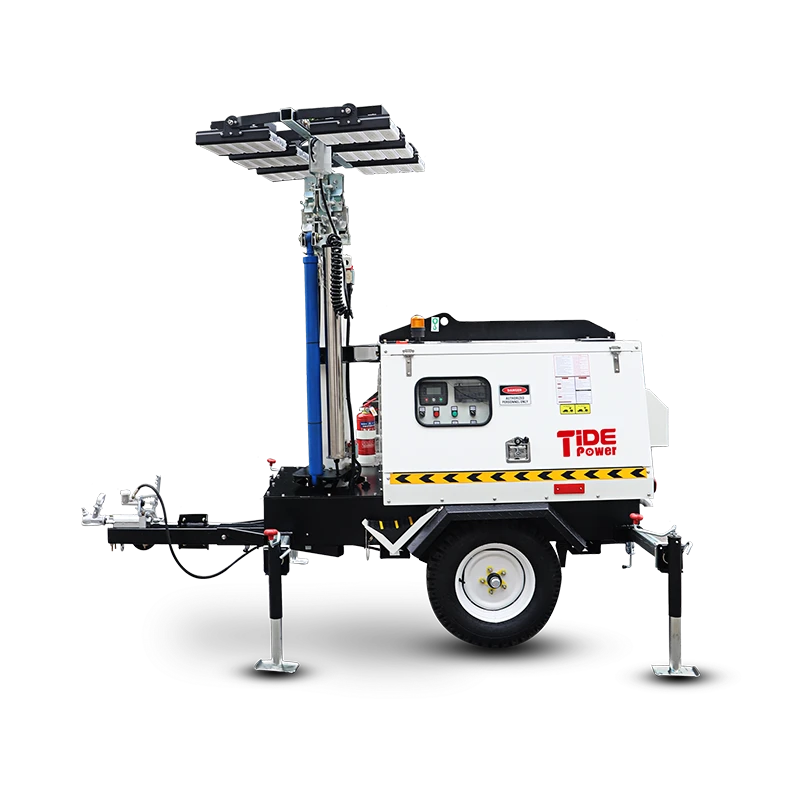
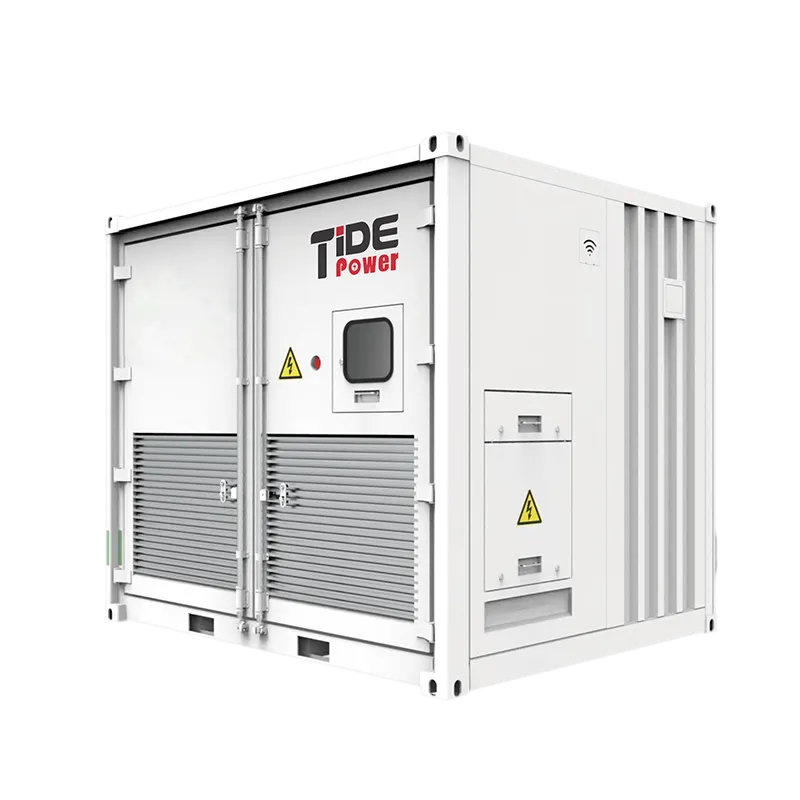
Diesel-only power systems are giving way to hybrid configurations that reduce fuel consumption and emissions without sacrificing reliability. The typical hybrid architecture pairs diesel generators with solar photovoltaic arrays and lithium-ion battery storage. During daylight hours, solar generation offsets diesel load; batteries absorb excess solar production and discharge during evening demand peaks or cloud cover.
The economics depend on site-specific factors. Solar irradiance, diesel price, and the cost of transporting fuel to the site all influence the payback period. In locations with strong solar resources and high fuel logistics costs, hybrid systems can achieve payback in three to five years. The diesel generators remain essential as backup and for overnight operation, but their running hours drop significantly.
Battery storage also improves power quality. Batteries respond to load changes in milliseconds, far faster than a diesel engine can ramp up. This fast response smooths voltage and frequency fluctuations, protecting sensitive electronics and reducing wear on the generators themselves.
Remote monitoring has become standard on new installations. Cellular or satellite links transmit operating data to centralized control rooms, where engineers monitor multiple sites simultaneously. Predictive algorithms flag anomalies, such as a gradual rise in exhaust temperature that may indicate injector degradation, before they trigger alarms. Maintenance can be scheduled during planned shutdowns rather than forced by unexpected failures.
Frequently Asked Questions
How do 2MW diesel generators support continuous mining operations?
They provide the sustained output needed to run crushers, conveyors, ventilation fans, and dewatering pumps around the clock without relying on grid infrastructure that may not exist or may not be reliable. Multiple synchronized units share the load and provide redundancy, so scheduled maintenance or an unexpected fault on one generator does not halt production. The diesel platform suits remote sites because fuel can be trucked in and stored on-site with standard equipment.
What are the key considerations for selecting a diesel generator for a remote mine site?
Start with an accurate load profile that accounts for peak demands and startup surges, then add a margin for future expansion. Evaluate fuel efficiency across the expected load range, not just at full output. Confirm that the engine and cooling system are rated for site altitude and temperature extremes. Check emissions compliance against current and anticipated regulations. Prioritize enclosure designs that simplify maintenance access, and verify that the engine manufacturer has parts and service support in the region.
How does fuel efficiency impact the operational cost of mining generators?
Fuel is typically the largest variable cost, often exceeding the generator’s purchase price within the first few years of operation. Efficiency improvements reduce fuel consumption directly, lower transport and storage costs, and decrease carbon emissions. Over a ten-year mine life, a 5 percent efficiency gain can save more than the original capital investment. Monitoring systems that track consumption in real time help identify maintenance issues before they degrade efficiency further.
Why is reliable power crucial for mining operations?
Interruptions halt production, which costs money immediately and can delay shipments that affect revenue for months. Underground operations depend on continuous ventilation and dewatering; a power failure can create safety hazards within hours. Heavy machinery suffers accelerated wear from repeated shutdowns and restarts. Reliable power protects both the people working on site and the equipment that represents a substantial capital investment. If your operation faces similar reliability requirements, discussing specific site conditions with an engineering team is a practical next step.
If you’re interested, check out these related articles:
Tide Power ERP Platform Successfully Launched, Ushering in a New Era of Intelligent Management
Animal Breeding Project in Vietnam
Tide Power invites you to the PhilEnergy 2025
Tide Power Shines at Expo Eléctrica International 2025 in Mexico City
Boosting Agricultural Efficiency with Tide Power Dewatering Pump
Discuss Your Power Requirements
To discuss specific power generation requirements for your mining operations, contact us at [email protected] or call us at +86 591 2806 8999.