 EN
EN ZH
ZH FR
FR ES
ES AR
ARFlooding creates immediate threats to infrastructure, operations, and community safety. Effective water removal is not a reactive measure but a critical component of disaster mitigation that directly impacts recovery speed and success. Understanding the capabilities of emergency flood water pumps and deployment strategies is essential for minimizing damage and restoring normal operations.
Why Rapid Dewatering Determines Recovery Outcomes
Flooding causes damage that extends far beyond the initial inundation, creating long-term operational disruptions and significant financial losses. When water remains stagnant, it compromises structural integrity, damages sensitive equipment, and creates hazardous conditions. Rapid dewatering protects assets, preserves operational continuity, and safeguards public health.
During a municipal project in Southeast Asia, a sudden monsoon caused widespread urban flooding. Areas where high-volume dewatering pumps were deployed within the first six hours experienced significantly less infrastructure damage and a 30% faster return to normal economic activity compared to areas with delayed response. This direct correlation demonstrated the tangible benefits of swift intervention. The difference between a six-hour response and a twelve-hour response often determines whether equipment can be salvaged or must be replaced entirely.
Which Emergency Flood Water Pump Type Matches Your Scenario
Different flood scenarios demand specific pump technologies. Selecting the correct type is paramount for efficient water removal.
Submersible flood pumps operate fully submerged in water, making them ideal for deep water removal and continuous operation without requiring priming. These units excel in basement flooding and deep excavation sites where pump positioning below water level is practical.
High-volume water removal often relies on robust centrifugal pumps, which move large quantities of water quickly. These pumps are less suited for heavily debris-laden fluids but perform well in relatively clean water applications.
Trash pumps, a specialized type of centrifugal pump, are designed to handle solids and debris. They are indispensable for floodwaters containing mud, leaves, and other particulate matter. Municipal flood response teams typically deploy trash pumps as their primary equipment because urban floodwater rarely runs clean.
Portable emergency pumps offer flexibility, allowing rapid deployment to various affected areas. Their mobility makes them valuable for situations where flood boundaries shift or multiple sites require simultaneous attention.
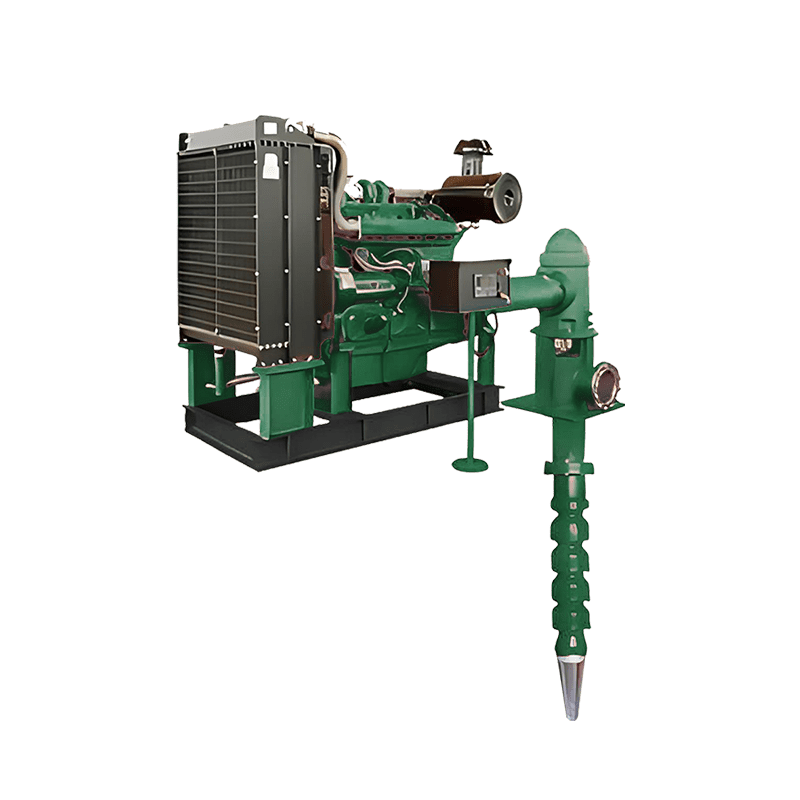
For industrial dewatering solutions where continuous operation and debris handling are common, diesel-driven trash pumps are often the preferred choice. For basement flood pumps, compact submersible units can quickly clear standing water. The Z, B, K, S, D, and C Series dewatering pumps are each engineered for specific challenges. These units feature fast self-priming capabilities, robust diesel engine power systems, and high head and large flow performance suitable for mining drainage, flood control, irrigation, and rescue operations.
What Power Sources Keep High-Capacity Flood Pumps Running
The effectiveness of emergency dewatering hinges on a stable and sufficient power supply, often requiring robust independent energy sources. In flood situations, grid power can be unreliable or completely unavailable.
Diesel-powered dewatering pumps are widely used due to their portability and ability to operate independently for extended periods, provided fuel is available. They require no external infrastructure and can be deployed to remote locations within hours.
Generator-powered pumps, where a separate generator powers an electric pump, offer flexibility in pump placement and can utilize various pump types. This configuration allows operators to position the generator on dry ground while running the pump in flooded areas through extended cable runs.
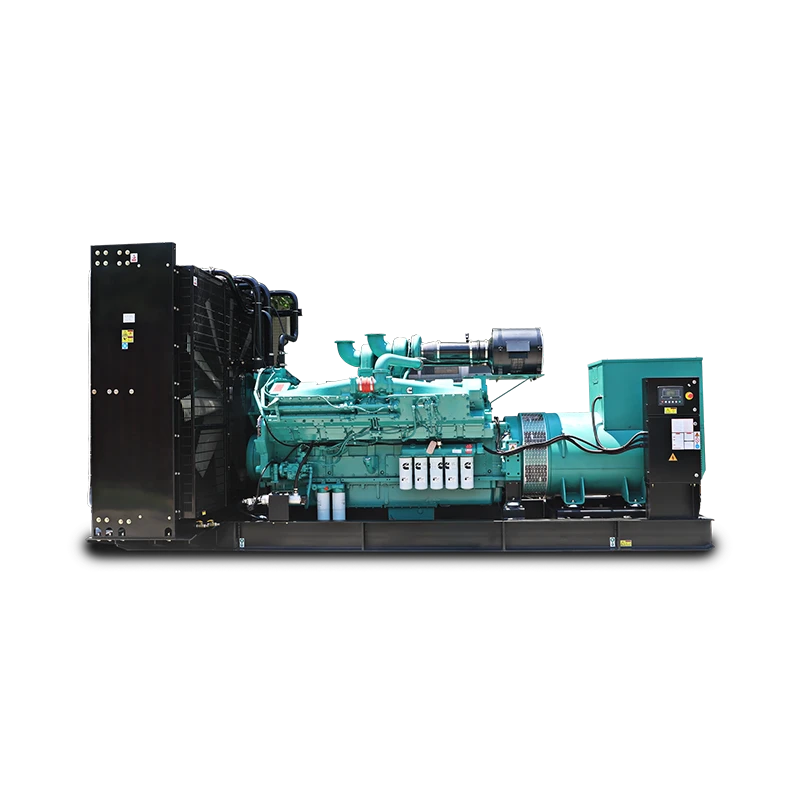
High-capacity flood pumps typically rely on powerful diesel generators or robust electric grids, with a focus on uninterrupted operation and fuel efficiency. Diesel generators provide the necessary torque and continuous power for demanding dewatering tasks, especially in remote or off-grid locations.
| Generator Series | Power Range (kVA) | Key Features for Flood Response |
|---|---|---|
| Fenova Plus | 5 – 900 | Long-term reliability, low noise, stable continuous output |
| Hemera | 5 – 650 | Stable performance, low emissions, flexible transport |
| Econic | 16 – 1650 | Cost-effective, large fuel tank, easy maintenance |
| Panda | Customized | Compact design, high efficiency, advanced acoustic |
The Fenova Plus Series is powered by Lister Petter engines, ensuring long-term reliability and stable continuous power output critical during prolonged dewatering operations. The Econic Series offers a cost-effective solution with super large fuel tanks for extended runtime, a crucial feature when refueling access is limited during an emergency.
How Pre-Staging and Drills Cut Response Times
Effective emergency response requires meticulous planning, rapid deployment capabilities, and continuous monitoring to mitigate flood impacts swiftly. Pre-staging equipment in flood-prone areas, developing clear communication protocols, and conducting regular drills are vital steps in building resilience.
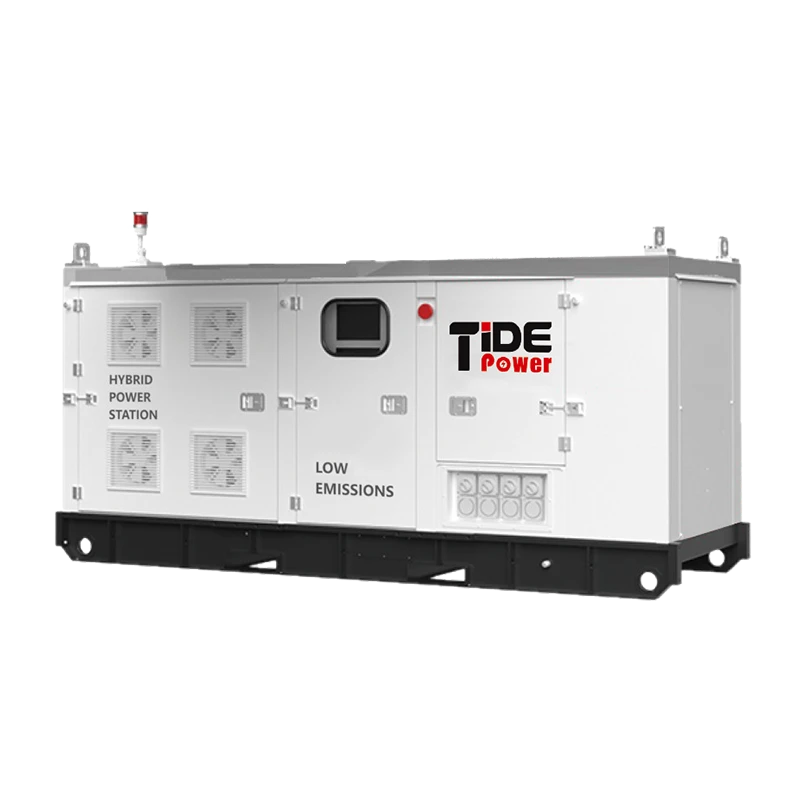
Pre-staged equipment, trained personnel, and clear communication protocols minimize response times and maximize the impact of emergency pumping systems. A well-rehearsed plan that includes designated deployment routes and pre-connected hoses can shave hours off response times. This efficiency directly translates into reduced water damage and faster recovery.
Regular pump maintenance for emergency readiness is non-negotiable. A pump that fails to start when needed is worse than no pump at all. Maintenance schedules should include monthly engine checks, quarterly full-operation tests, and annual comprehensive inspections. Water level monitoring systems provide early warnings, allowing for proactive deployment rather than reactive scramble.
If your facility sits in a flood-prone zone, reviewing your pre-staging locations and maintenance records before the next rainy season is worth the time investment.
What to Evaluate When Selecting Emergency Flood Pump Systems
Choosing an appropriate flood pump system involves evaluating specific site conditions, required capacity, power availability, and long-term reliability.
Industrial dewatering solutions demand pumps capable of handling significant volumes and potentially abrasive materials. Construction sites, mining operations, and manufacturing facilities typically require pumps rated for continuous duty cycles exceeding 24 hours.
Pump rental services can be a flexible option for short-term needs or for augmenting existing fleets during large-scale events. Rental agreements should specify delivery timeframes, as a pump that arrives 48 hours after the flood peaks provides limited value.
Critical features of a reliable flood pump include robust construction, efficient engine performance, and the ability to operate continuously under challenging conditions. High-head pumps are necessary when water needs to be moved over significant vertical distances or through long pipelines. Large flow pumps are designed for rapid area clearance where discharge elevation is minimal.
Frequently Asked Questions
How often should emergency flood pumps be tested?
Quarterly testing is the minimum standard for emergency flood pumps, with semi-annual comprehensive inspections recommended. Testing should include a full startup sequence, operation under load for at least 30 minutes, and verification of all safety systems. This preventive maintenance identifies potential issues before they cause failures during actual emergencies. Organizations in high-risk flood zones often test monthly during peak seasons.
Can standard water pumps handle flood emergencies?
Standard water pumps lack the design features required for flood response. Emergency flood water pumps are built for high-volume continuous operation and debris handling that standard pumps cannot sustain. A standard sump pump rated for intermittent basement use will overheat or clog within hours under flood conditions. Relying on inadequate equipment leads to critical failures and prolonged water damage.
What is the typical lifespan of an emergency flood pump?
Lifespan varies significantly based on quality, usage patterns, and maintenance practices. Well-maintained industrial dewatering solutions can last 10-15 years or more. Pumps used in abrasive conditions or those that sit idle without proper storage protocols may fail within 5 years. Annual service records and proper winterization extend operational life substantially.
Are there eco-friendly options for emergency flood water pumping?
Fuel-efficient diesel-powered dewatering pumps have reduced emissions significantly over the past decade. Electric pumps powered by renewable energy sources are feasible where grid infrastructure remains intact or where solar-battery systems can provide sufficient capacity. The primary focus remains on effective flood control, with environmental impact as a secondary consideration during active emergencies.
What factors influence the cost of emergency flood pump solutions?
Pump capacity, power source configuration, and features like remote monitoring all affect pricing. The choice between purchase and pump rental services depends on expected usage frequency and capital availability. Total cost of ownership calculations should include maintenance, fuel consumption, storage requirements, and operator training. A lower purchase price often correlates with higher long-term maintenance costs. Contact our team at [email protected] to discuss specifications and pricing for your flood preparedness requirements.
If you’re interested, check out these related articles:
Tide Power and Caterpillar Successfully Signed 2024 MWM Engine Purchase Intent Agreement
Tide Power: Your One-Stop Energy Solution for Every Challenge
A New Era of Mobile Power: Tide Power Unveils Game-Changing Foldable Solar Container
150 diesel generator sets supporting the construction of telecommunications projects in Africa
Tide Power’ s exhibition at the 135th Canton Fair has successfully concluded