 EN
EN ZH
ZH FR
FR ES
ES AR
ARSelecting a home standby generator is more than choosing a brand from a local catalog. In markets across Southeast Asia, Africa, and Latin America, I’ve seen how the right generator—one sized, fueled, and sourced correctly—becomes the quiet backbone of a household during outages, while a mismatched unit adds cost without delivering protection. This guide moves beyond fuel comparisons to focus on how you can assess power requirements, installation realities, and manufacturer capability so that the system you choose performs reliably year after year.
Determining Your Home’s Backup Power Requirements
Home standby generator selection begins with an honest inventory of what needs to keep running when utility power fails. Most homes have a combination of essential circuits—refrigerators, lighting, security systems, medical equipment—and comfort loads like air conditioning or pool pumps. The difference between listing everything and planning for actual runtime capacity is where many homeowners overspend or end up underpowered.
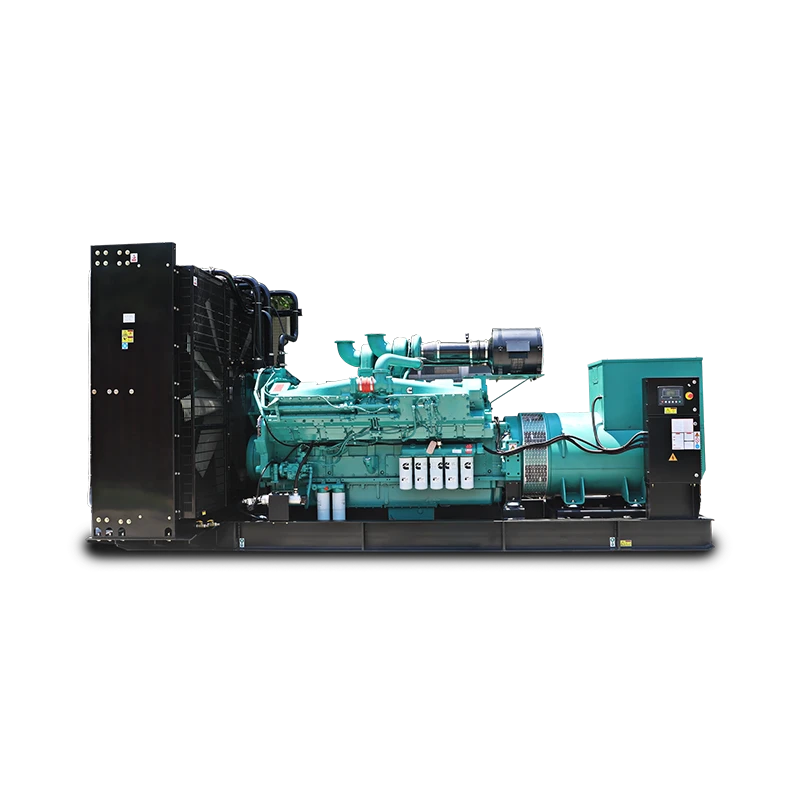
We recommend starting with a load analysis that separates critical from noncritical circuits, then totaling the wattage of must-run appliances with a margin for starting surges. A common rule of thumb is 7–10 kW for a small home and 20–25 kW for a larger residence with central air conditioning. These numbers, however, vary with regional electrical standards and appliance efficiency.
How Do I Calculate My Home’s Backup Power Needs?
List each appliance you cannot lose during an outage, note its running watts and starting watts (for motor-driven equipment), and sum the running watts with the largest single starting surge added on top. Many generator manufacturers provide a sizing calculator; when using one, verify it accounts for local voltage and frequency.
Critical Loads vs Whole-House Coverage
A dedicated subpanel fed by a manual transfer switch can power only essential circuits, lowering generator size and purchase cost. Whole-house coverage requires a larger unit and an automatic transfer switch, but it eliminates the need to manage loads manually during an outage.
Evaluating Generator Fuel Types and Runtime
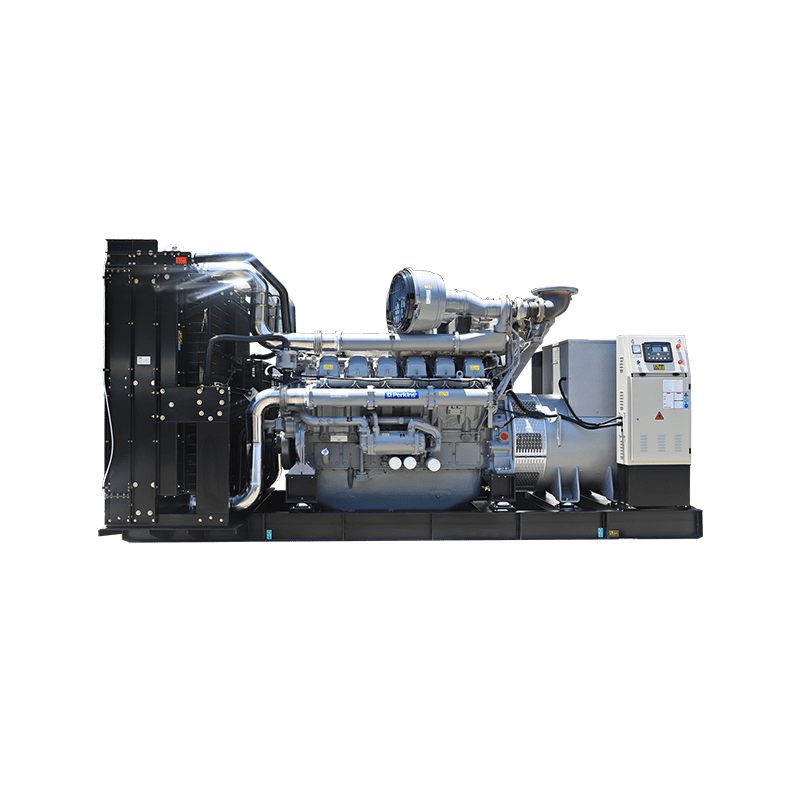
Fuel choice shapes installation cost, runtime, and long-term maintenance. Natural gas generators rely on a continuous utility supply, which means they won’t run if pipelines go down, though they never need refueling. Propane units store fuel on site; they are popular in rural areas without natural gas lines. Diesel generators offer energy density and typically longer engine life but require periodic fuel polishing and storage management.
In projects we’ve supported, the most practical choice often comes down to what fuel is already available on the property and how long the generator must run without interruption. For a home that may need 48–72 hours of backup, a propane tank or diesel fuel tank properly sized for the generator’s consumption rate is an investment worth making up front.
What Is the Best Fuel for a Home Standby Generator?
There is no universal best. Natural gas is convenient in urban settings, diesel provides robust performance for extended outages, and propane is a strong middle ground for rural homes with tank storage already in place. The decision should match your regional fuel reliability.
How Does Fuel Availability Affect My Choice?
If you are in a location where natural gas pipelines are prone to interruption, a fuel-stored system (propane or diesel) ensures independence. Consider maintenance logistics: diesel fuel stored long term may need treatment and testing, while propane tanks are largely maintenance-free.
Installation Requirements and Regulatory Compliance
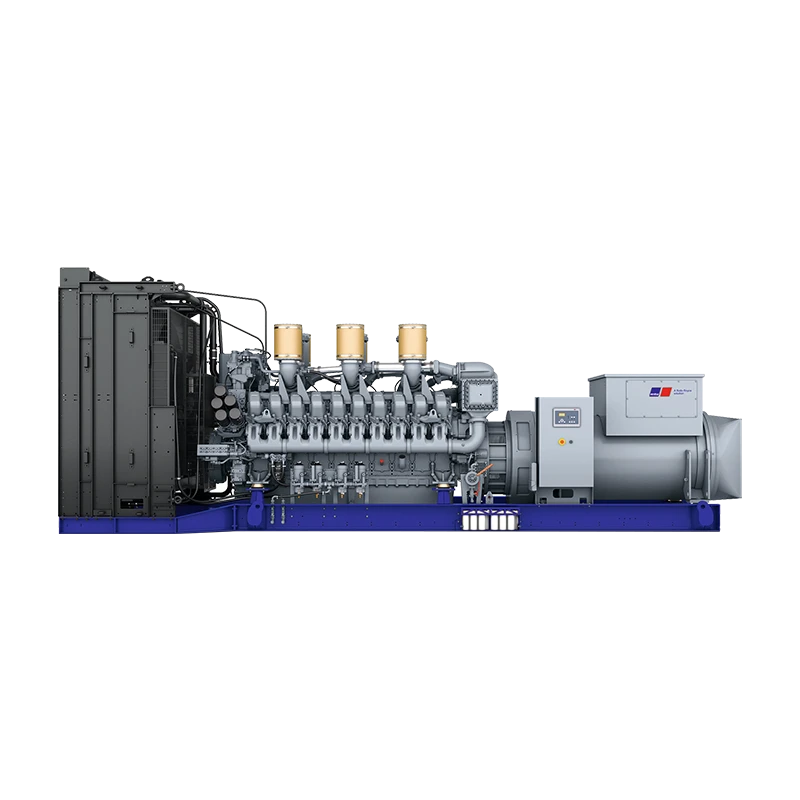
Installing a home standby generator involves site preparation, electrical connections, fuel line routing, and often local permits. In many markets, a licensed electrician must install the transfer switch and main disconnect. Concrete pad or grade-level platform requirements vary; sound attenuation measures may be mandated if the generator is close to a neighbor’s property line.
International buyers should confirm that the generator meets the electrical and safety certifications recognized in their country. For instance, CE marking is broadly accepted in Europe, while other regions may require UL listing or specific local testing. Working with a manufacturer that provides compliance documentation streamlines the approval process.
Can I Install a Standby Generator Myself?
While some homeowners handle site preparation, the electrical and fuel connections require professional installation to meet code and manufacturer warranty terms. We always advise engaging a licensed contractor for the final hookup.
What Permits Are Needed?
Permit requirements depend on local building codes and often include electrical, gas plumbing, and zoning approvals. Request a compliance package from your generator supplier to present to local authorities.
Assessing Manufacturer Quality and Global Support
Choosing a generator by price alone often results in a unit that arrives without the documentation, testing reports, or after-sales support that a homeowner needs. In my work with international energy infrastructure, I look for manufacturers with in-house engine testing, quality certifications (ISO 9001, ISO 14001, ISO 45001, CE), and a demonstrated ability to supply parts globally.
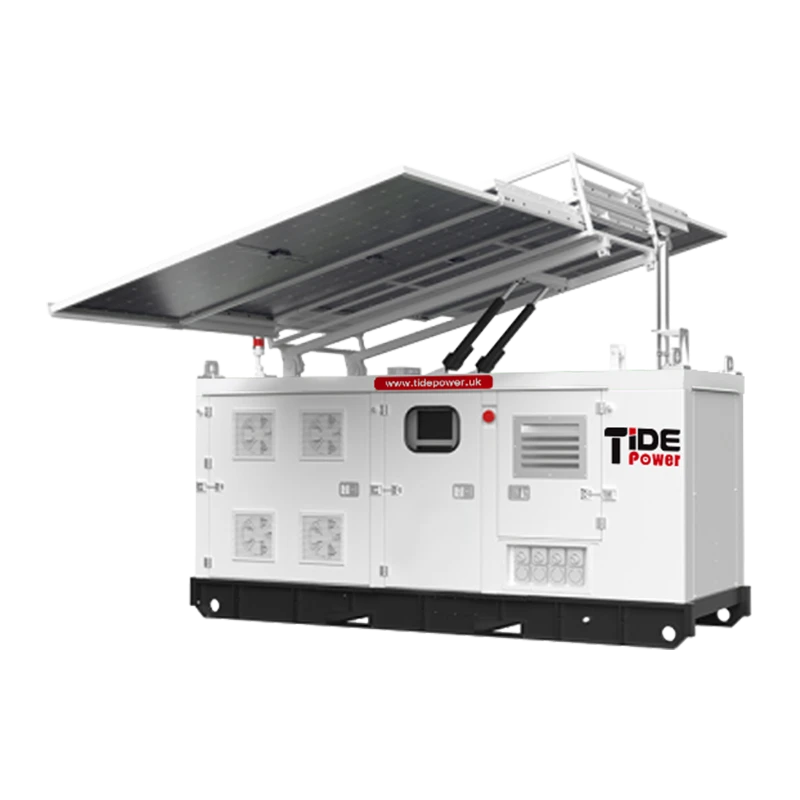
Tide Power, for example, builds its Hemera and P Series silent diesel generators with engines from established producers like DCEC, Perkins, and Lister Petter. These generator sets range from 5 kVA to 650 kVA, and each unit can be configured for 50Hz or 60Hz operation—a detail that matters when sending equipment to a different grid region. The company provides factory test reports, CE/ISO compliance certificates, and containerized packing for safe transit.
How Do I Verify a Manufacturer’s Quality Claims?
Ask for a copy of the factory’s quality management system certificate, a sample test report for a similar generator model, and references from clients in your region. A transparent supplier will share these readily.
What International Standards Apply to Home Generators?
Common standards include IEC 60034 for rotating electrical machines, ISO 8528 for generator sets, and EN 12601 for special power applications. Additionally, your local utility may require specific grid interconnection standards. Clarify compliance before purchase.
Comparing Total Cost and Long-Term Value
Initial purchase price is one line item; installation, fuel, scheduled maintenance, and potential engine overhaul costs over a 10–15 year lifespan add up. A diesel generator may cost more upfront than a natural gas unit but often lasts longer with proper care. We advise comparing levelized cost of energy over the expected life of the generator, not just the sticker price.
Warranty terms also vary widely. Some manufacturers offer standard one-year warranties; extended coverage that includes parts and labor for critical engine components can significantly reduce financial exposure. When sourcing internationally, confirm how warranty claims are handled and whether a local service partner exists.
Making the Final Selection and Placing an Order
Once you have a list of specifications—kW rating, fuel type, frequency, voltage, certification requirements—the next step is to request a quotation from a qualified manufacturer. Provide them with your site conditions (altitude, ambient temperature, available fuel pressure) so they can confirm the unit’s performance at your location. Insist on seeing a complete bill of materials and a projected shipping schedule.
For homeowners who want a system that is ready to connect, Tide Power offers customization of enclosure design, integration of ATS panels, and even pre-delivery testing. Our team can arrange containerized shipping to minimize handling damage and ensure the generator arrives on site fully tested and documented.
What Documentation Should I Request Before Ordering?
A detailed technical data sheet, compliance certificates, a warranty document that explains scope and claim procedure, and a factory acceptance test report. This packet turns a purchase into an informed investment.
Common Questions About Selecting a Home Standby Generator
How long can a home standby generator run continuously?
Most air-cooled residential models are designed for intermittent use, while liquid-cooled diesel units from manufacturers like Tide Power can run for extended periods—often 24 hours a day for a week or more—provided they receive scheduled maintenance and fuel replenishment. The key is the generator’s duty rating: prime-rated sets are built for continuous operation, whereas standby-rated units are intended for periodic outages.
Do I need a separate fuel tank for a diesel standby generator?
Diesel standby generators typically require a day tank or a larger external bulk tank. Many factory-supplied units include an integrated base tank sized to provide 8–24 hours of runtime at full load. For longer backup periods, an external tank with an automated fuel management system is added.
Are Tide Power generators compatible with smart home energy management systems?
Yes, the digital controllers used on Tide Power generator sets (such as Deep Sea units) support remote monitoring and can interface with building management systems via Modbus or similar protocols. For home use, this means you can monitor generator status and receive alerts through a simple network connection.
What maintenance is required for a standby generator?
A typical maintenance schedule includes oil and filter changes every 100–200 hours of operation, periodic coolant checks, battery inspection, and load bank testing to ensure the engine can reach full capacity. A professional service should inspect the fuel system, governor, and safety shutdowns annually.
What is the lead time for a custom residential generator?
Lead times vary based on the manufacturer’s order queue and the degree of customization. For standard production models with minor adjustments, expect 4–8 weeks; fully custom engineered packages may take 10–12 weeks. We help buyers secure a realistic timeline before ordering. If your project has a fixed occupancy date, share it with our team at [email protected] or call +86 591 2806 8999 so we can confirm feasibility and arrange a delivery schedule that fits.
If you’re interested, check out these related articles:
Powering Industry & Infrastructure: Tide Power’s Advanced Pump Solutions Set New Standards in Efficiency & Reliability
Navigating Energy Storage: Key Distinctions Between Large-Scale and Small-Scale BESS
Tide Power Shines at Data Centre World Asia with Green Hybrid Energy Solutions Empowering Future Digital Infrastructure
TIDE POWER TP200BESS: The Future of Industrial Energy Efficiency