 FR
FR EN
EN ZH
ZH ES
ES AR
ARChoisir un générateur de secours domestique ne consiste pas simplement à sélectionner une marque dans un catalogue local. Sur les marchés d'Europe, d'Afrique et d'Amérique latine, j'ai vu comment le bon générateur—de taille, de carburant et d'approvisionnement appropriés—devient la colonne vertébrale silencieuse d'un foyer lors de coupures de courant, tandis qu'une unité mal adaptée augmente les coûts sans offrir une protection efficace. Ce guide va au-delà des comparaisons de carburant pour se concentrer sur la façon dont vous pouvez évaluer les besoins en puissance, les réalités de l'installation et la capacité du fabricant afin que le système que vous choisissez fonctionne de manière fiable année après année.
Dissuaderminiers Vos besoins en alimentation de secours domestique
La sélection d'un générateur de secours domestique commence par un inventaire honnête de ce qui doit continuer à fonctionner lorsque le courant électrique est coupé. La plupart des foyers disposent d'une combinaison de circuits essentiels—réfrigérateurs, éclairage, systèmes de sécurité, équipements médicaux—et de charges de confort comme la climatisation ou les pompes de piscine. La différence entre énumérer tout et planifier la capacité réelle de fonctionnement est là où de nombreux propriétaires dépensent excessivement ou se retrouvent sous-alimentés.
Nous recommandons de commencer par une analyse de charge qui sépare les circuits critiques des non-critiques, puis de totaliser la consommation en watts des appareils indispensables avec une marge pour les surcharges de démarrage. Une règle empirique courante est de 7 à 10 kW pour une petite maison et de 20 à 25 kW pour une résidence plus grande avec climatisation centrale. Cependant, ces chiffres varient selon les normes électriques régionales et l'efficacité des appareils.
Comment puis-je calculer les besoins en alimentation de secours de ma maison ?
Listez chaque appareil que vous ne pouvez pas perdre lors d'une coupure, notez sa consommation en watts en fonctionnement et en watts de démarrage (pour les équipements motorisés), puis additionnez la consommation en watts en fonctionnement avec la plus grande surcharge de démarrage unique ajoutée. De nombreux fabricants de générateurs proposent un calculateur de dimensionnement ; lors de son utilisation, vérifiez qu'il prend en compte la tension et la fréquence locales.
Charges critiques vs couverture de toute la maison
Un sous-panneau dédié alimenté par un commutateur de transfert manuel peut ne fournir que l'alimentation des circuits essentiels, réduisant la taille et le coût d'achat du générateur. La couverture de toute la maison nécessite une unité plus grande et un commutateur de transfert automatique, mais elle élimine la nécessité de gérer manuellement les charges lors d'une coupure.
Évaluer les types de carburant du générateur et leur autonomie
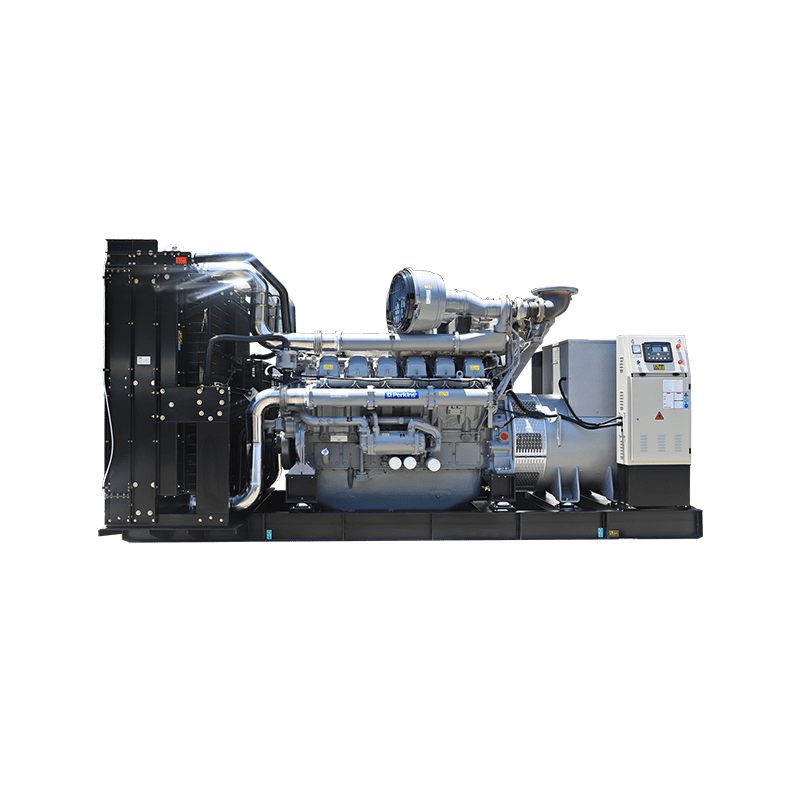
Le choix du carburant influence le coût d'installation, l'autonomie et l'entretien à long terme. Les générateurs au gaz naturel dépendent d'une alimentation continue du réseau, ce qui signifie qu'ils ne fonctionneront pas si les pipelines sont coupés, bien qu'ils n'aient jamais besoin de réapprovisionnement. Les unités au propane stockent le carburant sur place ; elles sont populaires dans les zones rurales sans réseau de gaz naturel. Les générateurs diesel offrent une densité énergétique et une durée de vie du moteur généralement plus longue, mais nécessitent un traitement périodique du carburant et une gestion du stockage.
Dans nos projets, nous avons supportconstaté que le choix le plus pratique dépend souvent du carburant déjà disponible sur la propriété et de la durée pendant laquelle le générateur doit fonctionner sans interruption. Pour une maison pouvant nécessiter 48 à 72 heures d'alimentation de secours, un réservoir de propane ou de diesel correctement dimensionné en fonction de la consommation du générateur est un investissement à faire dès le départ.
Quel est le meilleur carburant pour un générateur de secours domestique ?
Il n'existe pas de réponse universelle. Le gaz naturel est pratique en zone urbaine, le diesel offre une performance robuste lors de coupures prolongées, et le propane constitue une solution intermédiaire solide pour les maisons rurales disposant déjà d'un stockage en réservoir. La décision doit correspondre à la fiabilité du carburant dans votre région.
Comment la disponibilité du carburant influence-t-elle mon choix ?
Si vous êtes dans une zone où les pipelines de gaz naturel sont sujets à des interruptions, un système stockant du carburant (propane ou diesel) garantit votre indépendance. Considérez la logistique d'entretien : le carburant diesel stocké à long terme peut nécessiter un traitement et des tests, tandis que les réservoirs de propane sont en grande partie sans entretien.
Exigences d'installation et conformité réglementaire
L'installation d'un groupe électrogène de secours à domicile implique la préparation du site, les raccordements électriques, le routage de la conduite de carburant et souvent des permis locaux. Dans de nombreux marchés, un électricien agréé doit installer le commutateur de transfert et le sectionneur principal. Les exigences relatives aux dalles de béton ou aux plateformes de niveau du sol varient ; des mesures d'atténuation du bruit peuvent être imposées si le groupe électrogène est proche de la limite de propriété d'un voisin.
Les acheteurs internationaux doivent s'assurer que le groupe électrogène répond aux certifications électriques et de sécurité reconnues dans leur pays. Par exemple, le marquage CE est largement accepté en Europe, tandis que d'autres régions peuvent exiger la certification UL ou des tests locaux spécifiques. Travailler avec un fabricant qui fournit une documentation de conformité simplifie le processus d'approbation.
Puis-je installer un groupe électrogène de secours moi-même ?
Bien que certains propriétaires s'occupent de la préparation du site, les raccordements électriques et de carburant nécessitent une installation professionnelle pour respecter les codes et les conditions du fabricant. garantie termes. Nous conseillons toujours de faire appel à un entrepreneur agréé pour le raccordement final.
Quels permis sont nécessaires ?
Les exigences en matière de permis dépendent des codes du bâtiment locaux et comprennent souvent les approbations électriques, de plomberie de gaz et de zonage. Demandez un dossier de conformité à votre fournisseur de groupe électrogène pour le présenter aux autorités locales.
Évaluation de la qualité du fabricant et du support mondial
Choisir un groupe électrogène uniquement en fonction du prix aboutit souvent à une unité qui arrive sans la documentation, les rapports de test ou le support après-vente dont un propriétaire a besoin. Dans mon travail avec les infrastructures énergétiques internationales, je recherche des fabricants disposant de tests de moteurs internes, de certifications de qualité (ISO 9001, ISO 14001, ISO 45001, CE) et d'une capacité démontrée à fournir des pièces à l'échelle mondiale.
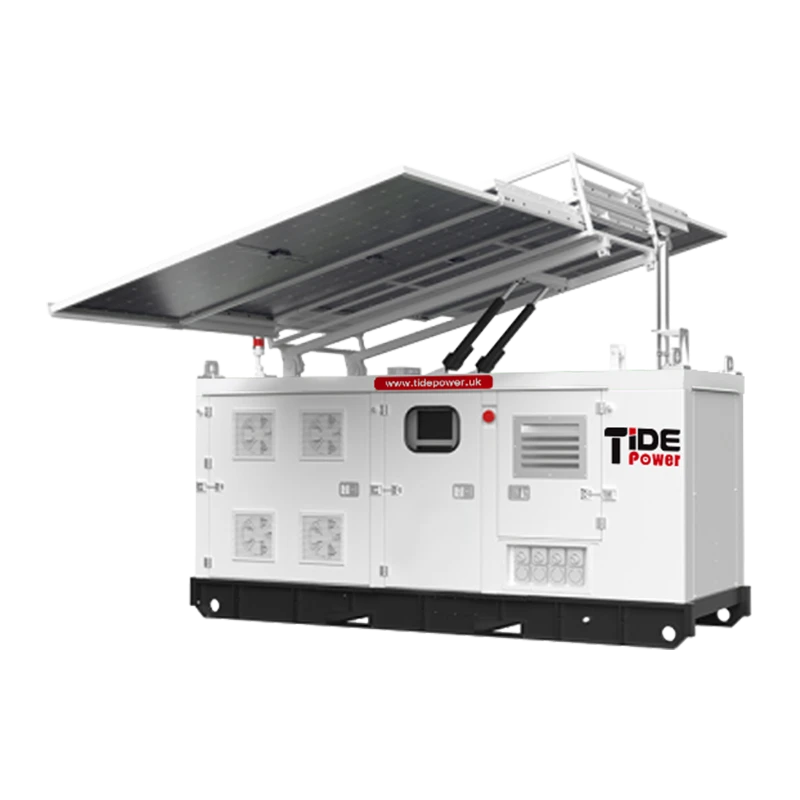
Tide Power, par exemple, construit ses groupes électrogènes diesel silencieux Hemera et Série P avec des moteurs de producteurs établis comme DCEC, Perkins et Lister Petter. Ces groupes électrogènes vont de 5 kVA à 650 kVA, et chaque unité peut être configurée pour un fonctionnement à 50 Hz ou 60 Hz, un détail important lors de l'envoi d'équipement dans une région de réseau différente. L'entreprise fournit des rapports de test d'usine, des certificats de conformité CE/ISO et un emballage conteneurisé pour un transport sûr.
Comment vérifier les affirmations de qualité d'un fabricant ?
Demandez une copie du certificat de système de management de la qualité de l'usine, un exemple de rapport de test pour un modèle de groupe électrogène similaire et des références de clients dans votre région. Un fournisseur transparent partagera volontiers ces informations.
Quelles normes internationales s'appliquent aux groupes électrogènes domestiques ?
Les normes courantes comprennent la norme CEI 60034 pour les machines électriques tournantes, la norme ISO 8528 pour les groupes électrogènes et la norme EN 12601 pour les applications d'alimentation spéciales. De plus, votre compagnie d'électricité locale peut exiger des normes spécifiques d'interconnexion au réseau. Clarifiez la conformité avant l'achat.
Comparaison du coût total et de la valeur à long terme
Le prix d'achat initial est une ligne budgétaire ; l'installation, le carburant, la maintenance programmée et les coûts potentiels de révision du moteur sur une durée de vie de 10 à 15 ans s'accumulent. Un groupe électrogène diesel peut coûter plus cher à l'achat qu'une unité au gaz naturel, mais dure souvent plus longtemps avec des soins appropriés. Nous conseillons de comparer le coût actualisé de l'énergie sur la durée de vie prévue du groupe électrogène, et pas seulement le prix affiché.
Les conditions de garantie varient également considérablement. Certains fabricants offrent des garanties standard d'un an ; une couverture étendue qui comprend les pièces et la main-d'œuvre pour les composants critiques du moteur peut réduire considérablement l'exposition financière. Lors d'un approvisionnement international, vérifiez comment les réclamations de garantie sont traitées et s'il existe un partenaire de service local.
Faire la sélection finale et passer une commande
Une fois que vous disposez d'une liste de spécifications—puissance en kW, type de carburant, fréquence, tension, exigences de certification—l'étape suivante consiste à demander un devis auprès d'un fabricant qualifié. Fournissez-leur les conditions de votre site (altitude, température ambiante, pression de carburant disponible) afin qu'ils puissent confirmer les performances de l'unité à votre emplacement. Insistez pour voir une liste complète des matériaux et un calendrier de livraison prévu.
Pour les propriétaires qui souhaitent un système prêt à être connecté, Tide Power propose la personnalisation du design de l'enceinte, l'intégration de panneaux ATS, et même des tests avant livraison. Notre équipe peut organiser un transport en conteneur pour minimiser les dommages lors de la manutention et garantir que le générateur arrive sur site entièrement testé et documenté.
Quelle documentation dois-je demander avant de commander ?
Une fiche technique détaillée, des certificats de conformité, un document de garantie expliquant la portée et la procédure de réclamation, ainsi qu'un rapport de test d'acceptation en usine. Ce dossier transforme un achat en un investissement éclairé.
Questions fréquentes sur la sélection d'un générateur de secours résidentiel
Combien de temps un générateur de secours domestique peut-il fonctionner en continu ?
La plupart des modèles résidentiels refroidis à l'air sont conçus pour une utilisation intermittente, tandis que les unités diesel refroidies par liquide de fabricants comme Tide Power peuvent fonctionner pendant de longues périodes—souvent 24 heures par jour pendant une semaine ou plus—à condition qu'elles reçoivent un entretien programmé et un réapprovisionnement en carburant. La clé est la capacité de service du générateur : les ensembles à capacité prime sont conçus pour une opération continue, tandis que les unités à capacité standby sont destinées aux coupures périodiques.
Ai-je besoin d'un réservoir de carburant séparé pour un générateur de secours diesel ?
Les générateurs de secours diesel nécessitent généralement un réservoir journalier ou un réservoir externe de plus grande capacité. De nombreux modèles fournis en usine incluent un réservoir intégré de base conçu pour fournir 8 à 24 heures d'autonomie à pleine charge. Pour des périodes de sauvegarde plus longues, un réservoir externe avec un système de gestion automatique du carburant est ajouté.
Les générateurs Tide Power sont-ils compatibles avec les systèmes de gestion d'énergie domestique intelligents ?
Oui, les contrôleurs numériques utilisés sur les ensembles de générateurs Tide Power (tels que les unités Deep Sea) prennent en charge la surveillance à distance et peuvent s'interfacer avec les systèmes de gestion du bâtiment via Modbus ou des protocoles similaires. Pour un usage domestique, cela signifie que vous pouvez surveiller l'état du générateur et recevoir des alertes via une simple connexion réseau.
Quel entretien est nécessaire pour un générateur de secours ?
Un calendrier d'entretien typique comprend le changement d'huile et de filtre toutes les 100 à 200 heures de fonctionnement, des vérifications périodiques du liquide de refroidissement, l'inspection de la batterie, et des tests de banc de charge pour assurer que le moteur peut atteindre sa pleine capacité. Un service professionnel doit inspecter annuellement le système de carburant, le régulateur et les dispositifs de sécurité d'arrêt.
Quel est le délai de livraison pour un générateur résidentiel personnalisé ?
Les délais varient en fonction de la file d'attente de commande du fabricant et du degré de personnalisation. Pour des modèles de production standard avec de légères modifications, prévoyez 4 à 8 semaines ; pour des packages entièrement conçus sur mesure, 10 à 12 semaines. Nous aidons les acheteurs à obtenir un calendrier réaliste avant de commander. Si votre projet a une date d'occupation fixe, partagez-la avec notre équipe à [email protected] ou appelez le +86 591 2806 8999 afin que nous puissions confirmer la faisabilité et organiser un calendrier de livraison adapté.
Si cela vous intéresse, consultez ces articles connexes :
Alimenter l'industrie et l'infrastructure : les solutions de pompage avancées de Tide Power établissent de nouvelles normes en matière d'efficacité et de fiabilité
Naviguer dans le stockage d'énergie : distinctions clés entre les systèmes de stockage d'énergie à grande échelle et à petite échelle
Tide Power brille lors de Data Centre World Asia avec des solutions d'énergie hybride verte pour soutenir l'infrastructure numérique future
TIDE POWER TP200BESS : L'avenir de l'efficacité énergétique industrielle