 EN
EN ZH
ZH FR
FR ES
ES AR
ARInvesting in a solar microgrid represents a significant step toward energy independence and resilience. Understanding the full financial picture is essential for any successful project. This guide provides a framework for evaluating solar microgrid project costs, covering budgeting, financial modeling, and strategic cost management from initial planning through long-term operation.
What Drives the Initial Investment in a Solar Microgrid
A solar microgrid project cost estimate starts with understanding the system’s intended purpose and operational environment. This foundational planning defines scope and scale, which directly influence the overall investment. System sizing, energy consumption analysis, load profiling, and site assessment are critical in determining the initial capital outlay.
A detailed load profile maps energy demand over time and dictates the necessary capacity for both solar generation and battery storage. An accurate site assessment identifies potential challenges or advantages, including shading, available space, or grid interconnection points, all of which impact installation costs. These initial steps are financial planning imperatives as much as technical ones.
| Cost Estimation Factor | Description | Impact on Project Cost |
|---|---|---|
| System Sizing | Total power and energy capacity required | Directly scales equipment and installation costs |
| Load Profiling | Analysis of energy demand patterns | Optimizes battery storage and inverter sizing |
| Site Assessment | Evaluation of physical location and conditions | Influences civil works, grid connection, and logistics |
| Energy Consumption | Historical and projected energy usage | Determines generation and storage requirements |
| Resilience Needs | Level of backup power required during outages | Adds cost for redundancy and advanced controls |
How Each Component Contributes to Total Project Cost
The total solar microgrid project cost is largely driven by its core components and their associated installation complexities. These typically include solar photovoltaic panels, inverters, battery energy storage systems, microgrid control systems, and balance of system components. Each element contributes uniquely to the overall expenditure.
Solar PV panels vary in cost based on efficiency, brand, and warranty terms. Inverters convert DC from panels into AC for use, with costs influenced by power rating and advanced features like grid-forming capabilities. Battery energy storage systems, often the most significant single cost, depend on capacity in kilowatt-hours and power output in kilowatts, as well as battery chemistry such as lithium iron phosphate. Microgrid control systems manage energy flow, optimize performance, and ensure seamless transitions between energy sources. 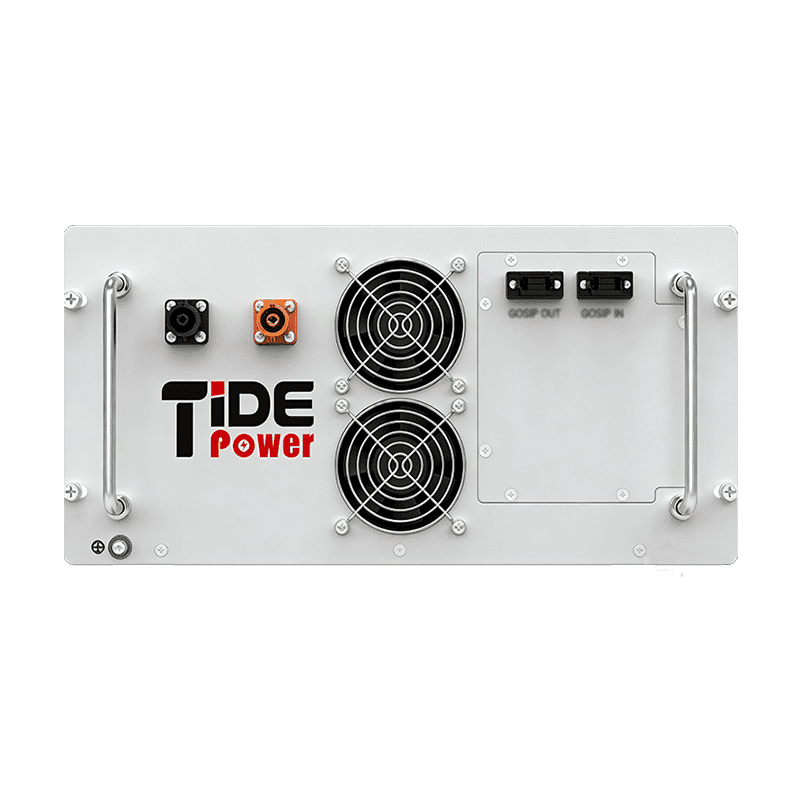
Installation expenses encompass labor, permitting, engineering design, and grid connection fees. Higher quality components often come with greater upfront cost, but they typically offer superior efficiency, longer lifespans, and reduced maintenance requirements. This leads to lower lifecycle costs. Selecting reliable, high-performance components is fundamental to achieving the long-term economic benefits expected from a solar microgrid.
Building a Financial Model That Reflects Real-World Performance
Robust financial modeling is critical for evaluating solar microgrid project costs and demonstrating economic viability. This involves projecting return on investment, calculating payback period, and conducting comprehensive lifecycle cost analysis. These metrics help stakeholders understand long-term financial benefits beyond initial capital expenditure.
A lifecycle cost analysis considers upfront costs alongside ongoing operational expenses such as maintenance, insurance, and potential component replacements, as well as projected energy savings and revenue streams. One project for a remote industrial facility initially appeared expensive based on capital costs alone. Detailed financial modeling demonstrated that resilience benefits, combined with significant reductions in diesel fuel consumption and grid electricity purchases, resulted in a payback period under seven years. A sensitivity study for energy price fluctuations was instrumental in securing project approval.
What is the average cost per kWh for a solar microgrid?
The average cost per kilowatt-hour for a solar microgrid varies based on system size, location, and specific components. It typically ranges from $0.15 to $0.40 per kWh when considering both capital and operational expenses over the system’s lifespan. This figure is influenced by solar panel costs, battery storage costs, installation expenses, local electricity prices, and available incentives.
How long does it take for a solar microgrid to pay for itself?
Payback periods for solar microgrids range from 5 to 15 years depending on initial investment, local electricity rates, available financial incentives, and operational efficiency. Higher energy savings and robust incentives can significantly shorten the payback period.
Which Incentives and Financing Options Reduce Effective Costs
Accessing available incentives and understanding project financing mechanisms can significantly reduce effective solar microgrid project costs. Governments and utility providers offer financial incentives including tax credits, grants, rebates, and accelerated depreciation schedules to encourage renewable energy adoption. These programs can offset a substantial portion of upfront investment.
Investment tax credits reduce tax liability for a percentage of system cost, while production tax credits offer incentives based on electricity generated. Understanding specific eligibility criteria and application processes is necessary for capturing these benefits. Project financing options include traditional bank loans, power purchase agreements, specialized green bonds, and public-private partnerships. A power purchase agreement allows an organization to purchase electricity generated by a third-party-owned microgrid at a predetermined rate, avoiding upfront capital expense entirely. 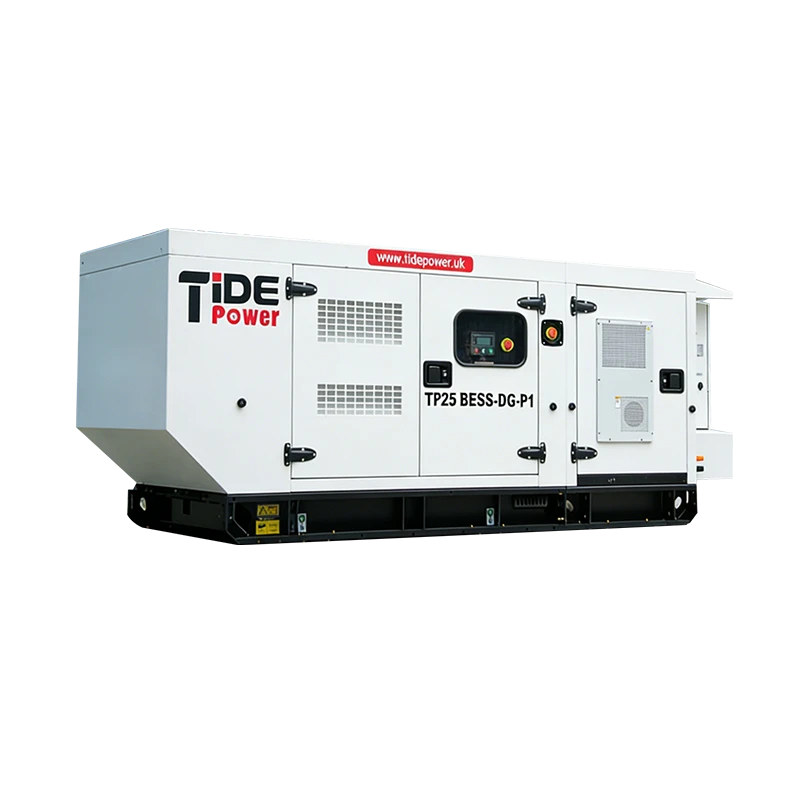
| Financing Mechanism | Description | Key Benefit |
|---|---|---|
| Investment Tax Credit | Direct tax reduction based on system cost | Reduces upfront capital outflow |
| Government Grants | Non-repayable funds for specific projects | Directly lowers project cost |
| Power Purchase Agreement | Third-party ownership, customer buys electricity | Eliminates capital expenditure for the customer |
| Green Bonds | Debt instruments for environmental projects | Access to specialized, often lower-cost capital |
| Accelerated Depreciation | Faster write-off of asset value for tax purposes | Improves cash flow through tax savings |
Are there government grants available for microgrid projects?
Government grants are frequently available for microgrid projects, particularly those enhancing community resilience, supporting critical infrastructure, or serving remote areas. These grants often target specific objectives like disaster preparedness, energy security, or decarbonization efforts. Identifying and securing these grants requires careful research and adherence to detailed application guidelines.
Where Strategic Decisions Lower Lifecycle Costs
Strategic cost reduction measures and focus on long-term value are central to optimizing solar microgrid project costs. This involves smart procurement alongside diligent operation and maintenance planning. Effective O&M strategies, including predictive maintenance and regular inspections, extend component lifespan and ensure peak performance, maximizing energy generation while minimizing unexpected repair costs.
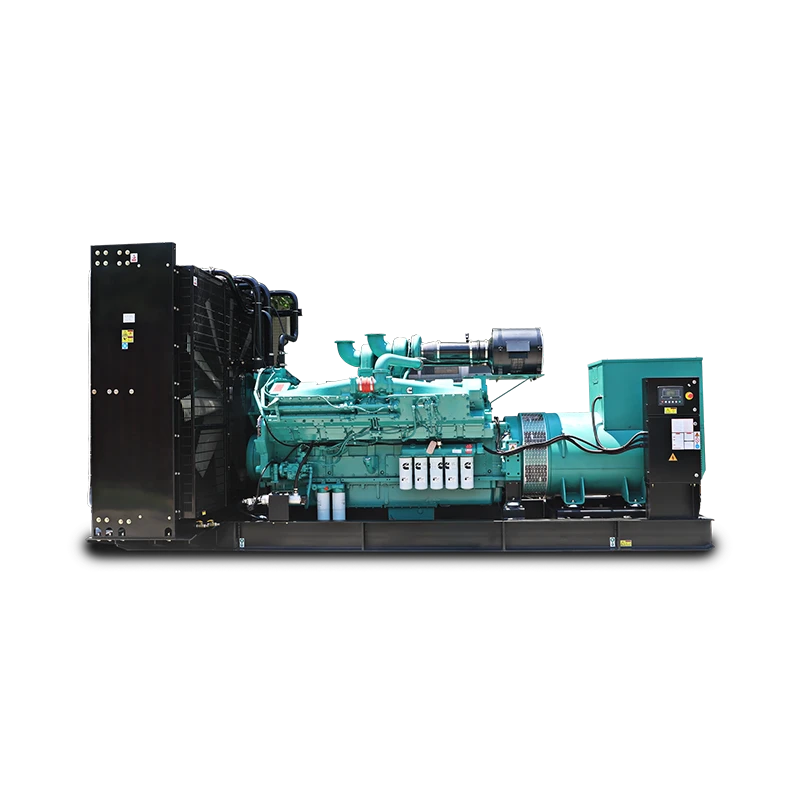
Scalability considerations matter as well. Designing a microgrid with flexibility to expand allows for incremental investments as energy demands grow or as new technologies become available. This avoids costly over-sizing initially and provides a pathway for future upgrades without complete system overhaul. Resilience benefits such as uninterrupted power during grid outages represent significant long-term value, protecting operations and ensuring energy security. Hybrid power systems that integrate solar, battery storage, and diesel generators offer millisecond-level seamless switching and intelligent energy management, minimizing reliance on external grids and mitigating the financial impact of power disruptions. 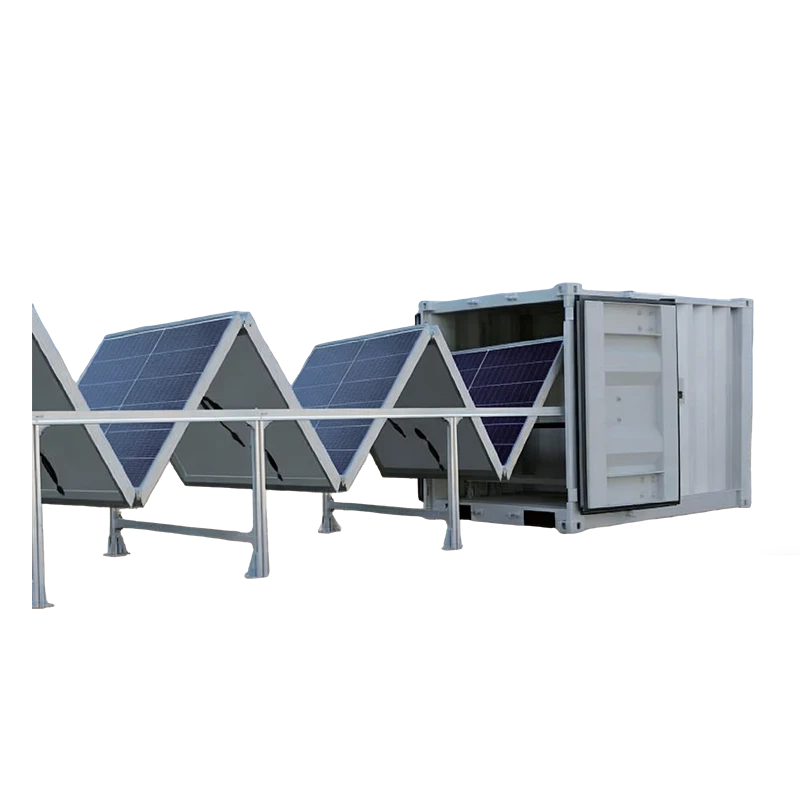
If your project involves complex load profiles or multiple generation sources, discussing system architecture with an experienced integrator before finalizing specifications is worthwhile.
FAQ
What are the most significant upfront costs for a solar microgrid project?
The most significant upfront costs typically include solar panel procurement, energy storage systems, and installation expenses. These components form the bulk of initial investment and influence overall project financing structure. High-capacity battery systems often represent a substantial portion of this initial capital outlay.
How do operational expenses affect the long-term viability of a microgrid?
Operational expenses including routine maintenance and potential component replacements are critical for long-term viability. Efficient O&M strategies can significantly extend system lifespan and improve overall return on investment. Neglecting O&M can lead to premature component failure and higher unexpected costs.
Can a solar microgrid truly provide energy independence and cost savings?
A well-designed solar microgrid can provide substantial energy independence by reducing reliance on the main grid. Over its lifecycle, it often leads to significant cost savings through reduced utility bills and protection against rising energy prices. This independence mitigates risks from grid instability.
What role does system scalability play in future cost management?
System scalability allows for incremental expansion to meet growing energy demands without complete overhaul. Planning for scalability from the outset helps optimize future investment and avoid costly retrofits. To discuss requirements for a scalable system design, contact Tide Power Technology at [email protected] or +86 591 2806 8999.
If you’re interested, check out these related articles:
Tide Power Successfully Concludes Product Showcase in Nigeria, Highlighting Comprehensive Energy Solutions
Summer Maintenance Guide for Gas Power Generators: Ensuring Peak Performance in Extreme Weather
GPOWER2023 officially comes to an end, Tide Power looks forward to seeing you again!