 ES
ES EN
EN ZH
ZH FR
FR AR
ARCuando se busca un sistema de almacenamiento de energía en contenedor para un proyecto energético internacional, la diferencia entre una hoja de datos estándar y un sistema completamente operativo y listo para el sitio puede ser enorme. La mayoría de la literatura técnica cubre la química de la batería y la eficiencia de ida y vuelta, pero el verdadero desafío para los gerentes de compras radica en traducir los requisitos de potencia específicos del proyecto, las condiciones ambientales y las normas regulatorias en un pedido claro que un proveedor pueda entregar sin órdenes de cambio costosas posteriormente. Habiendo guiado proyectos de infraestructura energética global durante más de una década, he aprendido que los pedidos más exitosos no comienzan con las especificaciones técnicas, sino con una definición clara del perfil operativo del proyecto y un proveedor capaz de personalizar el sistema en consecuencia.
Componentes del Sistema de Almacenamiento de Energía en Contenedor y Requisitos del Proyecto
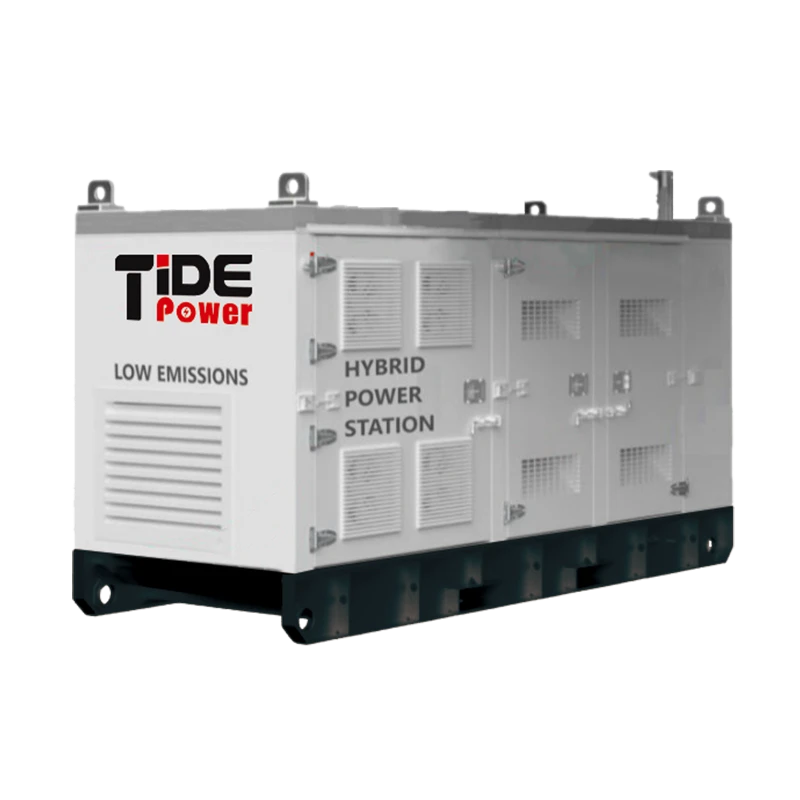
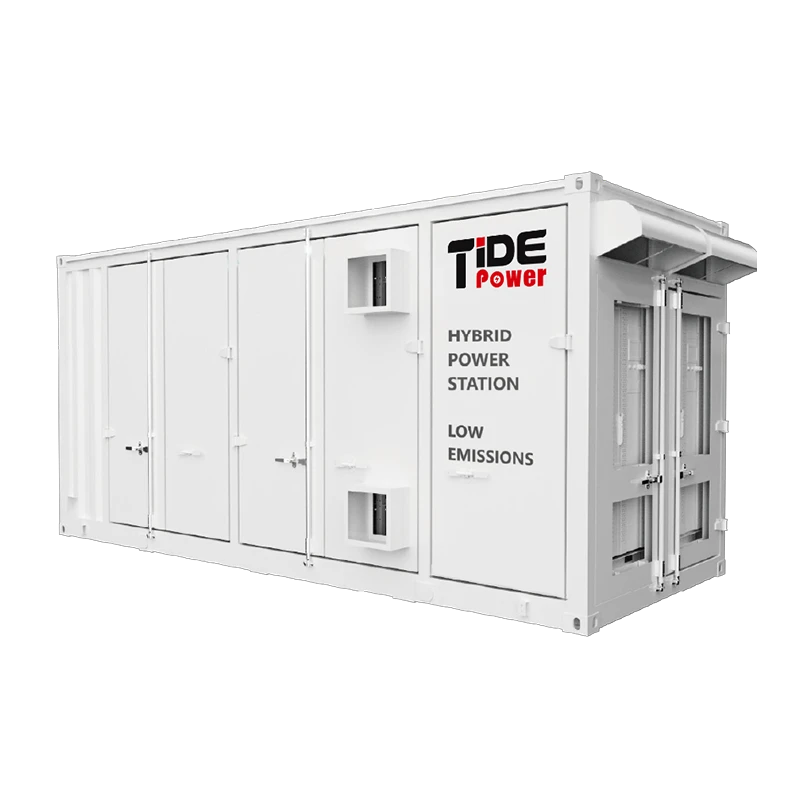
Al comenzar a planificar la adquisición de un BESS en contenedor, separar los bloques de construcción esenciales de los complementos opcionales evita una reconfiguración costosa posteriormente. Un sistema estándar integra varios conjuntos principales dentro de una estructura de contenedor de envío resistente a las condiciones climáticas: módulos de batería de fosfato de hierro y litio (LFP) para el núcleo de almacenamiento de energía, un sistema de gestión de baterías (BMS) para regular la carga y descarga dentro de límites seguros, un sistema de conversión de energía (PCS) que maneja la conversión de corriente continua a corriente alterna y la sincronización con la red, una unidad de gestión térmica para mantener las celdas de la batería dentro de su rango de temperatura óptimo, y equipos de detección y supresión de incendios como una capa de seguridad integrada. La cartera de Tide Power de sistemas de almacenamiento en contenedor incluye los modelos TP-50BESS, TP-100BESS, TP-200BESS y TP-261BESS, cada uno construido con química LFP y diseñado para un despliegue escalable. En aplicaciones híbridas, estas unidades BESS pueden combinarse con generadores diésel de las series Fenova Plus, Econic o Hemera, y entradas solares, a través de las estaciones de energía híbridas TP-25P a TP-250P para una microred completamente integrada.
Antes de que un proveedor pueda entregar una propuesta precisa, será necesario definir el perfil de carga del proyecto, la duración de autonomía deseada, las condiciones ambientales y cualquier requisito de interconexión con la red. La brecha de especificación más común que veo con los equipos de adquisición internacionales se sitúa entre la carga media estimada y la demanda máxima que el sistema debe soportar durante nubosidad, arranque de generadores o inestabilidad de la red. Defina lo siguiente: potencia máxima continua (kW), potencia pico y duración, capacidad de energía útil requerida (kWh), objetivo de profundidad de descarga para preservar la vida útil del ciclo, rango de temperatura ambiente en el sitio de instalación, y si el sistema operará en modo conectado a la red, fuera de la red o híbrido. Si el sitio es una estación base de telecomunicaciones en una zona remota, el sistema también puede necesitar incluir una salida de corriente continua para el suministro directo de equipos de telecomunicaciones y una interfaz de señal de arranque del generador.
| Factor de Especificación | Por qué es importante |
|---|---|
| Carga pico vs. carga continua | Tamaños de clasificación del PCS y capacidad de descarga de la batería |
| Tiempo de autonomía | Determina el almacenamiento total en kWh y la posible integración del generador |
| Extremos de temperatura ambiente | Impulsa el diseño de gestión térmica (enfriamiento por aire vs. enfriamiento líquido) |
| Requisitos del código de red y exportación | Afecta la certificación de conexión a la red del PCS y los ajustes de protección |
| Límites de espacio físico y peso | Restringe la huella del contenedor y la configuración del bastidor de la batería |
Personalización para necesidades específicas del sitio
Un sistema de almacenamiento de energía en contenedor rara vez se ajusta a una única receta estándar. El entorno, el ciclo de duty, la facilidad de transporte y la integración con activos existentes empujan el diseño hacia la personalización. Enfoque de ingeniería de Tide Power apoyoes una configuración modular donde puede especificar un formato de contenedor de 10 pies, 20 pies o 40 pies; elegir entre gestión térmica enfriada por aire o líquido dependiendo de la temperatura ambiente y la tasa de carga-descarga; integrar una interfaz de generador pre-cableada para que el BMS pueda ordenar al generador que inicie y detenga según el estado de carga de la batería; agregar un paquete de monitoreo y diagnóstico remoto que envíe datos operativos a su sala de control central vía 4G o Ethernet; y especificar la tecnología de supresión de incendios y la protección contra ingreso en la carcasa para cumplir con los códigos de seguridad locales.
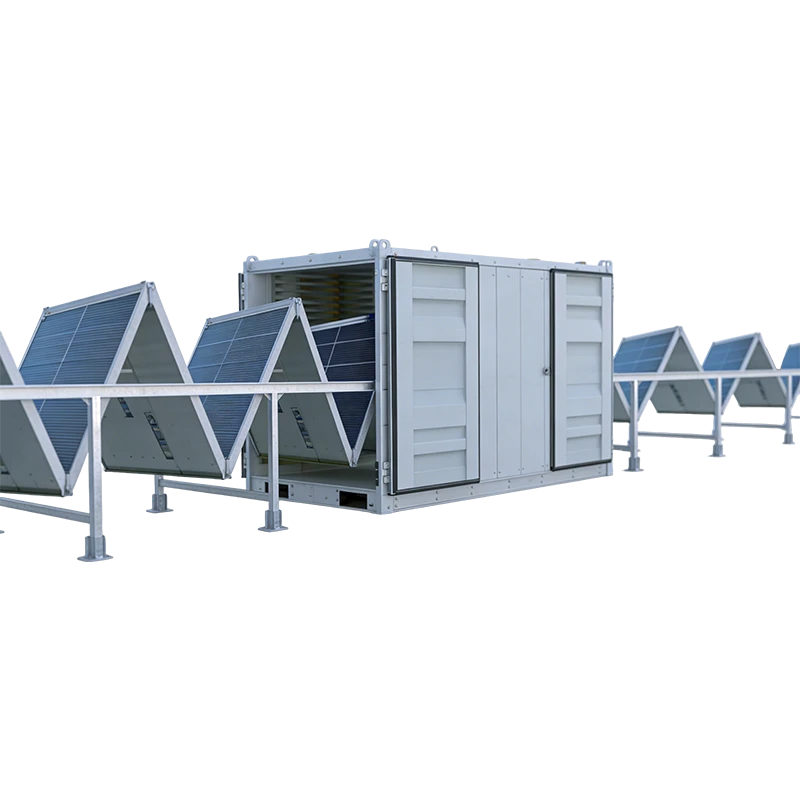
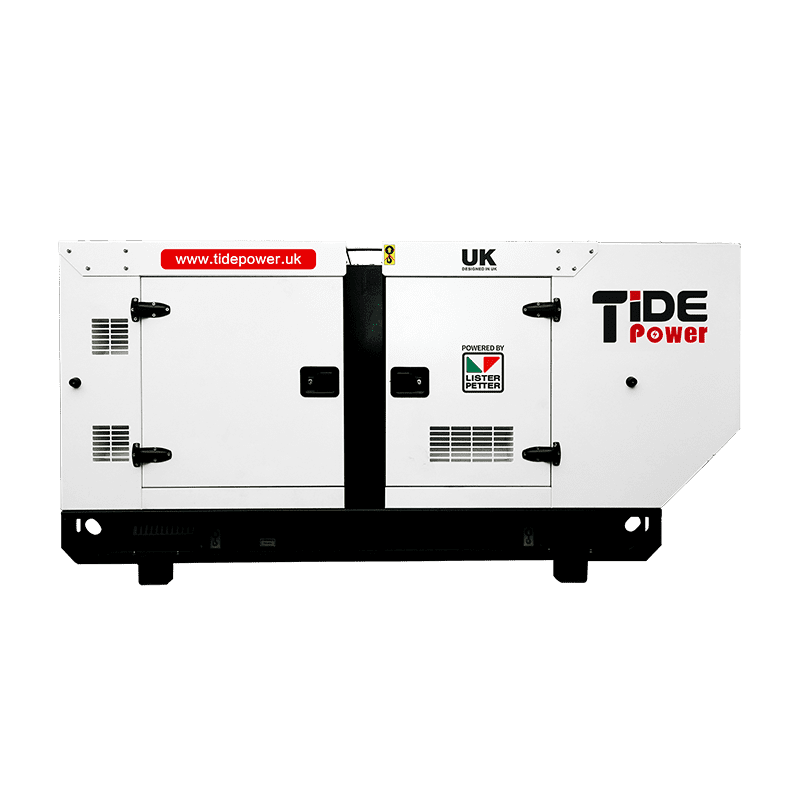
Si su sitio ya cuenta con una flota existente de generadores diésel, una configuración híbrida complementaria puede reducir el consumo de combustible y las horas de mantenimiento, al tiempo que mantiene la fiabilidad de la energía. En tales casos, a menudo configuramos el BESS y el generador para compartir la carga en un orden de prioridad establecido por el sistema de gestión del edificio, con el BESS manejando transitorios de corta duración y el generador cubriendo cargas altas sostenidas. Las estaciones de energía híbridas todo en uno TP-125P y TP-250P están pre-diseñadas exactamente para esta integración solar-almacenamiento-generador, lo que acorta significativamente el tiempo de puesta en marcha in situ en comparación con el ensamblaje de componentes separados.
Si sus instalaciones implican niveles de voltaje no estándar, anclaje específico para zonas sísmicas o integración con un sistema SCADA existente, vale la pena confirmar la especificación de la interfaz con nuestro equipo de ingeniería antes de finalizar el diseño. Póngase en contacto con nuestro grupo de aplicaciones en [email protected] con una breve descripción de los activos existentes, y confirmaremos la compatibilidad en la etapa de propuesta.
El Proceso de Adquisición desde la Consulta hasta la Puesta en Marcha
La adquisición de un sistema de almacenamiento de energía contenedorizado a través de fronteras implica más que una orden de compra. Los pasos a continuación reflejan el flujo típico que seguimos con clientes internacionales para mantener el cronograma predecible y la conformidad técnica verificable.
Consulta Inicial y Revisión de Requisitos
Usted comparte el perfil de carga, las condiciones del sitio, las normas aplicables y la ventana de entrega objetivo. Nuestros ingenieros de aplicaciones verifican los requisitos frente a la plataforma de producto seleccionada e identifican cualquier brecha que requiera ingeniería personalizada.Propuesta Técnica y Cotización
Entregamos un diagrama unifilar, un plano de distribución del contenedor y una matriz de cumplimiento detallada. La cotización incluye el hardware del BESS, el equipo integrado, el alcance de las pruebas FAT, el embalaje y los incoterms para el transporte marítimo.Congelación del Diseño y Fabricación
Una vez aprobados los envíos técnicos y con el depósito en su lugar, el sistema entra en la etapa de lista de materiales de ingeniería. El tiempo de fabricación típico varía de 10 a 16 semanas, dependiendo de la complejidad del contenedor y la capacidad del BESS, pero siempre confirmamos un cronograma firme en la reunión de congelación del diseño.Pruebas de Aceptación en Fábrica (FAT)
Antes del envío, el BESS completado se somete a validación de capacidad, ciclos de carga-descarga a potencia nominal, simulación de alarmas del BMS, rendimiento térmico bajo carga y verificación de la función de conexión a red. Se invita a los clientes a presenciar la FAT a través de una transmisión de video remota o una visita in situ en nuestras instalaciones de Fujian.Envío, Entrega y Puesta en Marcha in Situ
El sistema se envía como una unidad de contenedor pre-ensamblada. Después de la descarga, nuestro ingeniero de puesta en marcha, o un equipo socio local, gestiona la conexión eléctrica, la configuración de la comunicación y las pruebas operativas. También hay soporte de puesta en marcha remota disponible para sistemas más pequeños donde el despliegue in situ no es factible.
A lo largo de este proceso, la comunicación constante con el gestor de proyectos del proveedor mantiene el cronograma visible y ayuda a abordar cualquier pregunta regulatoria de último minuto. He visto proyectos perder de cuatro a seis semanas porque la autoridad de seguridad eléctrica del país importador requirió una certificación local específica que nadie señaló durante la fase de cotización; ahora mantenemos una lista de verificación de requisitos de cumplimiento regionales para evitar esa trampa.
El Camino Hacia Su Propuesta Personalizada
La adquisición de un sistema de almacenamiento de energía contenedorizado que necesita funcionar de manera fiable en un campamento remoto, minería dar soporte a una red de telecomunicaciones o compensar el consumo de diésel en una microrred exige un proveedor que trate el proyecto como una solución de ingeniería en lugar de un artículo de catálogo. Tide Power trabaja a partir de su perfil operativo hasta una configuración unifilar, por lo que la propuesta que reciba coincidirá con la realidad del sitio desde el primer día. Si se encuentra en la etapa inicial de definición de parámetros del sistema o tiene una especificación de licitación pendiente, podemos proporcionar una revisión técnica preliminar y un presupuesto estimado. Comparta sus datos de carga, coordenadas del sitio y objetivos de rendimiento con nuestros especialistas en almacenamiento de energía en [email protected] o llame al +86 591 2806 8999, y le entregaremos una propuesta de configuración que se alinee con el cronograma de su proyecto y los requisitos de cumplimiento.
Preguntas Frecuentes Sobre Sistemas de Almacenamiento de Energía Contenerizados
¿A qué química de batería recurre Tide Power y por qué?
Estandarizamos la química de fosfato de hierro y litio (LFP) en todos los productos de BESS en contenedor. La LFP ofrece una mejor estabilidad térmica que las alternativas NMC o NCA, lo que reduce el riesgo de sobrecalentamiento y simplifica el diseño de supresión de incendios. Además, las celdas de LFP proporcionan una vida útil más larga en ciclos bajo un uso diario de carga y descarga, lo que las hace adecuadas para aplicaciones industriales y de telecomunicaciones donde la fiabilidad y el coste total de propiedad superan la ligera penalización en densidad de energía.
¿Cuánto tiempo puede el sistema de almacenamiento en contenedor proporcionar energía de respaldo sin recargar?
La duración de la autonomía está determinada completamente por la capacidad de energía almacenada y la carga del sitio. Un TP‑50BESS podría suministrar 20 kW durante aproximadamente dos horas, mientras que un TP‑261BESS dimensionado para una carga más ligera podría mantener en funcionamiento el equipo crítico durante toda la noche. Cuando se requiere una autonomía más prolongada, normalmente añadimos una interfaz de generador diésel para que el BMS pueda poner en marcha el generador cuando la batería se acerque a un nivel de descarga predefinido, creando un sistema híbrido que equilibra el consumo de combustible y el ciclo de la batería.
¿Se puede instalar el sistema al aire libre sin protección adicional?
Sí. La carcasa en contenedor está diseñada para instalación exterior en una amplia variedad de climas. La configuración estándar incluye una carcasa con clasificación IP54, pintura resistente a la corrosión y un circuito de gestión térmica integrado que mantiene la temperatura interna independientemente de las condiciones externas. Para lugares con humedad extrema, exposición a sal marina o arena, ofrecemos paquetes mejorados de sellado, filtración y recubrimiento durante la fase de personalización.
¿Qué certificaciones poseen sus unidades BESS en contenedor?
La fábrica de fabricación de Tide Power está certificada según ISO 9001, ISO 14001 y ISO 45001, y los productos BESS se prueban según los requisitos CE. Cuando se requiere una certificación regional específica, gestionamos las pruebas adicionales como parte del alcance de ingeniería del proyecto e incluimos el impacto en el cronograma en la propuesta inicial.
¿Qué infraestructura de soporte postventa mantienes a nivel internacional?
Apoyamos los sistemas instalados mediante una combinación de soporte técnico directo en fábrica, depósitos regionales de repuestos y personal capacitado distribuidor redes en mercados clave a lo largo de Asia, África, América Latina y Oceanía. Estándar garantía Los términos cubren la batería y la electrónica de potencia durante un período base que comienza en la fecha de puesta en marcha, con opciones de garantía extendida disponibles durante la etapa de pedido. Si la ubicación de su proyecto se encuentra en una región donde ya contamos con capacidad de servicio local, normalmente podemos ofrecer un tiempo de respuesta en el sitio de 48 horas. Para áreas fuera de las redes existentes, estructuramos un plan de diagnóstico remoto y soporte de piezas de repuesto que mantiene el sistema en funcionamiento mientras un técnico local realiza intervenciones físicas. Si su sitio requiere un acuerdo de nivel de servicio específico o necesita confirmar la disponibilidad de piezas de repuesto para una licitación urgente, envíe sus requisitos a [email protected] y le propondremos un paquete de soporte que se ajuste a su exposición operativa.
Si estás interesado, consulta estos artículos relacionados:
La energía de Tide brilla con nuevos productos en la Expo Internacional de Madrid
Una nueva era de energía móvil: Tide Power presenta un contenedor solar plegable que revoluciona el mercado
Mantenimiento de generadores para condiciones secas y polvorientas: Garantizando la fiabilidad a través de los cambios estacionales
La Solución de Energía Híbrida de Tide Power roba protagonismo en la Feria de Cantón