 EN
EN ZH
ZH FR
FR ES
ES AR
ARWhen sourcing a containerized energy storage system for an international energy project, the gap between a standard data sheet and a fully operational, site-ready system can be vast. Most technical literature covers battery chemistry and round-trip efficiency, but the real challenge for procurement managers lies in translating project-specific power requirements, environmental conditions, and regulatory standards into a clear order that a supplier can deliver without costly change orders later. Having guided global energy infrastructure projects for over a decade, I have learned that the most successful orders start not with the technical specifications, but with a clear definition of the project’s operational profile and a supplier capable of customizing the system accordingly.
Containerized Energy Storage System Components and Project Requirements
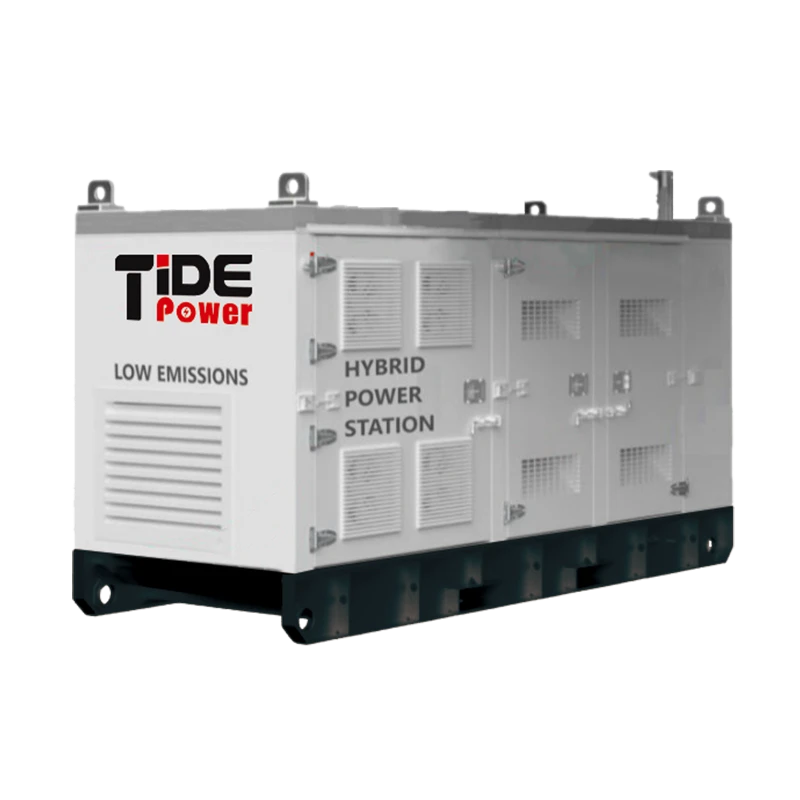
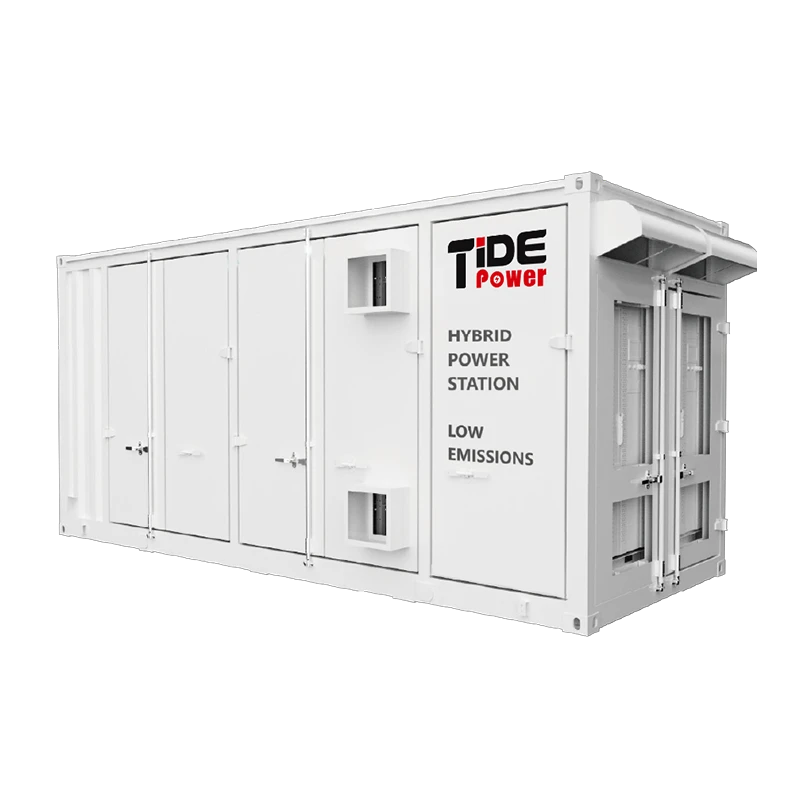
When you begin planning a containerized BESS procurement, separating the essential building blocks from the optional add-ons prevents costly reconfiguration later. A standard system integrates several core assemblies inside a weatherproof shipping container structure: lithium iron phosphate (LFP) battery modules for the energy storage core, a battery management system (BMS) to regulate charge and discharge within safe boundaries, a power conversion system (PCS) handling DC-to-AC conversion and grid synchronization, a thermal management unit to keep the battery cells within their optimal temperature range, and fire detection and suppression equipment as an integrated safety layer. Tide Power’s containerized portfolio includes the TP-50BESS, TP-100BESS, TP-200BESS, and TP-261BESS models, each built on LFP chemistry and designed for scalable deployment. In hybrid applications these BESS units can combine with diesel generators from the Fenova Plus, Econic, or Hemera series, and solar inputs, through the TP-25P to TP-250P hybrid power stations for a fully integrated microgrid.
Before a supplier can deliver an accurate proposal, you will need to pin down the project’s load profile, desired autonomy duration, environmental conditions, and any grid interconnection requirements. The most common specification gap I see with international procurement teams sits between the estimated average load and the peak demand that the system must ride through during cloud cover, generator start-up, or grid instability. Define the following: maximum continuous power (kW), peak power and duration, required usable energy capacity (kWh), depth of discharge target to preserve cycle life, ambient temperature range at the installation site, and whether the system will operate in grid-connected, off-grid, or hybrid mode. If the site is a telecommunication base station in a remote area, the system may also need to include a DC output for direct telecom equipment supply and a generator start signal interface.
| Specification Factor | Why It Matters |
|---|---|
| Peak vs. continuous load | Sizes PCS rating and battery discharge capability |
| Autonomy time | Determines total kWh storage and possible generator integration |
| Ambient temperature extremes | Drives thermal management design (air-cooled vs. liquid-cooled) |
| Grid code and export requirements | Affects PCS grid-tie certification and protection settings |
| Physical space and weight limits | Constrains container footprint and battery racking configuration |
Customization for Site-Specific Needs
A containerized energy storage system rarely fits a single standard recipe. Environment, duty cycle, ease of transport, and integration with existing assets all push the design toward customization. Tide Power’s engineering approach supports a modular configuration where you can specify a 10‑foot, 20‑foot, or 40‑foot container format; choose between air‑cooled and liquid‑cooled thermal management depending on ambient temperature and charge‑discharge rate; integrate a pre‑wired generator interface so the BMS can command the genset to start and stop based on battery state‑of‑charge; add a remote monitoring and diagnostics package that feeds operational data back to your central control room via 4G or Ethernet; and specify fire suppression technology and enclosure ingress protection to match local safety codes.
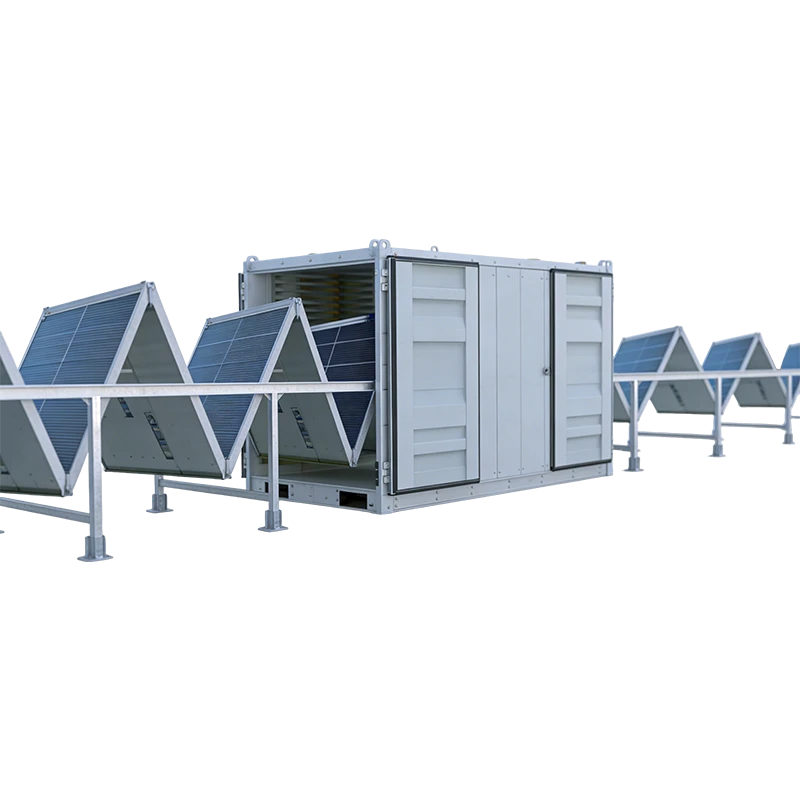
If your site already has an existing diesel generator fleet, a hybrid add‑on configuration can reduce fuel consumption and maintenance hours while maintaining power reliability. In such cases we often configure the BESS and the generator to share the load in a priority order set by the building management system, with the BESS handling short‑duration transients and the generator covering sustained high loads. The all‑in‑one TP‑125P and TP‑250P hybrid power stations are pre‑engineered for exactly this solar‑storage‑genset integration, which significantly shortens on‑site commissioning time compared to assembling separate components.
If your facility involves non‑standard voltage levels, seismic‑zone‑specific anchoring, or integration with an existing SCADA system, it is worth confirming the interface specification with our engineering team before freezing the design. Reach our applications group at [email protected] with a brief description of the existing assets, and we will confirm compatibility in the proposal stage.
The Procurement Process from Inquiry to Commissioning
Procuring a containerized energy storage system across borders involves more than a purchase order. The steps below reflect the typical flow we follow with international clients to keep the timeline predictable and the technical compliance verifiable.
Initial Consultation and Requirement Review
You share the load profile, site conditions, applicable standards, and target delivery window. Our application engineers cross‑check the requirements against the selected product platform and identify any gaps that would need custom engineering.Technical Proposal and Quotation
We deliver a single‑line diagram, container layout drawing, and a detailed compliance matrix. The quotation includes the BESS hardware, integrated equipment, FAT testing scope, packaging, and incoterms for ocean freight.Design Freeze and Manufacturing
Once technical submittals are approved and a deposit is in place, the system enters the engineering bill‑of‑materials stage. Typical manufacturing lead time ranges from 10 to 16 weeks depending on the container complexity and BESS capacity, but we always confirm a firm schedule at the design‑freeze meeting.Factory Acceptance Testing (FAT)
Before shipment the completed BESS undergoes capacity validation, charge‑discharge cycling at rated power, BMS alarm simulation, thermal performance under load, and grid‑tie function verification. Clients are invited to witness FAT via remote video feed or an on‑site visit at our Fujian facility.Shipping, Delivery, and On‑Site Commissioning
The system ships as a pre‑assembled container unit. After offloading, our commissioning engineer — or a local partner team — manages the electrical connection, communication setup, and operational testing. Remote commissioning support is also available for smaller systems where on‑site deployment is not feasible.
Throughout this process, consistent communication with the supplier’s project manager keeps the timeline visible and helps address any last‑minute regulatory questions. I have seen projects lose four to six weeks because the importing country’s electrical safety authority required a specific local certification that nobody flagged during the quotation phase; we now maintain a checklist of regional compliance requirements to avoid that trap.
The Path to Your Tailored Proposal
Sourcing a containerized energy storage system that needs to perform reliably in a remote mining camp, support a telecom backbone, or offset diesel consumption in a microgrid demands a supplier who treats the project as an engineered solution rather than a catalogue item. Tide Power works from your operational profile to a single‑line configuration, so the proposal you receive matches the site reality from day one. If you are in the early stage of defining system parameters or have a pending tender specification, we can provide a preliminary technical review and estimated budget. Share your load data, site coordinates, and performance targets with our energy storage specialists at [email protected] or call +86 591 2806 8999, and we will deliver a configuration proposal that aligns with your project timeline and compliance requirements.
Common Questions About Containerized Energy Storage Systems
What battery chemistry does Tide Power use and why?
We standardize on lithium iron phosphate (LFP) chemistry across all containerized BESS products. LFP offers better thermal stability than NMC or NCA alternatives, which reduces the risk of thermal runaway and simplifies the fire suppression design. Additionally, LFP cells deliver longer cycle life under daily charge‑discharge duty, making them well‑suited for industrial and telecom applications where reliability and total cost of ownership outweigh the slight penalty in energy density.
How long can the containerized storage system provide backup power without recharging?
The autonomy duration is determined entirely by the stored energy capacity and the site’s load. A TP‑50BESS might supply 20 kW for roughly two hours, while a TP‑261BESS sized for a lighter load could sustain critical equipment overnight. When longer autonomy is required, we commonly add a diesel generator interface so the BMS can start the genset as the battery approaches a pre‑determined depth of discharge, creating a hybrid system that balances fuel consumption and battery cycling.
Can the system be installed outdoors without additional shelter?
Yes. The containerized enclosure is engineered for outdoor installation in a wide range of climates. The standard configuration includes an IP54‑rated enclosure, corrosion‑resistant paint, and an integrated thermal management loop that maintains internal temperature regardless of external conditions. For sites with extreme humidity, marine salt exposure, or sand, we offer upgraded sealing, filtration, and coating packages during the customization phase.
What certifications do your containerized BESS units carry?
Tide Power’s manufacturing facility is certified to ISO 9001, ISO 14001, and ISO 45001, and the BESS products are tested to CE requirements. Where specific regional certification is needed, we manage the additional testing as part of the project engineering scope and include the timeline impact in the initial proposal.
What after‑sales support infrastructure do you maintain internationally?
We support installed systems through a combination of direct‑factory technical support, regional spare‑parts depots, and trained distributor networks in key markets across Asia, Africa, Latin America, and Oceania. Standard warranty terms cover the battery and power electronics for a base period that begins at the commissioning date, with extended warranty options available during the order stage. If your project location is in a region where we already have local service capability, we can typically provide a 48‑hour on‑site response time. For areas outside existing networks, we structure a remote diagnostic and spare‑parts support plan that keeps the system running while a locally‑sourced technician performs physical interventions. If your site demands a specific service‑level agreement or you need to confirm spare‑parts availability for an urgent tender, send your requirements to [email protected] and we will propose a support package that matches your operational exposure.
If you’re interested, check out these related articles:
?Tide Power shines with new products at the Jakarta International Expo
A New Era of Mobile Power: Tide Power Unveils Game-Changing Foldable Solar Container
Generator Maintenance for Dry and Dusty Conditions: Ensuring Reliability Through Seasonal Changes
Tide Power’s Hybrid Power Solution Steals the Show at Canton Fair