 ES
ES EN
EN ZH
ZH FR
FR AR
ARCuando se busca un generador de alta tensión para uso industrial, los números en una hoja de especificaciones solo cuentan la mitad de la historia. Las decisiones sobre la clase de voltaje, el soporte del fabricante y la planificación del ciclo de vida tienen un impacto directo en el tiempo de actividad de su planta y en su presupuesto operativo. Basándome en una década de trabajo con generación de energía proyectos en múltiples continentes, he visto cómo un proceso de selección bien estructurado separa las instalaciones que funcionan sin problemas de aquellas que enfrentan retrasos, fallos de integración y costos ocultos.
Lo que sigue es una guía práctica de los criterios que más importan—desde los requisitos de voltaje y las especificaciones principales hasta la evaluación de proveedores y el costo total de propiedad—para que los ingenieros de compras y los gerentes de planta puedan tomar decisiones respaldadas por la experiencia en campo, no solo por hojas de datos.
Comprender los requisitos de los generadores de alta tensión para plantas industriales
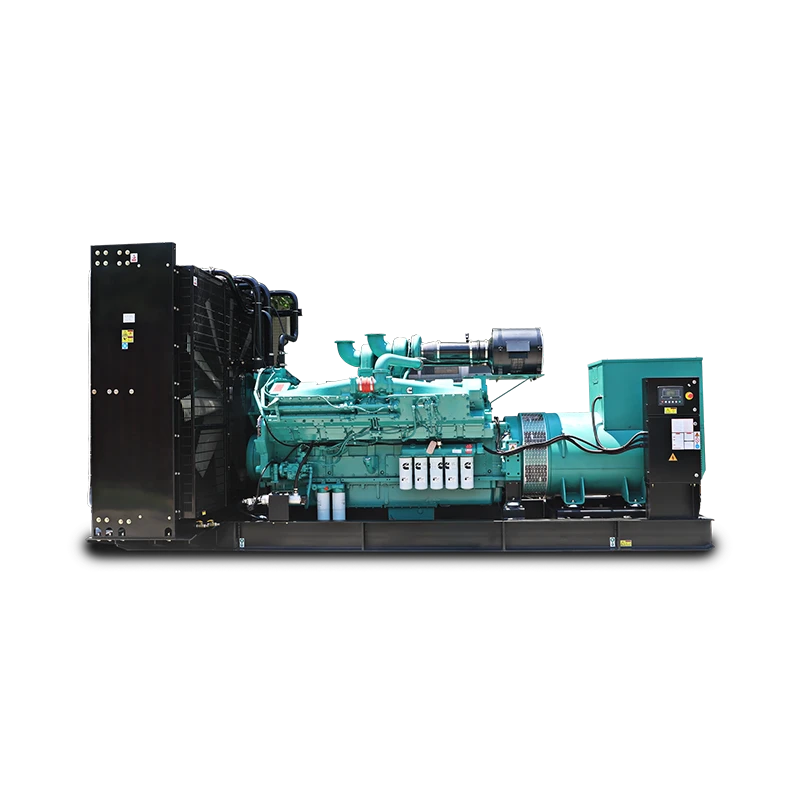
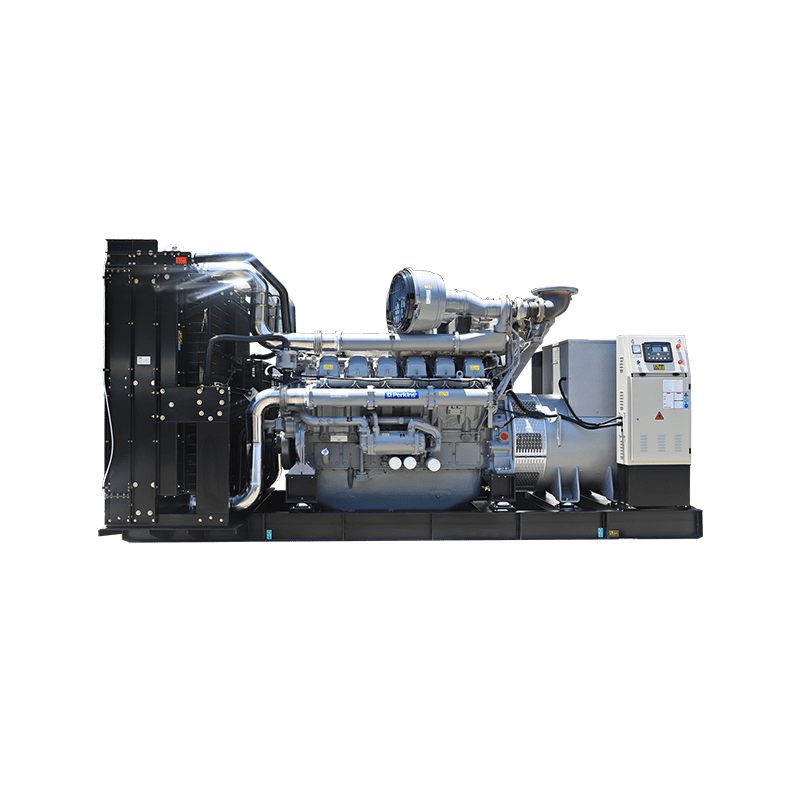
La alta tensión en el contexto de generadores industriales generalmente se refiere a voltajes de salida superiores a 1.000 V. Los niveles industriales más comunes son 3,3 kV, 6,6 kV y 11 kV, cada uno adecuado para diferentes arquitecturas de planta y distancias de carga. Estos generadores no son una actualización de tamaño único desde una unidad de baja tensión; están diseñados para casos de uso específicos donde la energía debe recorrer largas distancias o alimentarse directamente a un interruptor de media tensión.
Las industrias que dependen en gran medida de conjuntos de generadores de alta tensión incluyen minería operaciones, instalaciones de fabricación pesada, instalaciones de petróleo y gas, y plantas de procesamiento a gran escala. En estos entornos, hacer funcionar grandes motores, trituradoras o hornos de inducción a 480 V requeriría cables sobredimensionados y una caída de tensión excesiva. Al elevar la generación a un voltaje más alto, se reduce la corriente, el tamaño del conductor y las pérdidas.
La norma IEC 60034-1 define clases de aislamiento y límites de aumento de temperatura para estas máquinas, generalmente requiriendo aislamiento de Clase F o H para un funcionamiento confiable en continuo. Al planificar sus requisitos, el punto de partida siempre es un análisis claro de carga y una decisión sobre si el generador operará como fuente principal, de respaldo o en modo continuo.
¿Qué voltaje se considera alta tensión para generadores industriales?
Cualquier generador con un voltaje de salida nominal superior a 1.000 V se clasifica como alta tensión (HV) según IEC 60038. Las clasificaciones industriales típicas son 3,3 kV, 6,6 kV y 11 kV, con algunas unidades más grandes alcanzando 13,8 kV. La selección depende del voltaje de distribución existente en la planta y de la distancia entre el generador y el interruptor principal.
¿Cuáles son los principales sectores industriales que requieren generadores de alta tensión?
La mayor demanda proviene de minería subterránea y a cielo abierto, acerías, plantas químicas, estaciones de compresores grandes y plataformas offshore. Cualquier instalación donde múltiples motores de gran potencia operen simultáneamente o donde el sitio abarque una gran superficie se beneficia de distribuir la energía a voltajes más altos para evitar pérdidas excesivas en las líneas.
Especificaciones clave a evaluar en un generador de alta tensión
Una vez que conoce el nivel de voltaje y el perfil de carga, el siguiente paso es ponderar los atributos técnicos que determinan la fiabilidad a largo plazo. Una máquina de alta tensión debe soportar esfuerzos eléctricos que van mucho más allá de los de un generador industrial estándar, por lo que la atención al detalle en la etapa de especificación compensa cada año de operación.
La clase de aislamiento es fundamental. Para aplicaciones de alta tensión, debe considerarse al menos Clase F (155°C de aumento de temperatura), con muchos ingenieros especificando ahora Clase H (180°C) para un margen térmico en entornos agresivos. El sistema de aislamiento del generador debe soportar no solo el voltaje normal de operación sino también sobretensiones transitorias por conmutación y condiciones de falla.
Igualmente importante es la respuesta de regulación de voltaje. Un generador de alta tensión de calidad debe mantener el voltaje dentro de ±0,5% bajo condiciones de estado estable, impulsado por un sistema de excitación de generador de imán permanente (PMG) o un regulador automático de voltaje (AVR) avanzado. Una mala regulación puede causar armónicos que retroalimentan equipos sensibles de la planta, provocando disparos o desgaste acelerado.
La capacidad de cortocircuito es otra métrica que diferencia a los generadores industriales diseñados específicamente de las alternativas de uso ligero. Debe confirmarse que el alternador puede soportar un cortocircuito trifásico durante al menos 10 segundos sin daños, según IEC 60034-1, porque en una planta industrial no es inusual una respuesta de protección retrasada.
 | Especificación | Requisito típico | Mejores prácticas en la industria de alta tensión |
|—————|———————|————————————–|
| Clase de Aislamiento | Clase F (155°C) | Clase F mínimo; Clase H para aplicaciones continuas de alta carga |
| Regulación de Voltaje | ±1% | ±0.5% con excitación PMG |
| Capacidad de Cortocircuito | 300% rated for 10s | 300% clasificado para 10s según IEC 60034-1 |
| Distorsión Armónica Total | <5% | <3% para plantas con cargas pesadas de VFD |
| Protección de la Caja | IP23 | IP44 o superior para sitios exteriores, polvorientos |
¿Cómo afectan la clase de aislamiento y el rendimiento térmico a la vida útil del generador?
La vida útil del aislamiento se reduce aproximadamente a la mitad por cada aumento de 10°C por encima del límite de temperatura nominal. Un generador con aislamiento de Clase F que experimente temperaturas ambientales altas de forma continua se deteriorará más rápido si no cuenta con reserva térmica. Por eso, los ingenieros en sitios industriales agresivos suelen especificar Clase H incluso cuando el perfil de carga sugiere que la Clase F sería suficiente; el margen adicional se traduce directamente en menos recambios y mayores intervalos de servicio.
¿Qué papel juegan la regulación de voltaje y la distorsión armónica en la calidad de energía industrial?
La inestabilidad de voltaje y el contenido armónico excesivo pueden interferir con variadores de frecuencia (VFD), PLCs y otros electrónicos sensibles que comparten la misma línea. Un generador con un AVR lento o con alta salida armónica bajo cargas no lineales puede causar disparos no deseados y comportamiento errático de los motores. La medida preventiva más sencilla es confirmar que el fabricante del generador proporcione un informe certificado de prueba de distorsión armónica para tu configuración específica.
Evaluación de Fabricantes de Generadores de Alta Tensión y Cadena de Suministro
En mi experiencia, la mayor fuente de frustración en un proyecto no es el equipo en sí, sino el apoyo que lo rodea. Un fabricante que puede entregar un generador de alta tensión bien diseñado, pero no puede proporcionar puesta en marcha o pruebas de aceptación en sitio a tiempo, o piezas de repuesto locales, se convierte en un riesgo en el momento en que se necesita la unidad.
Al evaluar un proveedor, comienza con la documentación. Insiste en informes de prueba de aceptación en fábrica (FAT) que verifiquen el rendimiento de la máquina a la alta tensión nominal, junto con registros de pruebas de descarga parcial del sistema de aislamiento. Las certificaciones como ISO 8528 para conjuntos generadores y IEC 60034 para máquinas rotativas deben ser estándar, pero para equipos de alta tensión también quieres ver evidencia de pruebas de tipo en la clase de voltaje específica.
La siguiente capa es la infraestructura de servicio global. Un conjunto generador es un activo a largo plazo, y la capacidad de desplegar ingenieros de campo, obtener rápidamente componentes del alternador y ofrecer soporte de diagnóstico remoto es lo que mantiene tu planta en funcionamiento cuando surge un problema. Empresas como Tide Power Technology, que operan a través de una red multinacional y ofrecen soluciones personalizables de generadores de alta tensión en las series Fenova, Econic y I (CKD), ilustran el tipo de profundidad en la cadena de suministro que reduce riesgos para los compradores industriales.
¿Qué certificaciones debe poseer un fabricante de generadores de alta tensión?
Como mínimo, el fabricante debe tener la certificación ISO 8528 para el rendimiento del conjunto generador y ISO 9001 para la gestión de calidad. Para alternadores de alta tensión, la conformidad con IEC 60034 es esencial, y en muchos mercados, la marca CE es un requisito obligatorio. Si la aplicación involucra áreas peligrosas, también pueden aplicar certificaciones ATEX o IECEx.
¿Cómo puedes verificar la capacidad de ingeniería de campo de un proveedor para sistemas de alta tensión?
Solicita referencias de casos que incluyan la clase de voltaje que necesitas. Un proveedor creíble compartirá resúmenes de proyectos anonimizado que muestren los plazos de puesta en marcha, resultados de pruebas en campo y soporte post-instalación. Además, confirma que su equipo de puesta en marcha tenga experiencia directa en integración de interruptores de alta tensión y pueda realizar pruebas de resistencia de aislamiento en sitio y ajuste del sistema antes de ponerlo en marcha.
Si el diseño de su planta implica una mezcla de cargas de alta tensión y baja tensión—común en grandes expansiones industriales—obtener la configuración del generador correcta en la etapa de solicitud de presupuesto (RFQ) evita costosos retrabajos posteriores. Póngase en contacto con [email protected] para discutir sus requisitos de clase de tensión e integración antes de finalizar su especificación.
Costo Total de Propiedad y Soporte durante el Ciclo de Vida para Generadores de Alta Tensión
Un generador de alta tensión tiene un coste inicial superior al de un conjunto de baja tensión de capacidad similar—las bobinas del alternador, los materiales de aislamiento y los requisitos de prueba incrementan el coste. Pero cuando se analiza el costo total de propiedad (TCO) en 15 a 20 años, la opción de alta tensión suele resultar más económica para plantas grandes.
La mayor ahorro se obtiene en el balance de planta. Un generador de 2 MW a 480 V requiere cables de cobre de gran tamaño y un equipo de conmutación sustancial en el lado de baja tensión. A 6,6 kV, la misma potencia viaja con una octava parte de la corriente, lo que significa cables significativamente más ligeros, interruptores automáticos más pequeños y menor coste de instalación. Los ahorros en la infraestructura eléctrica inicial a menudo pueden compensar una gran parte de la diferencia de precio del generador.
Desde una perspectiva de mantenimiento, las máquinas de alta tensión sí requieren cuidados especializados. Las pruebas periódicas de aislamiento, la monitorización de descargas parciales y el manejo cuidadoso de las terminaciones son imprescindibles. Pero estos costes son previsibles y pueden incorporarse en un acuerdo de servicio. Los componentes de desgaste como rodamientos y escobillas son comunes a ambas clases de tensión, por lo que la carga adicional de mantenimiento es modesta en relación con el riesgo operativo de un sistema de baja tensión mal seleccionado.
| Elemento de costo | Generador de Baja Tensión (480V) 2 MW | Generador de Alta Tensión (6,6kV) 2 MW | Ahorro / Nota |
|---|---|---|---|
| Conjunto generador (estimado) | Precio base | +15–25% | Prima por alternador de alta tensión y pruebas |
| Cableado e instalación | Alto coste, cobre pesado | Significativamente menor | Corriente reducida a ~12% de baja tensión, tamaño del cable reducido |
| Equipo de conmutación | Interruptores de baja tensión más grandes | Interruptores de media tensión más pequeños | El costo del equipo de MV es más alto por unidad pero requiere menos unidades |
| Mantenimiento (anual) | Moderado | Ligeramente más alto | Las pruebas de aislamiento añaden costos periódicos |
| Ciclo de vida (TCO a 20 años) | Mayor total debido a pérdidas y reemplazo de cables | Menor total al considerar pérdidas de energía e infraestructura | La alta tensión generalmente gana para recorridos de cable >500 m o >2 MW |
¿Qué prácticas de mantenimiento prolongan la vida útil del generador de alta tensión en entornos industriales?
Las pruebas regulares de resistencia de aislamiento e índice de polarización (PI) son fundamentales. Estas deben realizarse al menos anualmente, y con mayor frecuencia en condiciones húmedas o polvorientas. La monitorización de descargas parciales (DP), aunque más avanzada, proporciona una advertencia temprana de la degradación del aislamiento y vale la inversión para procesos críticos. Más allá del cuidado eléctrico, se aplican los programas estándar de mantenimiento de motores diésel, pero nunca descuides la limpieza del sistema de admisión de aire y refrigeración—los pasajes de refrigeración sucios son una causa principal de sobrecalentamiento del aislamiento en entornos industriales contaminados.
Pasos para adquirir un generador de alta tensión para tu instalación
Un proceso de adquisición disciplinado reduce la probabilidad de sorpresas y te ayuda a comparar proveedores en igualdad de condiciones. Sigue estos pasos:
- Define tus requisitos de carga eléctrica y voltaje. Realiza un análisis completo de carga, incluyendo corrientes de arranque para grandes motores y cualquier expansión futura. Especifica el voltaje de salida requerido, frecuencia y si la unidad será utilizada para reserva, uso principal o continuo.
- Prepara una solicitud de cotización (RFQ) detallada con requisitos técnicos y documentales. Tu solicitud debe incluir la clase de aislamiento, tolerancia de regulación de voltaje, capacidad de cortocircuito, límites armónicos y las pruebas de fábrica requeridas (FAT, descargas parciales). Solicita un certificado de prueba de tipo para el alternador en el voltaje especificado.
- Evalúa las ofertas en cumplimiento técnico y soporte durante el ciclo de vida, no solo en precio. Una oferta baja que carece de soporte de ingeniería en campo o solo ofrece lo básico garantía costará más a lo largo de la vida del activo. Busca proveedores que incluyan puesta en marcha, pruebas de aceptación en sitio y una estrategia clara de piezas de repuesto.
- Requiere una prueba de aceptación en fábrica antes del envío. La FAT debe simular la carga nominal en su alta tensión y registrar los aumentos de temperatura, regulación de voltaje y datos de vibración. Si es posible, asista a la prueba o haga que un inspector externo verifique los resultados.
- Negocie un acuerdo de servicio que cubra al menos los primeros tres años. Este acuerdo debe incluir pruebas periódicas de aislamiento y PD, tiempos de respuesta en emergencias y disponibilidad de técnicos calificados en alta tensión. Una base de servicio sólida convierte una compra de capital en un activo operativo confiable.
El socio adecuado para generadores de alta tensión comprende que la transacción no termina cuando la unidad sale de la fábrica. Obtener suministro de una empresa que combina experiencia en proyectos globales con soporte en el terreno es lo que protege su planta contra tiempos de inactividad y riesgos de integración. Si está preparando una solicitud de cotización (RFQ) para un conjunto de generadores de alta tensión, envíe sus requisitos de proyecto y la clase de voltaje a [email protected] o llame al +86 591 2806 8999. Una conversación inicial clara sobre su aplicación asegura que reciba una configuración que se alinee con las condiciones de su sitio y las expectativas de rendimiento a largo plazo.
Preguntas frecuentes sobre la selección de generadores de alta tensión
¿Es siempre la opción correcta un generador de alta tensión para una planta industrial?
No automáticamente. Para plantas pequeñas con cargas inferiores a 500 kW o recorridos de cable inferiores a 200 metros, un generador de baja tensión (400V o 480V) suele ser más rentable. La alta tensión se vuelve la mejor opción cuando se distribuye energía a largas distancias, alimentando múltiples motores grandes o conectándose directamente a una red de distribución de media tensión. Depende del diseño físico de su sitio, el perfil de carga y los planes de expansión futura.
¿Cómo decido entre una unidad de baja tensión estándar y una de alta tensión para mi aplicación?
Comience mapeando la distancia desde el generador hasta el cuadro de distribución principal. Por encima de 300 a 500 metros, el costo del cable y la caída de tensión para soluciones de baja tensión comienzan a favorecer en gran medida la alternativa de alta tensión. Luego, verifique los requisitos de arranque de sus motores más grandes: si está arrancando múltiples motores por encima de 200 kW en línea, la reducción del estrés de corriente a alta tensión disminuye la caída de tensión y prolonga la vida útil del equipo. Si ambos factores apuntan hacia la alta tensión, un análisis TCO específico del sitio confirmará la viabilidad económica.
¿Cuáles son los errores más comunes al adquirir generadores de alta tensión del extranjero?
El error más frecuente es centrarse en el precio del conjunto del generador sin tener en cuenta el soporte de puesta en marcha y la logística de piezas de repuesto. Una unidad importada que llega sin ingenieros de puesta en marcha capacitados en fábrica puede permanecer inactiva durante semanas. Otro error es suponer que el generador se integrará perfectamente con el equipo de conmutación existente sin revisar la coordinación de protección. En los programas que hemos apoyado, las instalaciones más fluidas ocurren cuando el comprador y el proveedor revisan conjuntamente los diagramas unifilares y los ajustes de relés antes del envío. Si su proyecto implica una integración compleja, vale la pena confirmar que el fabricante tenga experiencia práctica con su clase de voltaje y arquitectura de planta.
¿Puede un generador de alta tensión usarse tanto para reserva como para uso continuo?
Sí, pero debe especificar claramente la clasificación de servicio durante la RFQ. Un generador calificado solo para operación de reserva, donde el factor de carga es bajo y las horas de funcionamiento anuales son limitadas, no puede ser forzado a uso continuo sin arriesgar un desgaste acelerado y problemas de garantía. Para aplicaciones que requieren operación 24/7, solicite una unidad con clasificación de prime y las clases de aislamiento y márgenes de aumento de temperatura adecuados. Comparta su ciclo de trabajo esperado con el proveedor desde temprano para que el equipo de ingeniería pueda seleccionar el alternador y el paquete de motor correctos.
Si estás interesado, consulta estos artículos relacionados:
Tide Power brilla en WETEX 2025 Dubái, atrayendo gran atención con soluciones inteligentes de almacenamiento híbrido y deshidratación eficiente
Generadores Diésel vs. Gas: ¿Cuál es el adecuado para su industria?
Ejecutivos senior de la empresa MWM de Alemania visitan Tide Power
Tide Power Presenta Innovadoras Soluciones de Energía Híbrida en Exitosa Serie de Exposiciones Globales 2025
¡Comparte tu historia! Celebrando 20 años de Tide Power