 EN
EN ZH
ZH FR
FR ES
ES AR
ARWhen sourcing a high-voltage generator for industrial use, the numbers on a specification sheet tell only half the story. The decisions around voltage class, manufacturer support, and lifecycle planning have a direct impact on your plant’s uptime and operating budget. Drawing on a decade of work with power generation projects across multiple continents, I’ve seen how a well-structured selection process separates installations that run smoothly from those that encounter delays, integration faults, and hidden costs.
What follows is a practical walk-through of the criteria that matter most—from voltage requirements and core specifications to supplier evaluation and total cost of ownership—so that procurement engineers and plant managers can make decisions backed by field experience, not just datasheets.
Understanding High Voltage Generator Requirements for Industrial Plants
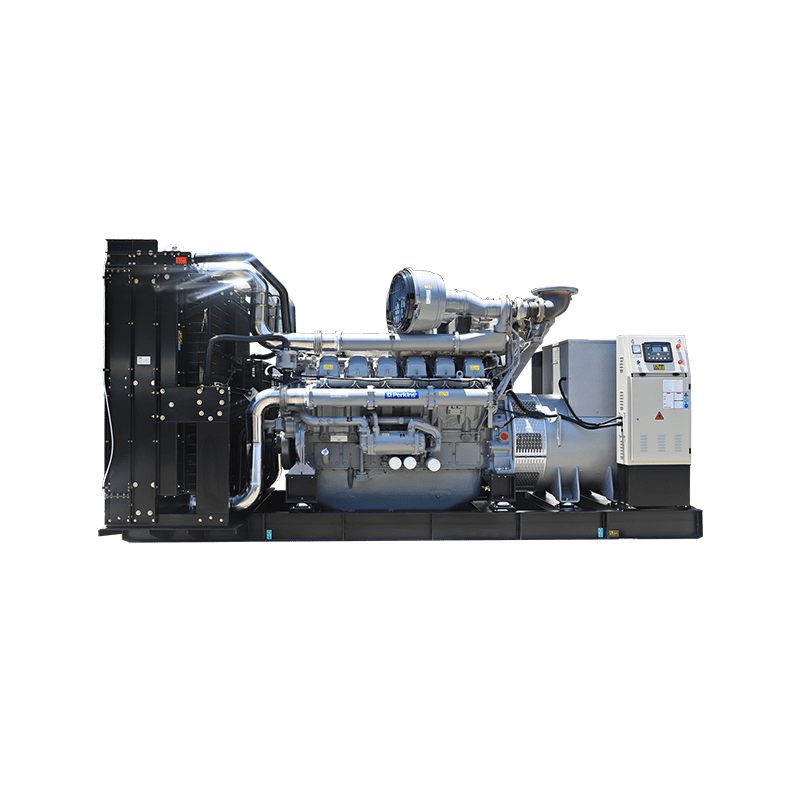
High voltage in the context of industrial generators typically refers to output voltages above 1,000V. The most common industrial levels are 3.3 kV, 6.6 kV, and 11 kV, each suited to different plant architectures and load distances. These generators are not a one-size-fits-all upgrade from a low-voltage unit; they are engineered for specific use cases where the power must travel long distances or feed directly into medium-voltage switchgear.
Industries that rely heavily on high-voltage generator sets include mining operations, heavy manufacturing facilities, oil and gas installations, and large-scale processing plants. In these environments, running large motors, crushers, or induction furnaces at 480 V would require oversized cables and excessive voltage drop. By stepping up generation to a higher voltage, you reduce current, conductor size, and losses.
The IEC 60034-1 standard defines insulation classes and temperature rise limits for such machines, typically requiring Class F or H insulation for reliable continuous duty. When planning your requirements, the starting point is always a clear load analysis and a decision on whether the generator will operate as prime power, standby, or continuous duty.
What voltage is considered high voltage for industrial generators?
Any generator with a rated output voltage above 1,000 V is classified as high voltage (HV) per IEC 60038. The typical industrial ratings are 3.3 kV, 6.6 kV, and 11 kV, with some larger units reaching 13.8 kV. The selection depends on the existing plant distribution voltage and the distance between the generator and the main switchgear.
What are the main industrial sectors that require high voltage generators?
The heaviest demand comes from underground and open-pit mining, steel mills, chemical plants, large compressor stations, and offshore platforms. Any facility where multiple high-horsepower motors operate simultaneously or where the site itself spans a large footprint benefits from distributing power at higher voltages to avoid excessive line loss.
Key Specifications to Evaluate in a High Voltage Generator
Once you know the voltage level and load profile, the next step is to weigh the technical attributes that determine long-term reliability. A high-voltage machine must handle electrical stresses that go well beyond those of a standard industrial generator, so attention to detail at the specification stage pays off every year of operation.
Insulation class is fundamental. For high-voltage applications, you should be looking at Class F (155°C temperature rise) as a minimum, with many engineers now specifying Class H (180°C) for thermal margin in aggressive environments. The generator’s insulation system needs to withstand not only the normal operating voltage but also transient overvoltages from switching and fault conditions.
Equally important is the voltage regulation response. A quality high-voltage generator should maintain voltage within ±0.5% under steady-state conditions, driven by a permanent magnet generator (PMG) excitation system or an advanced automatic voltage regulator (AVR). Poor regulation can cause harmonics that feed back into sensitive plant equipment, leading to tripping or accelerated wear.
Short-circuit capability is another metric that separates purpose-built industrial generators from light-duty alternatives. You should confirm that the alternator can sustain a three-phase short-circuit for at least 10 seconds without damage, as required by IEC 60034-1, because in an industrial plant a delayed protection response is not unusual.
 | Specification | Typical Requirement | High Voltage Industrial Best Practice |
|—————|———————|————————————–|
| Insulation Class | Class F (155°C) | Class F minimum; Class H for continuous high-load applications |
| Voltage Regulation | ±1% | ±0.5% with PMG excitation |
| Short-Circuit Capability | 300% rated for 10s | 300% rated for 10s per IEC 60034-1 |
| Total Harmonic Distortion | <5% | <3% for plants with VFD-heavy loads |
| Enclosure Protection | IP23 | IP44 or higher for outdoor, dusty sites |
How do insulation class and thermal performance affect generator lifespan?
Insulation life roughly halves for every 10°C increase above the rated temperature limit. A generator running with Class F insulation but experiencing continuous high ambient temperatures will deteriorate faster if there is no thermal reserve. That is why engineers on aggressive industrial sites often specify Class H even when the load profile suggests Class F would work—the extra margin translates directly into fewer rewinds and longer service intervals.
What role does voltage regulation and harmonic distortion play in industrial power quality?
Voltage instability and excessive harmonic content can interfere with variable frequency drives (VFDs), PLCs, and other sensitive electronics that share the same bus. A generator with a slow AVR or high harmonic output under nonlinear loading can cause nuisance tripping and erratic motor behavior. The most straightforward preventive measure is to confirm that the generator manufacturer provides a certified harmonic distortion test report for your specific configuration.
Evaluating High Voltage Generator Manufacturers and Supply Chain
In my experience, the biggest source of project frustration is not the equipment itself but the support that surrounds it. A manufacturer that can deliver a well-engineered high-voltage generator but cannot provide timely commissioning, site acceptance testing, or local spare parts becomes a liability the moment the unit is needed.
When you evaluate a supplier, start with documentation. Insist on factory acceptance test (FAT) reports that verify the machine’s performance at the rated high voltage, along with partial discharge testing records for the insulation system. Certifications such as ISO 8528 for generator sets and IEC 60034 for rotating machines should be standard, but for high-voltage equipment, you also want to see evidence of type testing at the specific voltage class.
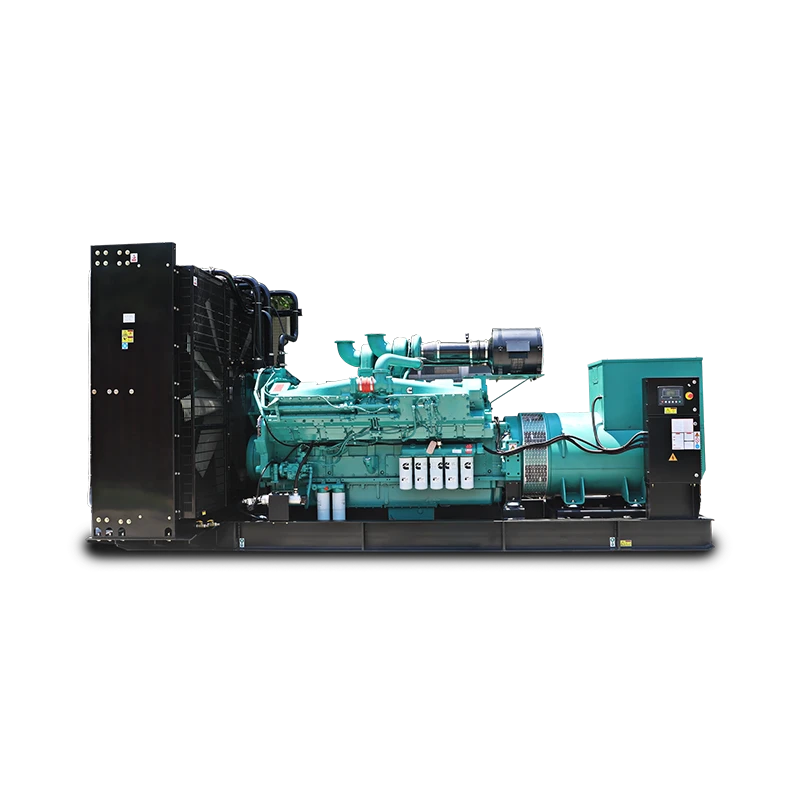
The next layer is global service infrastructure. A generator set is a long-term asset, and the ability to deploy field engineers, source alternator components quickly, and provide remote diagnostic support is what keeps your plant running when an issue arises. Companies like Tide Power Technology, which operate through a multinational network and provide customizable high-voltage generator solutions across the Fenova, Econic, and I Series (CKD) ranges, illustrate the kind of supply-chain depth that reduces risk for industrial buyers.
What certifications should a high voltage generator manufacturer hold?
At a minimum, the manufacturer should hold ISO 8528 certification for generator set performance and ISO 9001 for quality management. For high-voltage alternators, IEC 60034 compliance is essential, and in many markets, CE marking is a hard requirement. If the application involves hazardous areas, ATEX or IECEx certifications may also apply.
How can you verify a supplier’s field engineering capability for high-voltage systems?
Ask for case references that include the voltage class you need. A credible supplier will share anonymized project summaries showing commissioning timelines, field test results, and post-installation support. Additionally, confirm that their commissioning team has direct experience with high-voltage switchgear integration and can provide on-site insulation resistance testing and system tuning before you go live.
If your plant design involves a mix of high-voltage and low-voltage loads—common in large industrial expansions—getting the generator configuration right at the RFQ stage avoids expensive rework later. Reach out to [email protected] to discuss your voltage class and integration requirements before finalizing your specification.
Total Cost of Ownership and Lifecycle Support for High Voltage Generators
A high-voltage generator carries an upfront premium over a low-voltage set of similar capacity—alternator windings, insulation materials, and testing requirements all add cost. But when you look at the total cost of ownership (TCO) over 15 to 20 years, the high-voltage option often emerges as more economical for large plants.
The clearest saving comes from the balance of plant. A 2 MW generator at 480 V requires massive copper cabling and substantial switchgear on the low-voltage side. At 6.6 kV, the same power travels with one-eighth the current, which means significantly lighter cables, smaller circuit breakers, and lower installation cost. The initial electrical infrastructure savings can often offset a large portion of the generator price difference.
From a maintenance perspective, high-voltage machines do require specialized care. Periodic insulation testing, partial discharge monitoring, and careful handling of terminations are non-negotiable. But these costs are predictable and can be built into a service agreement. Wear components like bearings and brush gear are common to both voltage classes, so the incremental maintenance burden is modest relative to the operational risk of a poorly selected low-voltage system.
| Cost Element | Low-Voltage (480V) 2 MW | High-Voltage (6.6kV) 2 MW | Saving / Note |
|---|---|---|---|
| Generator set (estimated) | Base price | +15–25% | Premium for HV alternator and testing |
| Cabling and installation | High cost, heavy copper | Significantly lower | Current reduced to ~12% of LV, cable size down |
| Switchgear | Larger LV breakers | Smaller MV breakers | MV equipment cost higher per unit but fewer units |
| Maintenance (p.a.) | Moderate | Slightly higher | Insulation testing adds periodic cost |
| Lifecycle (20-year TCO) | Higher total due to losses and cable replacement | Lower total when factoring energy losses and infrastructure | HV typically wins for >500m cable runs or >2 MW |
What maintenance practices extend high-voltage generator lifespan in industrial environments?
Regular insulation resistance and polarization index (PI) testing are fundamental. These should be done at least annually, and more frequently in humid or dusty conditions. Partial discharge (PD) monitoring, while more advanced, provides early warning of insulation degradation and is worth the investment for critical processes. Beyond electrical care, standard diesel engine maintenance schedules apply, but never neglect the air intake and cooling system cleanliness—dirty cooling passages are a leading cause of insulation overheating in contaminated industrial settings.
Steps to Procure a High Voltage Generator for Your Facility
A disciplined procurement process reduces the chance of surprises and helps you compare suppliers on equal footing. Follow these steps:
- Define your electrical load and voltage requirements. Perform a complete load analysis, including starting currents for large motors and any future expansion. Specify the required output voltage, frequency, and whether the unit will be used for standby, prime, or continuous duty.
- Prepare a detailed RFQ with technical and documentation requirements. Your request should include the insulation class, voltage regulation tolerance, short-circuit capability, harmonic limits, and the required factory tests (FAT, partial discharge). Request a type test certificate for the alternator at your specified voltage.
- Evaluate bids on technical compliance and lifecycle support, not just price. A low bid that lacks field engineering support or offers only a basic warranty will cost more over the asset’s life. Look for suppliers that include commissioning, on-site acceptance testing, and a clear spare parts strategy.
- Require a factory acceptance test before shipment. The FAT should simulate rated load at your high voltage and record temperature rises, voltage regulation, and vibration data. If possible, attend the test or have a third-party inspector verify the results.
- Negotiate a service agreement that covers at least the first three years. This agreement should include periodic insulation and PD testing, emergency response times, and availability of high-voltage qualified technicians. A solid service foundation turns a capital purchase into a reliable operational asset.
The right high-voltage generator partner understands that the transaction does not end when the unit leaves the factory. Sourcing from a company that combines global project experience with on-the-ground support is what safeguards your plant against downtime and integration risk. If you are preparing an RFQ for a high-voltage generator set, send your project requirements and voltage class to [email protected] or call +86 591 2806 8999. A clear initial conversation about your application ensures you receive a configuration that aligns with your site conditions and long-term performance expectations.
Common Questions About High-Voltage Generator Selection
Is a high-voltage generator always the right choice for an industrial plant?
Not automatically. For small plants with loads under 500 kW or cable runs under 200 meters, a low-voltage generator (400V or 480V) is usually more cost-effective. High voltage becomes the better choice when you are distributing power over long distances, feeding multiple large motors, or connecting directly to a medium-voltage distribution network. It depends on your site’s physical layout, load profile, and future expansion plans.
How do I decide between a standard low-voltage and a high-voltage unit for my application?
Start by mapping the distance from the generator to the main switchboard. Above 300 to 500 meters, the cable cost and voltage drop for low-voltage solutions begin to heavily favor the high-voltage alternative. Next, check your largest motor starting requirements: if you are starting multiple motors above 200 kW across the line, the reduced current stress at high voltage reduces voltage dip and extends equipment life. If both factors point toward high voltage, a site-specific TCO analysis will confirm the financial case.
What are the most common mistakes when sourcing high-voltage generators from overseas?
The most frequent error is focusing on the generator set price while neglecting commissioning support and spare parts logistics. An imported unit that arrives without factory-trained commissioning engineers can sit idle for weeks. Another mistake is assuming the generator will integrate seamlessly with existing switchgear without reviewing protection coordination. In programs we have supported, the smoothest installations happen when the buyer and supplier jointly review single-line diagrams and relay settings before shipment. If your project involves complex integration, it is worth confirming that the manufacturer has hands-on experience with your voltage class and plant architecture.
Can a high-voltage generator be used for both standby and continuous duty?
Yes, but you must specify the duty rating clearly during the RFQ. A generator rated for standby operation only, where the load factor is low and annual running hours are limited, cannot be pushed into continuous duty without risking accelerated wear and warranty issues. For applications requiring 24/7 operation, request a prime-rated unit with the appropriate insulation class and temperature rise margins. Share your expected duty cycle with the supplier early so the engineering team can select the correct alternator and engine package.
If you’re interested, check out these related articles:
Tide Power Shines at WETEX 2025 Dubai, Drawing Major Attention with Smart Hybrid Storage and Efficient Dewatering Solutions
Diesel vs. Gas Generators: Which Is Right for Your Industry?
Senior executives from Germany’s MWM company visit Tide Power
Tide Power Showcases Innovative Hybrid Power Solutions in Successful 2025 Global Exhibition Series
Share Your Story! Celebrating 20 Years of Tide Power