
 EN
EN ZH
ZH FR
FR ES
ES AR
ARIn the decade I have spent advising global energy procurement teams, I have seen too many buyers focus on the upfront list price of a generator set and miss the bigger picture of total ownership cost. Comparing generator set prices in 2026 requires looking past the specification sheet and understanding how engine selection, customization, shipping logistics, and after-sales support create real cost differences that a simple price list will never reveal. This article is not another catalog of MSRP figures. It is a practical framework for evaluating generator set pricing from the perspective of an international energy solutions consultant, built for procurement engineers and project managers who need to turn quotes into defensible purchasing decisions.
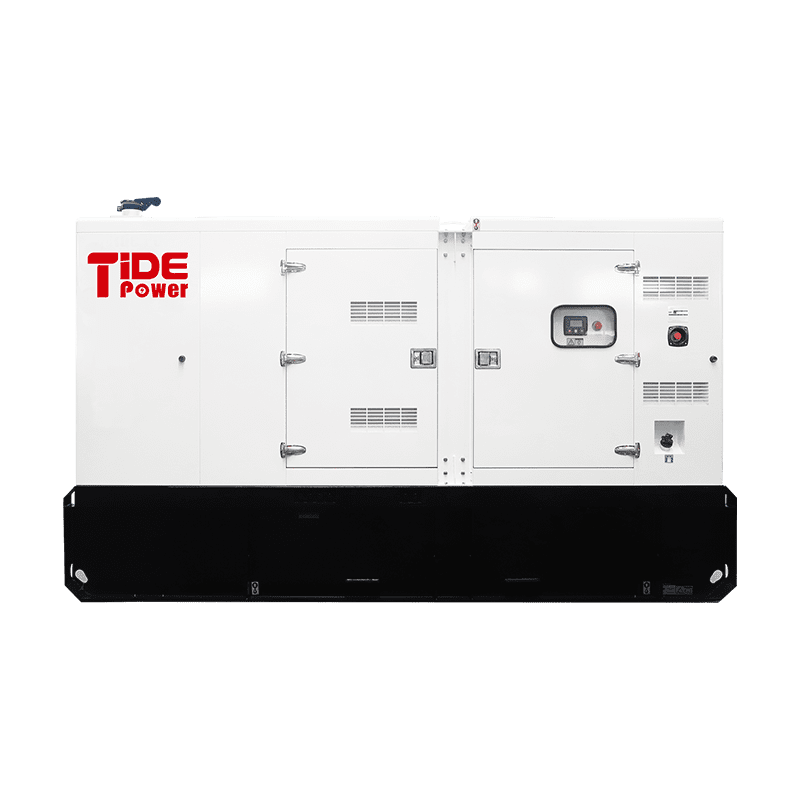
How Generator Set Pricing Is Structured in 2026
A generator set is a package of three core systems: prime mover, alternator, and control infrastructure. Each one carries its own cost signature, and the way a manufacturer combines them determines the final price more than any single brand name. In 2026, the baseline for a 100kW silent-type diesel unit from a reputable Chinese OEM sits in a different range than the same power node from a legacy European brand, but the gap narrows when you standardize for the same engine and alternator pairing.
The powertrain typically accounts for 45 to 55 percent of the total unit cost. Engine selection drives that share, with the alternator adding another 20 to 30 percent, depending on whether you specify a Stamford, Leroy Somer, or a domestic Chinese brand. The remaining cost comes from the canopy or containerization, the control module, circuit breakers, and compliance testing. If a quote looks unusually low, it is often because the alternator or controller has been substituted without disclosure. We require our engineering team to itemize these three cost layers in every proposal we issue because a line-item breakdown is the only way to compare apples to apples when you are screening suppliers across multiple countries.
Engine Brand Choices and Their Real-World Cost Impact
Engine selection is where most price comparison exercises start, and for good reason. It is the single largest variable in a generator set quotation. In 2026, the common engine brands crossing your desk will likely include Cummins, Perkins, DCEC, Lister Petter, MWM, Baudouin, and Deutz, among others. Each brand carries a different upfront cost and a different maintenance spend profile over the first ten thousand running hours.
| Engine Brand | Typical Power Range (kVA) | Price Positioning | Parts Availability | Service Interval |
|---|---|---|---|---|
| Cummins | 16–1650 | Premium | Global network, fast lead times | 500 hrs standard |
| Perkins | 5–650 | Upper mid-range | Widespread | 500 hrs |
| DCEC | 8–340 | Mid-range | Strong in Asia and Africa | 500 hrs |
| Lister Petter | 5–900 | Mid-range | Good in Europe and Africa | 500 hrs |
| Baudouin | 16–1650 | Mid to upper | Growing global presence | 500 hrs |
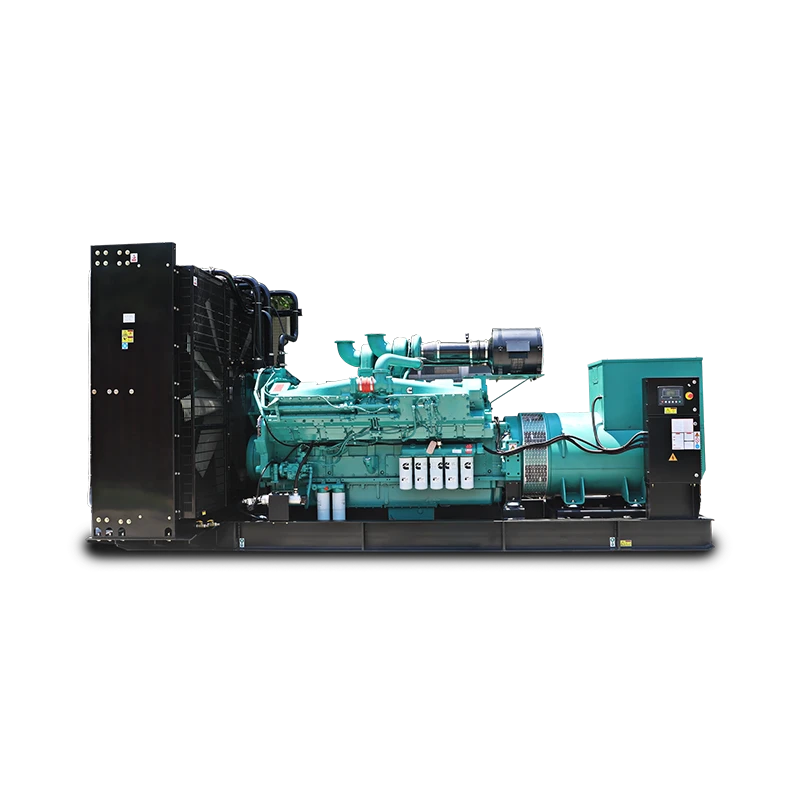
What the table does not show is the cost of downtime when a local service center does not stock the right parts. In projects across Southeast Asia, I have observed that selecting an engine with regional distribution support can reduce the total cost of ownership by 15 to 20 percent over five years, even when the unit price is higher. That is a margin that dwarfs any upfront saving.
The Customization Factor: Why Specs Change Your Quote
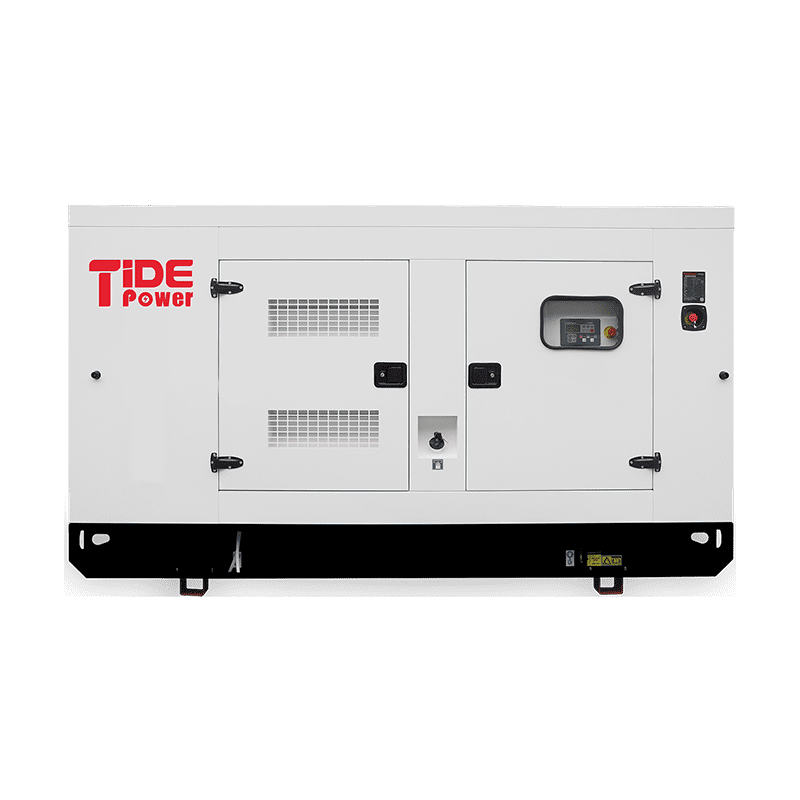
Every generator set project involves a layer of customization, and that layer is where two quotes for the same power rating can diverge by thousands of dollars. Buyers often miss this because the specification sheet lists the standard configuration, while the quotation carries the actual build list. When you request a containerized unit with a 24-hour fuel tank, a three-pole breaker, a dual fuel water separator, and tropicalized cooling, you are no longer buying an off-the-shelf machine. You are buying an engineered package.
I have reviewed RFQs where the difference between a basic open-frame set and a fully containerized, 60Hz, UL-listed configuration was nearly 40 percent on the same engine base. That is not price inflation. It is the cost of compliance and physical hardware. The most effective way to control cost here is to standardize your specification template across projects and challenge every custom add-on: do you need a 48-hour fuel tank, or will 24 hours with scheduled refueling meet your site plan?
Beyond the Purchase Price: Shipping, Support, and Warranty
When comparing generator set prices, the invoice number is just the departure point. Shipping a 40-foot high-cube containerized unit from Shanghai to Mombasa can add 7 to 12 percent to the landed cost, depending on freight rates and port charges. Then there are local import duties, which can swing from zero under preferential trade agreements to 25 percent or more if the units are not classified under the correct HS code. We have helped clients save more on logistics than on the equipment itself simply by switching from a fully assembled unit to a CKD (completely knocked down) kit that qualifies for lower tariff treatment.
After the unit arrives, warranty terms start to matter. A 12-month warranty with no local service partner is not the same as a 24-month warranty backed by a trained engineer within 200 kilometers of your site. I have seen a single after-hours call-out erode the cost advantage of a cheap generator set in less than one service visit. When you are in the final stage of supplier screening, ask for a warranty service level agreement that spells out response time, spare parts inventory, and labor coverage. If the supplier cannot provide one, factor a risk premium into the price.
If your program involves multiple site deployments across different regulatory environments, it is worth confirming that each unit configuration meets local grid codes and emissions standards before you commit — reach out at [email protected] to run a compliance check against your destination requirements.
Sourcing Strategies: Chinese Manufacturers vs. Local Distributors
A structural shift I have watched develop over the last five years is the growing willingness of end users to purchase directly from Chinese OEMs rather than through local distributors. The price advantage is clear. A mid-range 200kW silent generator set sourced directly from an ISO-certified factory in Fujian can come in 20 to 35 percent below the equivalent unit from a regional dealer, even after shipping and duty.
The trade-off is in project management. A direct factory purchase puts more responsibility on your team to manage logistics, customs clearance, and commissioning. The value a local distributor brings is not just the equipment. It is the buffer they provide against supply chain surprises. For clients with in-house engineering capability and experience in international freight, the direct route offers genuine savings. For those running their first overseas procurement, the distributor margin can be worth the peace of mind. There is no universal right answer, only the answer that matches your team’s execution capacity.
Questions to Ask Before You Request a Quote
A well-written RFQ saves more money than aggressive negotiation. Before you send out price inquiries, make sure you can answer these five points in your specification document.
What is the exact site altitude and ambient temperature? A generator set rated at sea level loses capacity at 1,500 meters, and the derating can push you into the next frame size if not accounted for early.
What is the required voltage and frequency? 50Hz vs 60Hz changes the engine speed and the alternator winding, and that changes the price and the lead time.
Is the application standby or prime power? A unit rated for continuous prime power will be larger and more expensive than one rated for standby use at the same kVA, because the engine and cooling system are built to a different duty cycle.
What local emissions or noise regulations apply? Tier 4 or Stage V compliance adds exhaust after-treatment and cost. A silent canopy may be mandatory in urban areas, adding 8 to 15 percent to the base price.
What support infrastructure is available at the site? If you are 500 kilometers from the nearest major city, your procurement plan must include remote monitoring, a stocked spares kit, and an agreement for remote technical support.
These five questions, answered clearly, will let suppliers return prices that are genuinely comparable. Without them, you are comparing estimates, not quotations.
Questions Procurement Teams Often Ask About Generator Set Pricing
How do I know if a quoted price is reasonable?
Compare the itemized cost of the engine and alternator against the OEM’s published distributor price list for those components, if available. The generator set manufacturer’s margin comes from the integration, testing, canopy fabrication, and warranty provision, not from the components themselves. A reasonable premium over bare component cost is 15 to 25 percent for a standard configuration. Anything above that should come with a clear justification, such as additional compliance testing or a custom enclosure.
Why do prices from two manufacturers using the same engine brand differ so much?
The engine is only one part of the bill. Differences in alternator brand, control system, canopy gauge steel, circuit breaker ratings, pre-delivery testing protocols, and even the paint specification all add up. A manufacturer offering a two-year warranty with load bank test reports will price differently from one shipping a unit with a basic run test.
Is it better to buy a generator set that is already built and in stock, or to order a custom build?
For standard configurations up to around 250kVA, in-stock units from a manufacturer’s finished goods inventory can ship within days and often carry a lower price because the factory has produced them in batch. Custom builds allow you to get exactly the specifications your site requires, but they add lead time and typically cost 5 to 10 percent more due to the engineering and procurement overhead of a one-off order. The right choice depends on your schedule flexibility and how specific your site conditions are.
What is the most common mistake buyers make when comparing generator set prices?
In my experience, it is comparing only the unit price while ignoring the cost of commissioning, spare parts, and the first scheduled maintenance. A unit that requires a factory technician to fly in for commissioning can wipe out the price advantage over a slightly more expensive unit that includes remote commissioning support. Always ask for a turnkey price that covers delivery, installation, commissioning, and the first 500-hour service kit. If your project runs across multiple sites, confirm commissioning support logistics with your supplier — share your site locations and timeline at [email protected] and we will confirm what is feasible before you finalize your order.
If you’re interested, check out these related articles:
Tide Power Invites You to Expo Eléctrica International 2025 – Visit Us at Booth No.1833
Tide Power has been recognized as a national high-tech enterprise