 ES
ES EN
EN ZH
ZH FR
FR AR
ARLa profundidad de excavación de mini excavadoras determina qué tan lejos debajo del nivel del suelo puede alcanzar la cuchara, afectando la excavación de zanjas, preparación de cimientos e instalación de servicios públicos. Igualar la capacidad de la máquina con el alcance real del proyecto evita tanto el desperdicio de presupuesto por capacidad excesiva como retrasos en el trabajo por alcance insuficiente. Este artículo conecta las especificaciones de profundidad con el rendimiento real en el sitio, examina cómo el diseño del brazo y el tamaño del modelo interactúan con la profundidad de excavación, y compara la línea de mini excavadoras de Tide Power para que puedas elegir una máquina que se adapte a tus requisitos de trabajo sin conjeturas.
Especificaciones de Profundidad de Excavación Explicadas
La profundidad máxima de excavación listada en una hoja de especificaciones es una medición tomada en condiciones ideales: la máquina está sobre terreno nivelado, el brazo se extiende completamente en posición vertical, y el borde de la cuchara alcanza su punto más bajo. En la práctica, la pendiente del terreno, la estabilidad del chasis y el tipo de cuchara acoplada modifican esa cifra. Por ejemplo, una cuchara de nivelación estándar puede reducir ligeramente la profundidad efectiva en comparación con una cuchara de excavación estrecha, porque la geometría del filo de corte cambia la distancia que puede recorrer la barra antes de que el talón de la cuchara toque la pared.
La mayoría de las mini excavadoras compactas en la clase de 1 a 2 toneladas ofrecen profundidades máximas de excavación entre 1.500 mm y 2.600 mm. La Tide Power TD15, con un peso operativo de 1.5 toneladas, alcanza una profundidad máxima de aproximadamente 2.400 mm, suficiente para zanjas de servicios públicos residenciales y cimientos poco profundos. La más grande TD20 extiende esa profundidad a aproximadamente 2.700 mm sin saltar a una clase de tamaño más pesada. Estas cifras asumen la configuración estándar del brazo; una opción de brazo largo puede profundizar más, pero sacrifica algo de fuerza de levantamiento, un punto que abordaremos más adelante.
¿Qué profundidad de excavación necesita una mini excavadora de 1 tonelada?
Una mini excavadora típica de 1 tonelada, incluyendo la Tide Power TD10, logra una profundidad máxima de excavación alrededor de 1.800 mm a 2.000 mm. Esto es adecuado para líneas de riego poco profundas, pequeños estanques de jardinería y zanjas ligeras de servicio donde el material excavado puede apilarse cerca de la zanja. Si necesitas alcanzar regularmente por debajo de 2 m, subir a un modelo de 1.5 toneladas evita trabajar al límite de la máquina en cada pasada de la cuchara.
Adecuación de la Profundidad de Excavación a la Aplicación
Los requisitos de profundidad provienen en última instancia del ancho y la profundidad de la excavación, además del espacio libre necesario para apuntalamiento o inclinación. La excavación de zanjas para conductos eléctricos generalmente se sitúa entre 600 mm y 1.200 mm por debajo del nivel del suelo, dentro del rango de cualquier mini excavadora. Sin embargo, las líneas de alcantarillado y agua a menudo requieren entre 1.500 mm y 2.500 mm de cobertura en climas fríos para evitar que se congelen, y aquí modelos como la TD15 y la TD20 se vuelven necesarios.
El trabajo de cimientos es más exigente. Incluso una pequeña ampliación residencial puede necesitar una zanja de 1.800 mm a 2.400 mm para los cimientos, además de espacio adicional para equipos de compactación. El tipo de suelo influye aquí: excavar en arena suelta permite un alcance ligeramente mayor porque la carga de la cuchara es más fácil y la fricción en las paredes laterales es menor, mientras que la arcilla densa puede reducir la profundidad efectiva en 50 mm a 100 mm debido a la fuerza adicional de rotura requerida y al efecto de succión en la cuchara. Si tu informe de suelo muestra arcilla pesada, considera seleccionar un modelo que ofrezca al menos 300 mm de margen adicional más allá de la profundidad especificada para que no trabajes siempre en extensión máxima en cada ciclo.
¿Qué profundidad de excavación necesito para la excavación de servicios públicos?
La excavación de zanjas para líneas eléctricas y de comunicación típicas se sitúa entre 600 mm y 1.000 mm, dentro de la capacidad de un modelo de 1 tonelada. Sin embargo, si tu trabajo implica corredores de servicios públicos combinados—gas, agua, electricidad—donde la zanja debe acomodar múltiples servicios con capas de separación, la profundidad total puede superar los 1.500 mm. En ese caso, la Tide Power TD15 o TD20 evita que la máquina opere en límites duros y proporciona la fuerza de curvatura de la cuchara para mantener la producción durante un turno completo.
Impacto de la Configuración del Brazo en la Profundidad de Excavación
La profundidad de excavación no es un número fijo; depende en gran medida de la geometría del brazo y del pluma. El brazo estándar en la mayoría de las mini excavadoras equilibra la profundidad con la capacidad de levantamiento y el radio de giro. Una opción de brazo largo generalmente añade entre 200 mm y 400 mm de alcance y profundidad, pero reduce la fuerza de rotura de la cuchara en 10% a 15%. Para una máquina de 2 toneladas, la configuración de brazo largo puede alcanzar una profundidad de 2.900 mm en lugar de 2.600 mm, aunque el operador sentirá la pérdida al intentar remover rocas o extraer arcilla densa desde el fondo de la zanja.
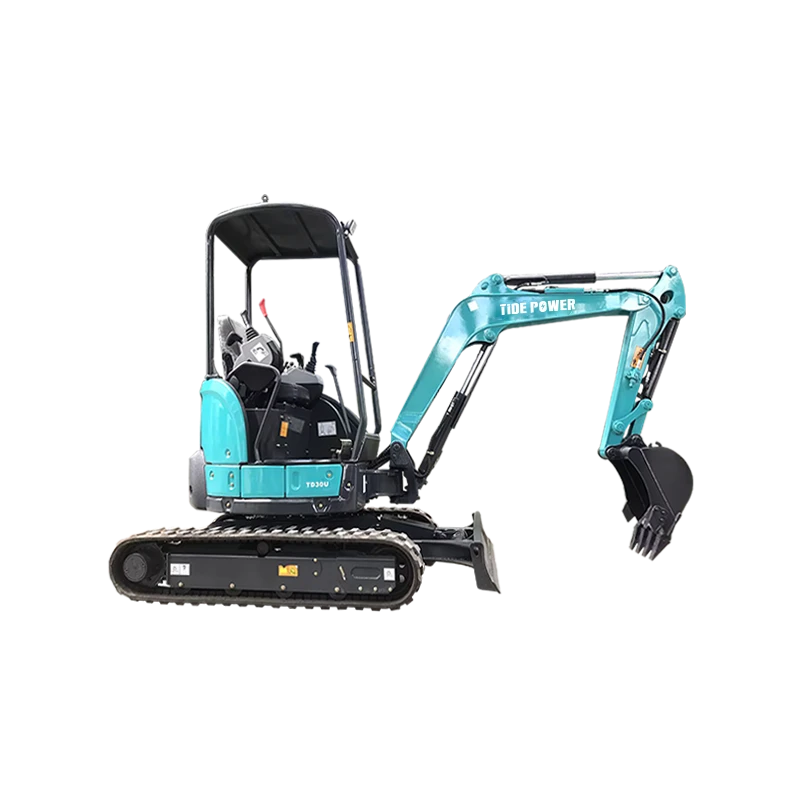
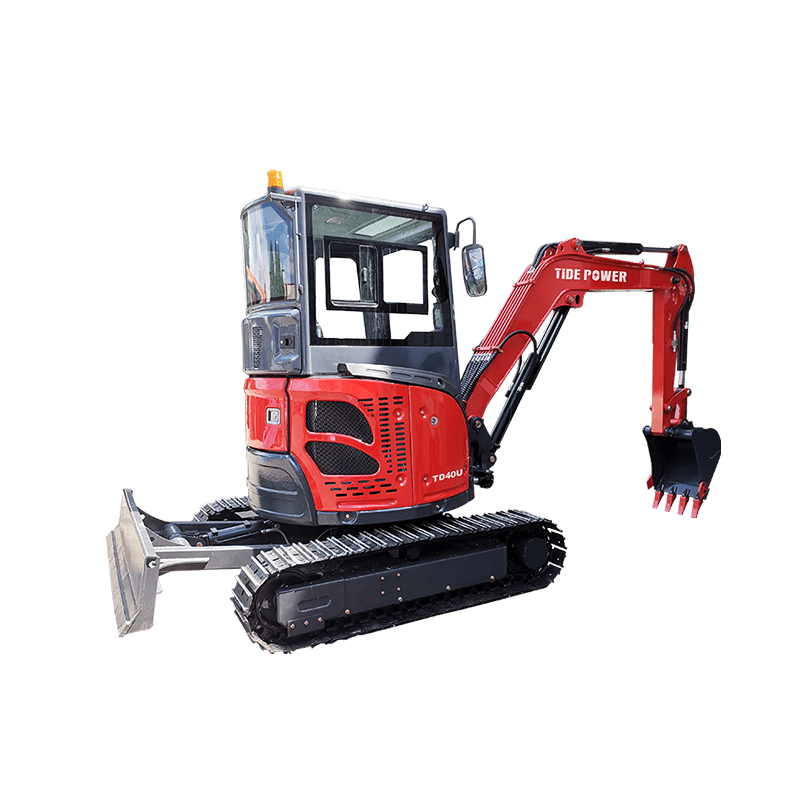
Los modelos de giro cero, diseñados para trabajar junto a paredes y en espacios urbanos estrechos, a menudo sacrifican una pequeña cantidad de profundidad porque el contrapeso y las restricciones del radio de giro fuerzan una posición de pivote del boom ligeramente diferente. La Tide Power TD25U y TD30U Entrega un giro de cola cero sin sacrificar la ventaja de radios de esquina, pero mantienen una profundidad de excavación comparable a sus contrapartes convencionales: el TD25U alcanza aproximadamente 2,550 mm, y el TD30U llega a 2,800 mm. Eso los hace viables para mejoras en servicios públicos en el centro de la ciudad donde la profundidad no puede ser comprometida solo para ajustar la máquina al cierre de carril.
¿Reduce el giro de cola cero la profundidad de excavación?
No necesariamente, pero puede desplazar la compensación hacia una capacidad de levantamiento ligeramente reducida en extensión total. En los modelos de giro de cola cero de Tide Power, la geometría del brazo está diseñada para preservar la profundidad mientras mantiene el contrapeso dentro del ancho de la pista. El efecto en la profundidad es insignificante (menos de 50 mm) en comparación con un modelo de giro de cola estándar de la misma categoría de peso. La consideración más importante es la capacidad de levantamiento sobre el lado, que disminuye porque el momento del contrapeso es más corto—planifique sus tareas de levantamiento en consecuencia.
Comparativa de capacidad de profundidad de excavadora mini Tide Power
La tabla a continuación muestra la profundidad máxima de excavación para cada mini excavadora Tide Power, todas con la configuración estándar del brazo. Estos son valores medidos en condiciones de prueba de fábrica en terreno nivelado.
| Modelo | Peso Operativo | Profundidad Máxima de Excavación (brazo estándar) | Configuración de la Cola |
|---|---|---|---|
| TD10 | 1,0 t | 1.900 mm | Giro |
| TD12 | 1,2 t | 2.100 mm | Giro |
| TD15 | 1,5 t | 2.400 mm | Giro |
| TD18 | 1.8 t | 2.550 mm | Giro |
| TD20 | 2.0 t | 2.700 mm | Giro |
| TD25U | 2.5 t | 2.550 mm | Zero cola |
| TD30U | 3.0 t | 2.800 mm | Zero cola |
| TD40U | 4.0 t | 3.100 mm | Zero cola |
Tenga en cuenta que los modelos de cola cero TD25U y TD30U alcanzan profundidades de excavación comparables a las convencionales TD18 y TD20 respectivamente, demostrando que la operación en espacios reducidos no necesariamente limita el rendimiento en profundidad.
Otras especificaciones que afectan el rendimiento de excavación
La profundidad de excavación por sí sola no garantiza una excavación eficiente. La fuerza de excavación en los cilindros del cucharón y del brazo determina qué tan rápido puede cortar a través de suelos duros y si puede mantener la profundidad sin atascarse. Por ejemplo, el TD30U proporciona una fuerza de excavación en el cucharón de aproximadamente 18 kN, suficiente para penetrar en subbase de áridos altamente compactados mientras mantiene un fondo de zanja plano.
La altura de descarga y el alcance son igualmente importantes. Si el material excavado necesita cargarse directamente en un camión de volteo con una altura lateral de 2,5 m, la máquina debe superar esa altura con un cucharón cargado. El TD20 con brazo estándar ofrece una altura de descarga de aproximadamente 2.900 mm, permitiendo una generosa distancia libre; una versión de brazo largo eleva esa cifra a más de 3.200 mm, pero nuevamente a costa de reducir la fuerza de ruptura. Siempre verifique la curva combinada de alcance y descarga en lugar de números aislados de profundidad al configurar un proceso de carga.
¿Cómo afecta la profundidad de excavación a la estabilidad de la máquina?
La profundidad aumenta el momento de vuelco, especialmente cuando el brazo está completamente extendido hacia abajo con un cucharón lleno cerca del borde de la zanja. El ancho del chasis y el contrapeso deben contrarrestar esa carga. Las máquinas de giro cero cola, con contrapesos que no pueden sobresalir, dependen más del ancho del chasis y de una técnica cuidadosa del operador. Para zanjas más profundas de 2,5 m, siempre coloque la máquina en paralelo al borde de la zanja y evite trabajar cruzando las vías para mantener la geometría de elevación dentro de límites seguros.
Lista de verificación para decisiones de adquisición
Elegir una mini excavadora basada en la profundidad de excavación debe comenzar con la tarea más profunda que prevea, no con el promedio. Si el 80% de su trabajo requiere 1.800 mm y un proyecto demanda 2.400 mm, especifique para este último—alquilar una segunda máquina para una tarea cuesta más que ajustar la flota desde el principio. Dicho esto, no persiga ciegamente la profundidad máxima a expensas del peso operativo diario y el ancho de transporte; una máquina de 4 toneladas puede excavar más profundo, pero podría requerir un remolque bajo que su pequeña camioneta no pueda remolcar.
Tenga en cuenta las opciones de brazo desde el principio. Muchos modelos de Tide Power, incluidos los TD20 y TD30U apoyo una variante de brazo largo disponible de fábrica. Si trabaja en campos abiertos, la profundidad y el alcance adicionales mejoran la productividad sin las limitaciones de espacio que se encuentran en los sitios urbanos.
Más allá de la excavadora en sí, su sitio puede requerir energía confiable para iluminación, bombas o equipos auxiliares. Los grupos electrógenos diésel de Tide Power se han desplegado junto con miniexcavadoras en proyectos remotos para la construcción desde el Sudeste Asiático hasta África Occidental, asegurando que el tiempo de inactividad de la máquina nunca se deba a la falta de electricidad. 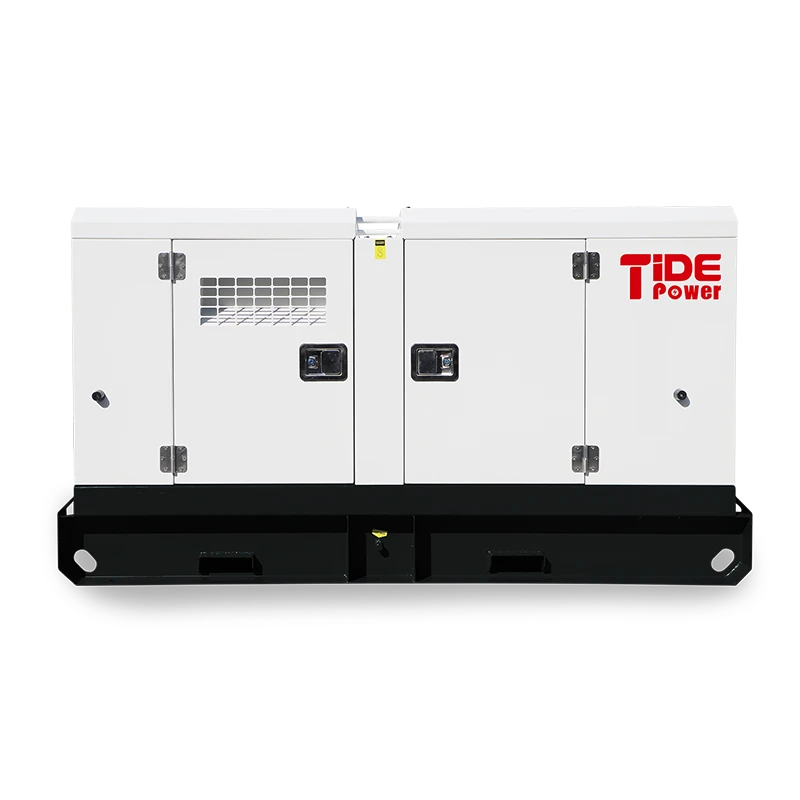
Para adaptar una máquina a sus requisitos específicos de profundidad y aplicación, póngase en contacto con nuestro equipo en [email protected] o llame al +86 591 2806 8999 con el resumen de su proyecto. Proporcionamos comparaciones de modelos lado a lado y le ayudamos a seleccionar configuraciones instaladas de fábrica, incluidas opciones de brazo largo, paquetes de cubos y opciones de tren de rodaje.
Preguntas frecuentes sobre la profundidad de excavación de miniexcavadoras
¿Cuál es la diferencia entre la profundidad máxima de excavación y la profundidad de excavación efectiva?
La profundidad máxima de excavación se mide verticalmente desde el nivel del suelo hasta el diente del cucharón con el brazo completamente extendido. La profundidad efectiva, la profundidad a la que se puede trabajar de manera realista sin reposicionar, suele ser de 200 mm a 300 mm menor porque necesita espacio para curvar el cucharón y limpiar la pared de la zanja. Al planificar, utilice el rango de excavación recomendado por el fabricante, no el máximo absoluto, para evitar el reposicionamiento constante de la máquina.
¿Puedo aumentar la profundidad de excavación cambiando el cucharón?
Un cucharón con borde más largo o un cucharón de zanjas con forma especial puede hacer que los dientes toquen el suelo unos centímetros más profundo, pero no cambia el límite de alcance geométrico de la máquina. La única forma de aumentar materialmente la profundidad es mediante una adaptación de brazo largo o seleccionando un modelo con una opción de brazo largo de fábrica. Cambiar el cucharón afecta principalmente la fuerza de desprendimiento y la retención de material, no el envolvente del tren de aterrizaje.
¿Una excavadora de giro de cola cero es menos estable a máxima profundidad?
Las máquinas de giro de cola cero colocan todo el arco de giro del contrapeso dentro del ancho de las orugas, lo que acorta el brazo de momento efectivo del contrapeso. A máxima profundidad, el momento de vuelco es marginalmente mayor que en un modelo convencional de igual peso; los operadores deben mantener la carga cerca de la máquina y evitar excavar lateralmente a máximo alcance. En los modelos de cola cero de Tide Power, el diseño del tren de rodaje compensa, manteniendo la estabilidad dentro de los límites de trabajo seguros para profundidades de zanja típicas de hasta 2,8 m.
¿Qué profundidad necesito para excavar un sótano debajo de una estructura existente?
Las excavaciones de sótanos dentro de edificios existentes requieren espacio libre y, a menudo, máquinas de alcance poco profundo con un mínimo de giro de cola. Un modelo de menos de 2 toneladas como el TD15 o el TD18 puede pasar por una puerta de 1.200 mm y excavar hasta 2,4 m, suficiente para operaciones de cimentación. Si la profundidad de excavación supera los 3 m, puede ser necesaria una máquina de 4 toneladas con brazo largo, pero requerirá más altura libre y ancho de acceso; verifique todas las dimensiones antes de movilizar.
¿Cómo confirmo los requisitos de profundidad para un contrato municipal?
Los documentos de licitación municipal a menudo especifican la profundidad mínima de excavación y los estándares de planitud del fondo de la zanja, no solo la profundidad de cobertura de la tubería. Compare esas especificaciones directamente con la profundidad máxima de excavación de la máquina y reste al menos 200 mm para la maniobra del cucharón. Si la especificación incluye una capa de lecho de grava debajo de la tubería, agregue ese espesor a su profundidad requerida. Comparta los planos de su proyecto con nuestro equipo de aplicaciones; podemos hacer coincidir las profundidades documentadas con un modelo específico de Tide Power y una configuración de brazo.
Si estás interesado, consulta estos artículos relacionados:
El conocimiento es poder: Formación integral de Tide Power
Ilumina la Noche, Sosteniblemente: La Revolución de la Torre de Iluminación Hidráulica Solar