FR
FR EN
EN ZH
ZH ES
ES AR
ARMost mine dewatering specifications start with a single number, but a 12 inch dewatering pump only earns its place when flow, head, solids, and site access are reviewed together. Underground and open pit operations change quickly after rainfall, and the wrong pump choice shows up as lost production rather than an immediate equipment failure. A workable selection process for large miniers projects has to answer three questions: where the 12 inch unit fits, which operating conditions should drive the specification, and how to convert site data into a procurement-ready recommendation.
Why Do Mining Operations Move to a 12 Inch Dewatering Pump?
Mining dewatering is less about a single pump and more about the system keeping the working face dry as inflow fluctuates. A 12 inch dewatering pump is usually considered where inflow is high enough that multiple smaller units would have to run continuously, consuming more fuel, more maintenance hours, and more space around the sump. The larger discharge diameter lets the same pump station move water through fewer lines, which reduces friction loss.
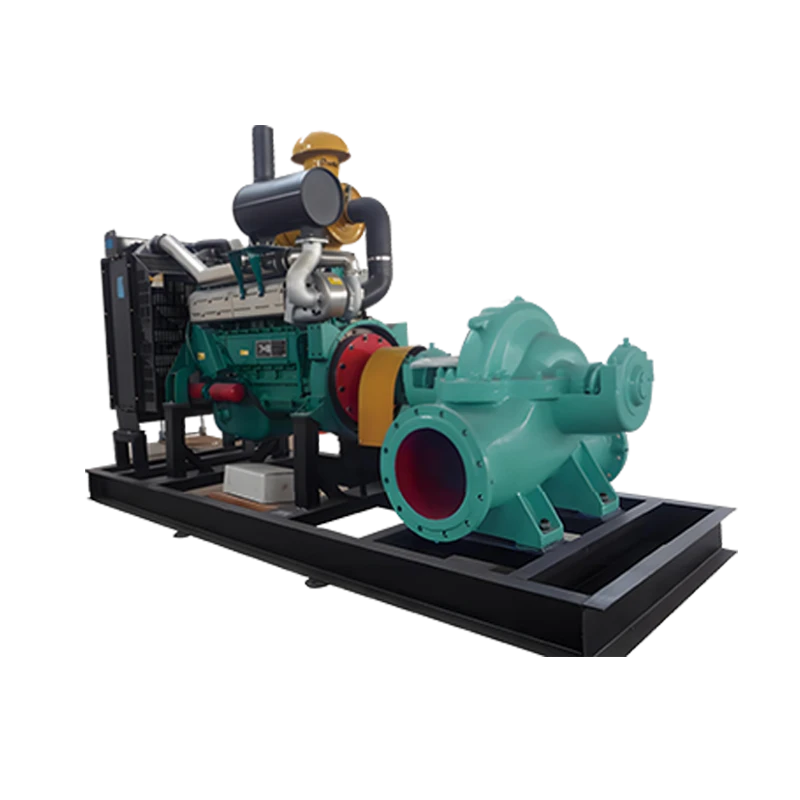
In open pit and deep sump applications, the real benefit is not just capacity. It is the ability to hold steady while the water level rises after a storm. A smaller pump may match the average daily inflow and then fall behind during the peak hours that matter most. That is why mine planners ask for a 12 inch unit when the risk is not continuous inflow but sudden, high volume recharge.
That logic changes when the mine is shallow or inflow is seasonal. The 12 inch unit is not automatically better. If total head is low and the pit produces water slowly, the larger pump can run below its efficient range, waste fuel, and require more operator attention. The decision has to be tied to measured inflow and the production schedule.
How Should You Size Flow and Total Head for a 12 Inch Dewatering Pump?
Why Peak Inflow Matters More Than Average Flow
Mine sites tend to size on average daily water production, but dewatering equipment fails on the peak. For a large mining project, the 12 inch dewatering pump should clear the highest expected inflow during the wet season, plus a margin. The average figure only describes a normal day. Peak inflow is what happens when groundwater recharge increases after rainfall or when the pit reaches a deeper water bearing layer. Without a measured peak, the system will be short exactly when production depends on it most. Most suppliers will ask for at least 12 months of flow data with the top three events marked.
How Total Head Turns a Flow Figure Into a Real Specification
The pump has to overcome vertical lift, pipe friction, and discharge pressure. A 12 inch dewatering pump can move a large volume, but if the mine lifts water 200 metres through a long pipeline, total head becomes the controlling variable. Suppliers need the elevation difference between the sump and discharge point, pipe diameter, pipe length, the number of elbows, and any check valves in the line. Guessing at total head is how projects end up with a pump that stalls at the edge of its curve, or one that is oversized and burns more diesel than the budget expects.
| Site condition | What it changes in pump selection | Site data to prepare |
|---|---|---|
| Sump inflow over 24 hours | Peak pumping capacity, not average | Cubic metres or gallons per hour |
| Vertical lift and pipe friction | Total head demand | Elevation, pipe length, fittings |
| Solids and slurry content | Impeller, strainer, wear parts | Particle size and concentration |
| Fuel delivery window | Tank capacity and runtime | Shift schedule and access |
| Maintenance access | Service intervals and spare parts plan | Site location and staffing |
What Should You Check Before a 12 Inch Dewatering Pump Goes Underground or Into a Sump?
Underground mining and pit sumps introduce conditions that a standard clean water pump may not survive. The first check is solids content. If the water carries sand, drill cuttings, clay, or small rock, the impeller, wear plates, and strainer need to be matched to abrasive duty. A pump that clears clean water in testing can lose performance quickly once fines enter the casing. Tide Power builds its dewatering pumps around high strength self priming pump bodies and diesel engines, with the Z, B, K, S, D, and C covering different duty points. The site data should include particle size range, solids concentration, and whether the pump will handle clean water only or mixed slurry.
Fuel access and maintenance access matter as much as hydraulic fit. Underground operations often have limited ventilation, narrow access drifts, and strict fuel handling rules. The pump’s diesel engine, fuel tank capacity, and service points have to work inside those constraints. A unit that is easy to service at surface becomes a bottleneck underground if the operator cannot reach the strainer or drain the casing without lifting equipment. Walk through the refuelling, daily inspection, and wear part replacement sequence before deciding.
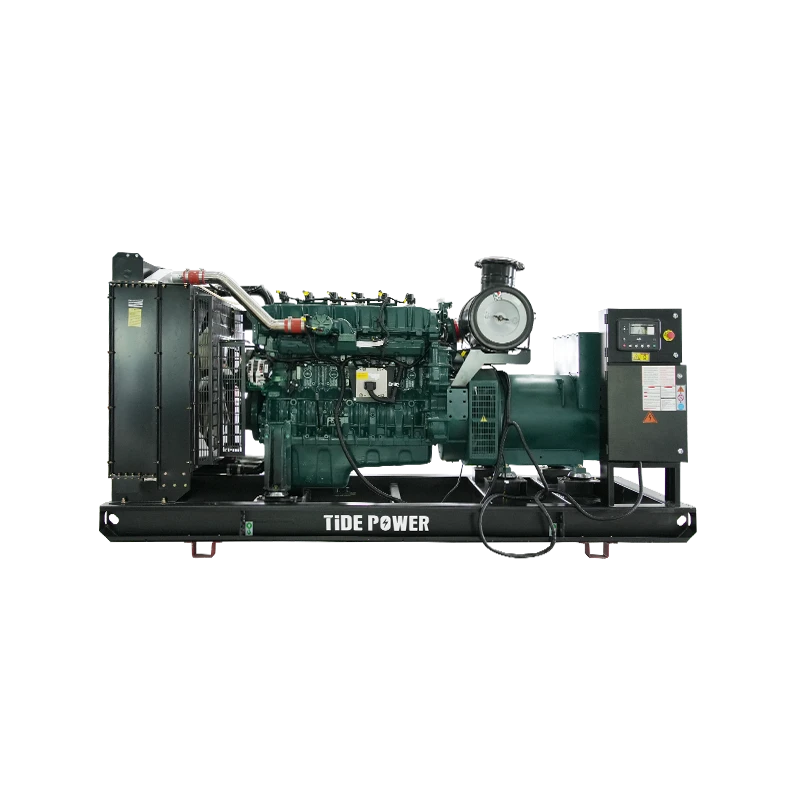
If your mine has combined surface runoff and groundwater inflow, confirm that the selected impeller and strainer can handle both clear water and fines before you finalise the specification. Send your particle size range, maximum inflow period, and sump location to [email protected] and ask for a selection review.
How Do You Build a Complete Operating Cost Comparison?
A purchase price comparison misses most of the cost. Diesel consumption, service intervals, spare parts, and downtime all accumulate over mine life. For a 12 inch dewatering pump, the more useful question is what it costs per million litres moved, not what it costs to buy. Two pumps can have similar capital cost and very different fuel curves depending on engine make, pump efficiency, and whether the unit holds its prime after shutdown. That difference becomes visible only when you compare full load and part load behaviour against the mine’s actual operating pattern.
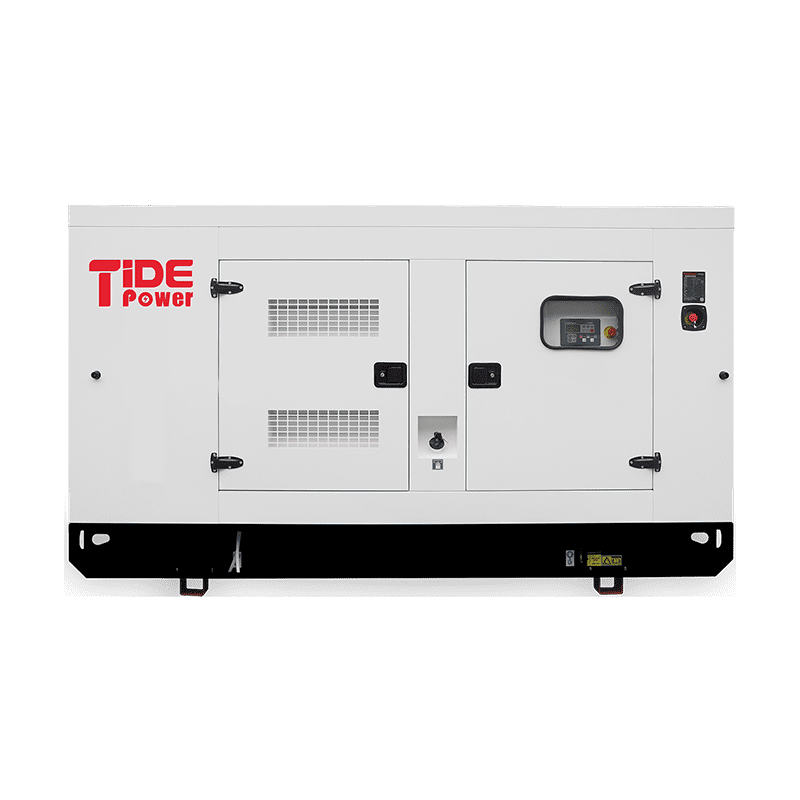
The operating cost block should include diesel burn at the expected duty point, lube oil and filter intervals, impeller replacement frequency, and labour for daily checks. If the mine runs dewatering 24 hours a day during the wet season, a small efficiency difference matters more than a modest price gap. A supplier who cannot walk you through the fuel consumption assumption behind their quotation is asking you to accept their number without evidence. Ask for the curve, not the brochure.
How Do You Turn Site Data Into a Procurement-Ready Quote?
By the time a mine reaches the quotation stage, the specification should be specific enough that two suppliers can bid against the same duty point. If the data package only says “12 inch dewatering pump”, every supplier will fill the gap with different assumptions. That is how projects end up comparing unrelated prices. The better package includes maximum inflow, total dynamic head, solids concentration, mine location, fuel access, and required delivery date. With those six items, a pump manufacturer can confirm the pump series, engine rating, wear parts, and shipping plan without a long back and forth.
Mine schedules rarely allow time for rework on a dewatering system. Once the sump is live, the pump has to match the water rather than the other way around. Send your maximum inflow, total head, particle size range, and mine location to [email protected] or call +86 591 2806 8999 and request a 12 inch dewatering pump selection review. Tide Power will return the recommended series, engine configuration, and lead time for your site.
cURL Too many subrequests by single Worker invocation. To configure this limit, refer to https://developers.cloudflare.com/workers/wrangler/configuration/#limits
cURL Too many subrequests by single Worker invocation. To configure this limit, refer to https://developers.cloudflare.com/workers/wrangler/configuration/#limits
cURL Too many subrequests by single Worker invocation. To configure this limit, refer to https://developers.cloudflare.com/workers/wrangler/configuration/#limits.
cURL Too many subrequests by single Worker invocation. To configure this limit, refer to https://developers.cloudflare.com/workers/wrangler/configuration/#limits
cURL Too many subrequests by single Worker invocation. To configure this limit, refer to https://developers.cloudflare.com/workers/wrangler/configuration/#limits.
cURL Too many subrequests by single Worker invocation. To configure this limit, refer to https://developers.cloudflare.com/workers/wrangler/configuration/#limits
cURL Too many subrequests by single Worker invocation. To configure this limit, refer to https://developers.cloudflare.com/workers/wrangler/configuration/#limits.
cURL Too many subrequests by single Worker invocation. To configure this limit, refer to https://developers.cloudflare.com/workers/wrangler/configuration/#limits
cURL Too many subrequests by single Worker invocation. To configure this limit, refer to https://developers.cloudflare.com/workers/wrangler/configuration/#limits.
Si cela vous intéresse, consultez ces articles connexes :
Tide Power brille lors de Phil Energy 2025
TIDE POWER TP200BESS : Stockage d'énergie intelligent pour générateurs industriels
TIDE POWER TP200BESS : Stockage hybride avancé pour l'efficacité industrielle