 FR
FR EN
EN ZH
ZH ES
ES AR
ARLorsque vous lisez une fiche technique de pompe de déshydratation robuste, les chiffres donnent une idée—mais la réalité d’un miniers puits ou d’une opération de sauvetage en cas d’inondation en donne une autre. J’ai évalué les spécifications de pompes de déshydratation pour des projets à travers les continents, et ce qui distingue une performance fiable d’un arrêt inattendu apparaît rarement dans une brochure. Cet article explique comment évaluer les spécifications d’une pompe de déshydratation robuste au-delà des chiffres principaux, afin de faire correspondre une pompe aux exigences réelles de votre site et d’éviter des surprises coûteuses.
Spécifications essentielles pour les pompes de déshydratation robustes
Chaque fiche technique de pompe de déshydratation robuste commence par quelques métriques clés : débit, hauteur, temps d’amorçage automatique, et puissance du moteur. Mais ces chiffres n’ont de sens que si vous comprenez la relation entre eux dans des conditions d’exploitation réelles.
Le débit, mesuré en mètres cubes par heure (m³/h) ou en litres par seconde, indique la quantité d’eau que la pompe peut déplacer. Une pompe de sortie de 6 pouces pourrait délivrer 200 m³/h avec une hauteur de 10 mètres, mais à mesure que la hauteur augmente, le débit diminue. La courbe de la pompe—pas le chiffre maximal—révèle où la pompe fonctionne efficacement. J’ai vu des chefs de projet choisir une pompe uniquement en fonction du débit maximal, pour découvrir qu’elle ne pouvait pas maintenir la succion lorsque le niveau d’eau baissait.
La spécification de la hauteur est tout aussi critique. La hauteur totale inclut la levée d’aspiration, la pression de décharge, et les pertes de friction dans les tuyaux. Une pompe évaluée pour 30 mètres de hauteur pourrait n’atteindre cette valeur que dans des conditions idéales avec des lignes de décharge courtes et droites. Sur un saisons de construction chantier avec 50 mètres de tuyau et plusieurs coudes, la hauteur réelle peut être inférieure de 5 à 10 mètres. Prenez toujours en compte la configuration de la tuyauterie de votre site.
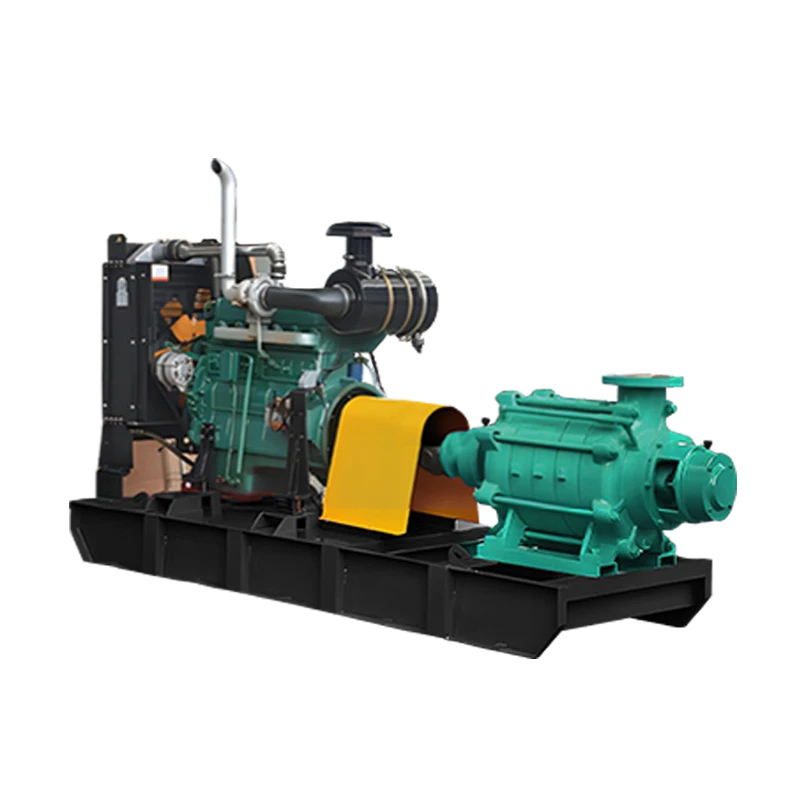
Le temps d’amorçage automatique est important lorsque la pompe démarre et s’arrête fréquemment. Une pompe nécessitant 90 secondes pour amorcer peut convenir à une déshydratation en régime permanent, mais pour une opération intermittente—courante dans le déshydratation de tranchées de construction—un amorçage plus rapide en moins de 60 secondes permet de gagner du temps et du carburant. Nos pompes de déshydratation alimentées au diesel réalisent un amorçage rapide grâce à une conception optimisée de l’impulseur et de la volute, réduisant le risque de fonctionnement à sec.
La puissance du moteur, généralement un moteur diesel, doit correspondre aux exigences hydrauliques de la pompe. Des moteurs sous-dimensionnés caleront sous charge maximale ; des moteurs surdimensionnés gaspillent du carburant. Recherchez une correspondance étroite entre la vitesse nominale du moteur et la vitesse du point de meilleure efficacité (BEP) de la pompe.
Facteurs de fiabilité au-delà de la fiche technique
Les chiffres sur une fiche technique ne vous disent pas combien de temps la pompe durera en pompant de l’eau mélangée à du sable, de la silice ou des eaux usées acides. Les pompes de déshydratation robustes travaillant dans l’exploitation minière ou lors de sauvetages en cas d’inondation ont besoin de plus que des spécifications impressionnantes—elles nécessitent une durabilité des matériaux et une durée de vie éprouvée des composants.
Le matériau du boîtier de la pompe est souvent en fonte, qui offre une bonne résistance à l’abrasion mais peut corroder dans de l’eau acide. Pour le drainage minier où le pH descend en dessous de 5, envisagez des turbines et des plaques d’usure en acier inoxydable. Le type de joint est un autre facteur souvent négligé. Les joints mécaniques surpassent les garnitures en termes de prévention des fuites et d’intervalles de maintenance, mais ils nécessitent un flux de refroidissement propre. Les joints à garniture, bien que robustes, demandent un réglage régulier et peuvent tolérer un peu de graviers.
Dans un projet de déshydratation sur lequel j’ai été consulté pour une mine à ciel ouvert en Asie du Sud-Est, la différence entre le temps de fonctionnement de la pompe et les réparations constantes tenait à l’écartement de l’impulseur. Une pompe avec des anneaux d’usure réglables permettait à l’opérateur de restaurer l’efficacité en resserrant simplement l’écartement, prolongeant la durée de vie de l’impulseur de plusieurs mois. La pompe d’un concurrent sans anneaux d’usure nécessitait un remplacement complet de l’impulseur après environ 600 heures de pompage d’eau sablonneuse. Ce genre de détail sur le terrain apparaît rarement dans les fiches techniques, mais c’est ce qui influence le coût total de possession.
Comme nous l’avons abordé dans notre article sur les générateurs de pompes diesel pour environnements difficiles, choisir une pompe capable de gérer les contaminants du site est crucial. Les bonnes décisions concernant le matériau et le type de joint préviennent la majorité des défaillances prématurées.
Évaluation des performances d’amorçage et du moteur
Le cœur d’une pompe de déshydratation robuste est son moteur diesel. Des marques comme Lister Petter, Perkins, et d’autres alimentent de nombreux ensembles de pompes, mais le choix du moteur influence plus que la seule puissance.
L’efficacité énergétique à charge variable est importante car la déshydratation implique souvent des niveaux d’eau fluctuants—le moteur ne fonctionne pas à pleine charge toute la journée. Recherchez des moteurs avec des régulateurs mécaniques ou électroniques qui réagissent rapidement aux changements de demande, en maintenant la vitesse de la pompe sans à-coups. Certains moteurs modernes incluent des modes de ralenti faible, réduisant la consommation de carburant lorsque la pompe est en veille mais pas en fonctionnement actif.
La vitesse d’amorçage est une fonction directe de la conception de la pompe et des caractéristiques de couple du moteur. Une pompe équipée d’une grande chambre d’amorçage assistée par vide et d’un moteur à couple élevé à faible régime peut amorcer en moins de 30 secondes, même à partir de profondeurs supérieures à 7 mètres. Cela est important dans des applications de déshydratation comme le travail en tranchée, où la pompe doit redémarrer des dizaines de fois par quart de travail. Un amorçage rapide réduit l’attention de l’opérateur et évite la surchauffe du moteur due à un fonctionnement prolongé à sec.
L'accessibilité à la maintenance fait également partie des spécifications du moteur. Pouvez-vous changer l'huile et les filtres sans retirer la cabine? Le filtre à carburant est-il positionné pour un vidange facile? Dans les camps miniers isolés, un seul changement de filtre difficile peut retarder toute la relève. Nos ensembles de pompes de déshydratation disposent de grandes portes d'accès à la cabine et d'entrées de carburant extérieures, conçues pour minimiser les temps d'arrêt.
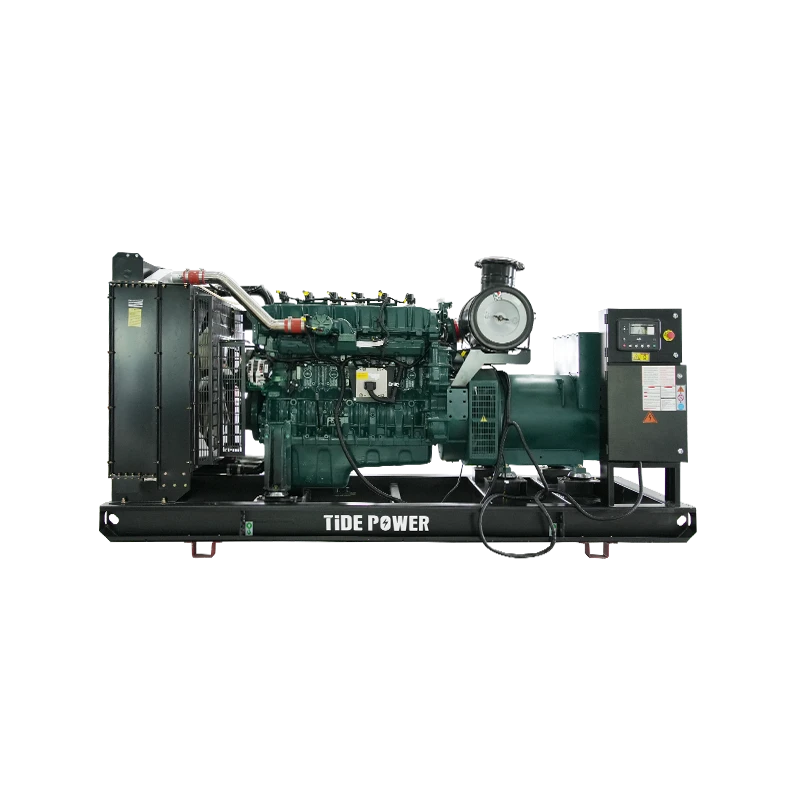
Si votre projet exige un amorçage rapide en moins de 30 secondes ou un fonctionnement continu 24 heures sur 24, il est essentiel de confirmer l'association correcte entre le moteur et le corps de la pompe. Contactez-nous à [email protected] pour valider les spécifications avant de finaliser votre commande.
Correspondance de la pompesérie p avec des applications réelles
Toutes les pompes de déshydratation lourdes ne conviennent pas à chaque tâche. Une pompe qui excelle dans le déshydratation minière à haute tête et faible débit peut être inefficace pour la lutte contre les inondations où le volume élevé et la faible tête sont prioritaires. Comprendre la série de la pompe et son objectif de conception facilite la sélection.
La gamme de pompes de déshydratation de Tide Power comprend les séries Z, B, K, S, D et C, chacune conçue pour des fenêtres opérationnelles spécifiques. La Série Z offre une conception hydraulique à haute efficacité pour la déshydratation en construction générale. La Série D présente des configurations à plusieurs étages pour la déshydratation de puits profonds avec des têtes dépassant 100 mètres. La Série C priorise la compacité et la portabilité pour une lutte rapide contre les inondations. Ce type de réflexion basé sur les séries aide les équipes d'approvisionnement à obtenir la pompe adaptée sans sur-spécifier et payer un supplément.
Lors de la comparaison des séries, regardez au-delà des spécifications maximales. Demandez : Quel débit la pompe peut-elle soutenir à 80 % de sa tête maximale ? Quelle est la submersion minimale requise pour éviter la formation de vortex ? Comment la pompe gère-t-elle les solides — un passage de solides sphériques de 2 pouces peut être acceptable pour de l'eau claire, mais pas pour un boue avec de la boue et des pierres. Nos ingénieurs d'application aident régulièrement les clients à cartographier la chimie de l'eau et le profil des solides de leur site pour déterminer la série de pompe qui durera.
Après-vente Support et considérations de maintenance
La décision de choisir un fabricant plutôt qu'un autre dépend souvent non pas de la pompe elle-même, mais du support proposé. Dans les achats internationaux, la capacité à obtenir rapidement des pièces détachées, à accéder à un support technique à travers différents fuseaux horaires, et à recevoir une assistance à la mise en service peut déterminer le succès d'un projet de déshydratation.
Les intervalles de maintenance courants comme le changement d'huile moteur, la vérification du jeu de l'impulseur et l'inspection des joints sont simples si le manuel de la pompe est clair et si les catalogues de pièces détachées sont précis. Cependant, de nombreux fournisseurs de pompes traitent la documentation comme une formalité, laissant les techniciens sur site deviner les valeurs de couple ou les numéros de pièces des joints. J'ai vu cela causer des retards de plusieurs jours sur des sites isolés. Demandez toujours des manuels de maintenance d'exemple avant de vous engager avec un fournisseur.
Garantie Les termes aussi comptent. Une garantie de 12 mois est standard, mais vérifiez ce qu'elle couvre — inclut-elle également les composants du moteur et de la pompe ? Lausure sur les joints et les impellers est-elle exclue ? Tide Power garantit ses pompes de déshydratation avec une couverture de garantie qui reflète la confiance dans notre ingénierie, et non des exclusions en petits caractères. La réponse après-vente, y compris la disponibilité d'ingénieurs de service sur le terrain et le diagnostic à distance, doit faire partie de l'évaluation des spécifications, et non être une option supplémentaire.
Questions fréquentes sur les spécifications des pompes de déshydratation lourdes
Comment choisir entre différentes séries de pompes pour mon projet ?
Cela dépend de vos conditions d'eau, du débit requis et de la tête totale. Pour des excavations peu profondes avec un débit élevé et une faible tête, une pompe monostade comme la série Z fonctionne bien. Pour des mines profondes avec une tête statique élevée, des pompes à plusieurs étages comme la série D sont nécessaires. La teneur en solides et le pH comptent aussi — si vous pompez de l'eau acide, choisissez des matériaux résistants à la corrosion. Partagez les paramètres de votre site et nous vous aiderons à confirmer la série appropriée.
Quel est un temps d'auto-amorçage réaliste pour les pompes de déshydratation lourdes ?
La plupart des pompes diesel auto-préprimantes de haute qualité atteignent la primature en 30 à 90 secondes selon la hauteur de levage par aspiration et le diamètre du tuyau. Une pompe revendiquant une primature en 20 secondes dispose généralement de conditions idéales : tuyau d'aspiration court et de grand diamètre, et de l'eau déjà présente dans le carter de la pompe. Dans des applications réelles avec des levages de 6 mètres et des tuyaux de 4 pouces, prévoyez environ 45 à 60 secondes. Si votre opération nécessite des redémarrages fréquents, privilégiez la vitesse de primature éprouvée plutôt que le débit maximal.
Les pompes de déshydratation robustes peuvent-elles gérer le sable ou les petites pierres ?
Oui, beaucoup sont conçues pour faire passer des solides jusqu'à 2 à 3 pouces de diamètre. Cependant, le pompage continu de boues abrasives accélère l'usure de l'impulseur et de la volute. Pour les applications à solides élevés, envisagez des pompes avec des plaques d'usure remplaçables et un dégagement plus grand de l'impulseur. Spécifiez toujours votre contenu en solides lors de la commande afin que le fabricant puisse recommander des matériaux appropriés et des caractéristiques de protection.
Quel entretien dois-je prévoir pour les pompes diesel de déshydratation dans des sites isolés ?
Les tâches routinières incluent la vérification quotidienne du niveau d'huile moteur, le nettoyage du filtre à air tous les 100 heures, et l'inspection du dégagement de l'impulseur tous les 500 heures ou après tout incident de pompage d'eau abrasive. Sur des sites isolés, stockez des pièces de rechange critiques comme les joints mécaniques, les joints d'étanchéité et les filtres à carburant. La logistique pour obtenir une pompe de remplacement doit faire partie de vos critères de sélection — choisissez un fabricant avec une livraison rapide de pièces détachées vers la région.
Comment le support du fabricant influence-t-il le coût total de possession d'une pompe de déshydratation ?
Le support détermine la rapidité avec laquelle les problèmes sont résolus. Un fabricant offrant un support technique à distance, une mise en service sur site et des pièces de rechange en stock peut réduire le temps d'arrêt de plusieurs jours. J'ai travaillé sur des projets où la capacité à obtenir une pièce de moteur de remplacement en 48 heures a permis d'économiser plus de $40 000 en coûts d'équipement à l'arrêt. Lors de l'évaluation des spécifications, considérez également le réseau de service du fournisseur et sa réputation après-vente. Partagez vos exigences et nous vous aiderons à peser le support par rapport au prix d'achat.
Si vous finalisez l'achat d'une pompe de déshydratation pour un projet minier, de construction ou de contrôle des inondations, nous comprenons que chaque spécification compte — tout comme la confiance que la pompe fonctionnera lorsque cela compte. Notre équipe chez Tide Power Technology aide les équipes de projets mondiaux à associer la bonne série de pompes à leurs conditions d'exploitation exactes, pas seulement à la fiche technique. Envoyez votre débit cible, la hauteur et les conditions du site à [email protected] ou appelez le +86 591 2806 8999 pour une revue de configuration.
Si cela vous intéresse, consultez ces articles connexes :
Tide Power a assisté au Sommet de la Ceinture et la Route
Les générateurs et tours d'éclairage Tide Power brillent à Saudi ELENEX 2025
Le team building annuel de Tide Power a été un succès retentissant