 FR
FR EN
EN ZH
ZH ES
ES AR
ARPour de nombreux propriétaires de bateaux, un générateur marin fait la différence entre une croisière prolongée confortable et un voyage écourté par des batteries déchargées. Cet article offre un aperçu clair des bases des générateurs marins pour les propriétaires de bateaux qui ont besoin d'une alimentation auxiliaire fiable sans la confusion des arguments techniques de vente. Fort d'une expérience de plus d'une décennie dans les solutions énergétiques mondiales, je vous guiderai à travers les types de générateurs marins, les critères de sélection et les considérations pratiques qui comptent le plus lors de l’équipement de votre navire.
Ce que fait un générateur marin et pourquoi c'est important
Un générateur marin convertit l'énergie mécanique d’un moteur diesel ou à essence en énergie électrique spécifiquement pour une utilisation à bord. Contrairement à l’alimentation en quai qui vous lie à une marina, un générateur marin vous donne de l’autonomie. Il maintient vos banques de batteries chargées, fait fonctionner votre climatiseur, alimente votre réfrigérateur et vos systèmes de navigation, et vous permet d’utiliser des appareils électroménagers sans faire tourner le moteur principal à faible charge, ce qui peut entraîner une accumulation de carbone au fil du temps.
Pour les croisiéristes passant des nuits à l’ancre ou effectuant de longues traversées en mer, un générateur n’est pas un luxe. Il fournit la base électrique pour la sécurité et le confort en navigation résidentielle. L’absence d’une alimentation auxiliaire fiable transforme un voyage bien planifié en un calcul constant de la tension des batteries et de leur conservation. Lorsque je discute avec des propriétaires de bateaux lors d’événements commerciaux internationaux, ils classent systématiquement l’alimentation électrique imprévisible comme une des principales frustrations. Un générateur marin correctement spécifié élimine ce stress.
Types de générateurs marins et leurs applications
Les générateurs marins se répartissent en trois catégories principales en fonction du moteur principal et de la technologie. Le tableau ci-dessous présente les différences fondamentales.
| Type de générateur | Utilisation typique | Avantage Clé | Considération clé |
|---|---|---|---|
| Générateur marin diesel | Yachts de croisière, bateaux commerciaux | Efficacité énergétique, durabilité, longue durée de vie | Coût initial plus élevé, plus lourd |
| Générateur marin à essence | Petits bateaux de promenade, bateaux de week-end | Prix d’achat inférieur, poids plus léger | Durée de vie plus courte, risque d’incendie plus élevé |
| Générateur inverter | Voiliers compacts, environnements calmes | Efficacité énergétique variable, faible bruit | Puissance limitée pour de lourdes charges |
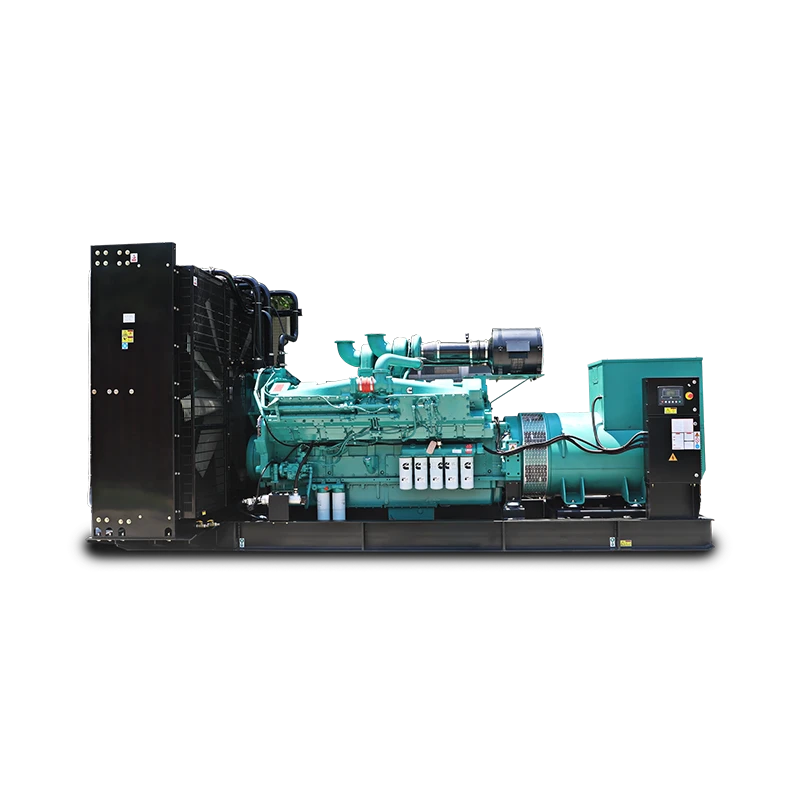
Les générateurs diesel dominent le segment des bateaux de taille moyenne et grande en raison de leur compatibilité avec le carburant et de leur longévité. Un générateur marin diesel bien entretenu peut fournir 15 000 heures de service avant une révision majeure, et le carburant est intrinsèquement plus sûr à stocker à bord que l'essence. Les générateurs inverter, souvent dans la gamme de 2 à 5 kW, conviennent aux propriétaires qui ont seulement besoin de recharger les batteries et de faire fonctionner des charges légères pendant la nuit tout en maintenant un niveau sonore minimal. Les modèles à essence constituent une option d'entrée économique mais nécessitent une ventilation diligente et une surveillance du monoxyde de carbone.
Si votre programme implique d’intégrer un générateur dans un système électrique existant avec des configurations sophistiquées de charge de batterie et d’onduleurs, il est utile de confirmer la compatibilité de tension et les options du panneau de contrôle avant de finaliser votre achat. Contactez notre équipe à [email protected] pour des conseils techniques sur l’association des composants.
Caractéristiques clés qui définissent un générateur marin fiable
Au-delà du type de carburant, la qualité de fabrication distingue un générateur qui dure des années en service en eau salée d’un autre qui devient une source de maintenance après une saison. D’après mon expérience avec les systèmes d’alimentation auxiliaire marine, je recommande de privilégier ces quatre caractéristiques.
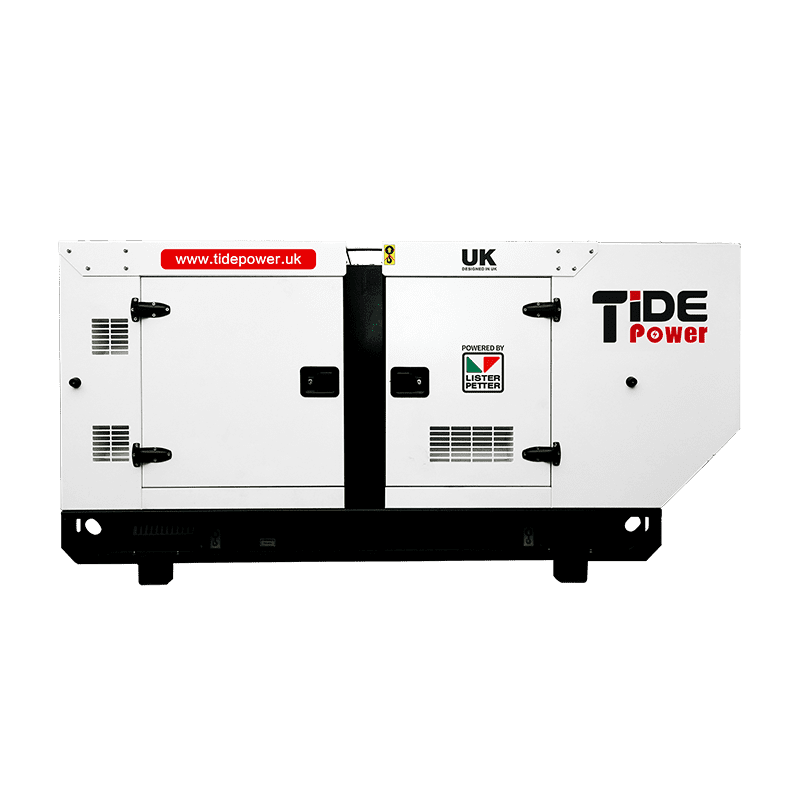
La résistance à la corrosion est non négociable. Un générateur marin fonctionne dans un environnement à haute humidité et chargé de sel. Recherchez des boîtiers avec des fixations en acier inoxydable, des enroulements enduits d’époxy et des capots en aluminium de qualité marine ou en acier traité. La série Fenova Plus de Tide Power Technology, par exemple, utilise un capot insonorisé avec des normes de protection élevées et des panneaux amovibles conçus pour résister aux conditions extérieures difficiles.
Le système de refroidissement doit être robuste. Le refroidissement direct par eau de mer brute est courant mais nécessite des filtres et de l’eau de mer propre. Les systèmes à échangeur de chaleur en boucle fermée offrent une meilleure protection du moteur en empêchant l’eau salée d’entrer dans le bloc moteur. Ils coûtent plus cher mais prolongent considérablement la durée de vie du moteur.
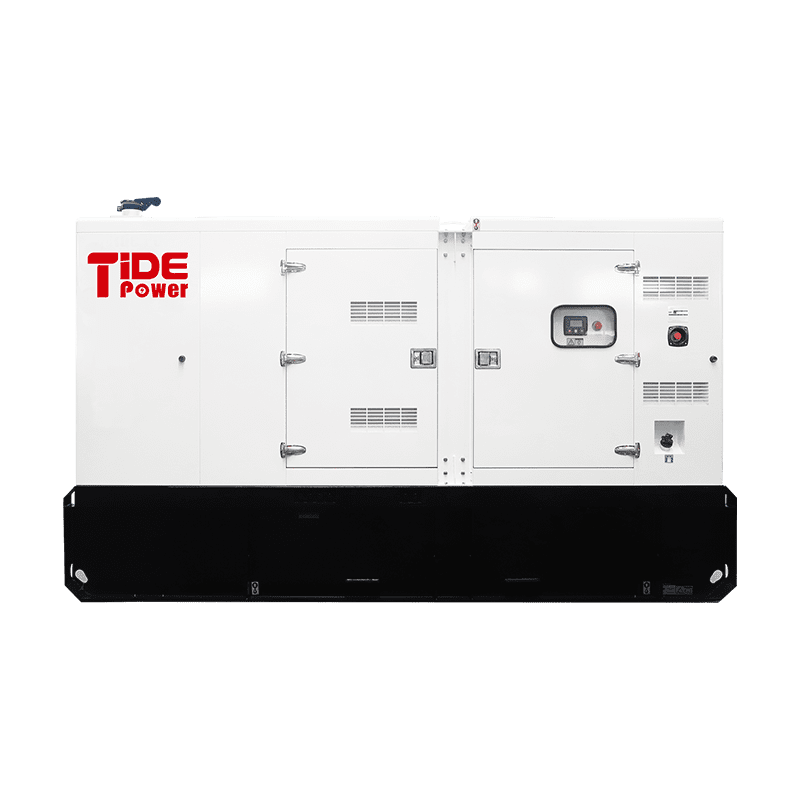
L’isolation phonique est plus importante qu’il n’y paraît pour de nombreux propriétaires. Un générateur fonctionnant 24 heures sur 24 dans une anse calme peut ruiner la sérénité. Les groupes électrogènes diesel silencieux avec des enceintes acoustiques réduisent le niveau sonore à environ 65–70 dBA à 7 mètres, ce qui reste audible mais constitue une amélioration notable par rapport aux modèles à cadre ouvert. Le Série Hemera groupe électrogène diesel silencieux est conçu pour des environnements sensibles au bruit comme les hôpitaux et les systèmes de secours résidentiels, et cette même philosophie de faible bruit se transpose bien aux applications marines où le fonctionnement silencieux est une exigence primordiale.
L’intégration du système de contrôle complète la liste. Un générateur marin moderne doit offrir un démarrage automatique en cas de batterie faible, une surveillance à distance et un diagnostic des défauts accessible depuis le poste de pilotage. Cela réduit la charge de l’équipage et détecte les petits problèmes avant qu’ils ne deviennent coûteux à réparer.
Considérations de dimensionnement et d’installation
Le choix de la puissance en kilowatts commence par un calcul réaliste de la charge. Énumérez tous les appareils AC que vous prévoyez de faire fonctionner simultanément, y compris la surcharge de démarrage pour des moteurs comme les compresseurs de climatisation et les générateurs d’eau. En règle générale, un yacht de croisière de 12 mètres avec deux unités de climatisation, un générateur d’eau, un chargeur de batteries et des appareils de cuisine nécessite généralement un générateur de 8 à 15 kW. Les plus petits voiliers peuvent souvent se contenter d’une unité de 3 à 5 kW. Un dimensionnement excessif entraîne une accumulation de carbone et du « stacking humide » dû à un fonctionnement prolongé en charge légère ; un sous-dimensionnement provoque des déclenchements de surcharge et une durée de vie raccourcie de l’équipement.
L’emplacement de l’installation nécessite une planification minutieuse. Le générateur doit disposer d’un compartiment dédié avec une ventilation adéquate pour gérer la dissipation de chaleur du moteur et de l’alternateur. Les générateurs diesel nécessitent une ligne d’alimentation en carburant avec un filtre primaire et secondaire. La conception du système d’échappement doit inclure un silencieux à levage d’eau, une boucle anti-siphon et un routage approprié des tuyaux pour éviter l’ingestion d’eau de mer dans le moteur. J’ai vu des cas où une mauvaise installation de l’échappement a coûté à un propriétaire une reconstruction complète du moteur après une seule vague. Ne sous-estimez pas l’importance d’un surveyor marin ou d’un électricien marin expérimenté pour examiner votre plan d’installation.
 ## Trouver le bon générateur marin pour votre navire
La décision d’installer un générateur marin représente un investissement important dans la capacité de votre bateau et votre tranquillité d’esprit. Un générateur marin diesel dimensionné correctement pour votre profil de charge, construit avec des matériaux résistants à la corrosion, et installé avec une attention particulière aux exigences de sécurité spécifiques à la marine vous servira de manière fiable pendant plus d’une décennie. La frustration d’un appareil mal dimensionné ou mal installé est quelque chose que tout propriétaire expérimenté souhaite éviter.
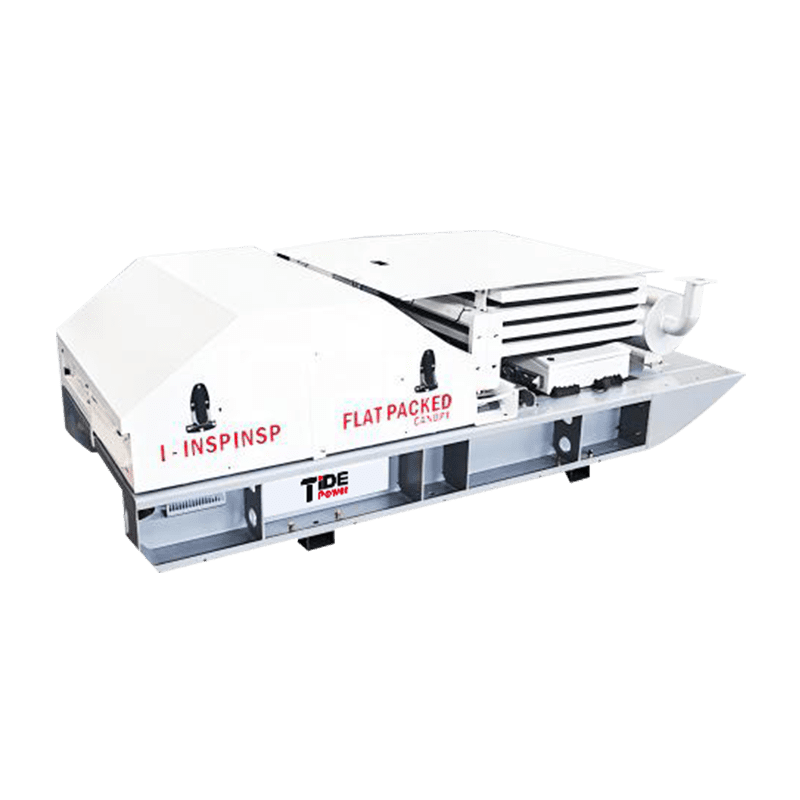
Si vous spécifiez un générateur pour une nouvelle construction ou une reconversion, avoir accès à une large gamme d’options de moteurs et de fonctionnalités personnalisables réduit les compromis. La Série I CKD plateforme de Tide Power Technology permet une configuration flexible des moteurs, alternateurs et accessoires afin que vous puissiez adapter l’unité à l’architecture électrique exacte de votre bateau. La Fenova Plus de Fenova offre une solution diesel silencieuse avec une disponibilité multi-marques de moteurs et une conformité CE/ISO, adaptée à la fois pour le secours et le service continu à bord de navires commerciaux et privés.
Pour discuter de vos besoins en énergie et recevoir une proposition de spécifications, partagez votre liste de charge, votre cycle de service prévu et toute contrainte d'espace avec notre équipe. Envoyez un email à [email protected] ou appelez le +86 591 2806 8999. Une recommandation personnalisée, basée sur des installations marines réelles à travers plusieurs continents, ne vous coûte rien et peut éviter une incompatibilité coûteuse.
Questions fréquentes sur les générateurs marins
Quel entretien nécessite un générateur marin ?
Un générateur marin diesel nécessite des changements d'huile et de filtre tous les 100 à 150 heures de fonctionnement, le remplacement de l'impulseur annuellement ou tous les 200 heures, le changement du filtre à carburant, et une inspection périodique de l'anode en zinc. Les systèmes de refroidissement par eau de mer requièrent une attention supplémentaire au nettoyage des filtres et à l'intégrité des tuyaux. Je conseille aux propriétaires de tenir un journal et de faire fonctionner le générateur sous charge pendant au moins 30 minutes toutes les deux semaines pendant les périodes de stockage. Cela permet de lubrifier les joints et d'éviter la corrosion liée à l'humidité à l'intérieur du moteur. Négliger ces tâches simples est la cause la plus courante de défaillance prématurée d'un générateur autrement bien construit.
Un générateur marin vaut-il l'investissement pour les plaisanciers du week-end ?
Cela dépend de la façon dont vous utilisez votre bateau. Si vos excursions du week-end se limitent à une nuit à l'ancre avec une demande électrique minimale, une grande banque de batteries avec un alternateur à haute puissance et un onduleur peuvent suffire. Cependant, si vous utilisez régulièrement la climatisation, un désalinisateur ou si vous avez besoin d'une puissance prolongée sans faire tourner le moteur, un petit générateur marin prouve rapidement sa valeur. La différence de confort entre surveiller un moniteur de batterie et faire fonctionner les appareils librement est considérable. Réfléchissez à votre schéma typique et si l'anxiété liée à l'énergie a déjà raccourci un voyage.
Puis-je installer un générateur marin moi-même ?
La réponse courte est que, sauf si vous détenez des certifications en électricité et mécanique marine, l'installation professionnelle est fortement recommandée. Les générateurs impliquent des lignes de carburant, des systèmes d'échappement, un câblage en courant continu et alternatif à haute intensité, des raccords traversants pour l'eau de refroidissement, et une isolation contre les vibrations lourdes. Chacun de ces éléments est un point potentiel de défaillance pouvant mettre en péril un bateau ou créer un risque d'incendie. Même de petites erreurs dans la conception de l'échappement peuvent entraîner une ingestion d'eau et la destruction du moteur. Le coût d'un électricien marin expérimenté et d'un expert en inspection est négligeable comparé au coût d'une erreur.
Comment choisir entre un générateur diesel et un générateur à onduleur ?
Commencez par vos besoins en puissance et l'espace disponible. Les générateurs diesel offrent une puissance soutenue pour de lourdes charges et de longues durées de fonctionnement, et sont la norme pour les bateaux de croisière de plus de 10 mètres. Les générateurs à onduleur sont extrêmement silencieux et économes en carburant en charge partielle, mais plafonnent autour de 5 kW, ils sont donc mieux adaptés pour recharger les banques de batteries et faire fonctionner des charges légères. Si votre bateau utilise déjà du diesel pour le moteur principal, rester avec un générateur diesel simplifie la gestion et le stockage du carburant. Pour les propriétaires avec un seul moteur à essence, un générateur à onduleur peut être la solution d'intégration la plus simple. Partagez votre liste de charge typique et votre profil de voyage avec un fournisseur capable de fournir des conseils basés sur des données. Contactez Tide Power Technology à [email protected] pour une consultation prenant en compte l'architecture électrique spécifique de votre bateau.
Si cela vous intéresse, consultez ces articles connexes :
Réunion de vente mondiale Tide Power 2024 organisée avec succès
Une nouvelle ère de puissance mobile : Tide Power dévoile un conteneur solaire pliable révolutionnaire
Tide Power présenté dans China Daily : Innovation leader dans les solutions d'énergie