 EN
EN ZH
ZH FR
FR ES
ES AR
ARFor many boat owners, a marine generator is the difference between a comfortable extended cruise and a trip cut short by dead batteries. This article provides a clear overview of marine generator basics for boat owners who need reliable auxiliary power without the confusion of technical sales pitches. Drawing on over a decade of global energy solutions experience, I will guide you through the marine generator types, selection criteria, and practical considerations that matter most when outfitting your vessel.
What a Marine Generator Does and Why It Matters
A marine generator converts mechanical energy from a diesel or gas engine into electrical power specifically for onboard use. Unlike shore power that ties you to a marina, a marine generator gives you autonomy. It keeps your battery banks charged, runs your air conditioner, powers your refrigerator and navigation systems, and lets you use appliances without running the main engine at low loads, which can lead to carbon buildup over time.
For cruisers spending nights on the hook or making long offshore passages, a generator is not a luxury. It provides the electrical foundation for safety and liveaboard comfort. The absence of reliable auxiliary power turns a well planned voyage into a constant calculation of battery voltage and conservation. When I speak with boat owners at international trade events, they consistently rank unpredictable electrical supply as a top frustration. A properly specified marine generator eliminates that stress.
Marine Generator Types and Their Applications
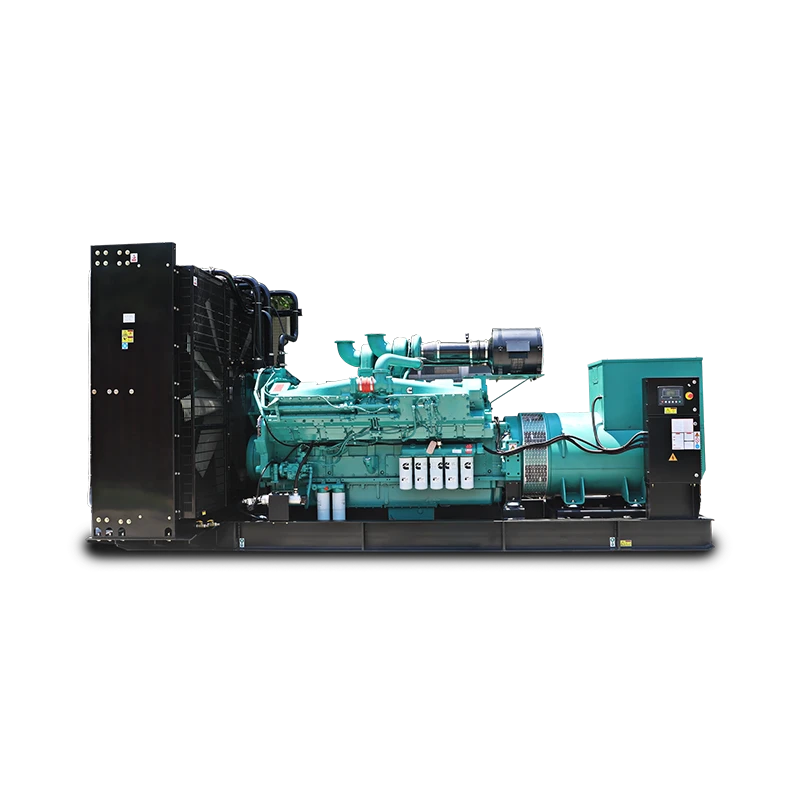
Marine generators fall into three main categories based on the prime mover and technology. The table below outlines the core differences.
| Generator Type | Typical Use | Key Advantage | Key Consideration |
|---|---|---|---|
| Diesel Marine Generator | Cruising yachts, commercial boats | Fuel efficiency, durability, long service life | Higher initial cost, heavier |
| Gasoline Marine Generator | Small runabouts, weekend boats | Lower upfront price, lighter weight | Shorter lifespan, higher fire risk |
| Inverter Generator | Compact sailboats, quiet environments | Variable speed fuel efficiency, low noise | Limited power output for large loads |
Diesel generators dominate the mid-size and large boat segment because of their fuel compatibility and longevity. A well maintained diesel marine generator can deliver 15,000 hours of service before major overhaul, and the fuel is inherently safer to store aboard than gasoline. Inverter generators, often in the 2–5 kW range, suit owners who only need to top up batteries and run light loads overnight while keeping noise to a minimum. Gasoline models fill the budget conscious entry point but require diligent ventilation and carbon monoxide monitoring.
If your program involves integrating a generator into an existing electrical system with sophisticated battery charging and inverter setups, it is worth confirming voltage compatibility and control panel options before finalizing your purchase. Contact our team at [email protected] for technical guidance on matching components.
Key Features That Define a Reliable Marine Generator
Beyond the fuel type, the build quality separates a generator that lasts years of saltwater service from one that becomes a maintenance headache after one season. From my work with marine auxiliary power systems, I recommend prioritizing these four features.
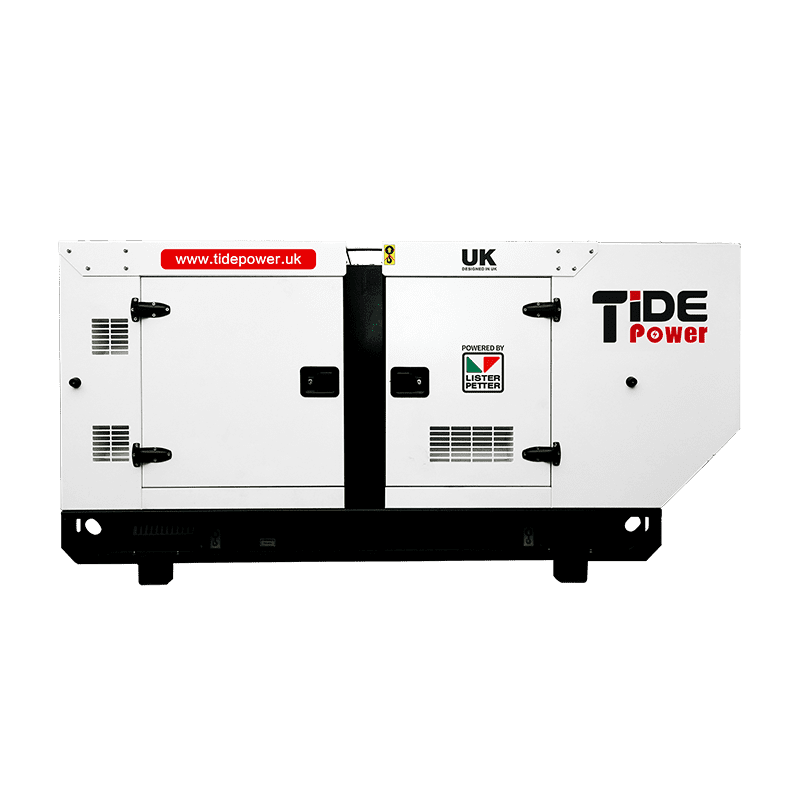
Corrosion resistance is non-negotiable. A marine generator operates in a high humidity, salt laden environment. Look for enclosures with stainless steel fasteners, epoxy coated windings, and marine grade aluminum or treated steel canopies. Tide Power Technology’s Fenova Plus Series, for example, uses a soundproof canopy with high protection standards and liftable panels designed to withstand harsh outdoor conditions.
The cooling system must be robust. Direct raw water cooling is common but requires strainers and clean seawater. Closed loop heat exchanger systems provide better engine protection by keeping saltwater out of the engine block. They add cost but extend engine life significantly.
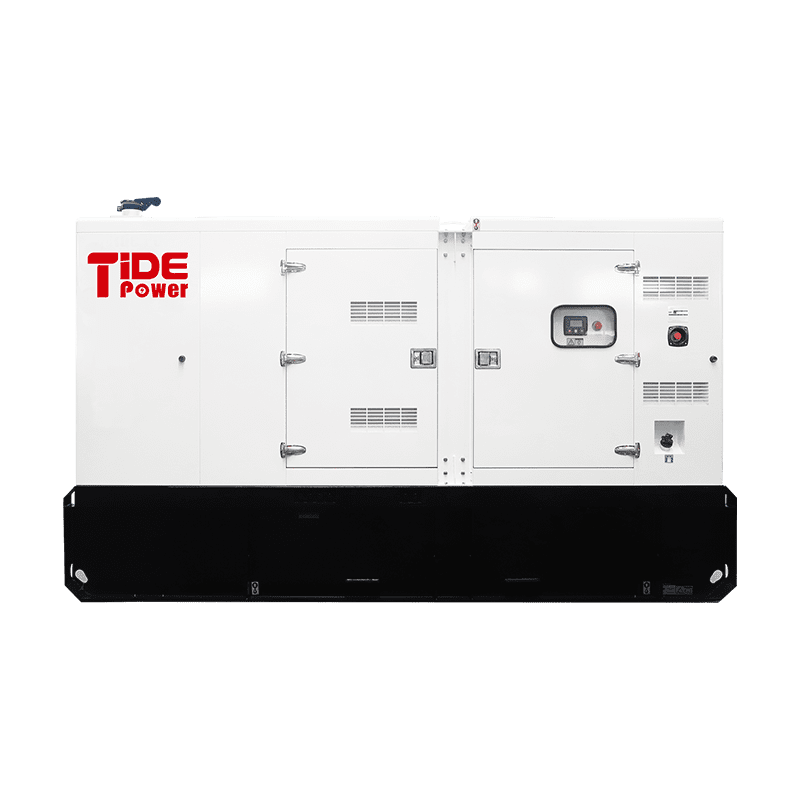
Noise isolation matters more than many owners realize. A generator running 24 hours a day in a quiet anchorage can ruin the serenity. Silent diesel generator sets with acoustic enclosures bring sound levels down to around 65–70 dBA at 7 meters, which is still audible but a substantial improvement over open frame designs. The Hemera Series silent diesel generator set is engineered for noise sensitive environments like hospitals and residential backup, and that same low noise design philosophy translates well to marine applications where quiet operation is a prime requirement.
Control system integration rounds out the list. A modern marine generator should offer automatic start on low battery, remote monitoring, and fault diagnostics accessible from the helm. This reduces crew workload and catches small problems before they escalate into costly repairs.
Sizing and Installation Considerations
Selecting the right kilowatt rating starts with a realistic load calculation. List every AC device you plan to run simultaneously, including startup surge for motors like air conditioner compressors and water makers. As a rule of thumb, a 40-foot cruising yacht with two air conditioning units, a water maker, battery charger, and galley appliances typically requires a generator in the 8–15 kW range. Smaller sailboats can often manage with a 3–5 kW unit. Oversizing leads to wet stacking and carbon buildup from prolonged light load running; undersizing leads to overload trips and shortened equipment life.
Installation location requires careful planning. The generator needs a dedicated compartment with adequate ventilation to manage heat rejection from the engine and alternator. Diesel generators require a fuel supply line with a primary and secondary filter. Exhaust system design must include a water lift muffler, anti-siphon loop, and proper hose routing to prevent seawater ingestion into the engine. I have seen cases where a poorly installed exhaust cost an owner a complete engine rebuild after a single wave event. Do not underestimate the importance of a marine surveyor or experienced marine electrician reviewing your installation plan.
 ## Finding the Right Marine Generator for Your Vessel
The decision to install a marine generator represents a significant investment in your boat’s capability and your peace of mind. A diesel marine generator sized correctly for your load profile, built with corrosion resistant materials, and installed with attention to marine specific safety requirements will serve you reliably for over a decade. The frustration of an improperly sized or poorly installed unit is something every experienced boat owner hopes to avoid.
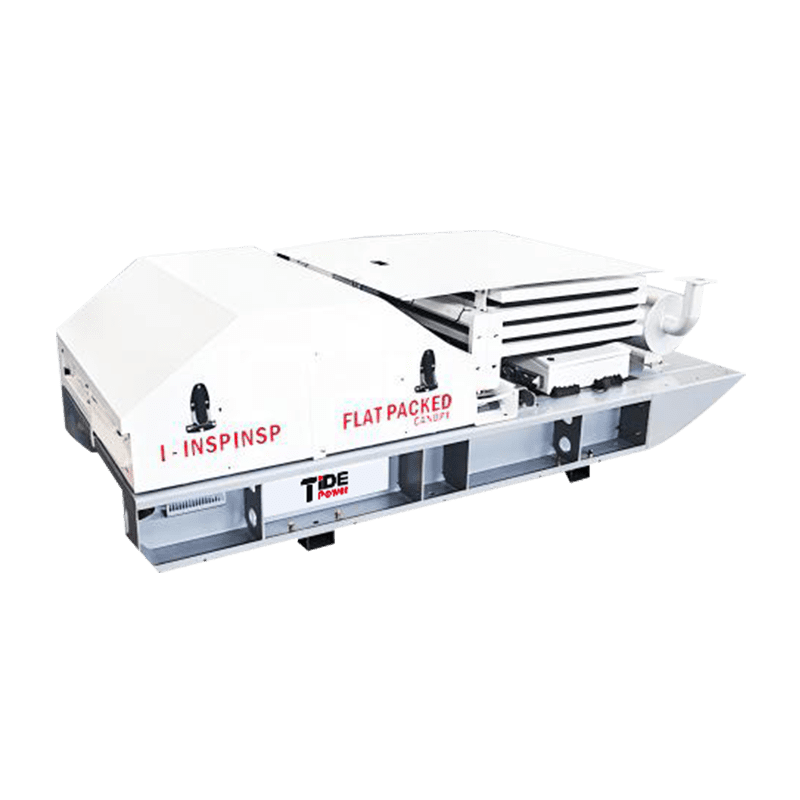
If you are specifying a generator for a new build or repowering an existing boat, having access to a wide range of engine options and customizable features reduces compromise. Tide Power Technology’s I Series CKD platform allows flexible configuration of engines, alternators, and accessories so you can match the unit to your boat’s exact electrical architecture. The Fenova Plus Series offers a silent diesel solution with multi-brand engine availability and CE/ISO compliance, suitable for both standby and continuous duty aboard commercial and private vessels.
To discuss your power requirements and receive a specification proposal, share your load list, intended duty cycle, and any space constraints with our team. Email [email protected] or call +86 591 2806 8999. A tailored recommendation, grounded in real world marine installations across multiple continents, costs you nothing and can prevent a costly mismatch.
Common Questions About Marine Generators
What maintenance does a marine generator require?
A diesel marine generator needs oil and filter changes every 100 to 150 running hours, impeller replacement annually or every 200 hours, fuel filter changes, and periodic zinc anode inspection. Raw water cooling systems require extra attention to strainer cleaning and hose integrity. I advise owners to keep a log and to run the generator under load for at least 30 minutes every two weeks during storage periods. This keeps seals lubricated and prevents moisture related corrosion inside the engine. Neglecting these simple tasks is the most common cause of early failure on an otherwise well built generator.
Is a marine generator worth the investment for weekend boaters?
It depends on how you use your boat. If your weekend trips are limited to one overnight at anchor with minimal electrical demand, a large battery bank with a high output alternator and an inverter may cover your needs. However, if you regularly run air conditioning, a water maker, or need extended power without engine run time, a small marine generator quickly proves its value. The comfort difference between monitoring a battery monitor versus running appliances freely is substantial. Think about your typical pattern and whether power anxiety has ever shortened a trip.
Can I install a marine generator myself?
The short answer is that unless you hold marine electrical and mechanical certifications, professional installation is strongly recommended. Generators involve fuel lines, exhaust systems, high amperage DC and AC wiring, through-hull fittings for cooling water, and heavy vibration isolation. Each one of these is a potential failure point that can sink a boat or create a fire hazard. Even small errors in exhaust design can lead to water ingestion and engine destruction. The cost of an experienced marine electrician and a surveyor is negligible compared to the cost of getting it wrong.
How do I choose between a diesel and an inverter generator?
Start with your power needs and space available. Diesel generators provide sustained power for large loads and long run times and are the standard for cruising boats over 35 feet. Inverter generators are extremely quiet and fuel efficient at partial load but top out around 5 kW, so they work best for topping off battery banks and running light loads. If your boat already carries diesel for the main engine, sticking with a diesel generator simplifies fuel management and storage. For owners with a single gasoline engine, an inverter generator may be the simpler integration path. Share your typical load list and voyage profile with a supplier who can provide data driven guidance. Contact Tide Power Technology at [email protected] for a consultation that factors in your boat’s specific electrical architecture.
If you’re interested, check out these related articles:
Tide Power 2024 Global Sales Meeting Successfully Held
A New Era of Mobile Power: Tide Power Unveils Game-Changing Foldable Solar Container
Tide Power Featured in China Daily: Leading Innovation in Power Solutions