 FR
FR EN
EN ZH
ZH ES
ES AR
ARSmart microgrid security is a procurement issue before it is a software issue. Over the past ten years working on energy projects across multiple continents, I have watched too many teams evaluate generators, batteries, and inverters on cost and efficiency, then treat secure access and firmware integrity as items to add later. That sequence is backwards. Once a microgrid is commissioned with remote telemetry and third-party monitoring accounts, closing the gaps is far more expensive than specifying controls during equipment selection. This article covers the specification decisions that determine most of the attack surface.
The Procurement Case for Smart Microgrid Security
Security should enter the conversation before a purchase order is drafted. When buyers compare only kilowatt ratings, fuel consumption, and battery capacity, they leave the most consequential decisions to whatever defaults the supplier has configured. Those defaults are usually designed for convenient commissioning, not least privilege. A generator controller with open IP interfaces may give a remote operator more control than the site actually needs. That extra control becomes a liability if credentials are shared, unchanged, or exposed through a connected monitoring platform.
Procurement teams are well placed to change this. They control specification language, acceptance criteria, and supplier evaluation. If the tender states that all remote writable functions must be identified and documented, suppliers will treat security as a scored item. If the tender stays silent, security work tends to shrink into a short mention in a commissioning checklist. The earlier the requirement appears, the lower the cost of compliance.
Attack Surfaces That Change Microgrid Specification
Three attack surfaces deserve attention before equipment is ordered.
Device and Firmware Integrity
Controllers, inverters, and battery management systems are small computers attached to power equipment. Their firmware decides what commands they accept and what telemetry they expose. Ask whether firmware updates are signed, whether version downgrades are blocked, and whether local maintenance ports require authentication. A controller that accepts unsigned firmware can be altered through a maintenance laptop long before network defenses matter. The same concern applies to replacement modules. A spare battery management system with unknown firmware provenance can carry a compromise into an otherwise clean installation.
Network Segmentation and Remote Access
Remote access should not sit on the same network as day-to-day business systems. If the energy management system shares a subnet with office printers, email, and user endpoints, a phishing event can spread into the microgrid. Specify that telemetry and control traffic are segmented, and require a separate path for reading data and sending commands where the project scope justifies both. For many backup and off-grid sites, a read-only monitoring link is enough and removes the risk of remote start or stop commands being issued by an intruder.
Physical and Supply Chain Controls
Physical access remains a major gap. A locked enclosure does little if the controller has an open USB port or an unsealed service panel. Tamper evident seals, keyed access, and logged openings should be part of the equipment specification. Supply chain controls matter equally. If replacement controllers can be ordered from unvetted distributeurs, firmware integrity becomes impossible to verify. Confirm that the supplier records serial numbers, firmware versions, and source history for controllers and battery modules.
| Attack surface | Specification question |
| Device firmware | Is firmware signed and version controlled? |
| Remote access | Is telemetry separated from control commands? |
| Physical access | Are enclosures tamper evident and access logged? |
| Supply chain | Are replacement modules shipped with verified firmware? |
Control Architecture Decisions That Affect Exposure
The architecture of the energy management system determines whether a single compromised account can start a generator, disconnect a battery, or alter protection settings. In most cases, the safest design is to separate energy management from external monitoring. The energy management system should be the only component with write access across generation sources and storage. External dashboards should receive read-only data unless a remote command is an actual operating requirement.
If your project does not require remote start, specify a read-only interface. That single decision removes an entire class of attack without adding cost. If remote start is required, restrict it to named workspaces, enforce multi-factor authentication, and maintain a command log. For hybrid solar, storage, and generator systems, verify that the dispatch logic cannot be changed through the monitoring portal.
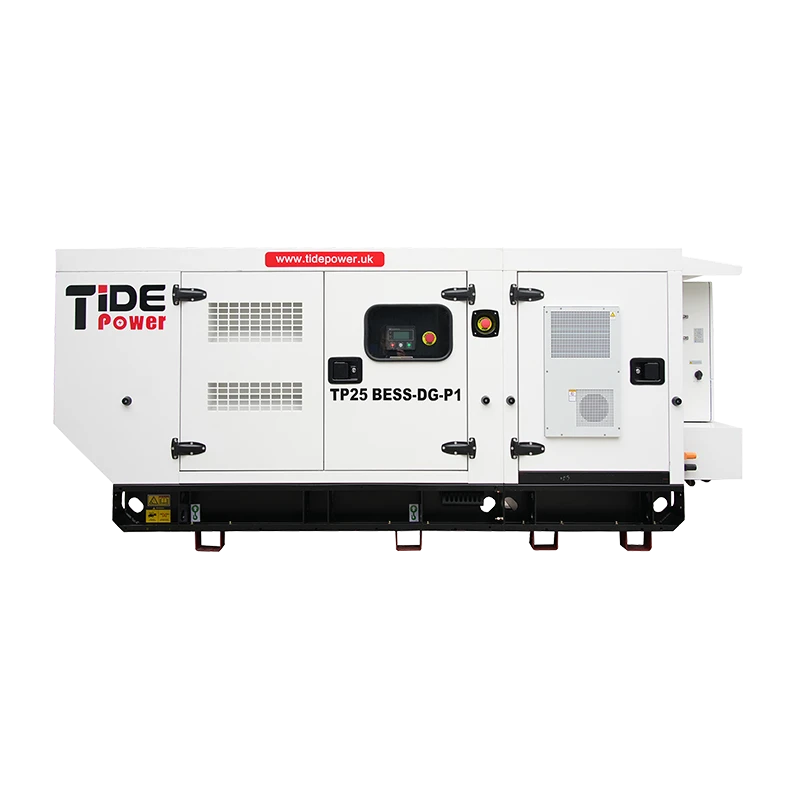
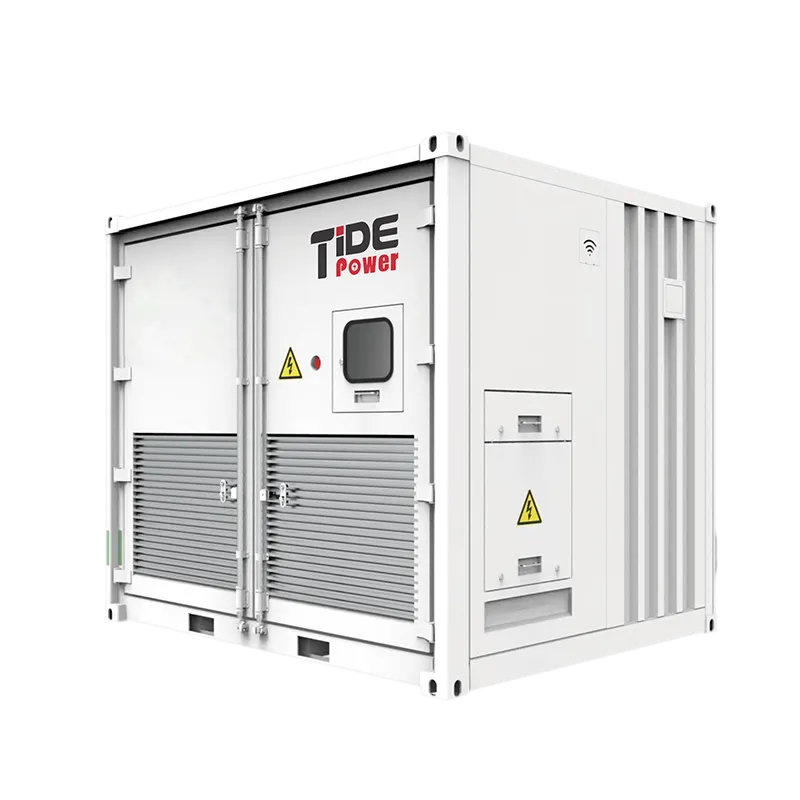
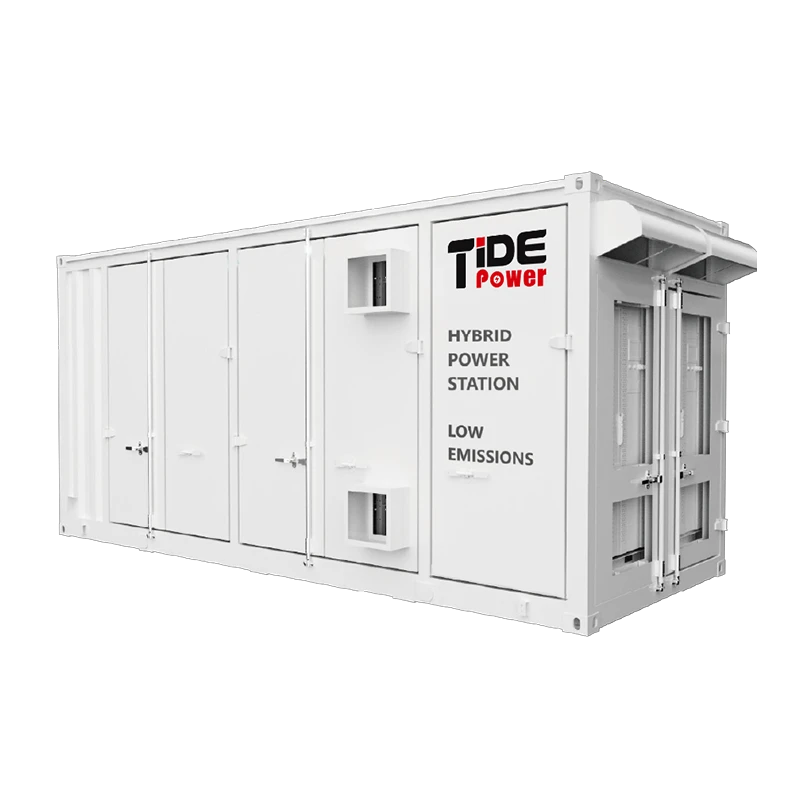
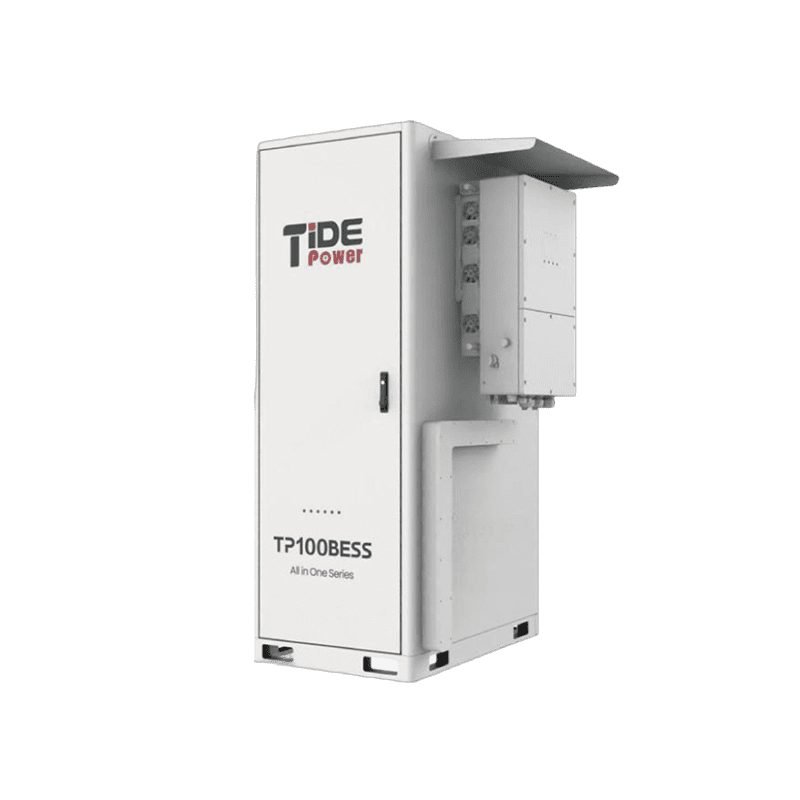
Tide Power’s hybrid energy system lists intelligent power dispatch and millisecond-level switching as design features, and those same control paths should be reviewed for read/write separation before purchase. If your microgrid includes remote start, third-party monitoring, or multiple generation sources, it is worth confirming where write access sits before you finalize the equipment list. Email [email protected] with your control architecture and we will check which paths need separation.
Supplier Questions That Reveal Security Readiness
Ask direct questions before evaluating credentials. The first is default password policy: does the supplier require password changes before commissioning and after any service visit? The second is firmware update process: are updates signed, distributed through a controlled channel, and verified before installation? The third is remote access: does the standard design permit read-only monitoring without exposing control commands? The fourth is supply chain: are replacement controllers and battery modules serialized with recorded firmware provenance?
Do not accept verbal reassurance. Ask for the written security baseline or configuration matrix. A supplier that can produce a short document listing writable parameters, user roles, and update procedures has already done the internal work. A supplier that hesitates on these questions may deliver a functional microgrid with unresolved exposure.
Where possible, make the answers part of the contract. A one-page security annex is cheaper than retrofitting segmentation and update controls after commissioning.
A Starting Point for Smart Microgrid Security Requirements
The hardest part of smart microgrid security is that most gaps become clear only after a configuration is approved. Procurement teams can reverse that by treating remote access boundaries and firmware verification as pre-order requirements, not as post-installation findings. Start with a single-line diagram and a list of every component that will carry a network connection.
If your project includes remote telemetry, third-party monitoring, or multiple generation sources, it is worth confirming the access model and firmware update process before finalizing your purchase. Send your single-line diagram and the list of components that require remote access to [email protected], or call +86 591 2806 8999, and we will identify which interfaces need the tightest controls. The first hour of clarification costs less than any post-commissioning fix.
Common Questions About Smart Microgrid Security
Does a small microgrid need the same security controls as a utility-scale system?
A common assumption is that only large utility projects need detailed security controls. That assumption fails once a small system has remote telemetry or third-party monitoring. The attack surface comes from connectivity and writable interfaces, not from megawatts. A 250 kVA microgrid with an exposed controller can present the same remote access risk as a much larger installation. Match controls to the number of remote paths, not to project size. If a site has no remote writable functions, the requirement is simpler. If it has remote start plus a monitoring portal, it needs segmentation, signed firmware, and named user roles.
How do I know if a supplier’s firmware update process is secure?
A secure firmware update process is visible before any update happens. Ask for the complete path: where the update package is generated, how it is signed, how it reaches the site, and whether installation requires physical confirmation. The supplier should state that signed packages are version controlled and that unauthorized downgrades are blocked. If the answer is that an engineer stops by with a USB drive and no ledger, the process is not secure. Written procedures matter because firmware changes hand control of power equipment to whoever can install the update. Confirm that the same process applies to spare controllers and battery modules, not only the original build.
Can battery storage introduce security risk?
In the projects I have reviewed, battery storage risk usually enters through the battery management system, not the cells. The BMS is a controller with network access, firmware, and authority over charging and protection thresholds. A compromised BMS can change thermal limits, disable protections, or report false state-of-charge data. The risk becomes visible when a site accepts an unsigned BMS firmware update through a maintenance port. Ask whether the battery modules are serialized, whether the BMS validates firmware signatures, and whether protection settings can be changed remotely. Storage adds value only when its controller remains as protected as the generator and switchgear controls.
What is the first security requirement to define for a microgrid?
The first requirement depends on how the microgrid will be operated. If the system will be monitored but never controlled remotely, the first boundary is read-only telemetry. That means the monitoring portal can view voltage, load, and fuel level but cannot send start, stop, or setting changes. If remote operation is required, the first boundary is a named user role matrix with the fewest possible writable accounts. Define who can send commands, from which network, under what authentication, and with what log. Send your site configuration to [email protected] and we will map those boundaries before equipment is ordered.
Si cela vous intéresse, consultez ces articles connexes :
Tide Power dévoile des solutions hybrides avancées, redéfinissant la résilience énergétique industrielle
Rejoignez Tide Power à bauma CHINA 2024
TIDE POWER TP200BESS : Stockage hybride avancé pour l'efficacité industrielle
Les groupes électrogènes Supersilent sont utilisés dans les projets de télécommunication en France