
 EN
EN ZH
ZH FR
FR ES
ES AR
ARMost 2 ton mini excavator buying guide pages start with horsepower and digging depth. Those numbers matter, but they do not show how the machine behaves when two hydraulic functions run at once or whether the supplier will still respond after delivery. This guide focuses on the checks that prevent the more expensive procurement failures: auxiliary flow, attachment compatibility, parts availability, and import terms. A 2 ton mini excavator buying guide should do more than describe a machine; it should prepare you to qualify the supplier behind it.
Why Should a 2 Ton Mini Excavator Buying Guide Start With Hydraulics?
A useful 2 ton mini excavator buying guide starts with the hydraulic circuit because the engine is rarely the limiting factor in this class. The engine and travel speed are easy to compare, but the hydraulic system is where an under specified machine shows up first. On a 2 ton machine, auxiliary flow and pump capacity decide whether a hydraulic thumb, auger, or tilt bucket cycles quickly or bogs under load. If the machine cannot hold rated flow while the boom lifts, the attachment cycle slows and the operator begins working around the machine instead of with it.
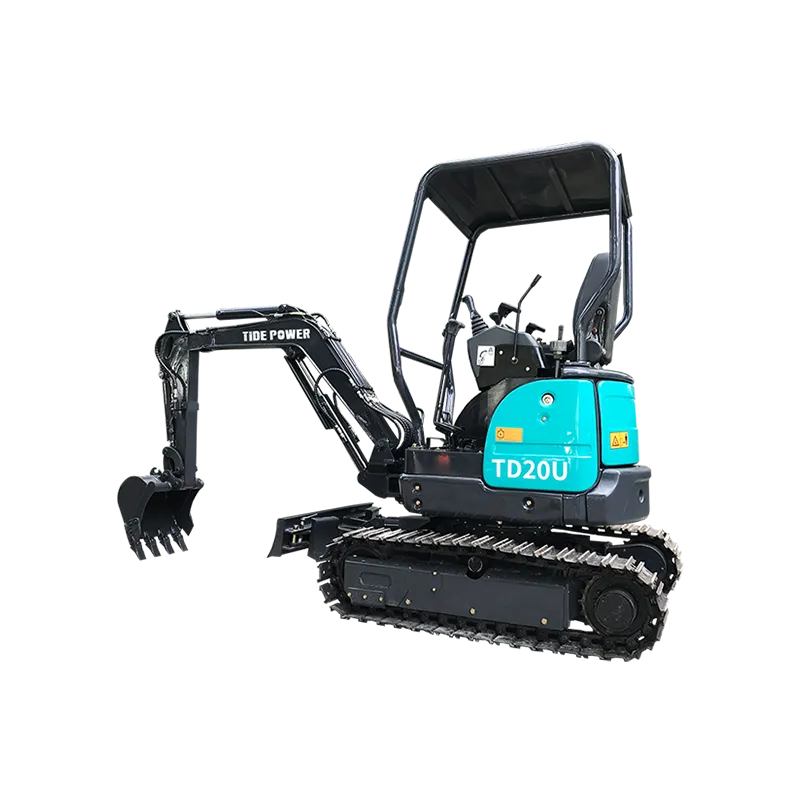
Ask the supplier for a hydraulic schematic and rated flow at the auxiliary ports, not just the pump displacement. This is the first spec I check when reviewing a compact machine for an international project, because a weak hydraulic package is easier to correct on paper than on a job site. A 2 ton excavator with sufficient flow feels predictable in trenching and grading work. One running at the edge of its flow capacity will overheat, lose cycle speed, and force operators into slower, less precise movements.
Which Specifications Matter Most in a 2 Ton Mini Excavator Buying Guide?
A 2 ton class machine is not one fixed configuration. Operating weight, track type, tail swing, and auxiliary hydraulic flow change how the machine behaves on a confined site. Compare the following checkpoints against the actual work, not against a competitor page that lists the highest number.
| Checkpoint | What to confirm | Why it changes the purchase |
|---|---|---|
| Operating weight | Is the machine between roughly 1.8 and 2.2 tonnes in working order? | Transport, ground pressure, and lifting stability |
| Digging depth and reach | Are depth and reach measured from the same reference point? | Trenching and backfill capability |
| Auxiliary hydraulic flow | What is the rated flow and pressure at the coupler? | Powered attachment cycle speed and heat load |
| Track width and ground pressure | What is the track width and full machine width? | Site access, turf damage, and side slope stability |
| Tail swing | Is it zero tail swing or reduced tail swing? | Working next to walls and in tight lanes |
Some buyers fixate on digging depth because it is printed at the top of every data sheet. Depth matters for trenching, but reach, dump height, and bucket breakout force often decide whether the machine completes a cycle without repositioning. On a restricted site, reduced or zero tail swing can be worth more than a small increase in dig depth, because it lets the same machine work against a building line without constant track adjustments.
If your work includes a hydraulic breaker, auger, or hydraulic thumb, confirm the coupler pressure rating and auxiliary flow before finalizing the order. A mismatch here is more expensive to correct after delivery than before. Send the attachment model and required flow to [email protected] and we can verify the correct configuration before you commit.
What Can a 2 Ton Mini Excavator Buying Guide Miss About Suppliers?
A data sheet is easy to email. A supplier that can explain the production line, replacement parts inventory, and warranty process is harder to find. For imported compact equipment, the first repair is often the first serious test of the supplier relationship. If the importer has no parts stock and no local service network, a failed drive motor becomes a parked machine for weeks.
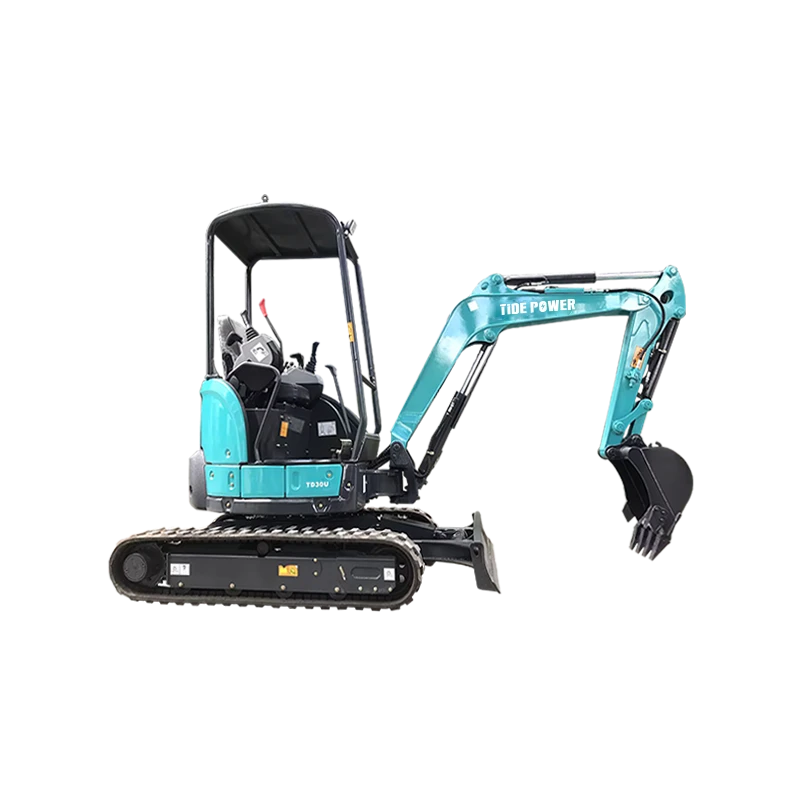
Look for a manufacturer that offers a real model range rather than a single imported unit. A lineup that runs from compact urban models through larger conventional excavators usually signals an organized production and parts program. Tide Power lists mini excavator models from TD10 through TD40U, which indicates a series based supply chain rather than a single container purchase. Ask for a parts lead time commitment, a warranty statement, and the exact spare parts kit included with the first order.
What Should You Check Before Importing a 2 Ton Mini Excavator?
Import terms decide the real cost. A machine quoted free on board is not a machine delivered to your site. Confirm whether the price includes inland transport, port charges, customs clearance, and local compliance documentation. Ask for the total landed cost before comparing two quotes, because a lower unit price with heavier freight and handling fees can reverse the purchase decision.
Also confirm the configuration before the container is sealed. Tracks, bucket size, coupler type, counterweight, auxiliary lines, and control pattern need to be fixed on the order confirmation. Changes made after production are slower and more expensive. In the multi unit procurement programs I have reviewed, the order confirmation is where most cost and specification drift appears. A clean order confirmation with part numbers for every attachment and option prevents that drift.
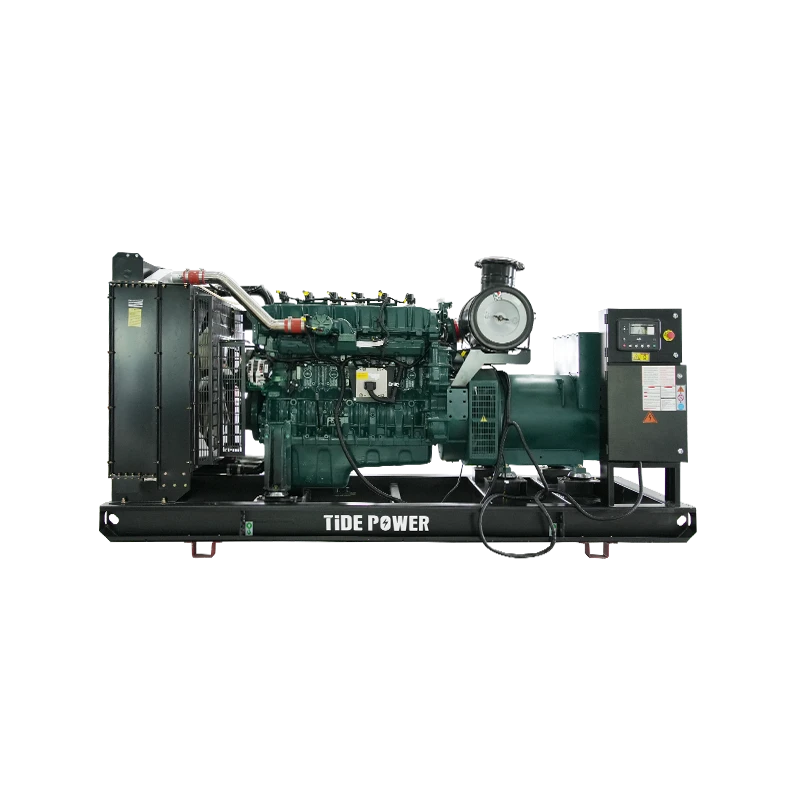
Component traceability should reach the engine, pumps, slewing motor, and final drives, not only the machine brand. The same documentation discipline applies to power equipment; for example, Tide Power documents engine partners such as Lister Petter by model and build sheet. Ask the excavator supplier for the same level of component identification before you pay the deposit.
After delivery, do not put the machine straight into production. Check engine oil, hydraulic oil, track tension, and all grease points before the first shift. Then run every hydraulic function without an attachment, followed by a short bucket work cycle. This catches transport damage and loose fittings before they become a breakdown on the first paying day.
What Should You Do Before Finalizing a 2 Ton Mini Excavator Order?
Many buyers lock in the chassis before checking whether the supplier can deliver the working configuration they need. The machine spec is half of the order. The coupler, auxiliary lines, bucket size, and spare parts kit decide whether the excavator is productive on the first day. Before you commit, send the work description, delivery port, and attachment requirements to [email protected] or call +86 591 2806 8999. We will confirm stock, configuration, and lead time against the actual order rather than sending a generic quote.
What Questions Do Buyers Ask in a 2 Ton Mini Excavator Buying Guide?
How do I decide between a 1.8 ton and a 2 ton model?
Choose the larger machine only when the extra stability or lift capacity changes the job outcome. A 1.8 ton model is easier to transport and usually carries less ground pressure. A 2 ton model gives up some of that portability for greater reach, breakout force, and stability when handling heavier attachments. If most work is trenching on soft ground, the difference may be marginal. If any lifting or reach dependent task is in the plan, the 2 ton class is the safer starting point.
Is zero tail swing worth paying for if I work in open areas?
Many buyers assume zero tail swing is an expensive option with no practical value on open ground. That misses the point. The real question is how often the machine works near walls, fences, curbs, or other equipment. If at least one project per month involves a confined area, zero tail swing saves the operator from constant repositioning. If the machine never works near a fixed object, a conventional tail swing configuration may be completely acceptable.
Should I consider a skid steer loader instead of a mini excavator?
Site conditions decide this faster than a preference list. A tracked mini excavator performs best in soft ground, rough terrain, and trenching work. A skid steer loader suits paved surfaces, material handling, and faster travel between zones. Some programs run both machines because the excavator digs and the loader moves material. If the budget allows only one machine, define the primary task first and do not buy the secondary capability as an afterthought.
Can I order a 2 ton mini excavator configured for a breaker or auger?
In procurement discussions I have handled, the coupler and auxiliary flow usually matter more than the attachment brand. Confirm the coupler type, pressure setting, and flow rating before the machine goes into production. A breaker needs consistent return flow, while an auger needs low flow at high torque. If your program involves either attachment, share the model and required flow with [email protected] and we can confirm the correct auxiliary configuration before the order closes.
If you’re interested, check out these related articles:
HCNG helps to clean up electricity
Tide Power wishes you a Happy Lantern Festival
Powering Industry & Infrastructure: Tide Power’s Advanced Pump Solutions Set New Standards in Efficiency & Reliability
How to Determining Wattage Requirements
