
 FR
FR EN
EN ZH
ZH ES
ES AR
ARCommercial energy storage has moved from pilot installations into standard business infrastructure for sites managing demand charges, unreliable grid supply, or renewable integration. A workable system is not a battery in a rack. It is a configured power package that combines cells, inverters, controls, and thermal management with a service plan. For most business buyers, the decisive factors are site compatibility and total cost of ownership, not battery chemistry alone. We approach every commercial energy storage project that way because integration errors are what turn a sound investment into underused capacity.
Core Components of Commercial Energy Storage
A commercial energy storage system has six functional layers. The battery modules store direct current energy. LFP (lithium iron phosphate) cells are the most common choice for stationary commercial use because of cycle life and thermal stability. The battery management system (BMS) monitors voltage, temperature, and state of charge across every cell string. A power conversion system (PCS) handles the alternating current interface with the facility, charging from the grid or discharging to load. Thermal management keeps cell temperatures within the operating window, and the energy management system (EMS) coordinates the entire asset against tariff signals, generator commands, and site load.
| Layer | Primary Function |
| Battery modules | Store and deliver direct current energy |
| BMS | Protect cells and balance charge state |
| PCS | Convert AC to DC and DC to AC |
| Thermal management | Maintain safe operating temperatures |
| EMS | Dispatch energy against site and tariff conditions |
| Enclosure | Protect components and manage site integration |
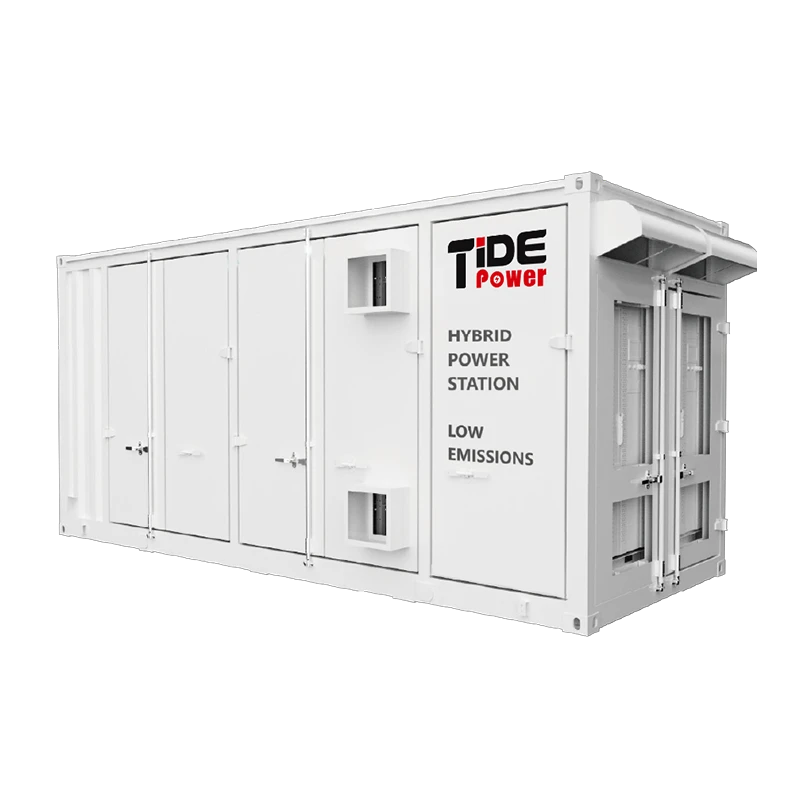
Tide Power packages these layers in modules such as the 5.12 kWh LFP battery pack, 16.1 kWh LFP battery module, and TP-50BESS through TP-261BESS storage units.
Applications That Build the Business Case
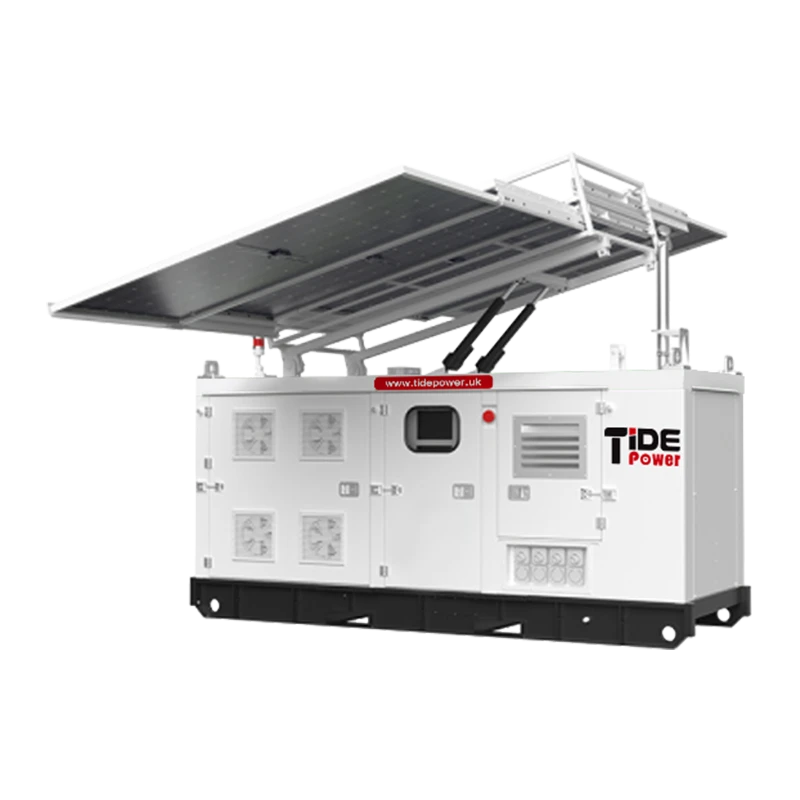
Demand charge management delivers the most direct return in markets with high peak charges. A storage system discharges during peak windows and recharges when tariffs are low. Backup power is the second common driver, especially for healthcare, data centers, telecom sites, and manufacturing lines where outage minutes carry direct cost. Renewable self-consumption makes sense when a rooftop solar array produces more than the facility can use during midday hours. In off-grid and weak-grid locations, commercial energy storage becomes part of a hybrid system alongside diesel generation and solar. A hybrid power system in the 10 kVA to 250 kVA range combines these sources into one microgrid with unattended operation.
If your site already runs a diesel generator or solar array, the storage decision changes quickly. The control interface and protection settings need to be confirmed before you finalize a battery specification. Send your single-line diagram to [email protected] and we can check which storage architecture fits without forcing a redesign.
Sizing Commercial Energy Storage to the Load Profile
Start with the interval load data, not the nameplate rating of the building. A facility with a 250 kW peak that lasts 20 minutes has a different storage requirement than one with a 60 kW peak held for four hours. The basic arithmetic is simple: average kilowatts during the peak window multiplied by hours gives kilowatt hours before derating. Add reserve capacity for battery degradation and depth of discharge limits. We ask every buyer for a 12-month interval load profile before quoting storage capacity, because seasonal demand shifts can erase the savings from a system sized on a single month. The same logic applies to commercial energy storage projects that combine peak shaving and backup duty. For tariff driven projects, align the discharge window with the highest rate period, then confirm the recharge window has enough power availability.
Integration Factors That Decide Project Success
Grid interconnection is often the long pole. A commercial energy storage system must meet local grid code, protection settings, and utility communication requirements. Generator compatibility is the next common failure point. When storage operates alongside diesel or gas generation, the generator controller, storage PCS, and site load need a defined power sharing logic. Otherwise, frequency or voltage mismatch can trip the system during the exact event it was designed to cover. Fire safety and enclosure design matter in occupied buildings. LFP chemistry reduces thermal risk, but the system still needs proper battery room ventilation, clearance, and maintenance access. We have seen more schedule delays come from late interface checks than from battery module supply. The storage unit should also include remote monitoring, event logs, and firmware updates, because a commercial asset that cannot be diagnosed remotely becomes an operating burden.
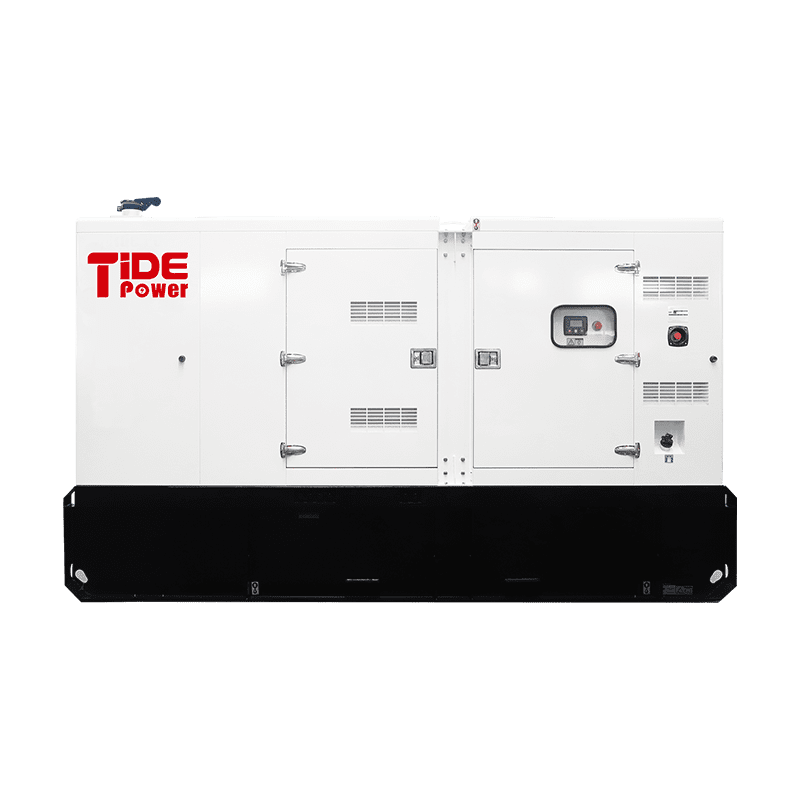
For generator integrated sites, a silent diesel set such as the Série Hemera must still be coordinated with the storage PCS.
Starting a Commercial Energy Storage Procurement
Starting a commercial energy storage procurement without an integration plan often leads to rework after purchase. Tide Power supplies configured systems from battery modules through enclosure, controls, and commissioning support, so the specification is built around the site rather than forced onto it. Send your site single-line diagram and 12-month load profile to [email protected] or call +86 591 2806 8999. We will confirm the storage capacity, integration approach, and delivery timeline before you commit to a configuration.
Common Questions About Commercial Energy Storage
How Long Does a Commercial Energy Storage System Last?
A well specified commercial energy storage system typically delivers 10 to 15 years of service, but the actual life is set by cycling depth, operating temperature, and maintenance rather than calendar age alone. LFP cells in stationary applications often handle several thousand cycles before capacity drops to the replacement threshold. The inverter and controls may need midlife service even if the battery modules still retain capacity. Buyers should ask for cycle life, garantie terms, and degradation assumptions in writing before comparing proposals.
Can Commercial Energy Storage Operate Alongside an Existing Diesel Generator?
It depends on the generator controller and the storage inverter’s grid forming capability. In a well designed hybrid system, the storage unit and generator share load according to a defined priority scheme. If the generator is not configured for fast synchronization or the storage PCS lacks the correct protection settings, the two assets can fight each other instead of backing up the site. This is not a chemistry problem. It is a controls problem, and it is solved during specification, not after installation.
Is LFP the Right Battery Chemistry for Commercial Use?
The common assumption that all lithium batteries carry the same fire risk is wrong for stationary commercial design. LFP cells operate at lower energy density than NMC and are more thermally stable, which makes them the practical default for most commercial energy storage systems that sit in or near buildings. NMC still has a place where weight or space is tightly constrained, but most business buyers should not trade safety margin for a marginal size advantage. Confirm the specific cell, module, and testing documentation rather than accepting a generic lithium label.
What Should a Facility Team Prepare Before Getting Storage Quotes?
In projects we have delivered across several markets, the teams that prepare interval load data and a current single-line diagram move fastest from quote to commissioning. The interval data defines the capacity and discharge window. The single-line diagram shows where the storage system will connect, plus the existing generator, transformer, and main breaker arrangement. Without those two documents, any quote is preliminary. If your load profile changes between seasons, send the data to [email protected] and we can confirm whether the configuration still fits.
Si cela vous intéresse, consultez ces articles connexes :
Projet d’élevage animal en Vietnam
Tide Power présente des solutions innovantes d'énergie hybride lors de la série d'expositions mondiales 2025 réussie
Tide Power fête ses 20 ans : Une soirée de gratitude, d'innovation et de vision partagée
Des cadres supérieurs de la société MWM, basée en France, rendent visite à Tide Power
