
 FR
FR EN
EN ZH
ZH ES
ES AR
ARDewatering pump selection should begin with measured site conditions, not a preferred brand. Flow rate, total head, and what the water carries determine whether a unit drains a pit quickly or burns fuel while losing prime. In our work across miniers et saisons de construction sites, we have seen identical horsepower ratings deliver very different outcomes because one pump was matched to a single flow estimate and another was selected for the full operating range. Choosing the right dewatering pump means treating the pump curve, suction conditions, and duty cycle as one decision instead of three separate checks.
What Are You Actually Pumping?
Clear water is the easiest case. Once the water carries sand, silt, clay, or mining fines, the pump needs a solids handling impeller with enough clearance to pass suspended particles without excessive wear. We have seen contractors select a clean water pump for a pit that also collected fine sediment. The result was accelerated impeller wear and a loss of flow within weeks.
Liquid composition changes material selection too. Acidic groundwater calls for a casing, shaft, and seal materials that can withstand corrosion. If the water contains fuel or oil, plan for separation before it reaches the pump. A dewatering pump that cannot handle the actual liquid is not a better pump; it is a recurring maintenance problem.
How Much Flow and Head Does the Site Require?
Flow rate is not a single number. A site may have a normal inflow of 30 cubic meters per hour during dry weather and more than double that after heavy rain. The pump should be selected for the highest controlled inflow, with a margin that does not push the operating point too far left on the curve. Running too far left causes internal recirculation and heat buildup.
Why a Single Flow Reading Causes Problems
A single flow reading usually captures the easiest condition, not the controlling one. During a mine dewatering project in Southeast Asia, we measured inflow at three depths over two days. The highest reading was 40 percent above the morning sample. A pump sized to the morning sample would have run continuously at the edge of its curve during afternoon storms. Collect at least three readings across different weather and water table conditions before settling on a duty point.
How to Calculate Total Head Without Overbuilding
Total dynamic head is the vertical lift plus friction losses in the discharge line plus any pressure required at the outlet. For a pit 30 meters deep with 200 meters of horizontal discharge, the engineer should not select a pump for 30 meters of head. Friction in the pipe adds head, and poor routing with multiple elbows adds more. At the same time, adding excessive safety factor creates a pump that operates outside its best efficiency range. Ask the supplier to show the pump curve with the intended duty point marked, not just a maximum head figure.
Why Do Site Power and Access Change Dewatering Pump Choice?
Power availability splits the decision quickly. Electric submersible pumps are compact, but remote sites without utility power need diesel engine driven units. Fuel storage, refueling access, and maintenance space become part of the selection. If the pump must move between pits, a skid or trailer mounted self-priming pump is easier to reposition than a hard piped installation. High strength self-priming pump bodies reduce the time spent re-priming after the unit has been shut down.
Tide Power supplies diesel engine driven dewatering pump units in Z, B, K, S, D, and C configurations for mining drainage, flood control, irrigation, and rescue use. 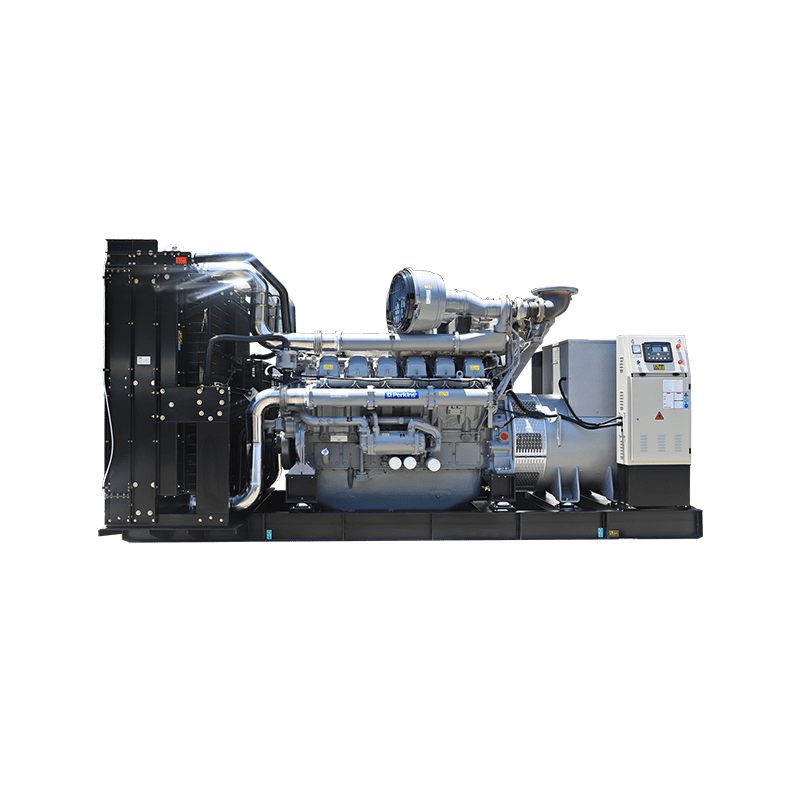 For larger operations, some teams package pumps alongside containerized power equipment so fuel supply and controls stay centralized.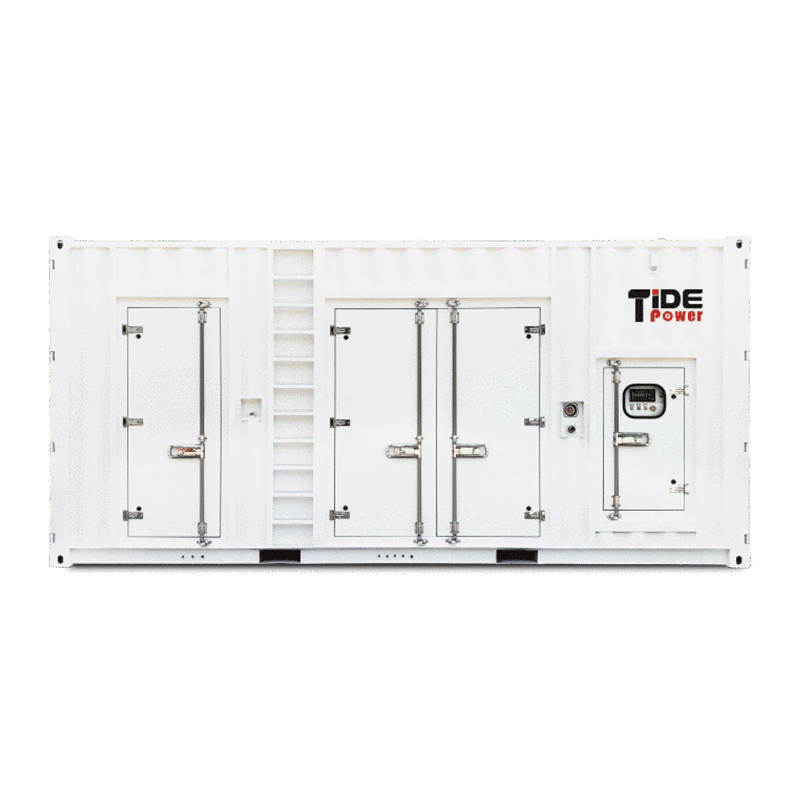
If your site involves deep suction, silty inflow, or limited fuel access, it is worth confirming total dynamic head and solids concentration before finalizing your BOM. Send those two figures to [email protected] and the engineering team will verify the pump curve and fuel consumption against your operating range.
Which Dewatering Pump Type Matches Your Duty Cycle?
Self-priming diesel pumps work well when the pump sits above the water level and must clear flooded pits quickly. Submersible pumps fit deep, narrow excavations where a surface pump cannot lift from depth. Wellpoint systems suit low permeability soils where groundwater must be drawn down around a trench. The wrong choice usually appears as lost prime, frequent clogging, or excessive fuel consumption.
| Site condition | Specification to check | Why it changes the pump |
|---|---|---|
| High sand or silt load | Impeller clearance and wear plate design | Tight clearances lose flow quickly as parts wear |
| Deep excavation | Maximum suction lift | Surface pumps lose prime beyond their rated lift |
| Continuous drainage | Engine duty cycle | Intermittent rated engines overheat or need frequent shutdown |
| Flood response | Priming speed and portability | Setup time determines whether water is controlled |
| Acidic groundwater | Casing, seal, and impeller materials | Corrosion shortens service life and causes leaks |
| Night operation | Fuel tank runtime and controls | Refueling frequency affects overnight staffing |
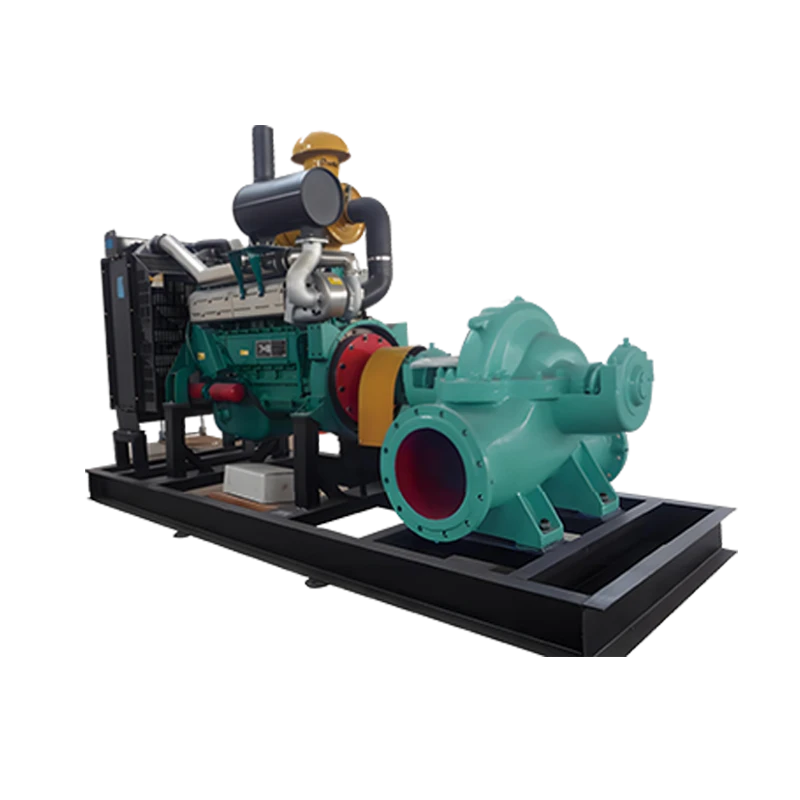
For continuous mining or flood control work, ask the supplier whether the engine is rated for prime power or just standby. A standby rated engine used continuously will have a shorter service life. Also confirm the self-priming pump can re-prime automatically after the water level drops and returns, which matters more than the maximum flow figure on the datasheet.
cURL Too many subrequests by single Worker invocation. To configure this limit, refer to https://developers.cloudflare.com/workers/wrangler/configuration/#limits
cURL Too many subrequests by single Worker invocation. To configure this limit, refer to https://developers.cloudflare.com/workers/wrangler/configuration/#limitssérie de pompes cURL Too many subrequests by single Worker invocation. To configure this limit, refer to https://developers.cloudflare.com/workers/wrangler/configuration/#limits.
cURL Too many subrequests by single Worker invocation. To configure this limit, refer to https://developers.cloudflare.com/workers/wrangler/configuration/#limits
cURL Too many subrequests by single Worker invocation. To configure this limit, refer to https://developers.cloudflare.com/workers/wrangler/configuration/#limits
cURL Too many subrequests by single Worker invocation. To configure this limit, refer to https://developers.cloudflare.com/workers/wrangler/configuration/#limits.
cURL Too many subrequests by single Worker invocation. To configure this limit, refer to https://developers.cloudflare.com/workers/wrangler/configuration/#limits
cURL Too many subrequests by single Worker invocation. To configure this limit, refer to https://developers.cloudflare.com/workers/wrangler/configuration/#limits.
cURL Too many subrequests by single Worker invocation. To configure this limit, refer to https://developers.cloudflare.com/workers/wrangler/configuration/#limits
cURL Too many subrequests by single Worker invocation. To configure this limit, refer to https://developers.cloudflare.com/workers/wrangler/configuration/#limits.
cURL Too many subrequests by single Worker invocation. To configure this limit, refer to https://developers.cloudflare.com/workers/wrangler/configuration/#limits
cURL Too many subrequests by single Worker invocation. To configure this limit, refer to https://developers.cloudflare.com/workers/wrangler/configuration/#limits.
Si cela vous intéresse, consultez ces articles connexes :
Étude de Cas : Systèmes de Générateurs Évolutifs pour Chaque Défi Énergétique Urbain
Faites avancer l’avenir avec Tide Power lors d’Electric & Power France 2025 !
Alimenter des industries critiques : les pompes de série Z Tide Power et les générateurs industriels offrent des performances inégalées
La cérémonie annuelle de signature du contrat d'approvisionnement OEM entre Tide Power et MWM a été réalisée avec succès
